What do Seattle, Nashville and Atlanta have in common? Each began as a mid-sized city and, over the past few decades, transformed into booming metropolitan centers. Residents who moved there before the growth spurt often saw rising wages, surging home values and expanding opportunities—along with the inevitable complaints about worsening traffic.
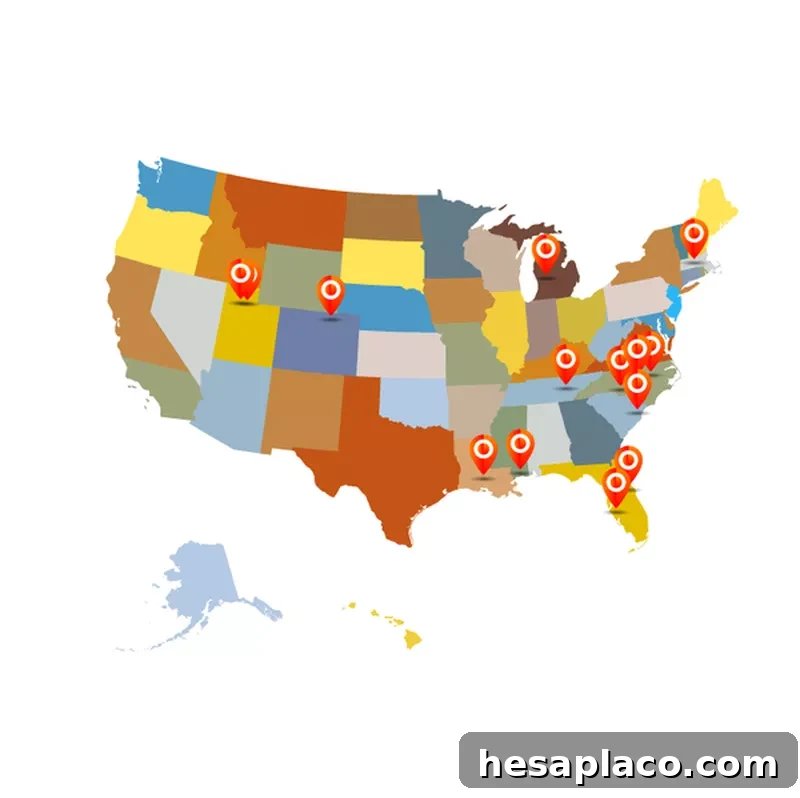
So where should you move in 2019 if you want to catch the next boom? We can’t predict the future, but we compiled 14 mid-sized U.S. cities that appear well situated for job growth, business expansion and rising property values over the next decade or two. These cities don’t follow a single pattern: some are aligned with emerging industries, while others act as more affordable satellites to larger metros, offering quality of life and lower housing costs—for now.
Provo, Utah

Getty Images
Population: 117,000
Median household income (2017 dollars): $44,312
Median home value (Zillow): $309,000
Provo’s thriving tech sector and broad job and wage gains earned it recognition from the Milken Institute as one of the country’s best-performing cities. Major tech employers like Adobe and the steady talent pipeline from Brigham Young University help sustain growth and innovation in the region.
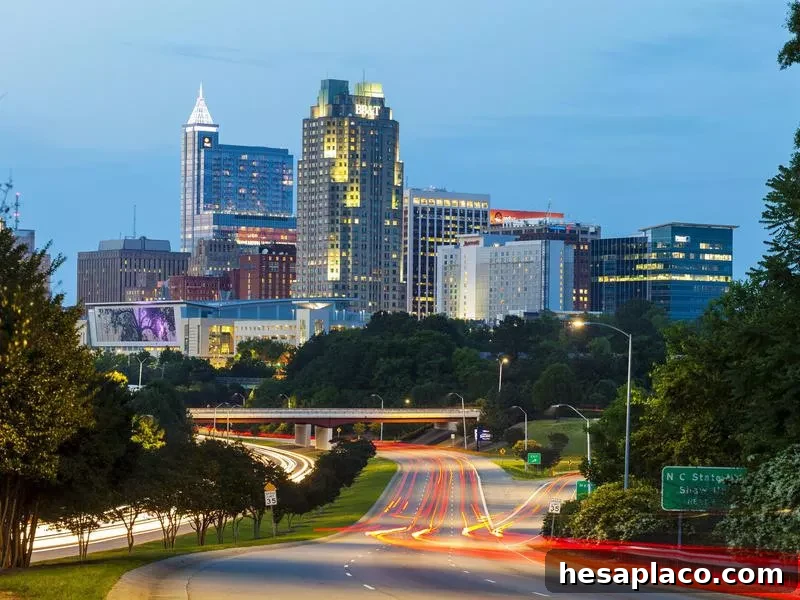
Raleigh, North Carolina
Getty Images
Population: 465,000
Median household income (2017 dollars): $61,505
Median home value (Zillow): $273,400
Raleigh’s business-friendly policies have helped attract employers seeking lower costs while maintaining access to a deep talent pool. Local projections anticipate strong job growth—more than 40 percent over the next decade—making the city increasingly appealing to companies relocating from pricier metros.
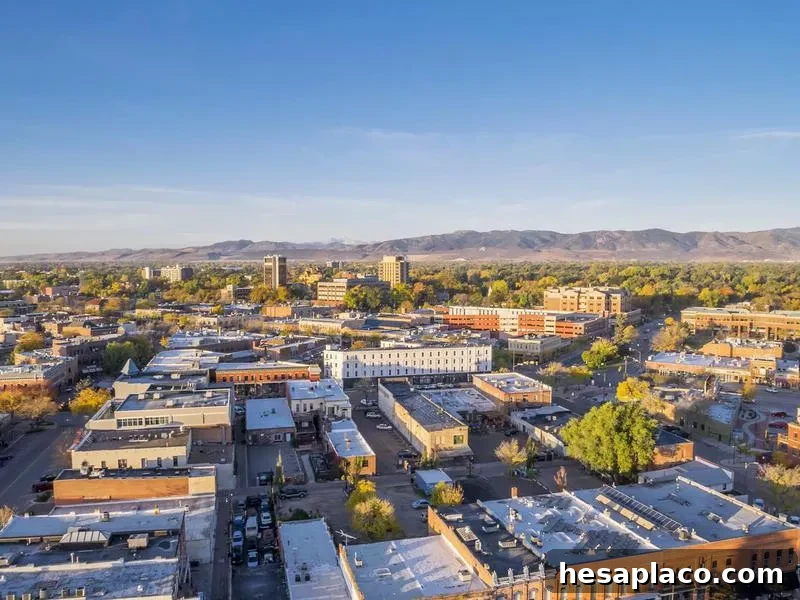
Fort Collins, Colorado
Getty Images
Population: 165,000
Median household income (2017 dollars): $60,110
Median home value (Zillow): $392,000
Northern Colorado is adding residents rapidly, and Fort Collins benefits from Colorado State University, which fuels research, startups and a steady flow of graduates. With costs generally lower than in nearby Denver and Boulder, Fort Collins is well positioned for continued expansion.
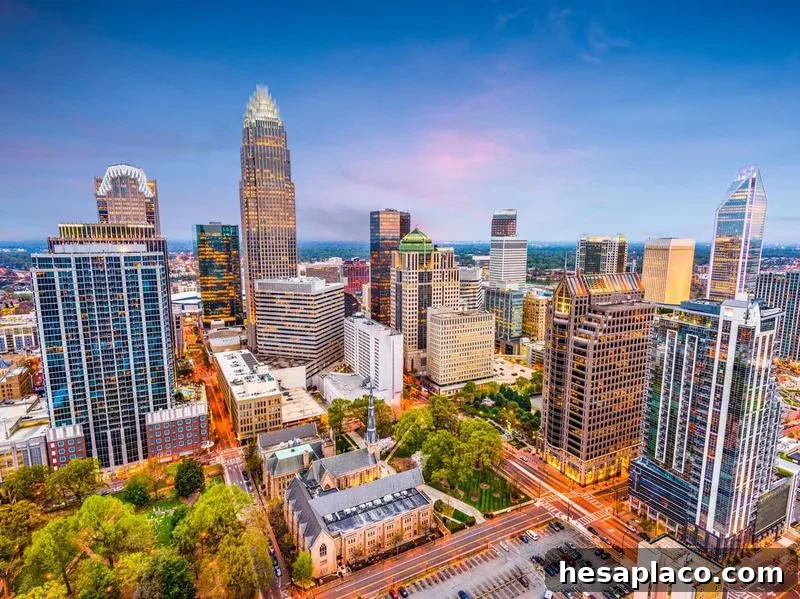
Charlotte, North Carolina
Getty Images
Population: 859,000
Median household income (2017 dollars): $58,202
Median home value (Zillow): $225,500
Charlotte is reaping the benefits of state efforts to attract businesses. Professional, scientific and technical services have seen notable growth, and housing remains more affordable than in many large metros—though prices are rising as demand increases.
Bradenton/Sarasota, Florida
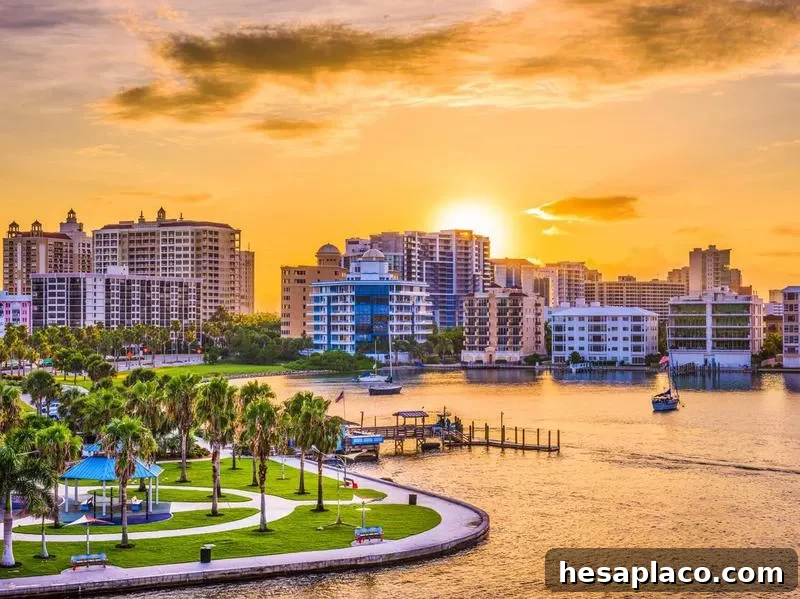
Sarasota, Florida. Getty Images
Population: Bradenton 56,508; Sarasota 56,994
Median household income (2017 dollars): Bradenton $42,902; Sarasota $45,073
Median home value (Zillow): Bradenton $240,000; Sarasota $260,500
This metro led the nation in job growth in 2017, helped by Florida’s low unemployment and increasing business interest in the region. While median wages remain modest, local employment and income levels are expected to rise as the area attracts more companies and investment.
Lafayette, Louisiana
Getty Images
Population: 127,000
Median household income (2017 dollars): $48,533
Median home value (Zillow): $157,900
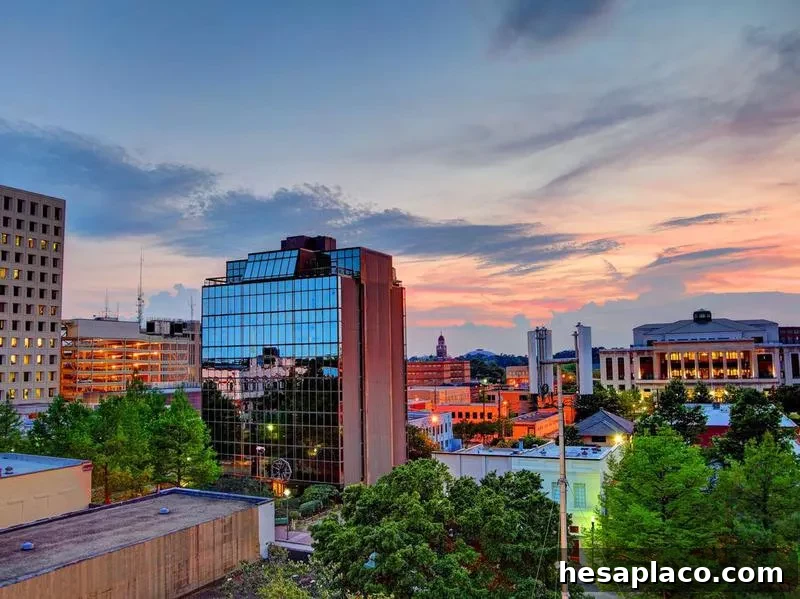
Located two hours west of New Orleans, Lafayette has quietly added tens of thousands of high-tech jobs in recent years and experienced renewed residential construction following a post-recession lull. The city’s economic rebound and quality-of-life rankings have made it attractive to workers and businesses alike.
Myrtle Beach, South Carolina
Getty Images
Population: 33,000
Median household income (2017 dollars): $39,006
Median home value (Zillow): $150,500
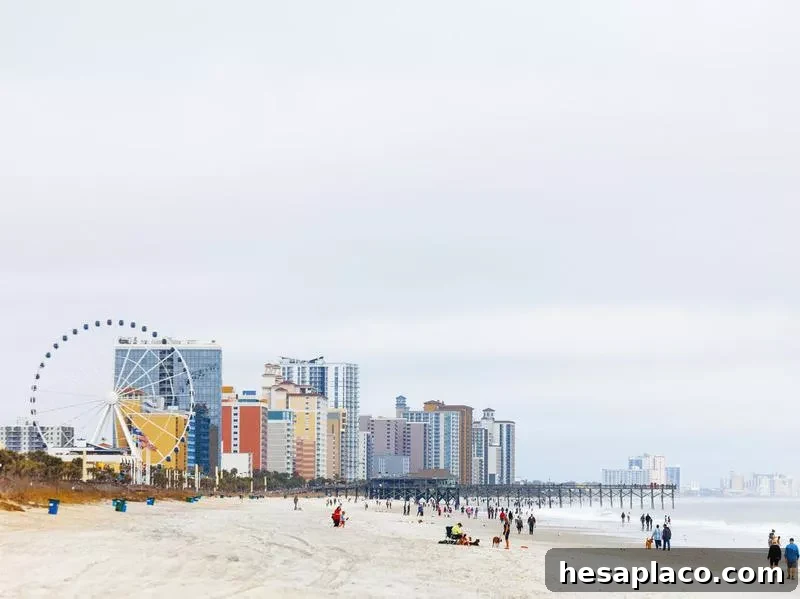
Population growth in Myrtle Beach has been driven largely by retirees drawn to the beaches and lower costs compared with Florida. That older demographic has boosted demand in health care and services, creating steady job growth. The area’s affordability and coastal lifestyle also appeal to younger residents and seasonal workers.
Gulfport, Mississippi
Getty Images
Population: 72,000
Median household income (2017 dollars): $37,243
Median home price (Zillow): $172,000
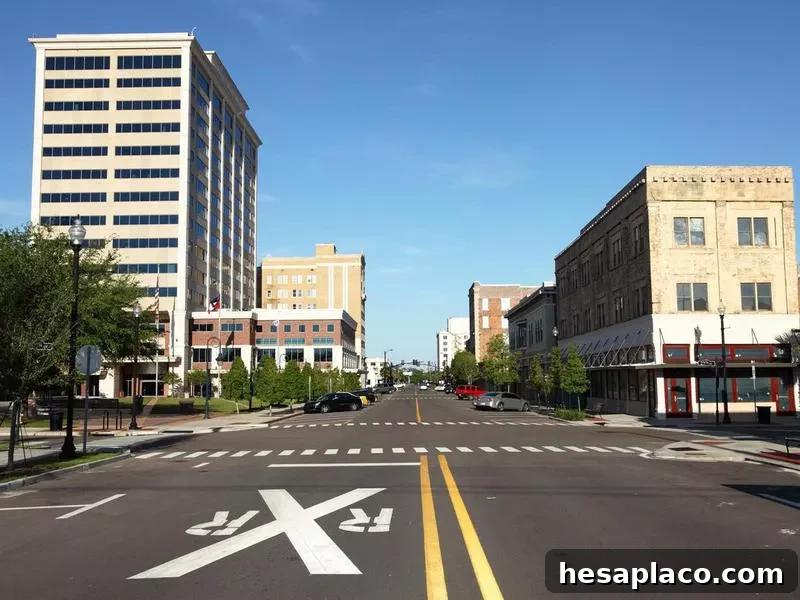
Devastated by Hurricane Katrina, Gulfport used the rebuilding process to reshape its economy and infrastructure. Reconstruction and sustained investment—including legalized gambling—helped stabilize housing and spur population growth. Public aid-funded housing projects also contributed to long-term affordability.
Winston-Salem, North Carolina
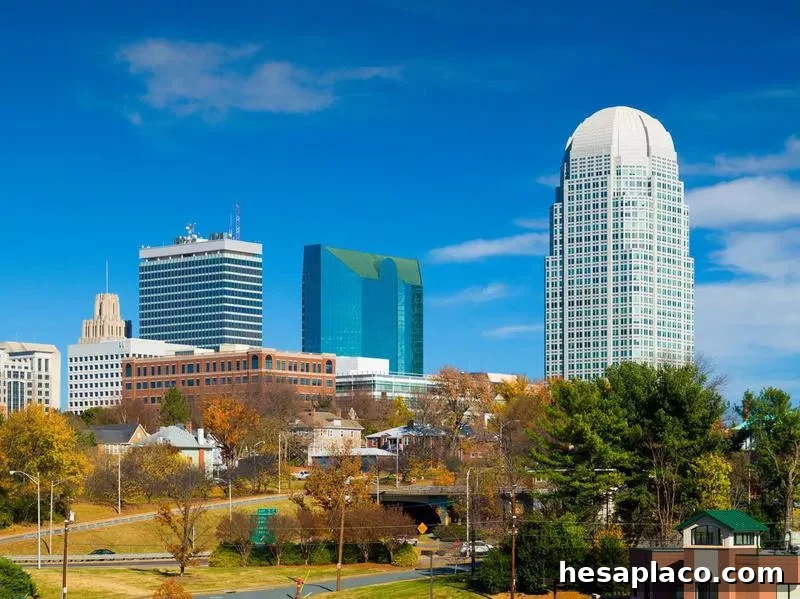
Getty Images
Population: 245,000
Median household income (2017 dollars): $37,423
Median home value (Zillow): $135,000
Once a textile hub in decline, Winston-Salem has diversified its economy. Corporate headquarters, regional banks and growing startups—many spun out of area colleges and universities—have helped revive the local job market. Housing remains relatively affordable, with many renovation opportunities available for buyers seeking lower-cost entry points.
Grand Rapids, Michigan
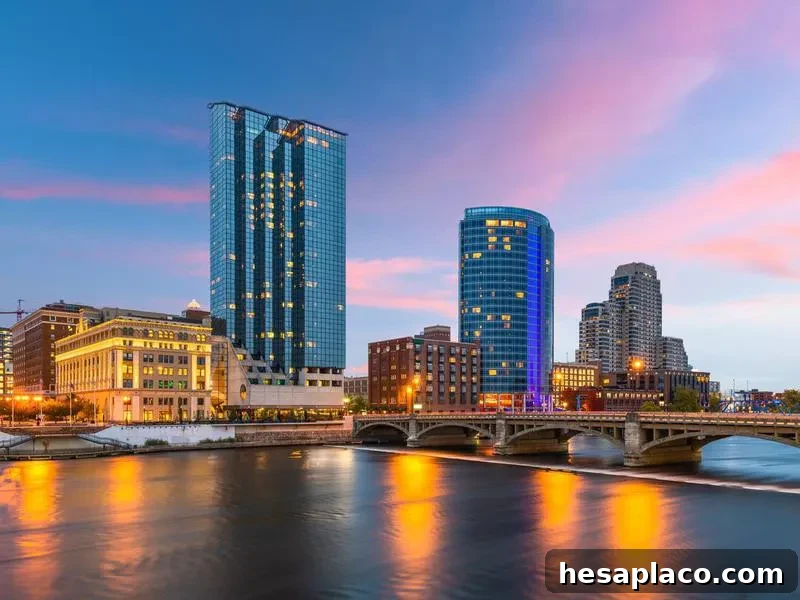
Getty Images
Population: 199,000
Median household income (2017 dollars): $44,369
Median home value (Zillow): $161,700
Grand Rapids blends a strong medical research corridor—its “Medical Mile”—with traditional manufacturing roots and a lively craft beer scene. The city has earned national recognition for quality of life and affordability. Rapid recent price gains in housing suggest increasing demand and rising investor interest.
Knoxville, Tennessee
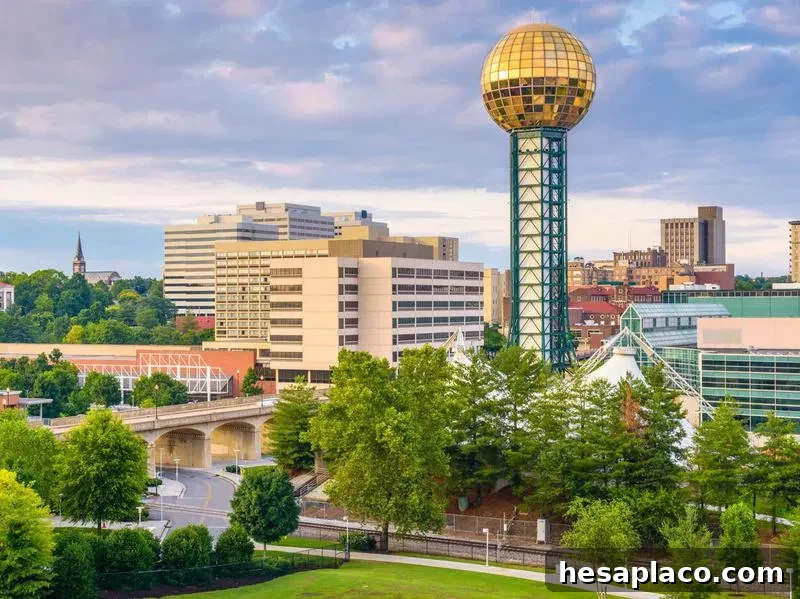
Getty Images
Population: 187,000
Median household income (2017 dollars): $36,331
Median home value (Zillow): $173,900
Knoxville is projected to see substantial job growth over the next decade, fueling a construction boom even as builders try to keep pace. Its location at major interstate junctures makes larger cities like Atlanta and Charlotte accessible, while outdoor recreation in the nearby Smoky Mountains enhances local appeal.
Daytona Beach, Florida
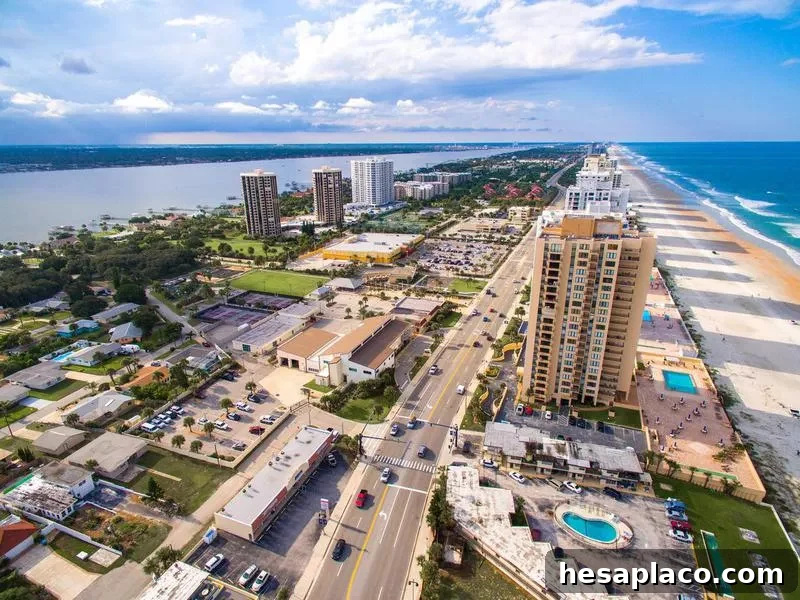
Getty Images
Population: 68,000
Median household income (2017 dollars): $30,137
Median home value (Zillow): $145,700
Known for NASCAR and tourism, Daytona Beach has diversified its economy and earned recognition for rapid improvement. Low housing costs and coastal breezes make it an attractive alternative to pricier Florida markets, helping it rank among the state’s fastest-growing metros in recent years.
Ogden, Utah

Getty Images
Population: 87,000
Median household income (2017 dollars): $43,361
Median home value (Zillow): $224,000
Ogden sits about 40 miles from Salt Lake City and offers lower housing costs while remaining within commuting distance. Federal employment and health care dominate local jobs, but the city has also attracted advanced industries and tech firms, earning recognition for its growing industry mix.
Worcester, Massachusetts
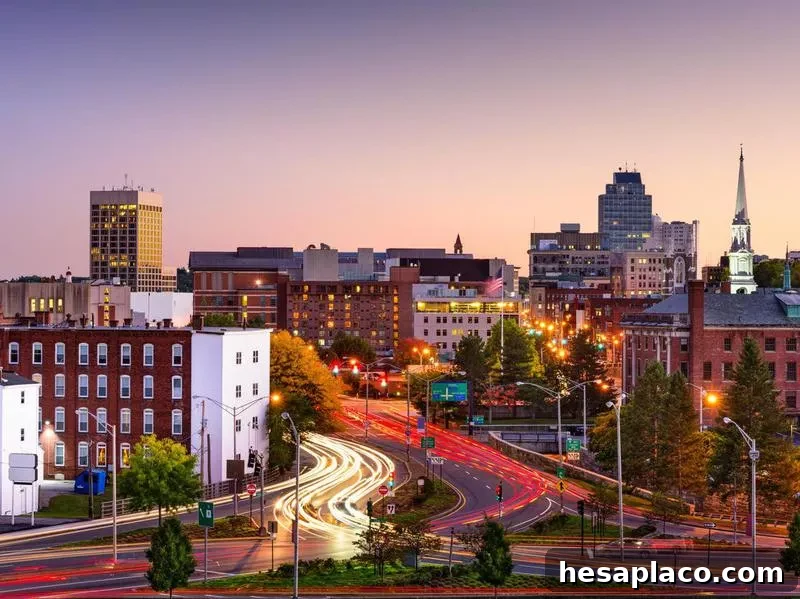
Getty Images
Population: 186,000
Median household income (2017 dollars): $45,869
Median home value (Zillow): $243,400
Like Ogden to Salt Lake City, Worcester serves as a more affordable alternative to Boston. Once a struggling mill town, Worcester has reinvented itself with a revitalized downtown, growing biotech and medical sectors, and a large concentration of colleges and universities that help supply talent. Home prices remain substantially lower than in greater Boston, making Worcester attractive for workers and businesses alike.