The AI boom has many workers worried about job security. With artificial intelligence advancing faster than many industries can adjust, people are reassessing which roles are safe from automation. A recent Microsoft study that analyzed real-world Copilot usage highlights a range of occupations that remain difficult to automate. These jobs demand physical presence, precise timing, tactile skills, or immediate human judgment—qualities current AI and robots still struggle to replicate.
Below are roles where humans continue to have a clear advantage, and why these positions are likely to remain firmly human for the foreseeable future.
Phlebotomists

Credit: iStockphoto
Drawing blood is a highly tactile task that requires steady hands, sterile technique and the ability to calm and cooperate with patients. Finding a vein in a nervous child or a dehydrated adult involves situational adjustments and empathy. AI may help with scheduling, patient intake, or equipment tracking, but performing the procedure still demands human skill and emotional presence.
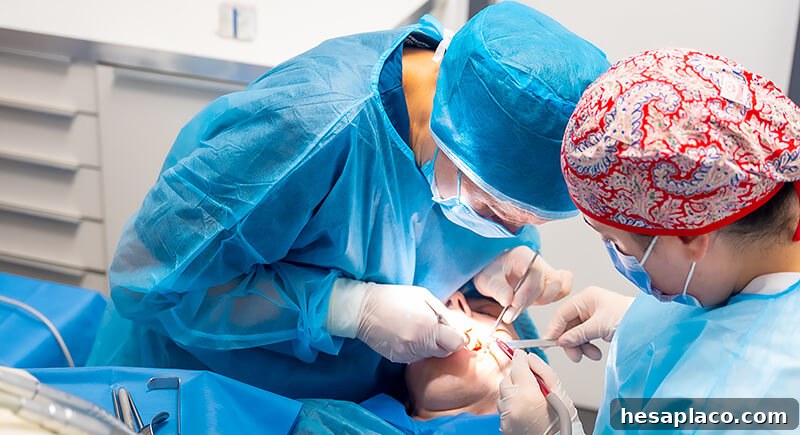
Oral and Maxillofacial Surgeons
Credit: iStockphoto
Facial and oral surgery requires intricate hand-eye coordination, delicate incisions and the capacity to make rapid, high-stakes decisions in response to unforeseen complications. While AI can support planning and imaging, it cannot yet replicate the fine motor control, adaptive judgment and tactile feedback essential to operating inside the human mouth and face.
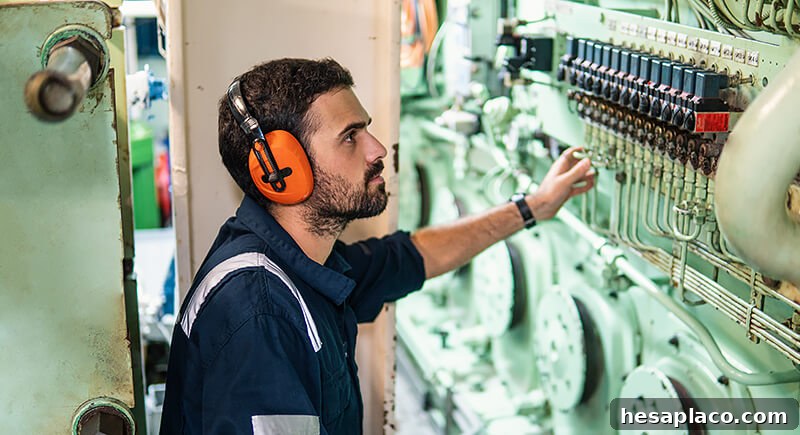
Ship Engineers
Credit: iStockphoto
Engineers working below deck troubleshoot complex, moving machinery in environments where connectivity is limited and problems can arise without warning. They improvise repairs, adapt to changing conditions and rely on practical experience. Desk-based digital assistants may assist with diagnostics, but hands-on maintenance and on-the-spot fixes remain firmly human tasks.
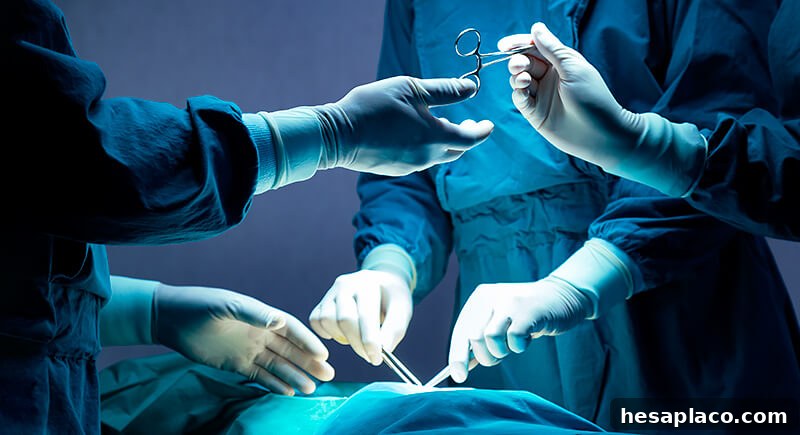
Surgical Assistants
Credit: iStockphoto
Surgical assistants anticipate surgeons’ needs, pass instruments, manage patient positioning and respond instantly to complications. The role depends on teamwork, trust and practiced reflexes. AI tools can support preparation and documentation, but they cannot replace the physical dexterity or immediate problem-solving required in the operating room.
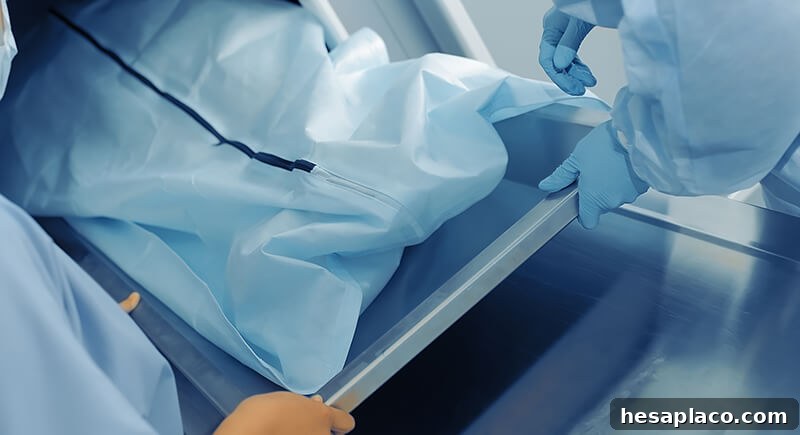
Embalmers
Credit: iStockphoto
Working with the deceased combines technical knowledge of anatomy and preservation with emotional sensitivity and respect for rituals. While software can manage records and scheduling, the hands-on, ceremonial and compassionate aspects of embalming remain uniquely human responsibilities.
Nursing Assistants

Credit: iStockphoto
Nursing assistants provide unpredictable, close-contact care—helping patients eat, bathe, move safely and respond to immediate needs. These tasks involve countless micro-adjustments, situational awareness and emotional support that do not translate into automated scripts. AI can assist with documentation and scheduling, but direct caregiving relies on human judgment and compassion.
Helpers – Painters, Plasterers

Credit: iStockphoto
Construction helpers who mix plaster, prep uneven surfaces and work from scaffolds face constantly changing conditions. These roles depend on manual skill, adaptability and teamwork. Unexpected site conditions and the need to improvise mean an app or algorithm cannot fully replace the human workforce on these tasks.
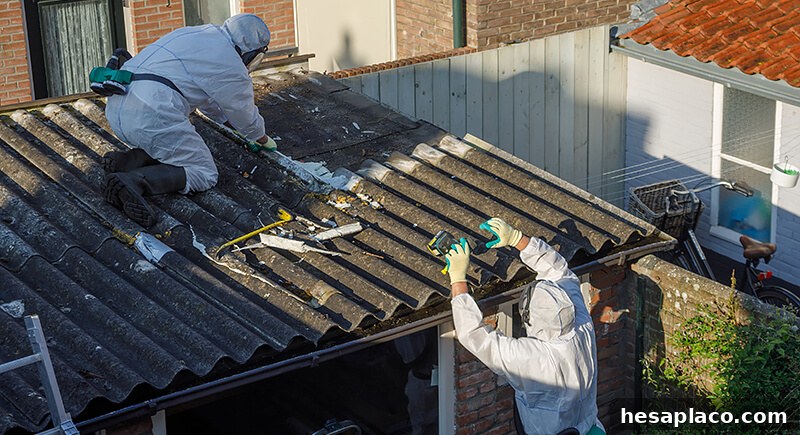
Hazardous Materials Removal Workers
Credit: iStockphoto
Workers who remove asbestos, lead and other hazardous materials must wear protective gear, follow strict containment procedures and make precise, safety-critical decisions as site conditions change. AI can support risk modeling and planning, but the actual removal work requires human control, careful judgment and personal accountability.
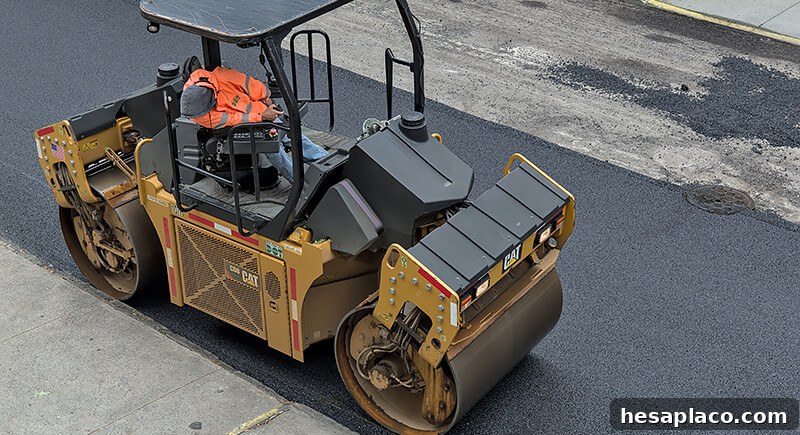
Paving, Surfacing, and Tamping Equipment Operators
Credit: iStockphoto
Operating heavy machinery on uneven, changing terrain while maintaining crew safety requires judgment and coordination that remains difficult to automate. Weather and material behavior can vary daily, so operators must adjust in real time. Digital tools can provide plans or measurements, but the physical operation of equipment still relies on skilled humans.
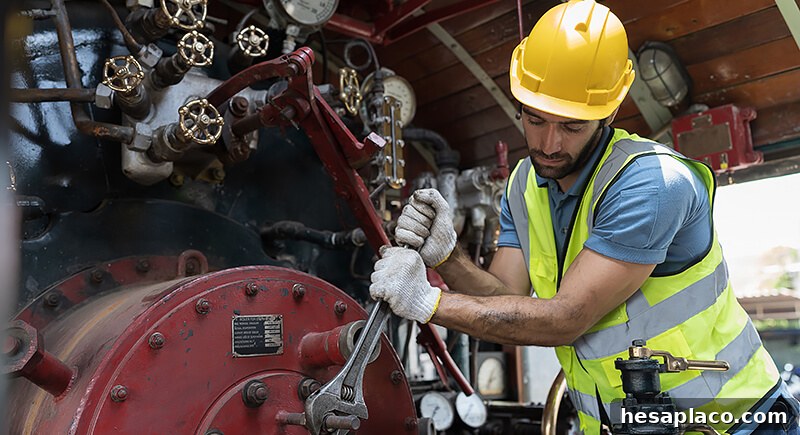
Gas Compressor and Pumping Station Operators
Credit: iStockphoto
Maintaining pressure and flow in pipelines involves constant monitoring, quick valve adjustments and rapid responses to alarms. AI can flag trends and offer recommendations, but operators with deep system knowledge are essential to make split-second decisions and take preventive action when systems deviate from normal behavior.
Massage Therapists

Credit: iStockphoto
Massage therapy depends on the therapist’s hands to read muscle tension, respond to body language and adjust pressure or technique in real time. Subtle cues like a client’s shift or soft sigh often change the approach mid-session—nuances that current software or robots cannot fully interpret or replicate.
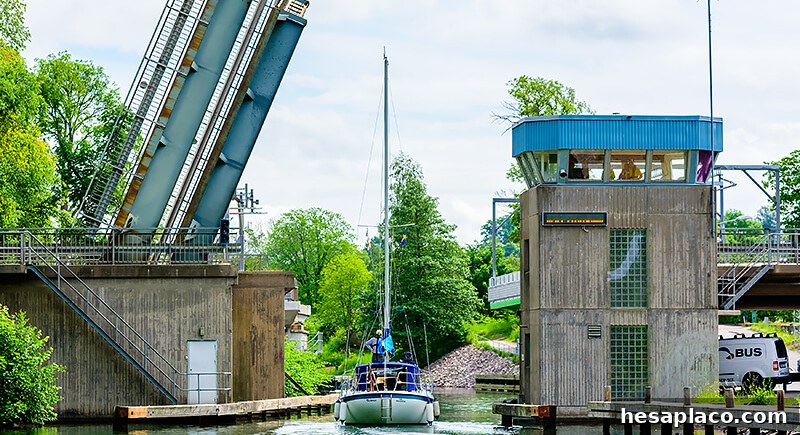
Bridge and Lock Tenders
Credit: iStockphoto
Controlling bridges and locks requires attentiveness to weather, vessel traffic and mechanical issues, plus the ability to respond quickly to emergencies or panicked calls from mariners. While systems can automate routine adjustments, unpredictable events and mechanical failures still call for experienced human operators.
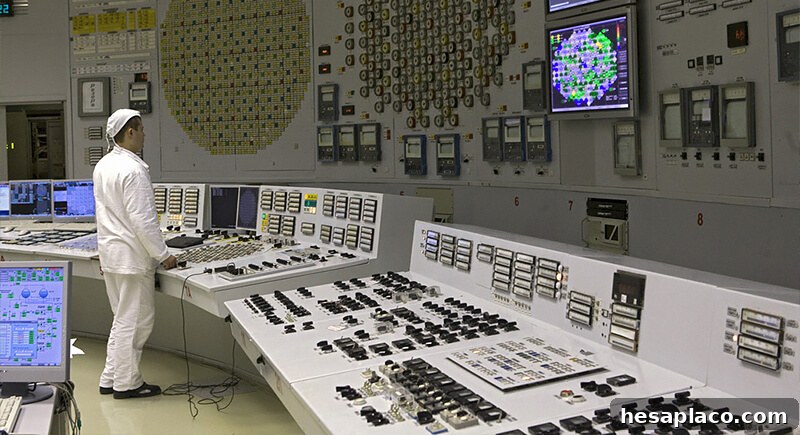
Plant and System Operators (All Other)
Credit: Wikipedia
Plant and system operators oversee the flow of energy, water or chemicals through interconnected systems where a single fault can cascade. Their role combines monitoring, hands-on intervention and rapid decision-making to keep systems stable. These responsibilities are not easily delegated to automated systems without significant risk.
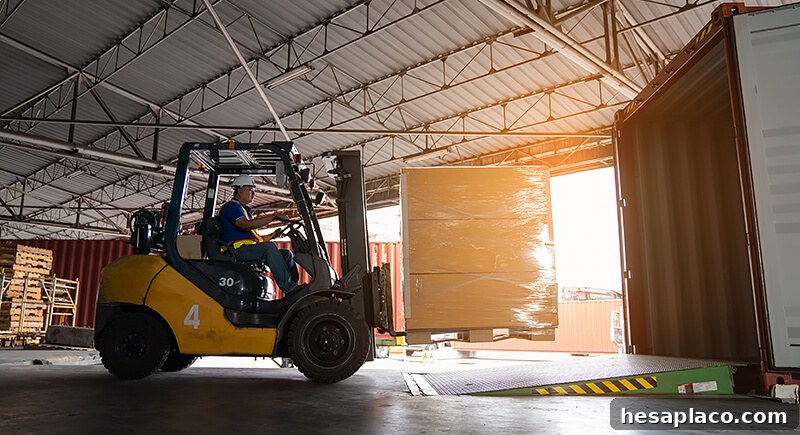
Industrial Truck and Tractor Operators
Credit: iStockphoto
Operating forklifts, tractors and other industrial vehicles includes avoiding people, handling shifting loads and reacting to spills or lodged pallets. Agricultural settings add challenges like slopes and uneven terrain that complicate automation. Human drivers still bring the reflexes and contextual judgment needed for safe and efficient operation.
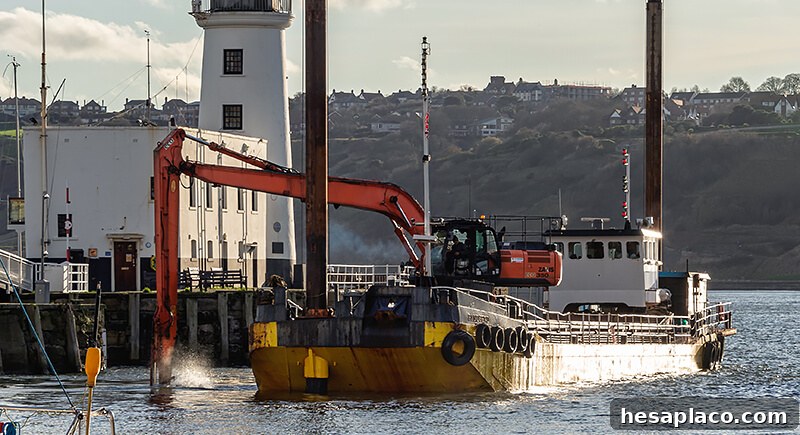
Dredge Operators
Credit: iStockphoto
Dredging harbors and waterways requires large-scale machinery, continuous monitoring of water and sediment conditions, and precise depth control in murky, shifting environments. The combination of scale, variable conditions and the need for immediate, experienced adjustments makes dredging a task where human operators remain essential.
In short, many jobs that depend on touch, quick reflexes, nuanced judgment and face-to-face interaction are still beyond the practical reach of current AI. While artificial intelligence will continue to change how we work—improving scheduling, diagnostics and planning—these roles illustrate where human skills remain irreplaceable.