
Budgets vary around the world, but the principles of smart saving are universal. While some rely on apps, flash sales, and modern conveniences, many cultures still practice straightforward, time-tested habits that cut costs and reduce waste. These simple routines—rooted in habit rather than hype—offer practical ways to keep household expenses down without sacrificing comfort.
Below are everyday strategies used in other countries that can help control spending, extend the life of household items, and reduce waste. Each approach is practical, accessible, and often more sustainable than the single-use, high-consumption habits common in many places.
Hang-Drying Laundry, Even in Humid Weather
Credit: pexels
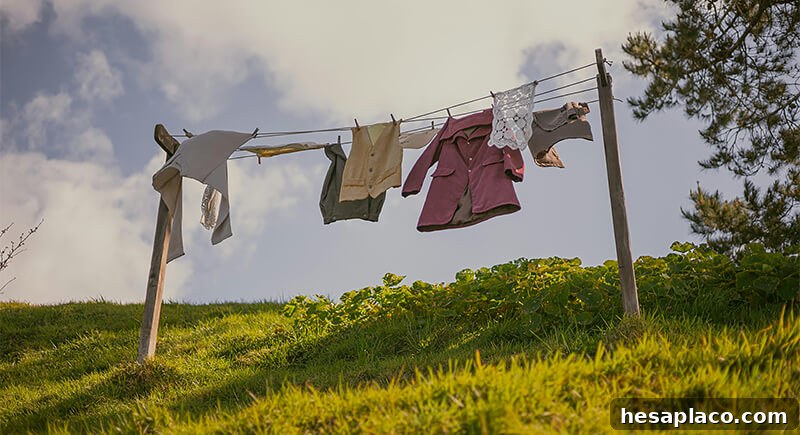
In countries like Japan, Italy, and Germany, electric dryers are uncommon. People frequently use outdoor racks or indoor lines to air-dry clothes year-round. This habit cuts electricity usage, reduces wear on fabrics, and extends the life of garments. Considering that dryers account for a notable portion of household energy use in some nations, air-drying is a simple way to lower utility bills and environmental impact.
Rags Instead of Disposable Kitchen Items
Credit: Canva
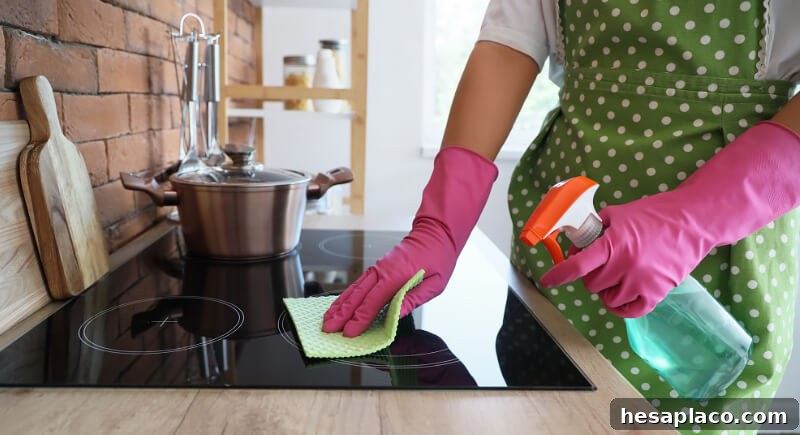
Many households outside the U.S. use washable cloths rather than paper towels or disposable wipes. Reusing fabric scraps or dedicated cleaning rags is common in places such as Sweden and India. This reduces waste and ongoing purchases, and with simple laundering it becomes a low-cost, low-waste cleaning system that serves many needs around the home.
Seasonal Produce Is Stored

Credit: pexels
Pickling, fermenting, and drying remain routine practices in countries like South Korea, Poland, and Turkey. At the end of the growing season, households preserve cabbage, cucumbers, fruits, and more to last through winter. Preserving food at home reduces grocery bills and food waste, and it relies on simple techniques that have fed families for generations.
Timed Heating Keeps Bills From Creeping Up

Credit: Canva
In places such as Ireland and the Netherlands, many households run heating on short, scheduled cycles—often warming the home once each morning—then rely on insulation and passive heat from sunlight for the rest of the day. Using a timed boiler or thermostat this way can dramatically reduce fuel consumption and prevent heating bills from ballooning, especially when combined with effective insulation.
Pasta Doesn’t Have to Simmer Forever
Credit: Getty Images
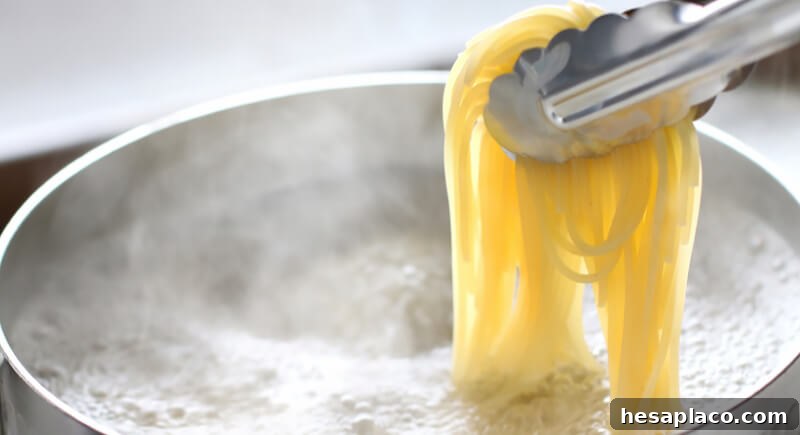
Some European and Asian cooks shorten active boiling time by letting pasta finish cooking off the heat while covered. This method preserves fuel and reduces electricity or gas use without altering the final texture when done correctly. It’s an old technique that saves energy simply by using residual heat rather than continuous boiling.
One Chicken, Multiple Uses

Credit: iStockphoto
Buying whole chickens is standard in many countries because it’s often cheaper per pound than pre-cut parts. The bones are used to make broth or stock, stretching the value of a single purchase into multiple meals. Adopting this approach can lower meat costs and encourage more resourceful cooking.
Families Living Under One Roof

Credit: Canva
Multigenerational households remain common in parts of Asia and Latin America. Grandparents often help with childcare while adult children contribute to household expenses. Living together reduces per-person housing costs and shares responsibilities—an approach that has seen a resurgence in many places for both cultural and economic reasons.
Reusable Containers Over Single-Use Fixes
Credit: pexels
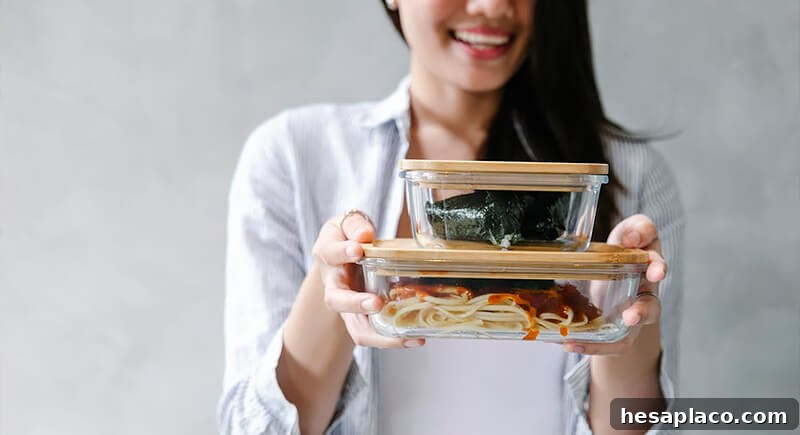
Many households use durable containers for storing, reheating, and transporting food, replacing cling film, foil, and disposable bags. Reusable tubs and lids reduce ongoing purchases and waste while making daily food handling simpler and more economical.
Cooling a Home With a Fan and Some Logic

Credit: Getty Images
Cross-ventilation—opening windows on opposite sides of a room and using a fan to push hot air out—is a low- or no-cost cooling method commonly used in countries such as India and Brazil. It lowers reliance on air conditioning and helps avoid large summer energy bills when weather permits.
Cooking Big Doesn’t Need a Hashtag
Credit: iStockphoto
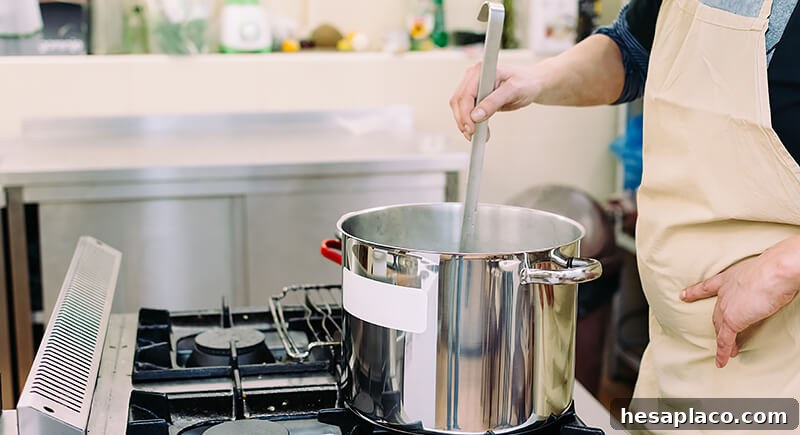
Preparing large batches of staples—beans, lentils, stews, or grains—is everyday practice in many nations, including India, Egypt, and Mexico. Cooking once and eating over several days saves time and fuel, reduces the number of grocery trips, and avoids the need for elaborate meal-prep systems. It’s a practical habit, not a trend.
All-Purpose Cleaners Still Exist
Credit: iStockphoto
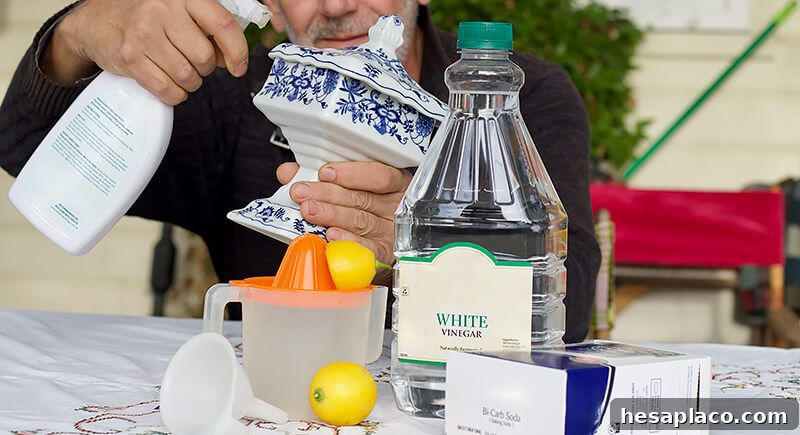
In many homes a single, simple cleaner—like diluted vinegar or mild detergent—handles floors, counters, and windows. Relying on versatile, economical solutions reduces the need to buy multiple specialized products and keeps storage and costs down.
Shared Tools, Not Duplicated Stuff
Credit: Getty Images
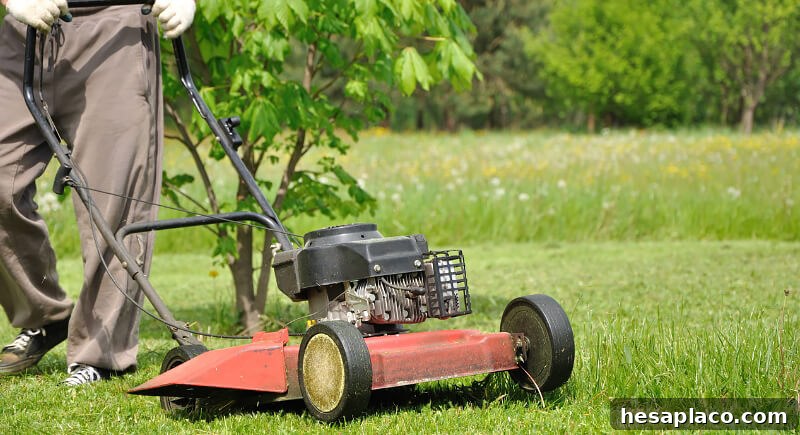
Households that share tools and appliances—blenders, lawnmowers, drills—avoid purchasing items used only occasionally. Borrowing, lending, and passing down tools reduces clutter and saves money, especially for items needed only a few times a year.
The Anti-Shopping Culture

Credit: pexels
In many regions shopping is practical rather than recreational: people buy what they need instead of purchasing for pleasure. This approach naturally limits consumption and can curb impulse buying, which contributes to lower household spending and less accumulation of unneeded items.
Less Space, Fewer Purchases
Credit: pexels
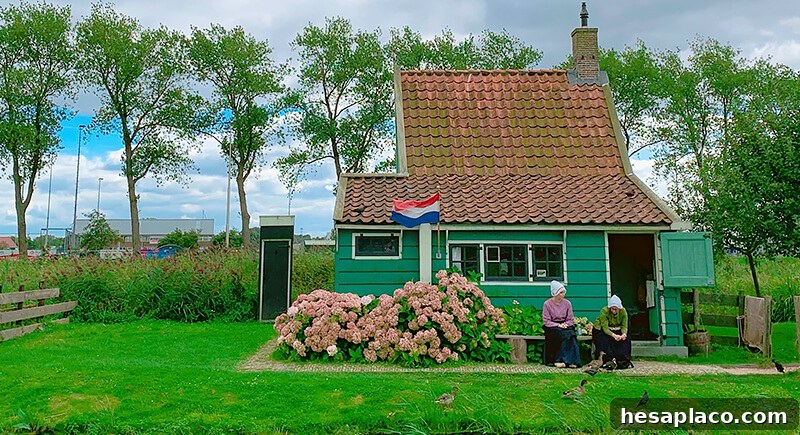
Smaller living spaces, common in many parts of the world, encourage fewer purchases and more mindful ownership. When space is limited, people prioritize essentials and avoid buying items that provide little value. Living with less can be an effective budget control in itself.
Paper Tracking That Actually Works

Credit: pexels
The Japanese kakeibo is a simple paper ledger for household finances that many still use. It separates income, expenses, monthly goals, and reflections on spending. Writing expenses by hand encourages deliberate choices and a clearer view of where money goes—helping households spend with intention rather than habit.
Adopting one or two of these habits can reduce costs and waste without drastic lifestyle changes. The common thread is intentionality: small adjustments—air-drying laundry, preserving seasonal food, sharing tools, or tracking expenses by hand—add up over time. Practical, frugal habits from other cultures offer proven ways to stretch budgets and live more sustainably.