Money is essential for daily life, but work should not consume every hour of it. A healthy and satisfying lifestyle depends on having enough time for rest, family, hobbies, travel, social life and personal goals. While individual choices matter, the city you live in can make a major difference in how easy it is to maintain a good balance between professional responsibilities and personal well-being.
A recent Forbes work-life balance report compared cities around the world using factors such as paid vacation, affordability, income equality, access to nature, sunlight hours, unemployment levels and family-friendly policies. The result is a ranking of urban destinations where residents are more likely to enjoy both career opportunities and a fulfilling life outside the office.
From compact Nordic capitals to historic European cities and one standout destination in New Zealand, these are 10 of the best cities for work-life balance.
10. Belfast, Ireland
benedek / Getty Images
Work-life balance score: 57
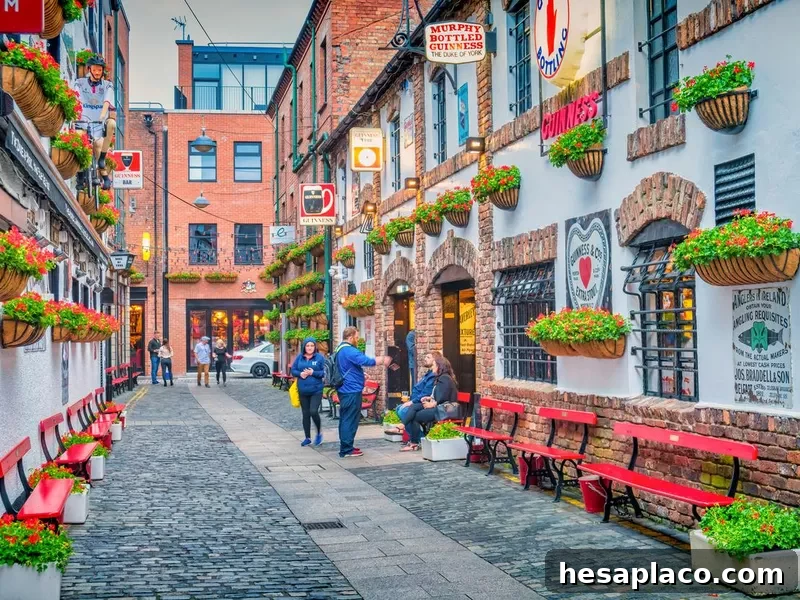
Bottom line: Belfast, the capital of Northern Ireland, combines a lively cultural scene with a growing economy. The city offers solid employment prospects, supported by a low unemployment rate of 2.3 percent. For workers, one of the biggest advantages is time off: employees receive an average of 28 paid vacation days, in addition to 10 public holidays.
That means many residents can enjoy more than a month away from work each year. With reasonable spending power, a vibrant city center and access to scenic landscapes across Northern Ireland, Belfast gives people room to build a life that is not defined solely by their jobs.
Ranking information is based on Forbes’ Worldwide Work-Life Balance Index 2023.
9. Edinburgh, Scotland
georgeclerk / Getty Images
Work-life balance score: 57.1
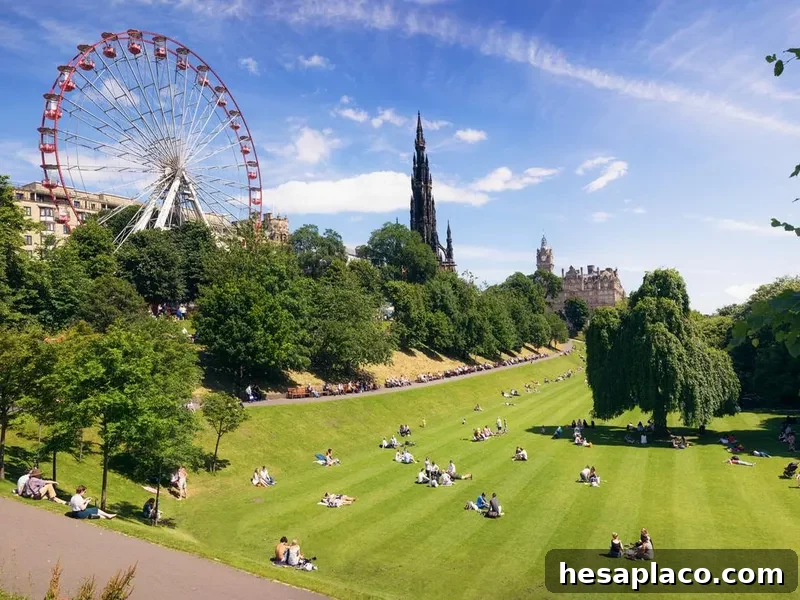
Bottom line: Edinburgh is one of the most attractive cities in the United Kingdom, known for its historic architecture, cultural festivals, green spaces and dramatic skyline. Beyond its beauty, the Scottish capital also performs well for work-life balance.
The average employee works about 25.6 hours per week, which leaves significant time for personal commitments, leisure and rest. Workers also benefit from 28 paid vacation days, while maternity leave entitlement extends to 39 weeks.
For residents, this combination of shorter working hours, generous leave and easy access to parks and cultural attractions makes Edinburgh a place where professional life can fit more comfortably around personal life.
8. Vienna, Austria
Anton Aleksenko / Getty Images
Work-life balance score: 58.5
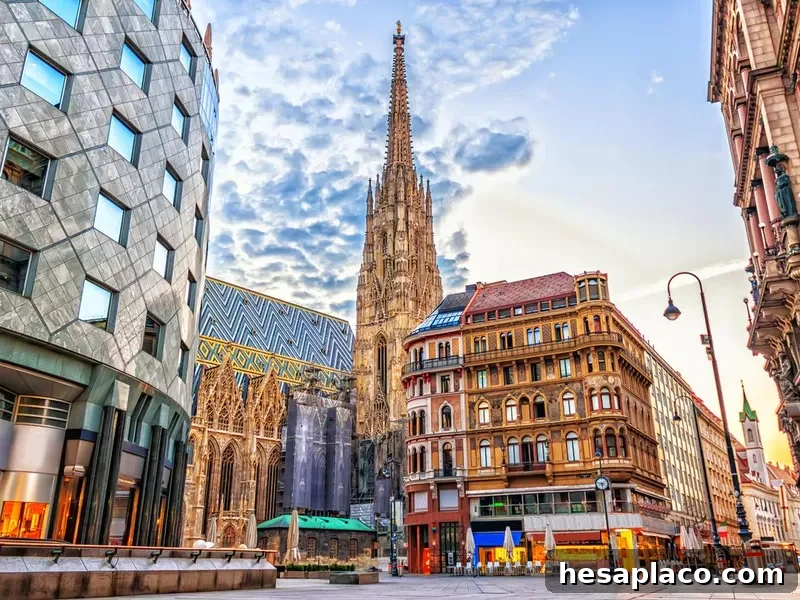
Bottom line: Vienna is often recognized as one of the world’s most livable cities, so its strong performance in work-life balance is no surprise. The Austrian capital offers the highest annual leave allowance on this list, with 30 paid vacation days plus 13 public holidays.
Time off is only part of the appeal. Vienna is close to 79 parks and nature reserves, giving residents plenty of opportunities to step away from urban life. The city also receives around 1,925 hours of sunlight per year.
Affordable public transportation, strong social benefits and accessible healthcare all contribute to a lifestyle that supports both stability and well-being. For many people, Vienna represents the kind of city where career, culture and relaxation can exist side by side.
7. Reykjavik, Iceland

basiczto / Getty Images
Work-life balance score: 58.7
Bottom line: Reykjavik may be Iceland’s largest city, but with a population of about 122,850, it still maintains a close-knit community atmosphere. That smaller scale helps contribute to lower crime rates and a more relaxed pace of daily life.
Nature is one of Reykjavik’s greatest advantages. Iceland’s famous waterfalls, hot springs, volcanic landscapes and dramatic coastlines are all within reach of the capital, making outdoor escapes part of everyday living rather than a rare luxury.
The main drawback is the long winter season. During the darkest months, Reykjavik averages only around four or five hours of daylight. Even so, the city’s safety, community feel and access to extraordinary natural beauty help it stand out as a strong destination for work-life balance.
6. Gothenburg, Sweden
canada_by_alexis / Getty Images
Work-life balance score: 60.7
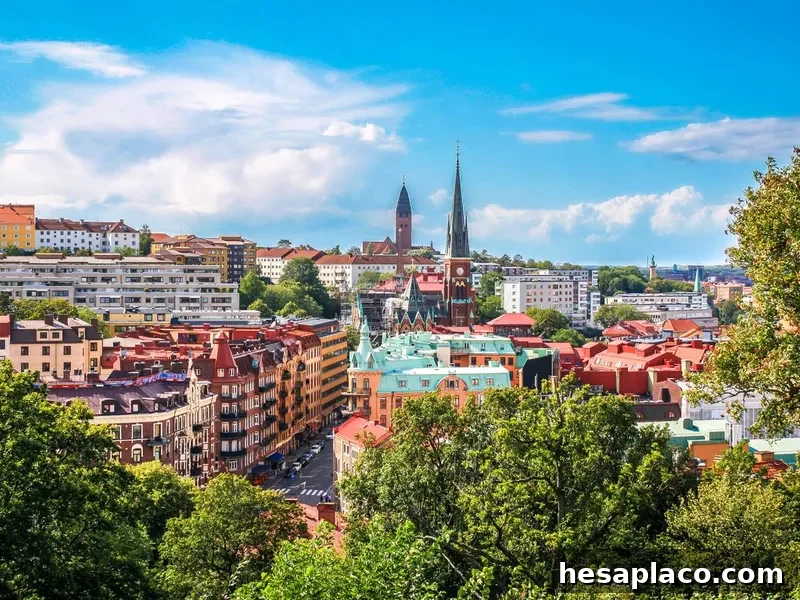
Bottom line: Gothenburg offers a relaxed urban lifestyle with wide boulevards, welcoming cafes and abundant green spaces. Sweden’s second-largest city gives residents many ways to enjoy their time outside work, from walks through parks to relaxed afternoons along the waterfront.
On average, people in Gothenburg work fewer than 30 hours per week. The city also benefits from Sweden’s generous approach to family policy. Parents are entitled to 480 days of parental leave, which can often be shared between parents.
This level of support makes it easier for families to spend meaningful time together, especially during a child’s early years. Combined with a strong culture of leisure and access to nature, Gothenburg offers a lifestyle that places real value on life beyond the workplace.
5. Auckland, New Zealand

wesley1336 / Getty Images
Work-life balance score: 62.7
Bottom line: Auckland is the only city outside Europe to appear in this top 10. Although it is not New Zealand’s capital, it is the country’s largest urban hub and one of its most important economic centers.
One of Auckland’s biggest strengths is access to nature. Residents can kayak to nearby islands, look for whales and penguins, hike around Mount Victoria or explore one of the 59 parks and nature reserves in and around the city.
New Zealand can be expensive, and Auckland is no exception. However, the city’s unemployment rate of 3.2 percent suggests that job opportunities are available. For people who can manage the cost of living, Auckland offers a rare mix of urban convenience, outdoor adventure and a lifestyle that encourages time away from work.
4. Oslo, Norway

Mlenny / Getty Images
Work-life balance score: 63.2
Bottom line: Oslo is a modern, forward-looking city that invests heavily in innovation. This focus helps create work opportunities while also improving quality of life for residents.
Like Gothenburg, Oslo offers 480 days of paid parental leave, allowing parents to spend valuable time with their children during an important stage of development. The Norwegian capital also benefits from a strong social safety net, universal healthcare and other public services that reduce some of the pressures associated with daily life.
For many residents, this means work is not simply about survival. With support systems in place, people have more space to focus on family, health, outdoor activities and personal fulfillment.
3. Stockholm, Sweden
cittadinodelmondo / Getty Images
Work-life balance score: 64.8
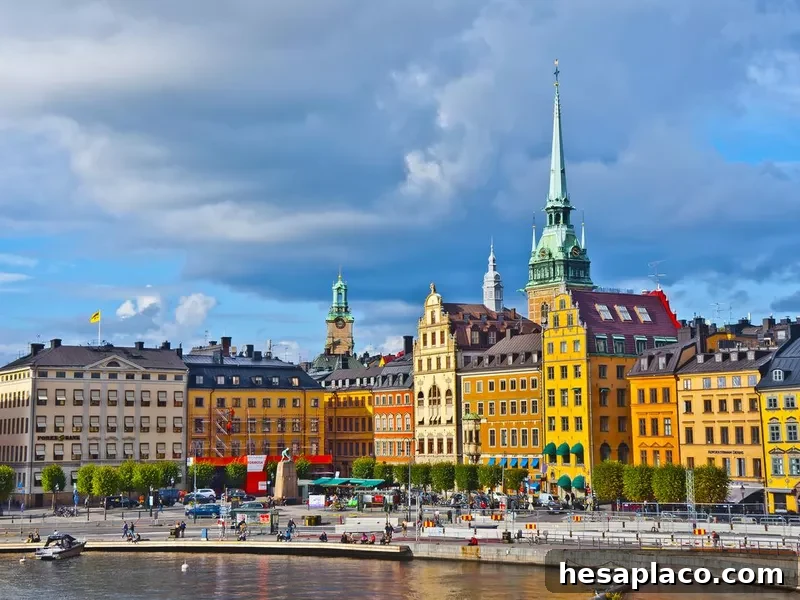
Bottom line: Stockholm can be an expensive place to live, but Sweden is widely known for strong social benefits, including free access to education and affordable healthcare. These systems help support a lifestyle where people are not entirely dependent on high wages to access essential services.
The city is also part of a dynamic economy. Sweden has produced 35 unicorns, meaning startups valued at more than a billion dollars, reflecting the country’s strength in innovation and entrepreneurship.
Stockholm’s location on the water adds another major lifestyle advantage. Residents can reach natural areas, remote destinations above the Arctic Circle and other Scandinavian and Baltic countries with relative ease. For city dwellers who value both professional opportunity and restorative time in nature, Stockholm is one of Europe’s strongest choices.
2. Helsinki, Finland
scanrail / Getty Images
Work-life balance score: 65.1
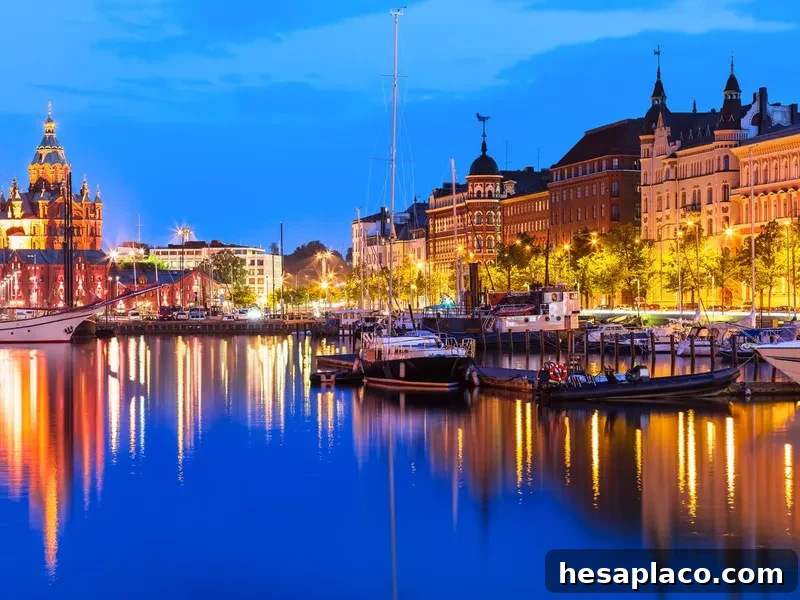
Bottom line: Helsinki is one of Europe’s most underrated capitals. It offers a calm, pleasant atmosphere and avoids some of the overwhelming tourist crowds that affect other popular cities on this list.
The Finnish capital is not without challenges. Its unemployment rate is 7 percent, which is a concern given the high cost of living. Still, for those who secure stable, well-paying work, Helsinki offers a very high quality of life.
Residents have access to more than 60 nearby natural attractions, 25 days of paid time off and a 52-week parental leave policy. These benefits help create a city where people can build careers while still protecting time for family, rest and outdoor living.
1. Copenhagen, Denmark

sfe-co2 / Getty Images
Work-life balance score: 70.5
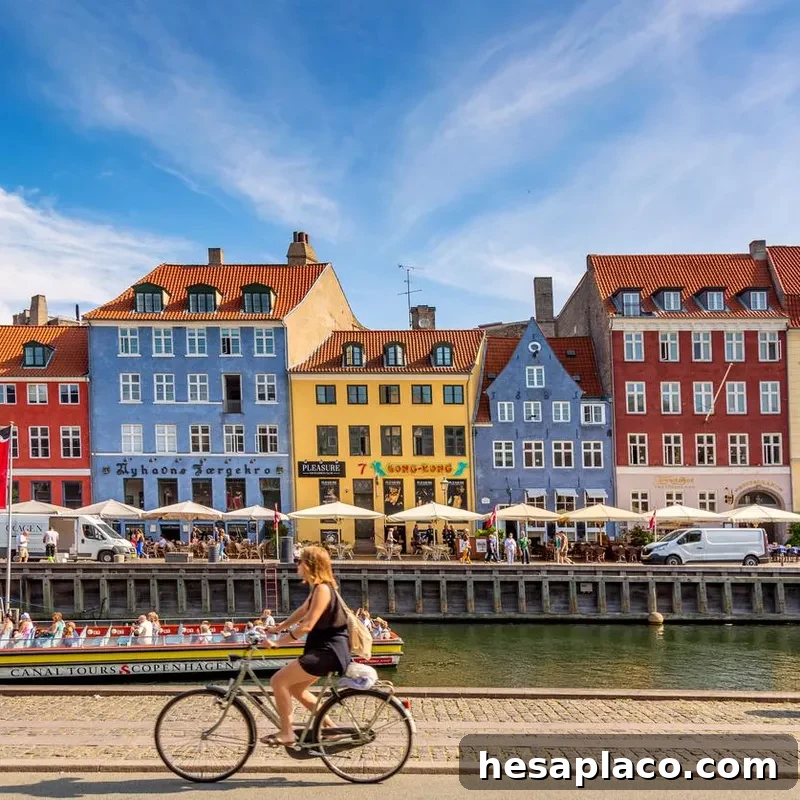
Bottom line: Copenhagen ranks as the best city for work-life balance, finishing 5.4 points ahead of Helsinki. The Danish capital is famous for its bike-friendly design, walkable neighborhoods and everyday focus on healthy, low-stress living. Many residents travel by bicycle or on foot, helping reduce traffic, lower pollution and encourage active routines.
The city also offers museums, famous landmarks, green spaces and a strong cafe culture that encourages people to slow down and enjoy their surroundings. Copenhagen’s unemployment rate is 2.4 percent, and the average workweek is 25.9 hours, giving residents more time for family, friends and personal interests.
Parents also benefit from 52 weeks of parental leave, making the city especially supportive for families. Denmark is rated number one on the Gender Inequality Index Rating, which points to a more equal environment and fewer gender-based barriers in the workplace.
With short working hours, strong family policies, low unemployment and a culture that values time outside the office, Copenhagen sets the standard for work-life balance among the world’s most livable cities.