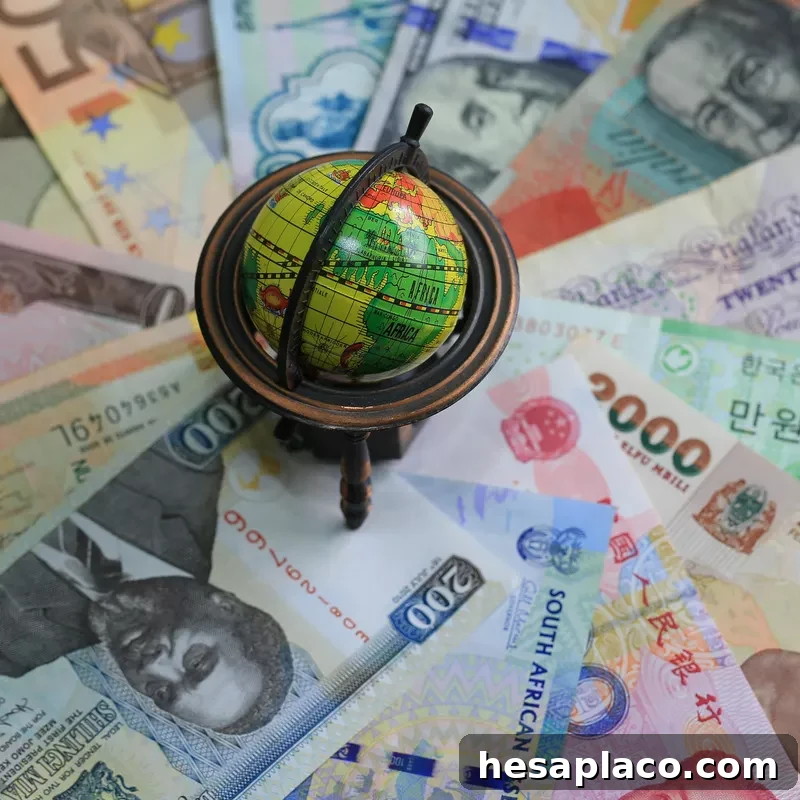
The value of currencies changes constantly, but some currencies remain strong year after year because of economic stability, natural resources, monetary policy, trade, and global confidence. The strongest currencies in the world are not always from the largest economies; in many cases, their value is supported by fixed exchange rates, energy exports, financial services, or long-standing investor trust.
Below are some of the most valuable currencies in the world, ranked by their value against the U.S. dollar.
16. New Zealand Dollar
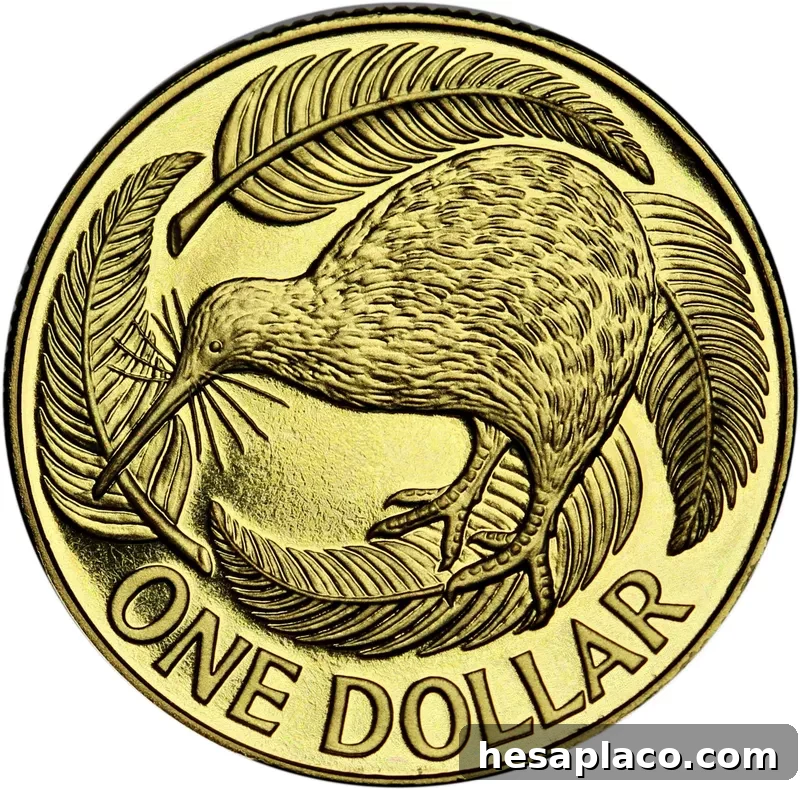
Wikipedia
Current value: $0.60 USD
Bottom line: The New Zealand dollar has experienced ups and downs in recent years, but it remains one of the more valuable currencies in the world. It is also relatively young, having been introduced in 1967.
New Zealand’s economy was affected during the pandemic, but it has recovered with support from tourism and education. The New Zealand dollar is often described as a “commodity currency” because the country exports important agricultural products.
Note: All currency rates come from Google Finance as of November 2023.
15. Australian Dollar
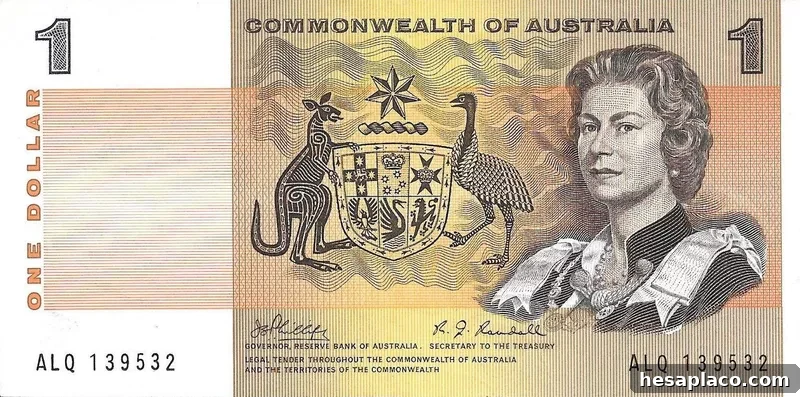
Wikipedia
Current value: $0.65 USD
Bottom line: The Australian dollar has also moved sharply at times, especially during and after the pandemic. Even so, it remains strong because of Australia’s natural resources, geology, and strategic location near Asia.
The currency can be volatile because it is closely linked to commodities. Australia also faces competition from China when investors are deciding where to move assets abroad.
14. Canadian Dollar
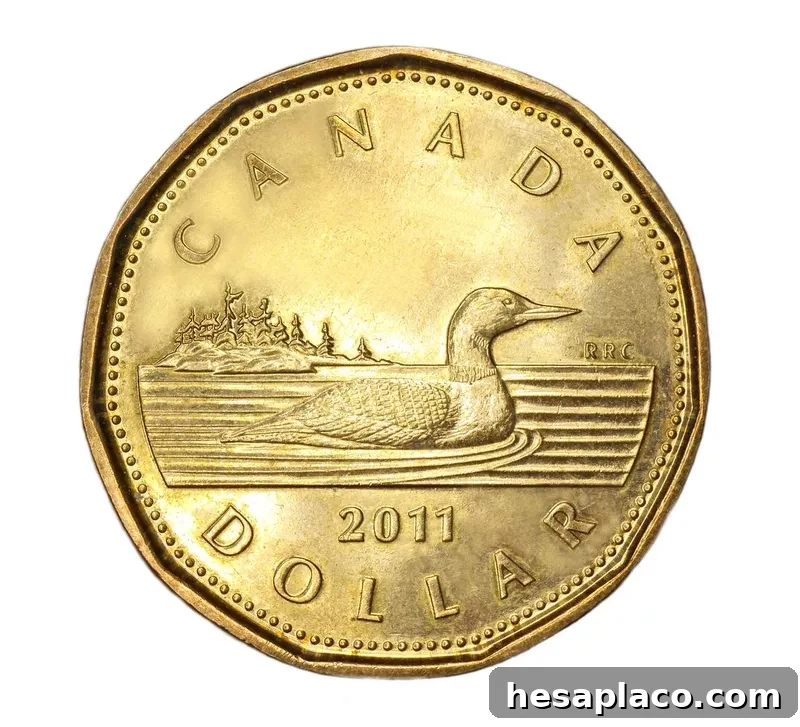
Getty Images
Current value: $0.73 USD
Bottom line: The Canadian dollar has long been considered a fairly strong currency, even though Canada’s economy ranks around 10th in the world overall.
Canada is also one of the largest export economies globally. It has abundant supplies of resources such as oil, gas, grain, and fertilizer, which continue to support the strength and importance of the Canadian dollar.
13. Singapore Dollar
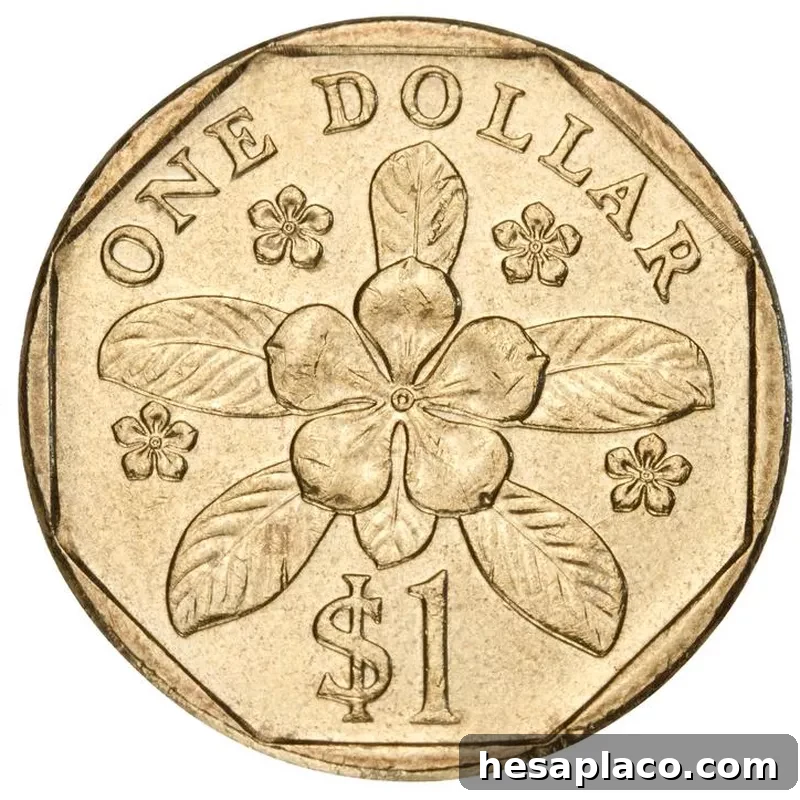
Getty Images
Current value: $0.74 USD
Bottom line: The Monetary Authority of Singapore issues the Singapore dollar and acts as both the country’s financial regulator and central bank.
The currency is supported by assets held by the Monetary Authority, including gold, silver, and other reserves. The authority also holds more than $270 billion USD in assets, helping make the Singapore dollar one of the most stable currencies in the world.
9. Bahamian Dollar (Tie)
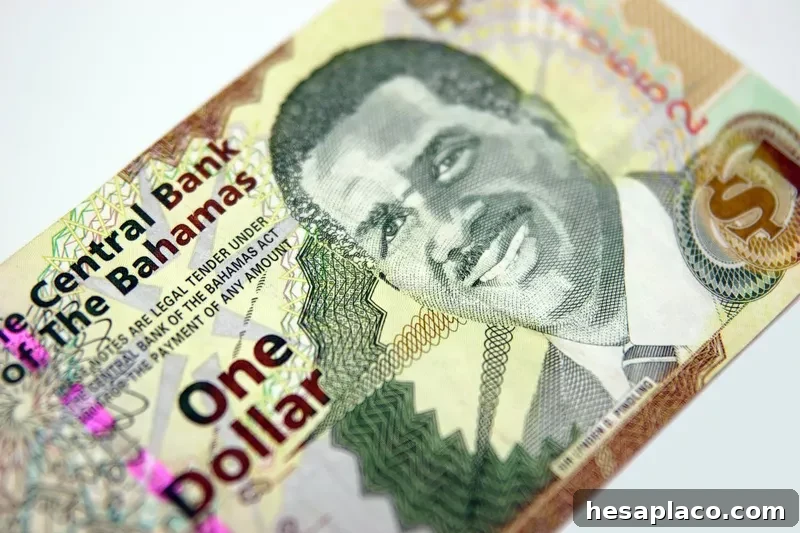
Getty Images
Current value: $1.00 USD
Bottom line: The Bahamian dollar is also used as the official currency of the Turks and Caicos Islands.
The currency was introduced in 1966. After the Bahamas became fully independent in 1973, it replaced the pound sterling. The Central Bank of the Bahamas has worked to keep the Bahamian dollar equal in value to the U.S. dollar, and that policy continues today. The country’s economy is supported by tourism, fishing, and trade.
9. Bermudian Dollar (Tie)
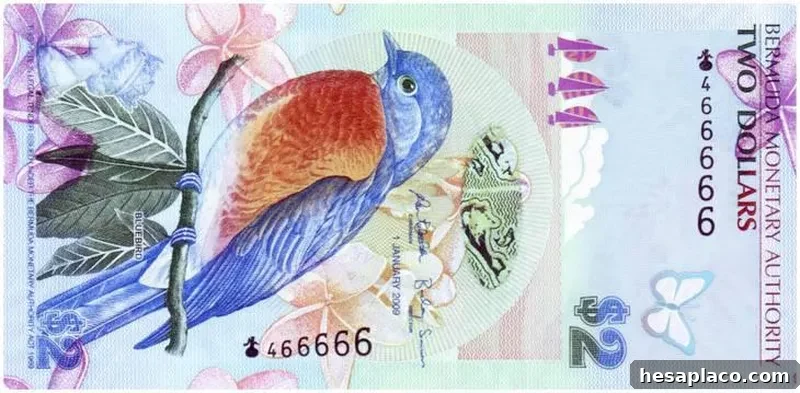
Current value: $1.00 USD
Bottom line: Bermuda introduced the Bermudian dollar in 1970, while the pound sterling remained in use until 1972. The Bermudian dollar was then fixed to the U.S. dollar.
Because of this, the U.S. dollar is accepted on the island at equal value. The Bermudian dollar is not exportable and is not traded internationally, meaning it cannot be freely bought or sold abroad.
Nearly 75 percent of Bermuda’s visitors, imports, commerce, and international business activity are connected to the United States.
9. Panamanian Balboa (Tie)
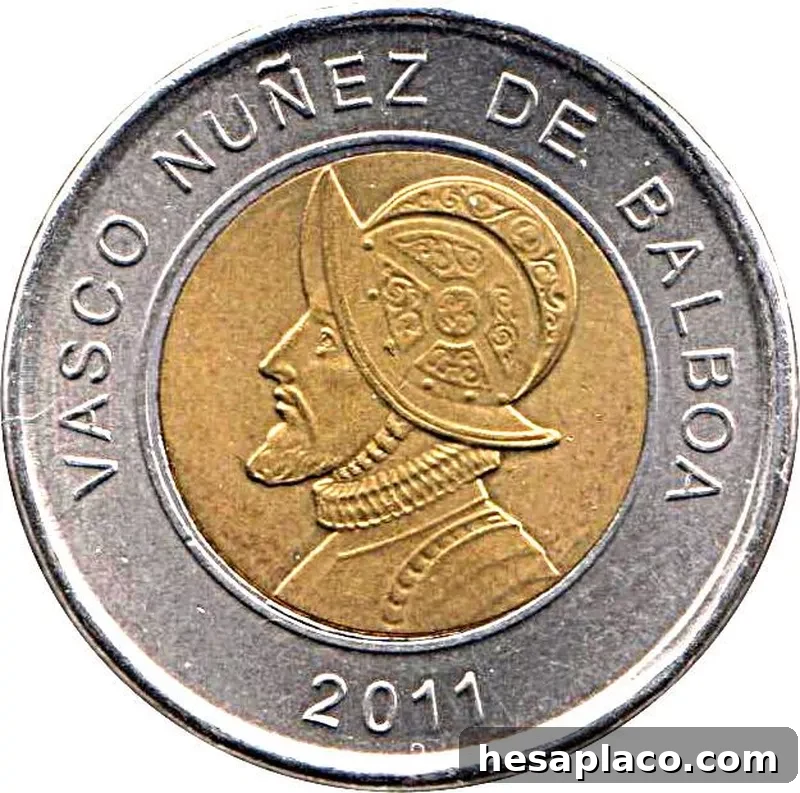
Foreign Currency and Coin
Current value: $1.00 USD
Bottom line: The Panamanian balboa was introduced in 1904 to replace the Colombian peso. It is fixed to the U.S. dollar, which is the primary legal tender in Panama.
Panama does not have its own central bank and does not issue paper currency of its own. The long-standing U.S. military and political presence in Panama, which began with the Panama Canal, has influenced the balboa’s strength and stability.
9. U.S. Dollar (Tie)
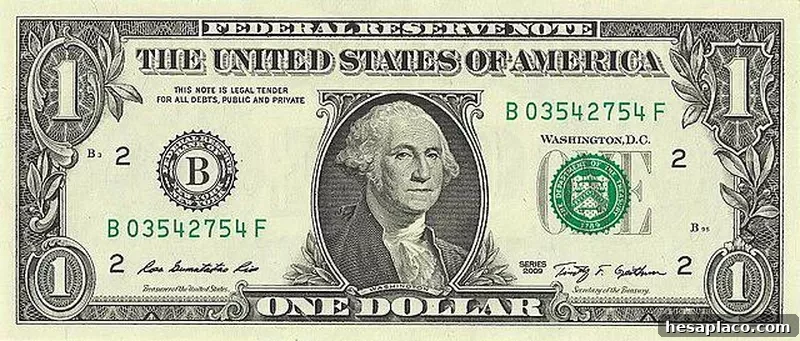
Wikipedia
Bottom line: The U.S. dollar is the global benchmark currency against which many other currencies are measured. It is also the most traded currency in the world.
The dollar is supported by the economic and geopolitical influence of the United States, and it has become even stronger over recent decades.
Sixty-five countries have fixed their currencies to the U.S. dollar, while 11 countries and territories use it as their official currency, including Ecuador, El Salvador, Zimbabwe, the British Virgin Islands, the Turks and Caicos Islands, Timor-Leste, Bonaire, Micronesia, Palau, the Marshall Islands, and Panama.
8. European Euro
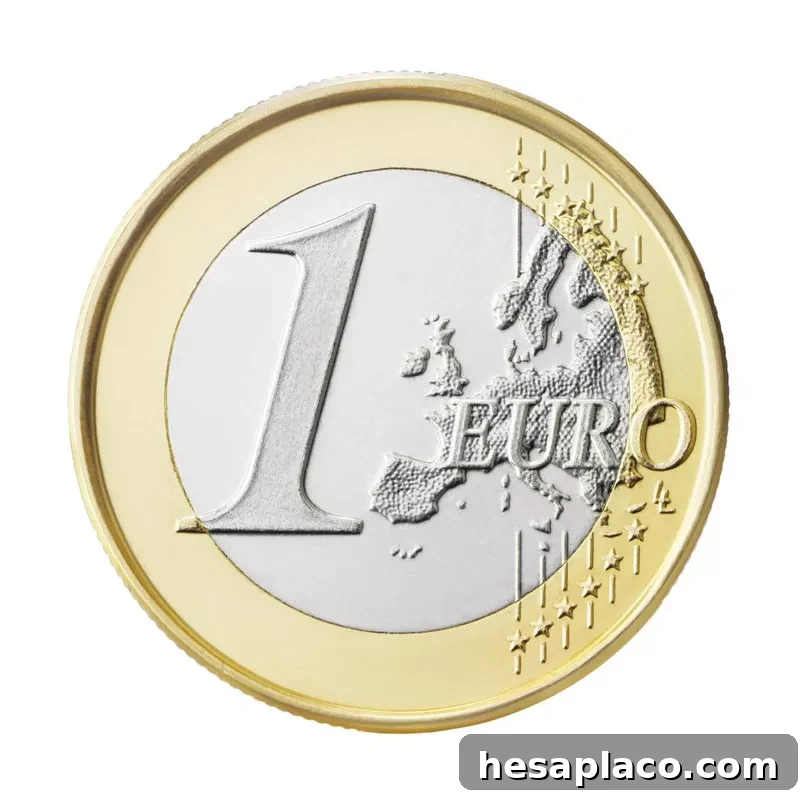
Getty Images
Current value: $1.07 USD
Bottom line: The euro is used by 19 European Union countries and more than 340 million EU citizens. It was introduced in 1999 and has usually been worth more than the U.S. dollar.
In recent months, however, the euro has weakened and briefly fell below $1.02 USD for the first time since 2002. While it remains a strong currency, its value has been affected by the war in Ukraine, uncertainty around Russian energy exports, and concerns about recession.
7. Swiss Franc
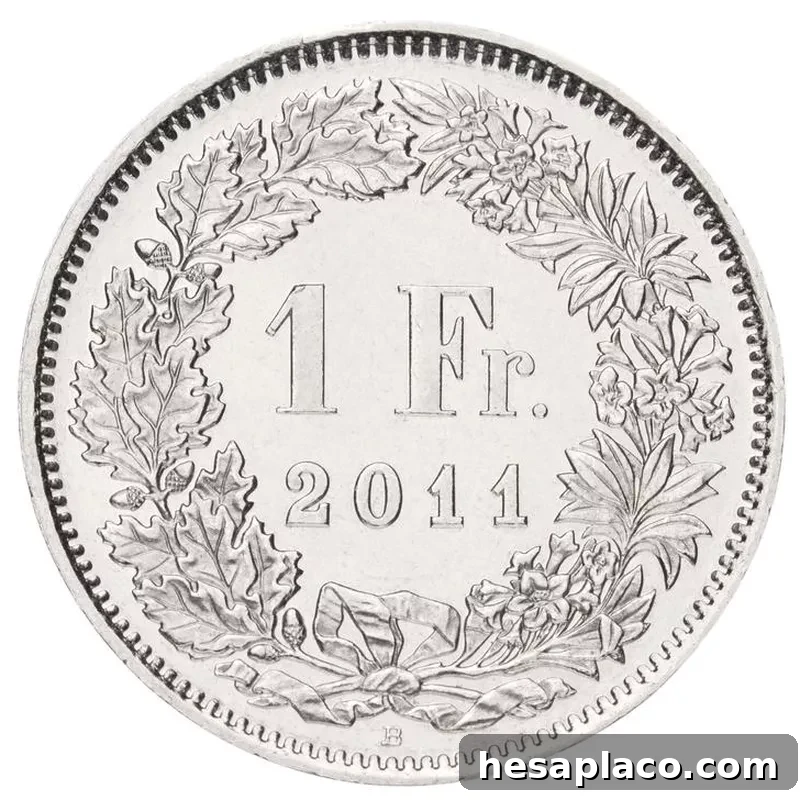
Getty Images
Current value: $1.11 USD
Bottom line: For decades, the Swiss franc has been viewed as one of the world’s safest and most stable currencies. Investors often turn to it during periods of uncertainty because it has a long record of holding its strength.
During the global recession of 2008, many investors moved money into Switzerland and bought the currency as a financial safe haven.
6. Cayman Islands Dollar
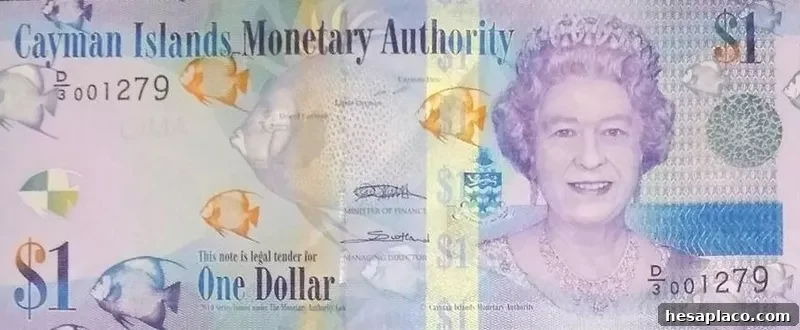
Current value: $1.20 USD
Bottom line: The Cayman Islands are well known as a location for offshore accounts. One reason is that the territory does not charge corporate or income tax on money earned outside its borders, making it attractive for financial activity.
The Cayman Islands also have a strong financial services sector and a high average income. These factors help keep the Cayman Islands dollar consistently among the world’s strongest currencies.
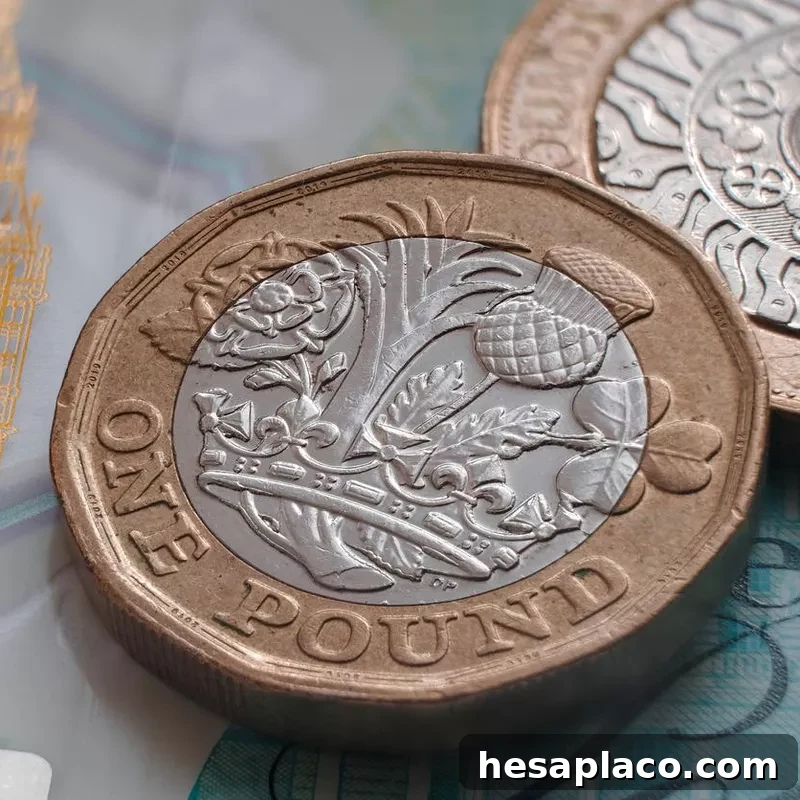
5. British Pound Sterling
Getty Images
Current value: $1.24 USD
Bottom line: The British pound sterling has long been one of the world’s strongest currencies. Its highest value was $2.86 in 1957.
Although the pound remains strong, it has fallen to its lowest level against the U.S. dollar in 37 years. Inflation has been a major factor, reaching 10.1 percent in July 2022. Food and energy prices increased after Covid and were further affected by the war in Ukraine.
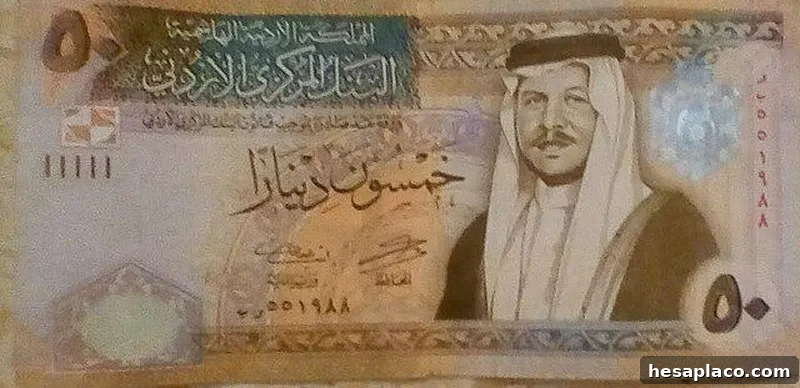
4. Jordanian Dinar
Wikipedia
Current value: $1.41 USD
Bottom line: Since 1995, Jordan has fixed the dinar to the U.S. dollar in order to create stability within its financial system.
Jordan is a middle-income country and is considered an emerging economy. Pegging the currency helps reduce large fluctuations, which can make the country more attractive to foreign investors.
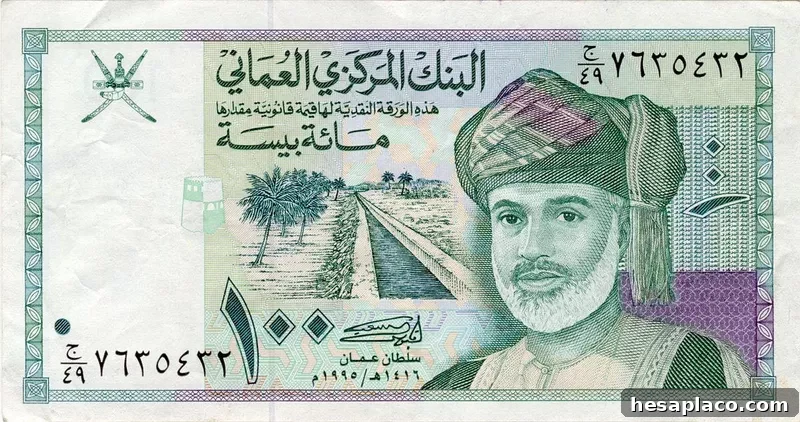
3. Omani Rial
Wikidata
Current value: $2.60 USD
Bottom line: The Omani rial is pegged to the U.S. dollar at a fixed exchange rate. Until 1985, 1 rial was worth about $2.895. In 1986, the rate changed to $2.6008, where it has remained.
This fixed exchange rate helps keep the currency stable. Oman’s economy is also strong and is centered around oil, fishing, and trade.
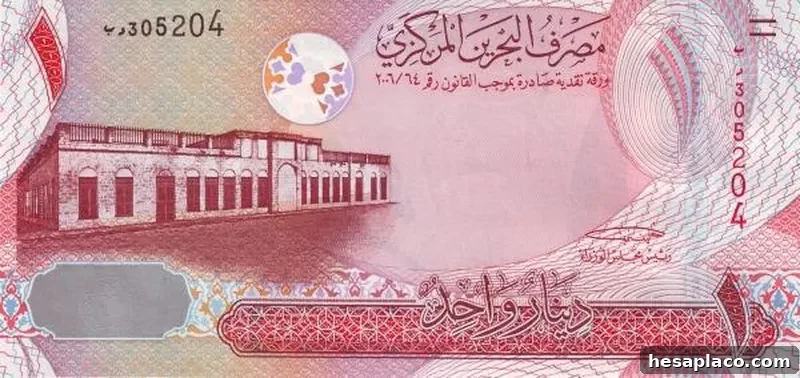
2. Bahraini Dinar
Wikipedia
Current value: $2.65 USD
Bottom line: The Bahraini dinar was introduced in 1965, replacing the Gulf rupee. It is pegged to the U.S. dollar at a fixed rate of $2.65, which limits major fluctuations.
Bahrain also has one of the stronger economies in the Middle East. The economy of this wealthy island nation is supported primarily by oil and gas, and the country is also an important financial services and banking hub for the region.
1. Kuwaiti Dinar
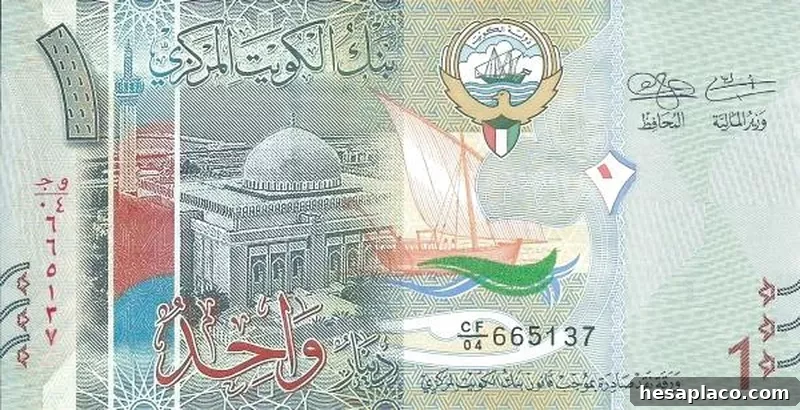
Wikipedia
Current value: $3.24 USD
Bottom line: In 2003, the Kuwaiti dinar was pegged to the U.S. dollar. In 2007, Kuwait’s currency board returned to an undisclosed currency basket, meaning the dinar is valued against several currencies with different weightings.
Kuwait is an oil-rich nation with about 104 billion barrels of reserves, representing around 10 percent of the world’s reserves. With a strong economy and a low unemployment rate, the Kuwaiti dinar remains the most valuable currency in the world.