
Certain words and phrases used during workplace arguments tend to escalate conflicts rather than resolve them. Some are obvious; others are less so. To identify which expressions to avoid, we consulted Rabbi Shlomo Slatkin, founder of Slatkin Communications in Baltimore, whose firm helps organizations navigate workplace and communication challenges.
Words alone do not create the whole effect. Say any of the phrases below with an angry tone or aggressive body language and you won’t just lose the argument—you’ll also damage your likability. Research by Albert Mehrabian, summarized by The Nonverbal Group, shows that only about 7 percent of communication is conveyed by the words themselves, while 38 percent comes from vocal cues like tone and 55 percent from body language.
For that reason, it’s hard to deliver any of the following 15 phrases in a calm, composed way without inflaming the situation.
Phrase No. 1
Variations such as “Cool your jets,” “Give it a rest,” or “Simmer down” all carry the same meaning and sound patronizing. They imply the other person’s feelings aren’t valid, which typically provokes them further. When emotions are already high, such phrases only intensify the conflict.
Phrase No. 2

Calling someone “crazy” or implying they’re mentally ill is a deeply personal attack that’s almost impossible to take back. Even if used jokingly in other contexts, in the workplace it will inflame your counterpart and derail any chance of productive discussion.
Phrase No. 3

Statements like “You always do that” or “You never…” are sweeping generalizations and often inaccurate. Exaggerations make people feel judged and condemned, which increases defensiveness and hostility. Avoid absolutes in any heated conversation.
Phrase No. 4
Said with an accusatory emphasis, “Excuse me?” signals confrontation rather than a request for clarification. The tone and delivery can make a brief phrase feel like a challenge and escalate tension.
Phrase No. 5
Negative, judgmental comments such as “My job stinks” or public denigration of your workplace can reflect poorly on you. Even if you don’t say these things in front of managers, a colleague might repeat them to someone in authority, harming your reputation and career prospects.
Phrase No. 6
Asking someone to “prove me wrong” or saying “that will never work” invites a contest rather than a conversation. Dismissing possibilities with “never” shuts down creativity and collaboration—historically, many useful ideas came from those who refused to accept “never” as an answer.
Phrase No. 7
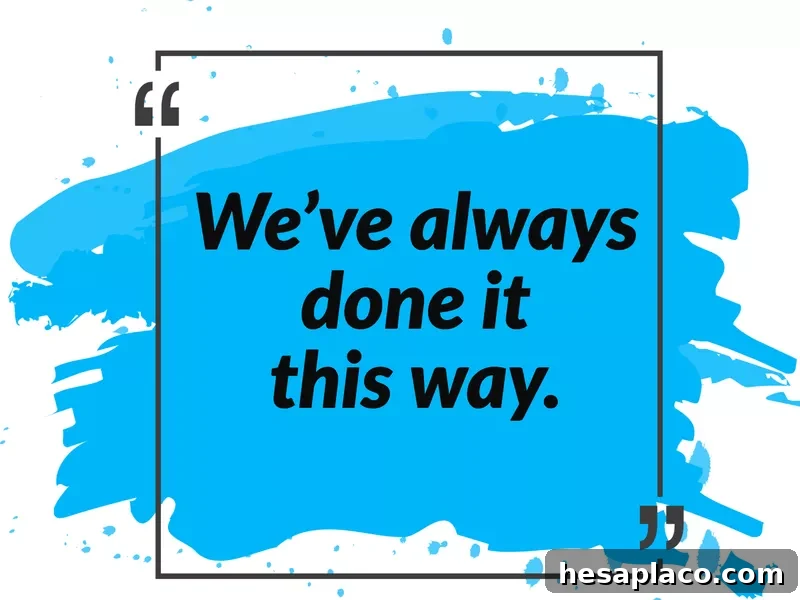
“We’ve always done it this way” signals resistance to change and can make you appear uninterested in improvement. Even if a current method has worked in the past, clinging to tradition can block growth and mark you as inflexible.
Phrase No. 8

Phrases that instruct someone how to behave—“You should do this” or “You need to”—come across as controlling. They assume the other person is incapable of making the right choice and can provoke resentment instead of cooperation.
Phrase No. 9
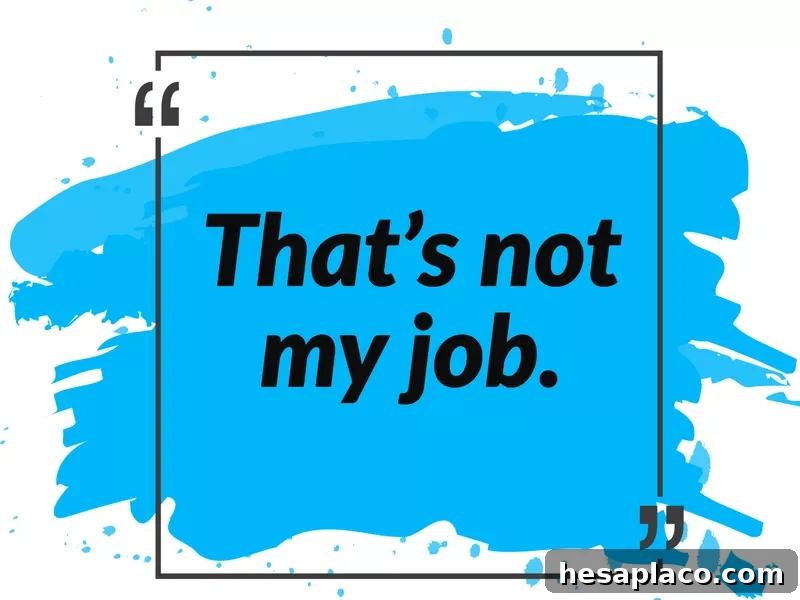
Replying to a request with “That’s not in my job description” brands you as unwilling to be a team player. In tense moments, such a response immediately places you on the defensive and damages collaboration.
Phrase No. 10
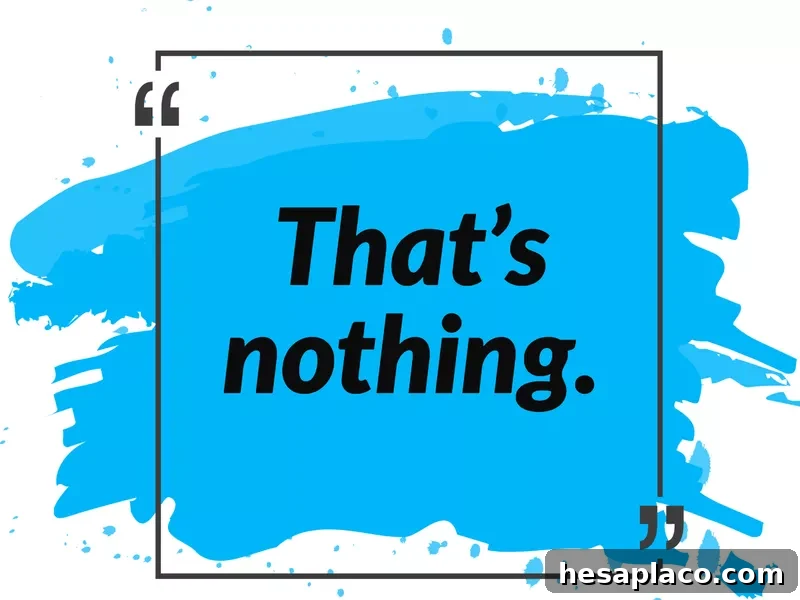
Two-word dismissals like “Whatever” invalidate the other person’s viewpoint and imply indifference. They close down meaningful dialogue and increase frustration rather than resolving anything.
Phrase No. 11

Terms of endearment such as “honey” used instead of someone’s name can sound condescending in a professional setting. Even if intended kindly, this can raise tensions and undermine respect.
Phrase No. 12

Saying “I know how you feel” or otherwise commiserating can signal you’re not truly listening. Since you cannot fully know another person’s experience, this phrasing can unintentionally minimize their feelings and shut down honest exchange.
Phrase No. 13
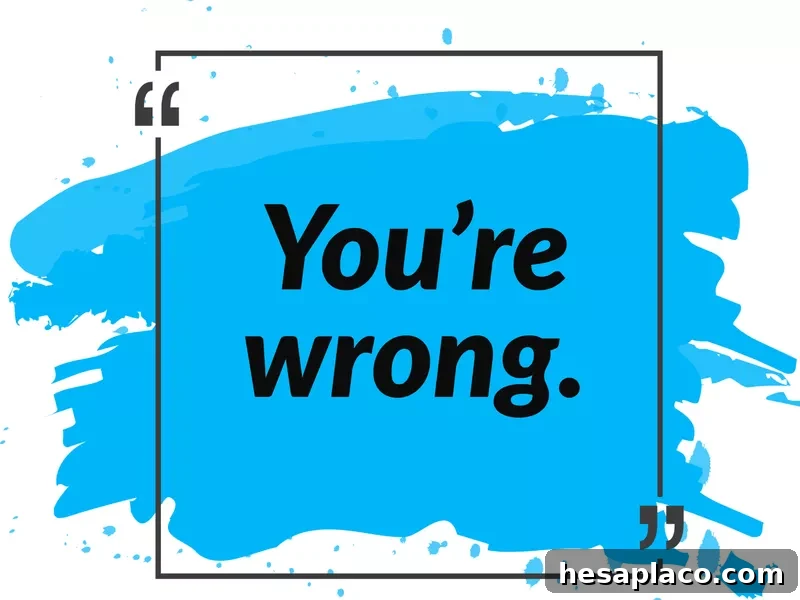
Shaming language or comments that nullify someone’s perspective force them onto the defensive. When people feel attacked or humiliated, they’re far less likely to hear your position or consider compromise.
Phrase No. 14
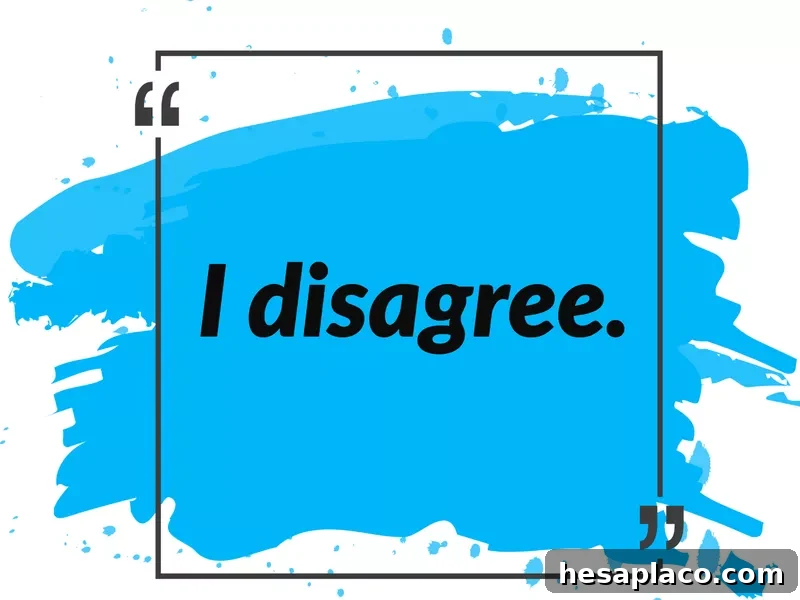
Saying “You’re wrong” outright often negates the other person’s ideas. While everyone is entitled to their opinion, contradicting someone aggressively instead of calmly sharing your own view usually undermines productive dialogue.
Phrase No. 15
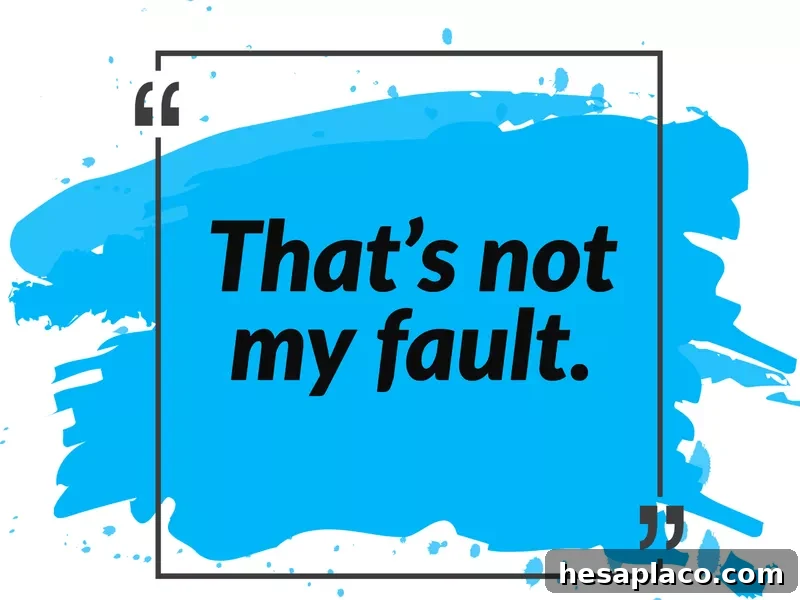
Words that begin with “but”—for example, “That may be true, but…”—often come across as defensive and dismissive. Using “but” as an excuse or to protect yourself weakens your argument and harms the conversation’s tone.
Being mindful of the language you use and pairing it with respectful tone and open body language can prevent unnecessary escalation and help resolve conflicts more effectively in the workplace.