
Everyone likes saving money, but not all shortcuts are wise. What looks like a clever bargain can quickly become an expensive mistake when quality, safety, or long-term value are sacrificed. The following examples show how well-intentioned thriftiness sometimes leads to higher costs, stress, or lost possessions. They underline a simple truth: spending a little more up front on the right product or service often avoids much larger bills later.
Suit Disaster in the Washing Machine
Credit: Canva
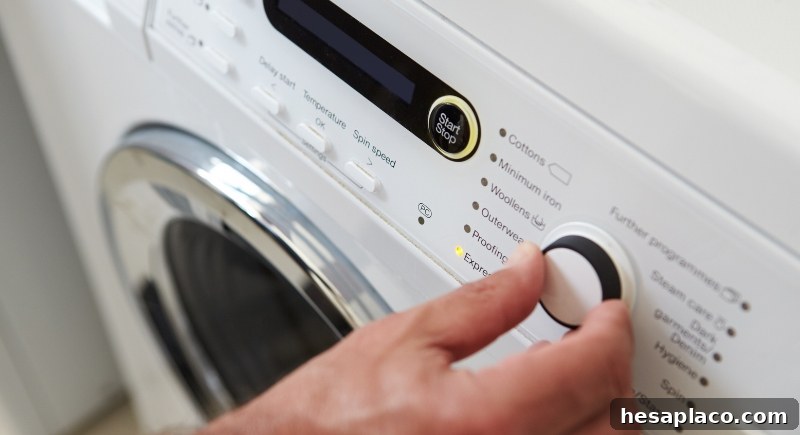
Choosing to wash a wool suit at home to avoid dry-cleaning charges can be a costly mistake. Wool and structured tailoring don’t respond well to typical machine cycles: jackets can lose shape and suit fabrics can shrink or twist, leaving only part of the outfit wearable. When a suit is damaged beyond repair, replacement costs usually far exceed a few dry-cleaning visits. Proper garment care is an investment in keeping tailored clothing wearable for years.
Cheap Tires, Pricier Consequences
Credit: Canva
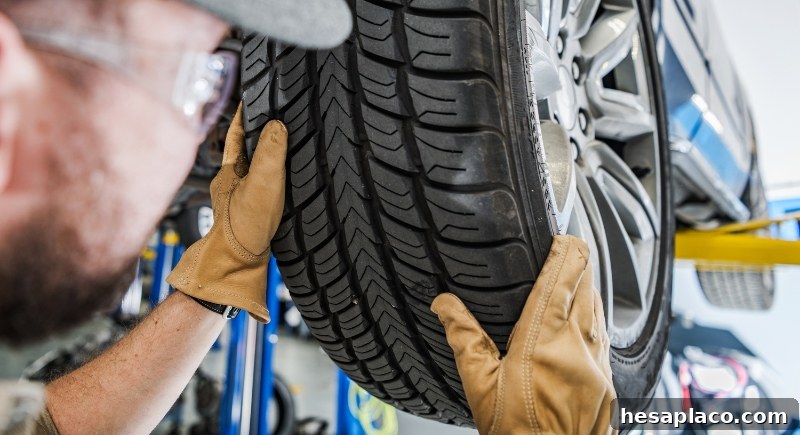
Used or low-cost tires can seem like a bargain until their age and wear reduce traction when it matters most. Rubber deteriorates over time, and grip is critical for safety on wet or icy roads. One account of buying used winter tires ended in an accident that totaled the car and caused missed work. In transportation, cutting corners on essential safety components often turns a small saving into a large financial and personal cost.
Discount Soil Wrecked a Garden
Credit: Getty Images
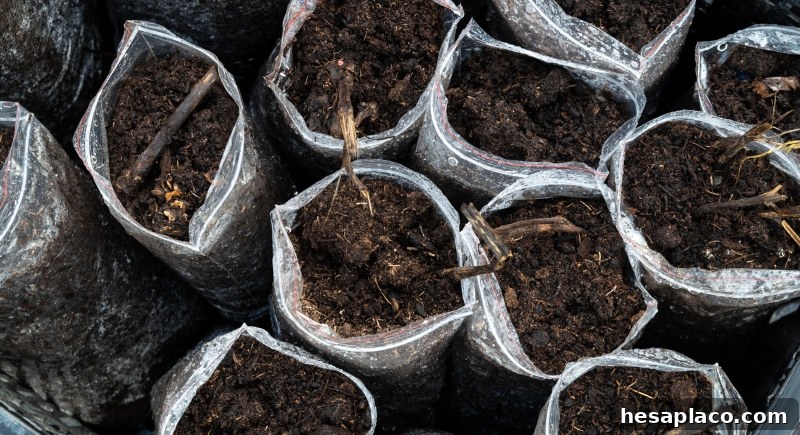
Cheap bulk soil can hide pests or weed seeds that devastate established plants. One gardener saved on bargain bags only to introduce vine weevils that attacked the roots of mature bay and olive trees. Within weeks, long-cared-for plants were dead. Paying more for clean, certified soil is often a form of insurance for existing landscaping; the upfront cost can prevent losing valuable plants and paying to replace them later.
Budget Glasses with Hidden Costs

Credit: Canva
Cheap eyewear can look attractive at checkout, but low-quality frames and lenses scratch and wear out quickly. One buyer who purchased inexpensive glasses found replacements were needed frequently; each new lens set added $100–$200 in costs and soon exceeded the price of a more durable pair. Spending a bit more on quality initially often saves money and frustration over time.
Dog-Sitting Disaster

Credit: Canva
Hiring the cheapest pet sitter can put your animal’s health at risk. One pet returned from a bargain sitter with an eye infection and an injured ear, leading to repeated vet visits, medication, and stress. With appointments costing $50 to $250 or more, the initial savings evaporated quickly. For pet owners, experience and reliable references matter and typically save money and heartache in the long run.
CPA That Cost More Than He Saved

Credit: Getty Images
Paying a trusted family accountant seemed sensible, but errors meant the $300 fee didn’t deliver value. For many simple individual returns, affordable online tax software often handles standard deductions accurately for under $20. Unless your taxes are complex, paying a premium for professional assistance doesn’t always increase your refund and can sometimes cost more than necessary.
Knock-Off Car Sensors That Failed
Credit: Getty Images
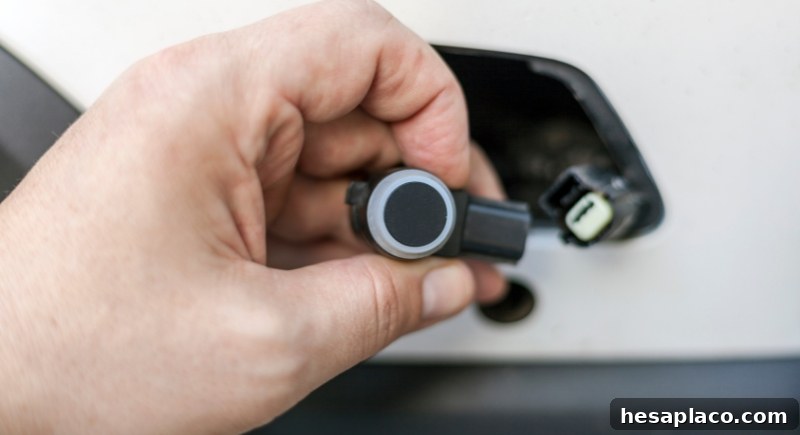
Generic auto parts can be tempting to save money, but compatibility and durability matter. One driver who installed knock-off oxygen sensors found the check engine light wouldn’t clear and emissions tests failed repeatedly. After multiple mechanic visits, only an original equipment part fixed the issue. Low-cost parts can create ongoing repair cycles that outweigh the initial price difference.
Frozen Pipes from Skipping Heat
Credit: Getty Images
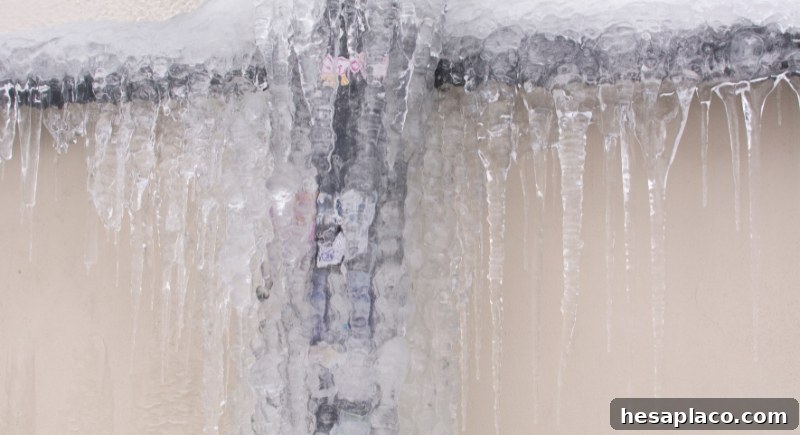
Turning the heat down too low to save on energy bills can lead to frozen and burst pipes. Water damage from burst pipes can run into the thousands; insurance data commonly reports average repair costs in the several-thousand-dollar range. Sacrificing moderate heating to shave a small amount off a monthly bill can quickly become one of the most expensive household mistakes.
Thrifted Sweater Turned Pest Nightmare
Credit: Canva
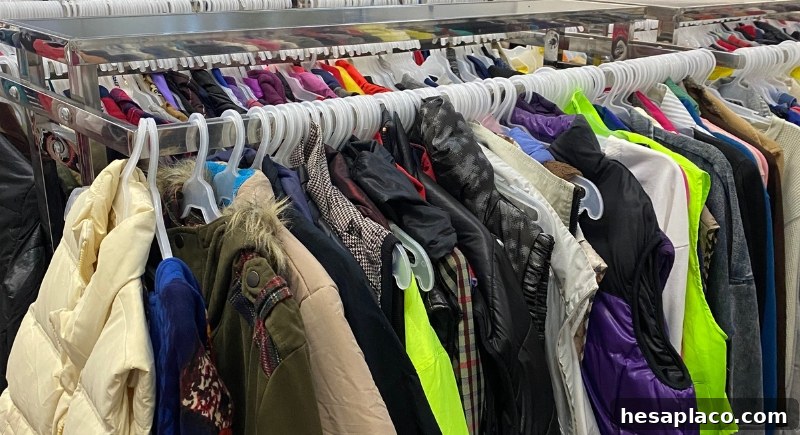
Secondhand wool and cashmere items can hide moth eggs or larvae. One thrifted cashmere sweater introduced pests that quickly spread, leaving multiple garments full of holes. A simple preventive step—freezing newly acquired woolens in airtight bags for several days—can kill eggs and spare the rest of a closet. When buying vintage or used textiles, take precautions to avoid costly damage to a wider wardrobe.
DIY Cleaning That Stripped Floors

Credit: Getty Images
Homemade cleaning solutions can be effective but risky for specialized surfaces. A bleach-based grout cleaner temporarily brightened tile but also stripped the protective sealant, leaving flooring dull and vulnerable. Resealing and professional restoration can cost several times more than a proper cleaning. When a finish or seal is involved, professional products or services are often worth the investment.
Cheap Desk, Costly Vet Bill
Credit: Getty Images
Inexpensive furniture can fail under unexpected loads. One discount desk collapsed when a cat jumped on it, injuring the pet and necessitating emergency veterinary care. Even basic exams can top $100, and treatment costs add up quickly. Buying sturdy furniture designed to handle daily use often prevents accidents and the unforeseen expenses that follow.
DIY Phone Repair Gone Wrong
Credit: pixabay
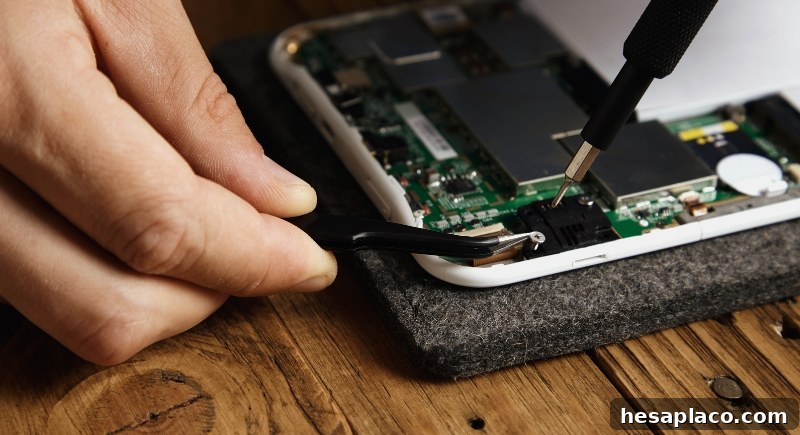
Trying to replace a smartphone component without the right part or expertise can be damaging. One attempted camera repair used the wrong component and accidentally damaged the battery, resulting in a full device replacement. For delicate electronics, professional repair or verified parts save time and often money compared with trial-and-error fixes.
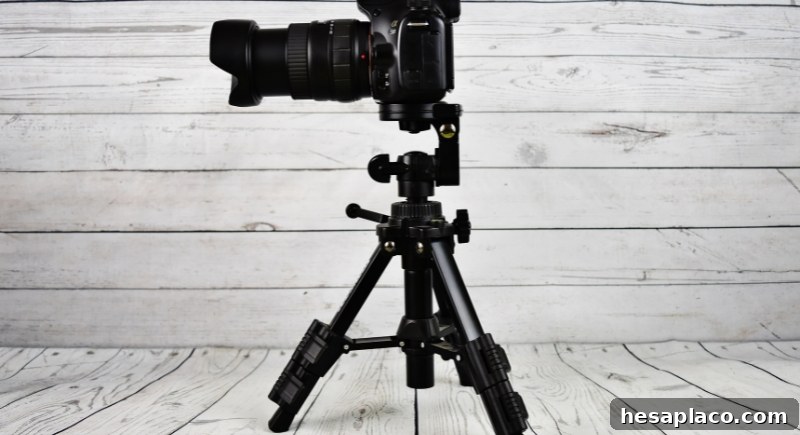
Bargain Tripod That Broke the Camera
Credit: pixabay
A flimsy tripod can lead to catastrophic equipment loss. One low-cost stand buckled, dropping a DSLR and lens and causing repair or replacement costs that greatly exceeded the price of a quality tripod. Photography gear is expensive; investing in reliable support equipment protects expensive lenses and bodies from preventable damage.
Healthcare Delays with Bigger Bills

Credit: Getty Images
Skipping preventive or early medical care to save on copays can have serious consequences. One person delayed treatment for back pain, which led to recurring injuries, long-term therapy, and eventually surgery. In many places, surgeries and extended treatments can cost tens of thousands of dollars without insurance. Preventive care and early intervention are often more affordable and less disruptive than waiting until a problem becomes severe.
Discount Lawyer, Expensive Case

Credit: pixelshot
Hiring a low-cost attorney to save money can backfire if the lawyer lacks the time or skill a case requires. One client who chose a bargain lawyer ended up paying more through delays, additional filings, and extended consultations. Legal matters often benefit from experienced representation; investing in competent counsel initially can resolve issues faster and reduce total costs and stress.
These stories aren’t meant to discourage thrift—thoughtful saving is smart—but they do show when frugality becomes false economy. Evaluate purchases for safety, durability, and long-term value. For items that affect health, safety, or expensive belongings, spending a bit more on quality, expertise, or reliable parts usually protects your wallet and peace of mind in the long run.