
Online money advice floods social media, but much of it is misleading or self-serving. Influencers often simplify complex financial topics into catchy slogans and shortcuts that sound persuasive at first glance. On closer inspection, these quick fixes usually serve a creator’s brand or revenue stream rather than your long-term financial wellbeing.
Below are common viral claims that spread because they’re attention-grabbing—not because they’re accurate. Understanding what’s misleading can help you make better decisions with your money.
“You Can Just Copy What I Did”

Credit: Getty Images
Creators often present their personal story as a repeatable blueprint. While their results are real for them, they depend on unique timing, skills, networks, and circumstances. What worked for one person may fail for another when variables change. Treat personal success stories as one data point—not a guaranteed path to replicate.
“Skipping Your Pension Will Make You Richer”

Credit: Getty Images
Telling people to opt out of workplace pensions to free up cash often sacrifices long-term gains. Employer matches, tax incentives, and compound interest over decades are difficult to replace once forgone. Before changing pension contributions, review the rules, run realistic projections, and compare long-term outcomes—not just short-term possibilities.
“This One Product Will Fix Everything”

Credit: Getty Images
When a single financial product is marketed as the universal solution—for emergencies, retirement, and education—it’s usually a sales pitch. Complex financial needs rarely align with one tool. Consider alternatives, compare fees and features, and choose products that match your specific goals rather than persuasive marketing claims.
“You’ll Make Thousands in Just a Month”

Credit: Getty Images
Sensational claims—like “make $10k in 30 days”—rely on attention, not typical outcomes. Most people who improve their finances do so steadily over months and years, not weeks. These rapid-income promises push risky or unsustainable tactics and create unrealistic expectations that can backfire.
“You’re Broke Because You Think Wrong”

Credit: Canva
Blaming financial hardship solely on mindset overlooks systemic and practical factors like wages, housing costs, debt, and emergencies. While attitudes and habits matter, many people face structural barriers that no amount of “positive thinking” can erase. Treat mindset advice as one element, not the whole explanation.
“You Don’t Need Qualifications to Give Financial Advice”

Credit: pexels
Licensed financial professionals follow certifications, regulatory standards, and accountability measures. Many influencers do not. While creators can offer helpful perspectives, popularity is not the same as expertise. Be cautious when accepting advice from charismatic personalities without credentials or clear disclosures.
“My Course Has All the Secrets You Need”

Credit: Getty Images
Many online courses promise life-changing results—scale your business, build passive income, retire early—yet deliver recycled tips, vague strategies, or motivational fluff. Evaluate course content, check reviews and outcomes, and consider whether the instructor has verifiable experience teaching practical, measurable methods rather than just selling inspiration.
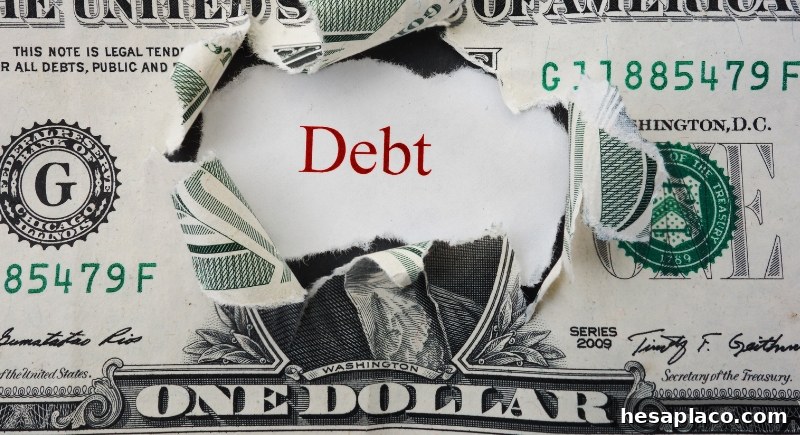
“All Debt Is Bad Debt”
Credit: Getty Images
Not all debt is equal. High-interest consumer debt can cripple finances and should be prioritized, but productive debt—like a mortgage or business loan—can facilitate wealth building if managed carefully. A balanced strategy often involves paying down expensive debt while maintaining emergency savings and continuing to invest for the future.
“Passive Income Is Quick and Effortless”

Credit: Getty Images
True passive income usually requires significant upfront effort, expertise, or capital. Whether it’s rental properties, digital products, or investments, most passive streams demand ongoing attention and maintenance. Beware of portrayals that gloss over months or years of work needed to create sustainable earnings.
“You Should Just Start Investing Immediately”

Credit: Getty Images
While investing early can be advantageous, blanket advice to “just start” ignores personal readiness—emergency savings, debt levels, risk tolerance, and investment knowledge all matter. Also keep in mind that some creators earn through referral links, so their recommendation may carry a financial incentive. Learn the basics and align investing with your broader financial plan.
“Personal Branding Is the Key to Wealth”

Credit: Getty Images
Building a strong personal brand can open opportunities, but it takes strategy, consistency, and emotional bandwidth. Those who tout branding as a universal shortcut often already have influence and the infrastructure to monetize it. For most people, focusing on skill development, networks, and a clear business model is a more reliable path than chasing visibility alone.
“Financial Advisors Are Outdated and Unnecessary”

Credit: Getty Images
Qualified financial advisors provide tailored guidance based on income, goals, tax situations, and risk tolerance. They are accountable under professional standards. While not everyone needs an advisor, dismissing their value entirely overlooks the benefits of personalized planning and oversight—especially for complex situations.
“Budgeting Fails Because You’re Not Disciplined”

Credit: Canva
When budgets break down, the problem is often inflexible rules, irregular income, or unexpected costs—not moral failure. Effective budgeting adapts to life’s realities, builds buffers for surprises, and focuses on sustainable habits rather than guilt. Beware of advice that blames individuals to sell rigid systems, planners, or apps.
“Disclaimers Aren’t Needed If I’m Just Sharing”

Credit: Getty Images
Disclaimers clarify when advice is general, unverified, or tied to financial incentives. Without them, viewers may assume the creator is speaking from professional expertise. Transparent disclosures help audiences judge the relevance and risk of advice—so the absence of disclaimers is a red flag when money is involved.
“Multiple Income Streams Guarantee Security”

Credit: Getty Images
Having multiple income sources can diversify risk, but not all side hustles contribute meaningful stability. Spreading effort across many low-paying gigs can exhaust time and energy without producing financial resilience. Prioritize a few scalable, reliable income streams first, then diversify once they’re established.
In short, viral financial advice often prioritizes virality and monetization over accuracy and nuance. When evaluating money content, look for clear disclosures, evidence-based recommendations, and context about trade-offs. Combining practical planning with reliable professional guidance will usually lead to better outcomes than chasing trends.