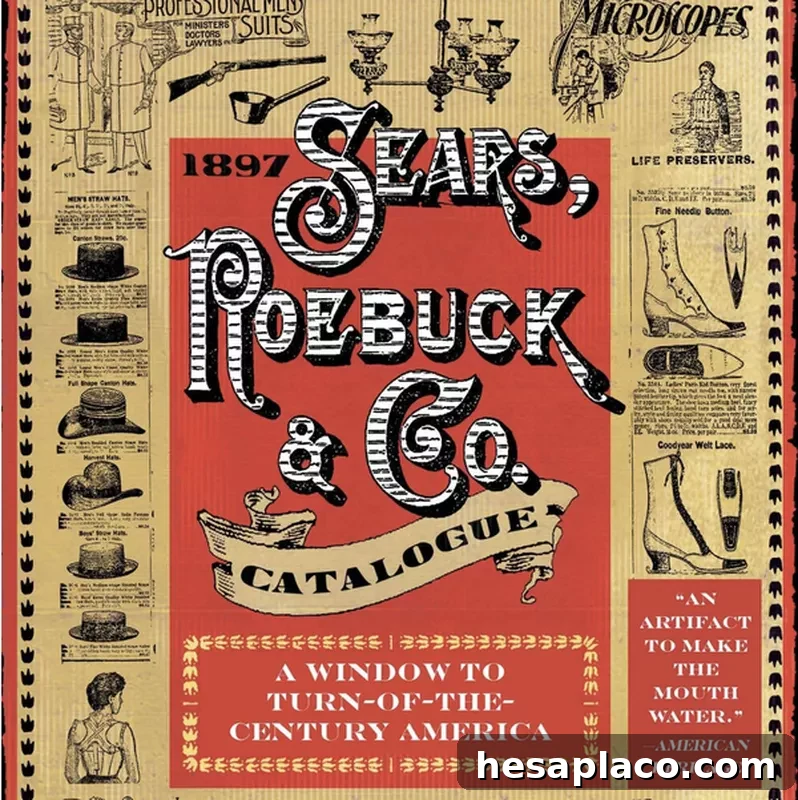
A century ago, before Sears became a chain of tired storefronts, it was an American commercial powerhouse. From 1886 until the mid-1920s Sears operated primarily as a mail-order business, offering an astonishing range of products that would rival today’s e-commerce giants. Customers could furnish an entire house, buy a prefabricated home kit, order groceries, and even purchase peculiar patent medicines—all from one thick illustrated catalog. Below are some of the most remarkable items Sears sold about 120 years ago.
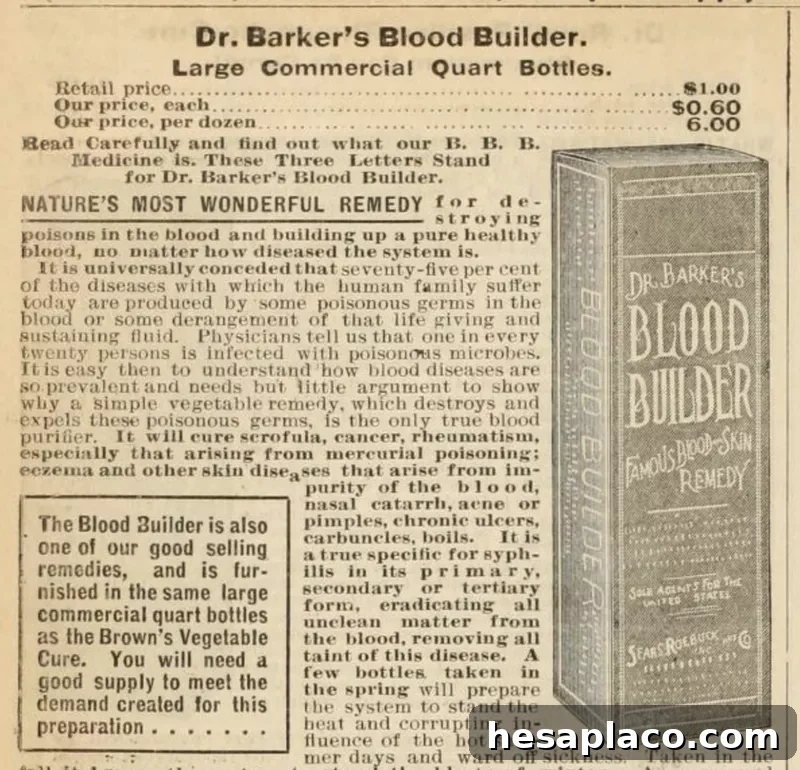
Dr. Barker’s Blood Builder
Sears, Roebuck and Company
Early 20th-century advertising often promised miraculous cures without modern regulation. Dr. Barker’s Blood Builder, sold by the dozen for $6, claimed to cure scrofula, cancer, rheumatism, acne, ulcers and boils, and to improve the complexion while strengthening the body against heat and cold. Its promotional copy emphasized a “vegetable” composition, presenting it as a harmless, all-natural restorative—a typical example of period nostrum marketing.
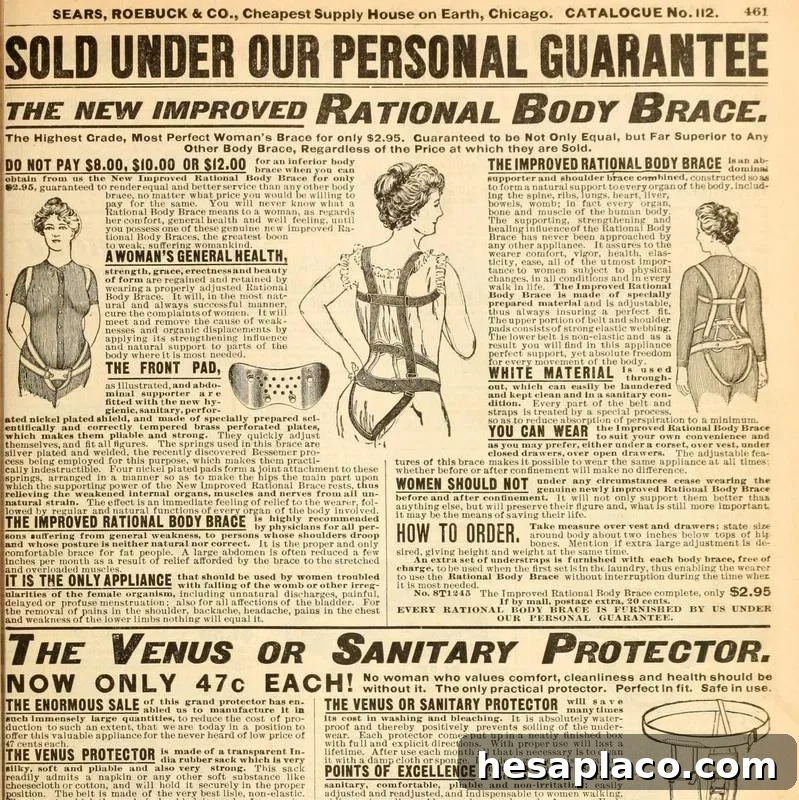
The Rational Body Brace
Sears, Roebuck and Company
Marketed to women as a corrective device, the “Rational Body Brace” was a spring-loaded contraption of metal plates, belts and straps intended to force an upright posture and relieve “unnatural strain” on internal organs. Catalog copy urged women to wear the brace before and after childbirth, promising better health for only $2.95. Today such devices would be subject to medical testing and safety standards, but at the time they were sold based on persuasive copy and social expectations about female posture.
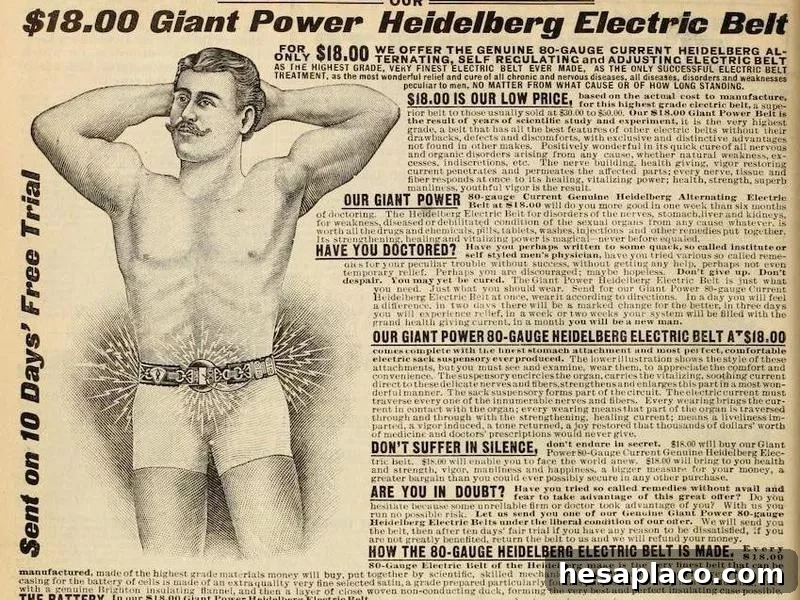
Heidelberg Electric Belt
Sears, Roebuck and Company
For $18 customers could buy the Giant Power Heidelberg Electric Belt, an 80-gauge belt with five electrodes that purported to cure “nervous and organic disorders” and erectile dysfunction by delivering a “healing current” to the groin. Its ad described dramatic physiological effects: increased circulation, revived nerves, and a restoration of youthful vigor. These electric therapy devices were fashionable at the time and reflect the era’s fascination with electricity as a panacea.
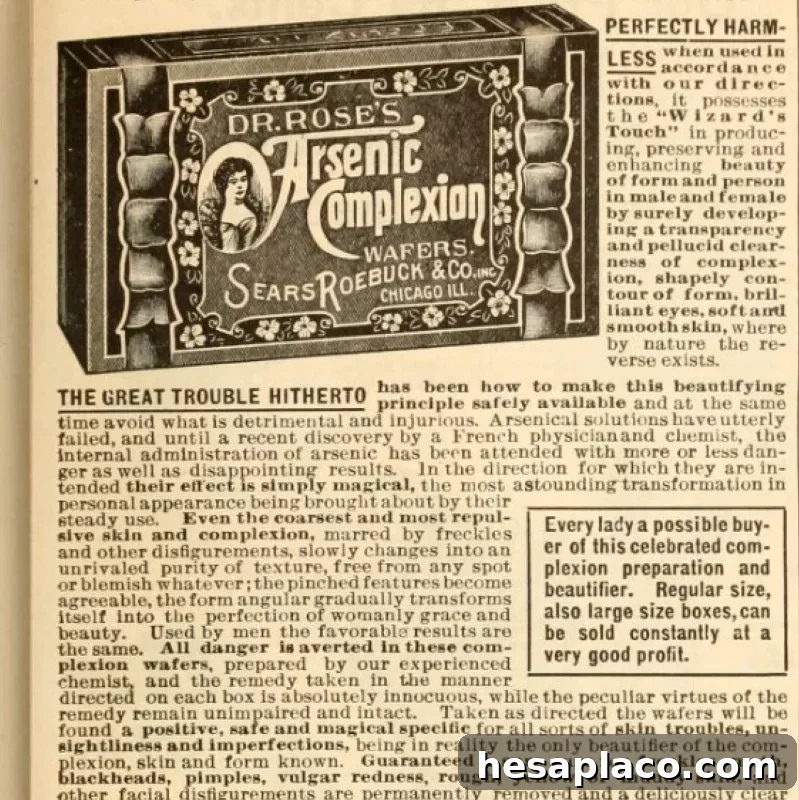
Arsenic Complexion Wafers
Sears, Roebuck and Company
Dr. Rose’s Arsenic Complexion Wafers, sold for 35 cents a box, promised to clear blemishes and lighten skin while being “safe” and “perfectly harmless.” These ingestible wafers produced paler, translucent complexions—a beauty trend in Victorian and Edwardian eras—but they contained arsenic, a toxic substance. Although advertised as cosmetic remedies, arsenic-based products were dangerous and sometimes lethal. The persistence of hazardous skin-bleaching ingredients in some regions highlights how beauty practices can have lasting public-health consequences.
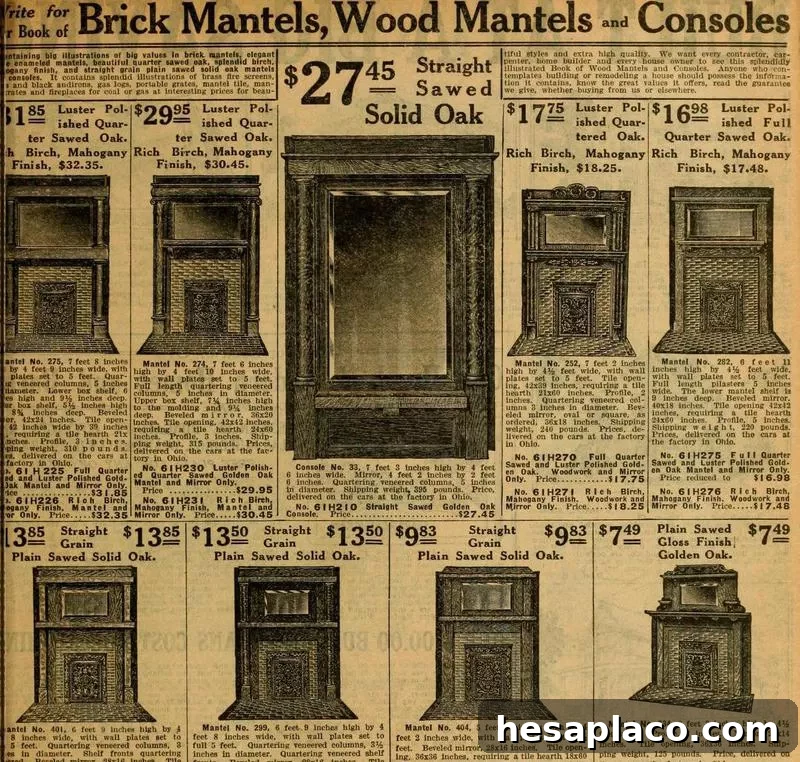
Fireplace Mantles
Sears, Roebuck and Company
Sears sold full fireplace mantles—real, solid wood mantels with mirrors that could measure over seven feet tall and weigh more than 315 pounds. Priced from roughly $7.49 to $32.35, these elaborate architectural pieces needed only brickwork on-site. Today, a comparable solid mahogany mantel would cost significantly more and require professional installation, but the catalog made grand home finishes accessible to mail-order customers at modest prices.
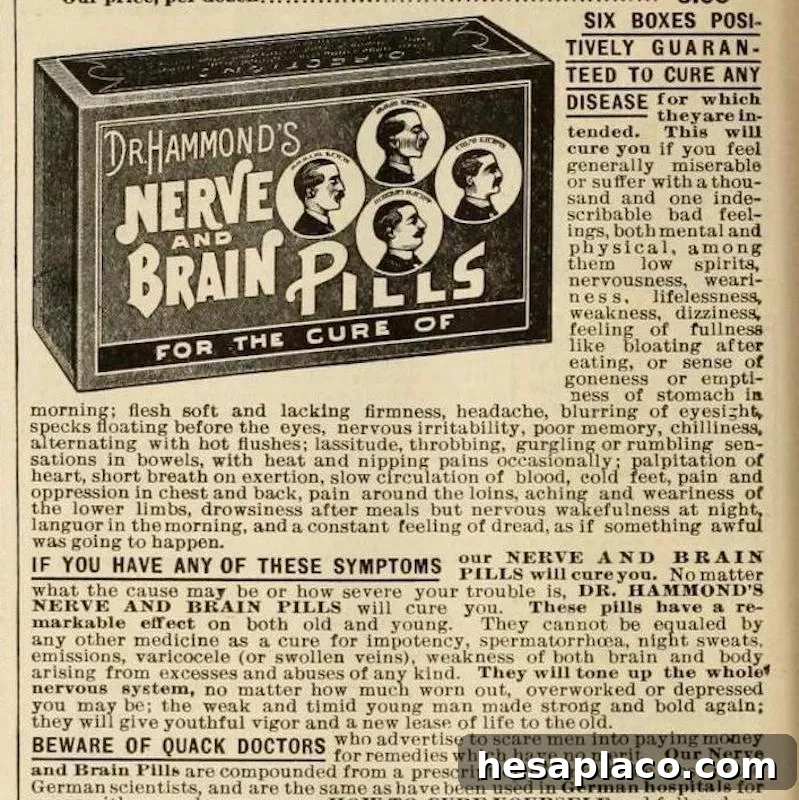
Brain Pills
Sears, Roebuck and Company
Labels like “Dr. Hammond’s Nerve and Brain Pills” promised relief from nervousness, indigestion, poor memory, back pain and other complaints. Sold at about 60 cents per box and often promoted as developed by European scientists, these remedies typify the mail-order patent medicines of the era—products sold with bold guarantees but little transparency about ingredients.
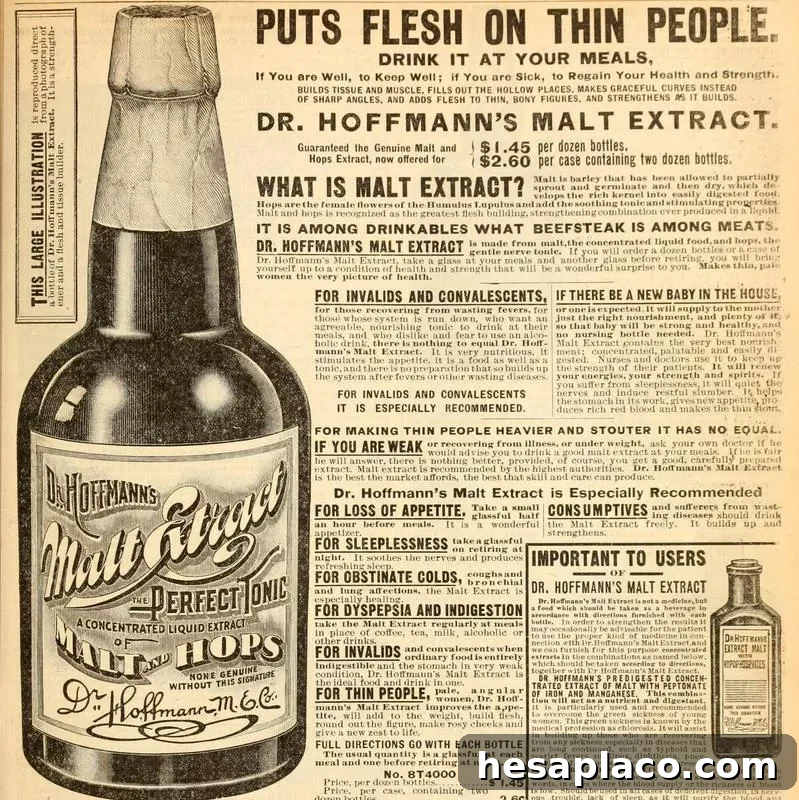
“The Beefsteak of Drinks”
Sears, Roebuck and Company
Marketed as restorative and strengthening, “Dr. Hoffman’s Malt Extract” was advertised as “what beefsteak is among meats” and recommended for the weak, convalescents, and those with tuberculosis. Essentially a sugary malt syrup used in brewing, malt extract does provide calories and some nutrients, but it was not a cure-all. A dozen bottles cost about $1.45, and the product illustrates how common foods were often billed as medicinal tonics.
Gravestones
Sears, Roebuck and Company
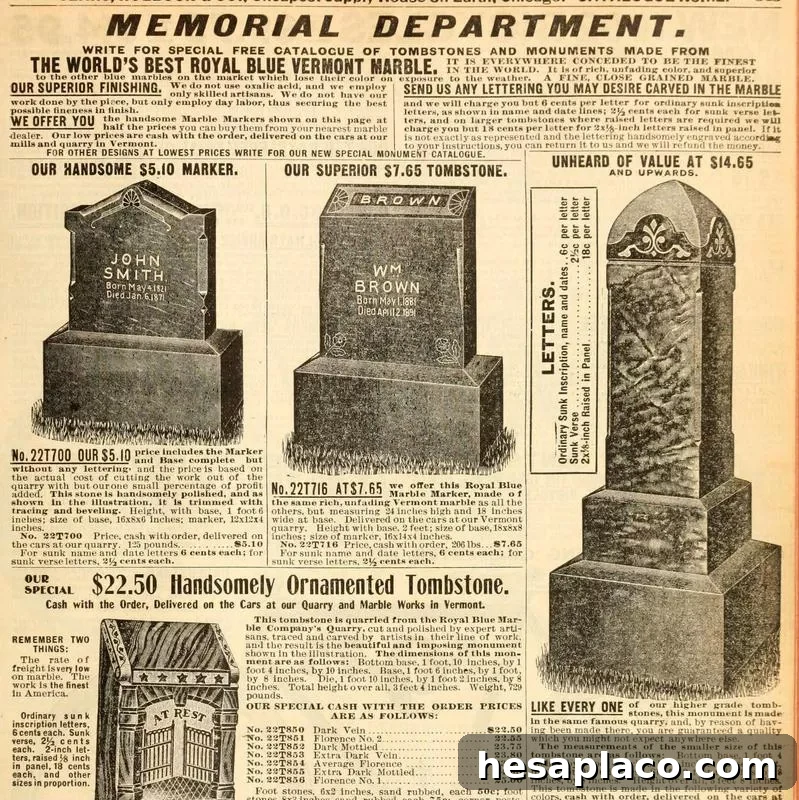
Sears even sold gravestones made of marble. Simple markers started around $5.10, while larger, more ornate monuments could cost up to $26.30. Customers could select artwork and lettering styles; heavy memorials reached weights of several hundred pounds. The inclusion of funerary goods in a general catalog underscores how the business aimed to serve customers through every stage of life—literal and symbolic.
Tobacco Habit Remedies
Sears, Roebuck and Company
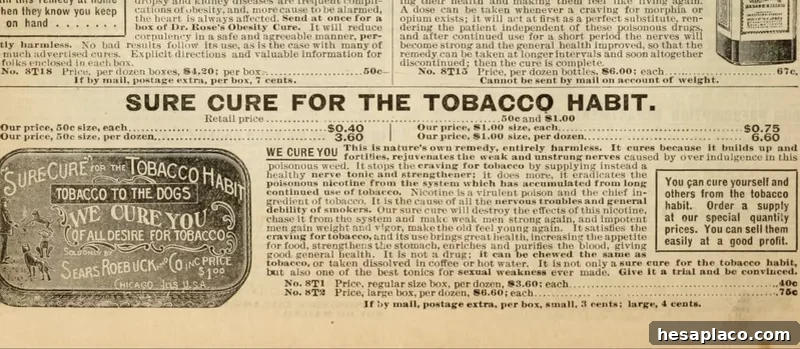
Products marketed to help people quit tobacco—chewable herbal remedies or dissolvable powders—promised to stop cravings and “eradicate” nicotine. One advertised tin also claimed to be a tonic for sexual weakness and encouraged bulk purchases for resale. Priced at about 40 cents for a small pack, these items show how entrepreneurial salesmanship capitalized on common health concerns.
Vapor Bath Cabinets
Sears, Roebuck and Company
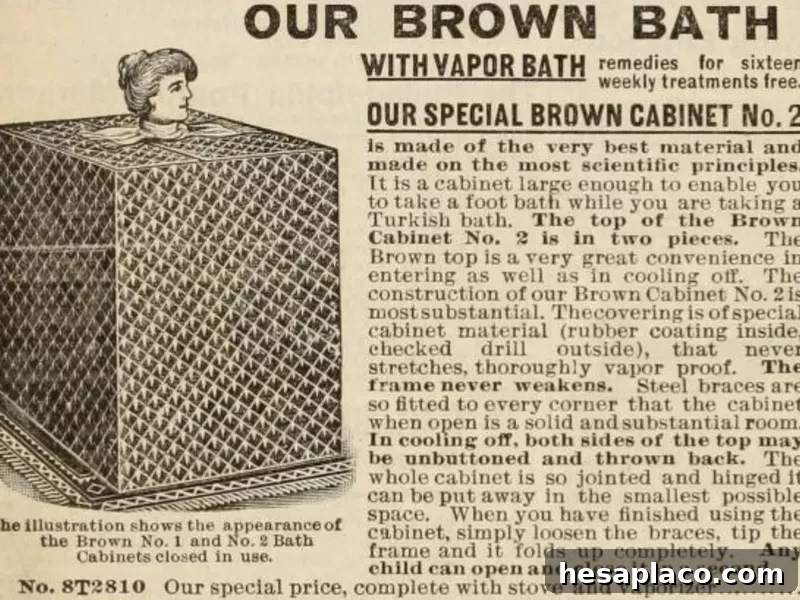
Vapor bath cabinets resembled small, rubber-lined saunas heated by alcohol burners. Designed for one person to sit inside, they promised to sweat out toxins, cure colds and improve complexion. Prices ranged from about $2.95 for a basic cabinet to $5.95 for a model with thicker walls and a detachable face steamer. Modern personal steamers are the closest analog, but these early devices reflect a period interest in detoxification and at-home therapies.
Prefabricated Houses
Sears, Roebuck and Company
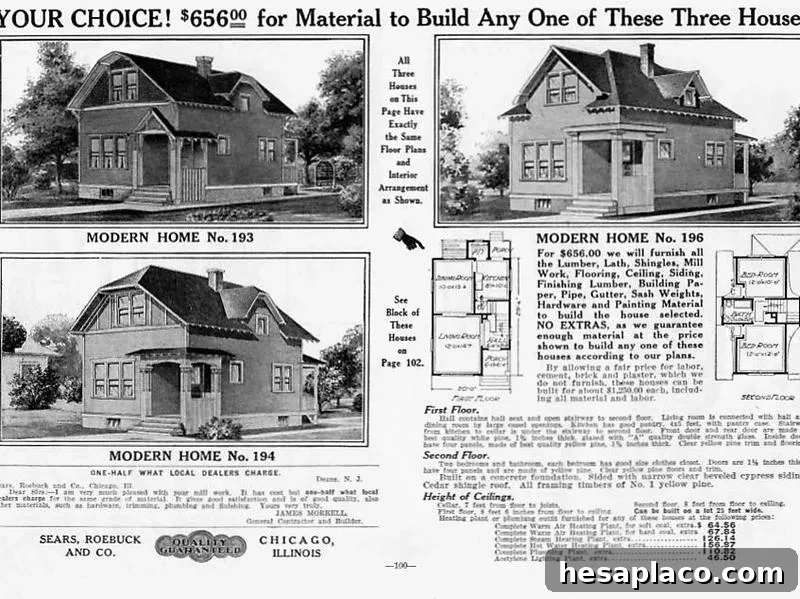
Beginning around 1908, Sears offered complete kit homes through its “Modern Homes” catalogs. Buyers could order blueprints and all the materials needed for bungalows, two-story homes, garages, barns and outbuildings. Prices for these mail-order homes varied from under $300 to about $1,500, making quality housing more attainable for many Americans while demonstrating Sears’s ambitious reach into homebuilding.
Police Equipment
Sears, Roebuck and Company
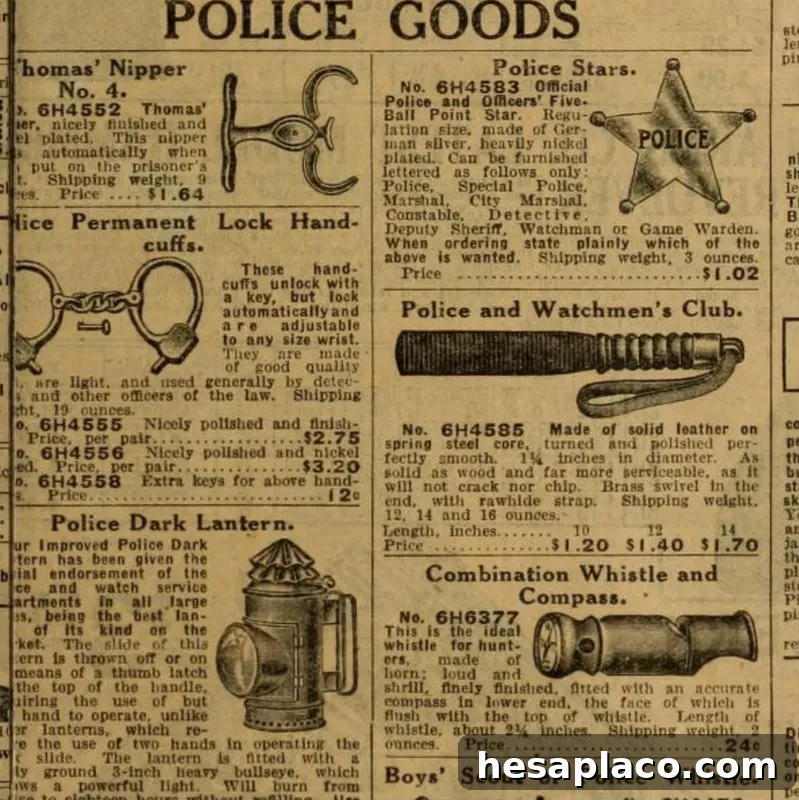
Sears stocked law-enforcement items such as handcuffs, lanterns, whistles, batons and police stars. For about $1.02 a customer could order a metal star engraved with titles like “police,” “marshal,” or “constable.” The availability of official-looking equipment in a consumer catalog illustrates how varied the product line was and how different societal standards and regulations were a century ago.
Food by Mail
Sears, Roebuck and Company
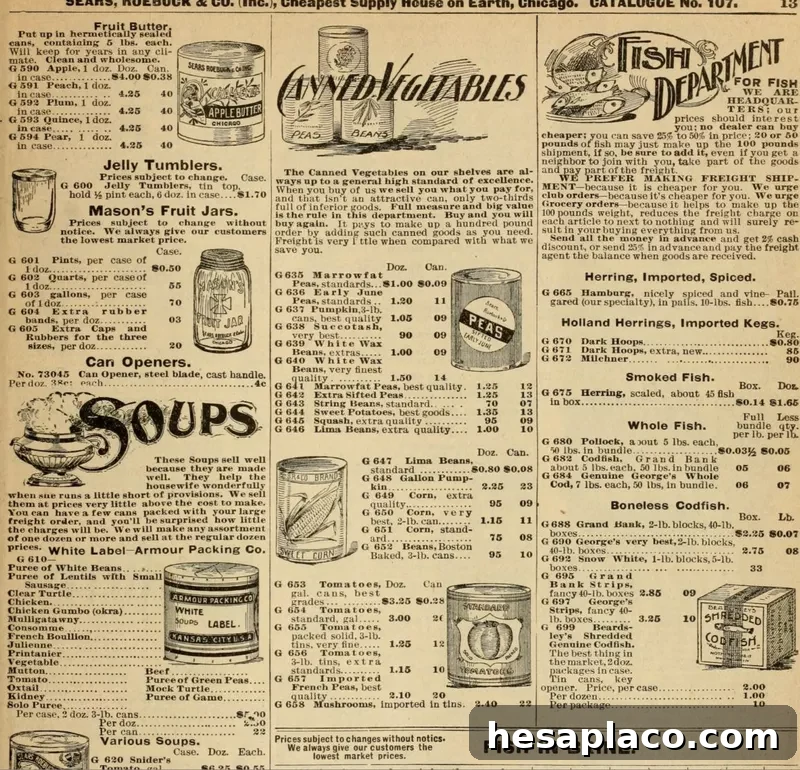
Mail-order groceries were a practical service for many customers. Sears catalogs listed soups, dried fruits, canned goods, condensed milk, spices, coffee, cheese and more. Buyers could enclose payment with an order form and receive provisions by mail, expanding food access well before modern delivery systems.
Heavy Bicycles
Sears, Roebuck and Company
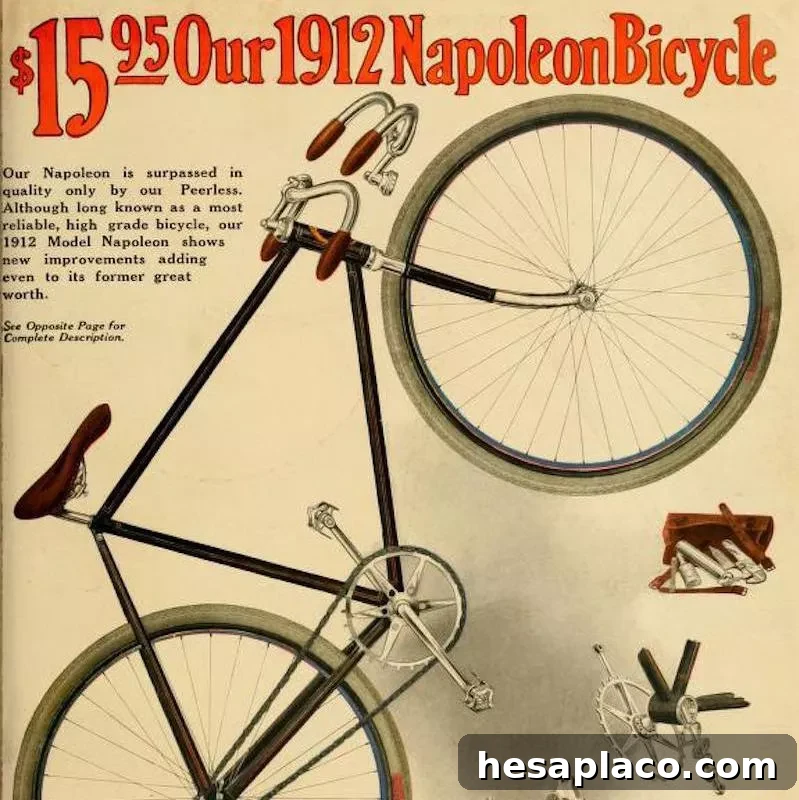
For $15.95 and up, customers could buy substantial bicycles like the 1912 Napoleon model, featuring an “extra heavy selected leather saddle” and hardwood wheels. These bikes weighed roughly 50 pounds and often required significant shipping costs, but they offered durable transportation suited to early 20th-century roads.
Guns
Sears, Roebuck and Company
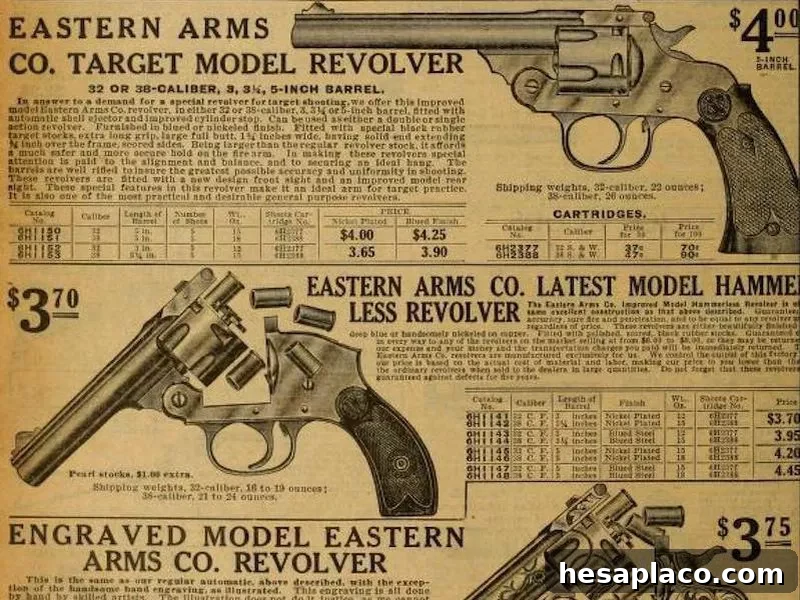
Sears catalogs sold firearms with little restriction: .22-caliber rifles could be purchased for as little as $1.65, revolvers for around $4, and higher-end self-loading rifles like the Winchester 1907 cost about $22.40 in 1912. The ease of acquiring firearms through the mail reflects a very different regulatory environment than exists today.
Sears’s early catalogs capture a wide slice of American life, combining practical household goods with curious health tonics, construction kits, and even monuments for the dead. The range and ambition of those catalogs influenced how consumers shopped and imagined home life, while also revealing the era’s medical beliefs, social norms, and commercial creativity.