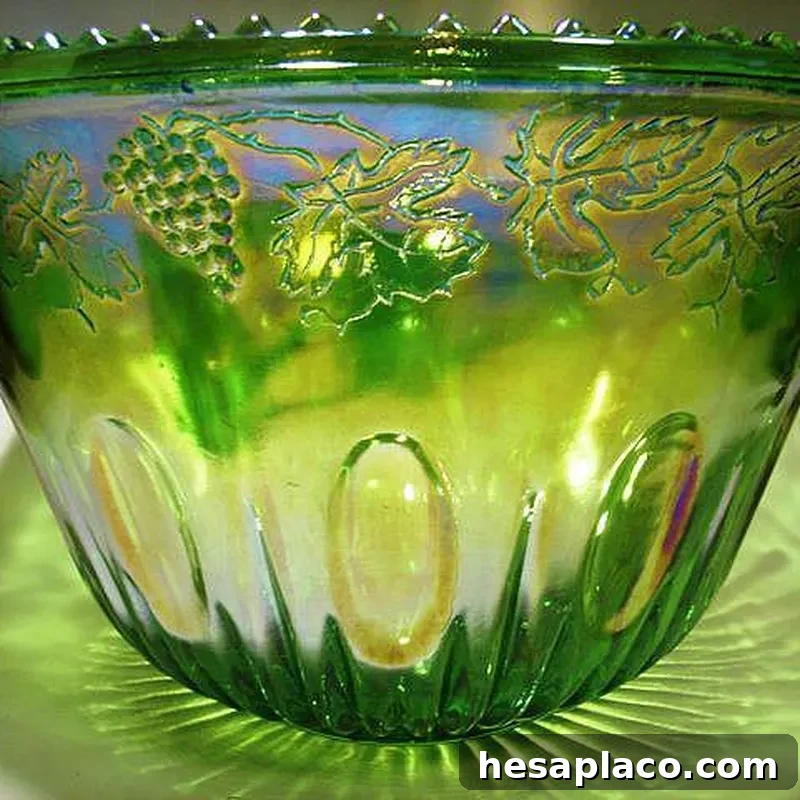
Carnival glass — what exactly is it? You’ve probably seen it, and you might even own a piece without knowing its name. Carnival glass is a form of pressed glass distinguished by an iridescent, oil-sheen surface. Widely popular in the early 20th century, it remains sought after by collectors today.
Originally produced as an affordable imitation of more costly glass-blowing techniques, carnival glass soon developed its own following. Most antique carnival glass pieces sell for a few hundred dollars, but rarer examples can command thousands or even tens of thousands at auction.
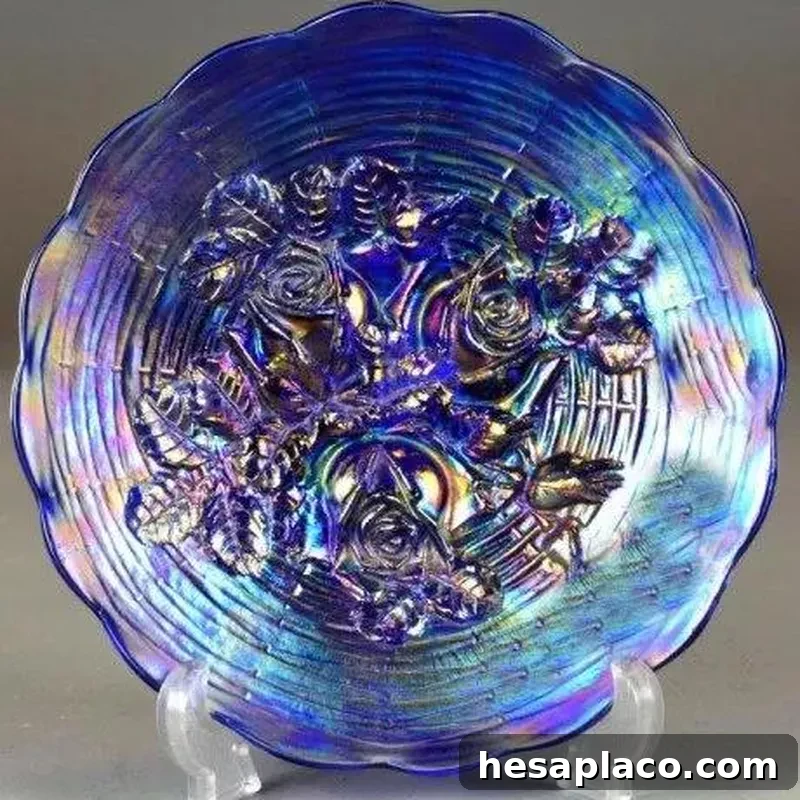
25. Northwood Electric Blue Carnival Bowl
Live Auctioneers
Sold: April 22, 2012
Value: $1,400
Bottom Line: Northwood Electric Blue Carnival Bowl
Live Auctioneers
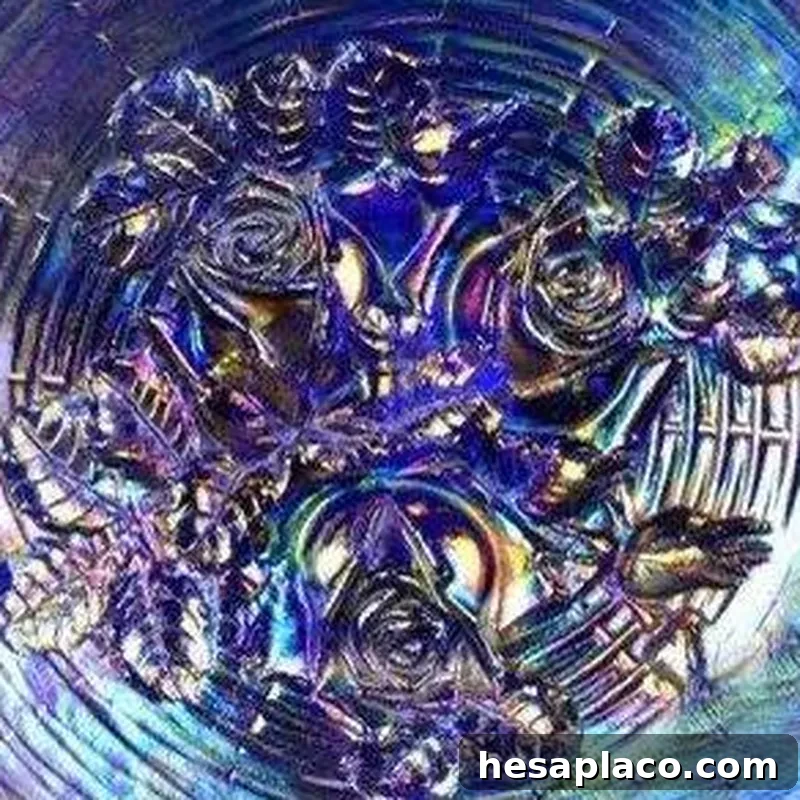
This scalloped-edge bowl features a matte iridescence and a design meant to evoke a wicker basket of flowers. It’s an excellent example of Northwood’s “electric blue,” slightly brighter than deep cobalt, and showcases the company’s refined patterns and vibrant surface finish.
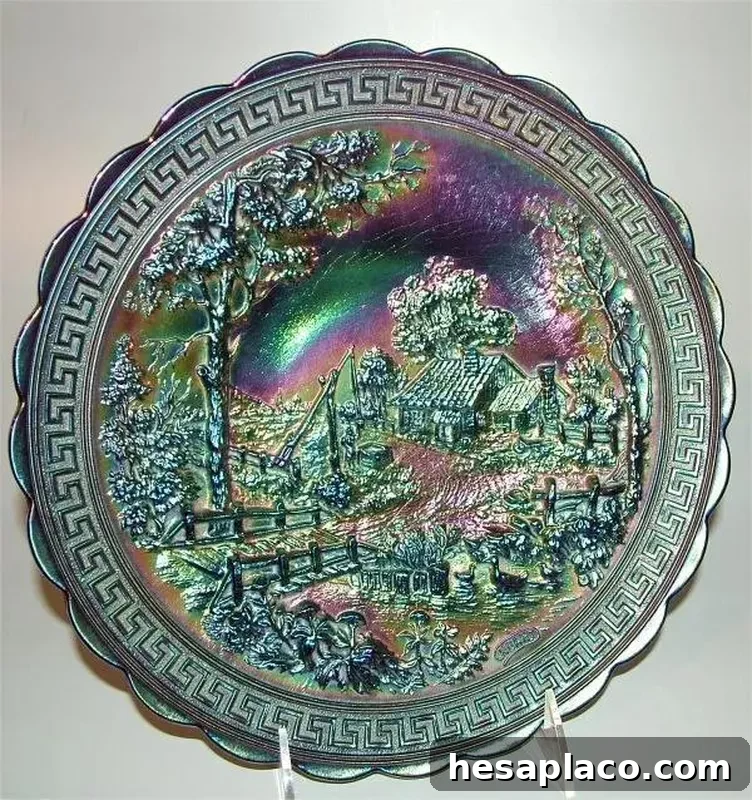
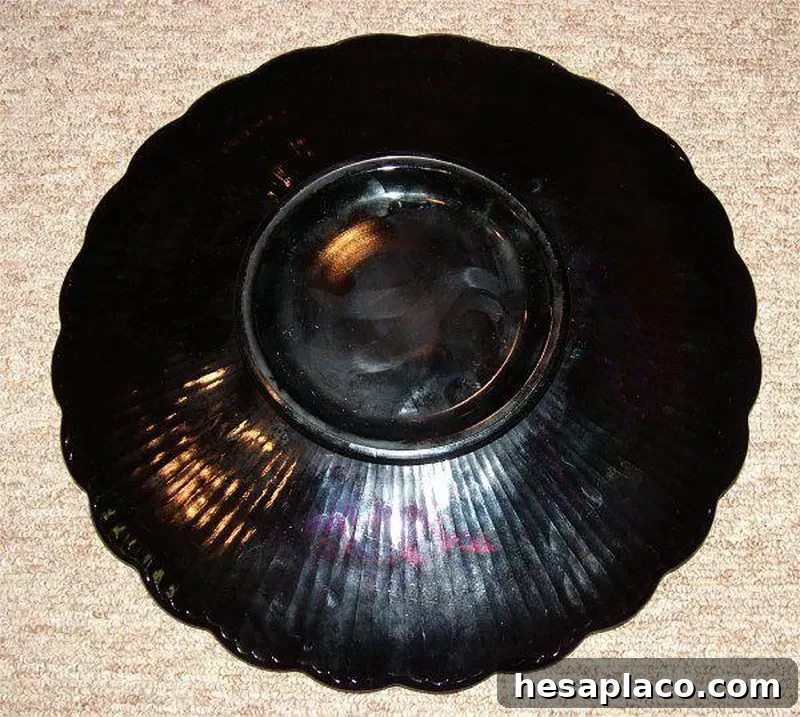
24. Imperial Electric Purple Carnival Glass Plate
Live Auctioneers
Sold: July 30, 2005
Value: $1,500
Bottom Line: Imperial Electric Purple Carnival Glass Plate
Live Auctioneers
Not all notable carnival glass was made by Northwood, Millersburg or Fenton—Imperial produced exceptional pieces as well. This electric purple plate pairs a pastoral central scene with a classically inspired border, creating a distinctive and collectible appearance.
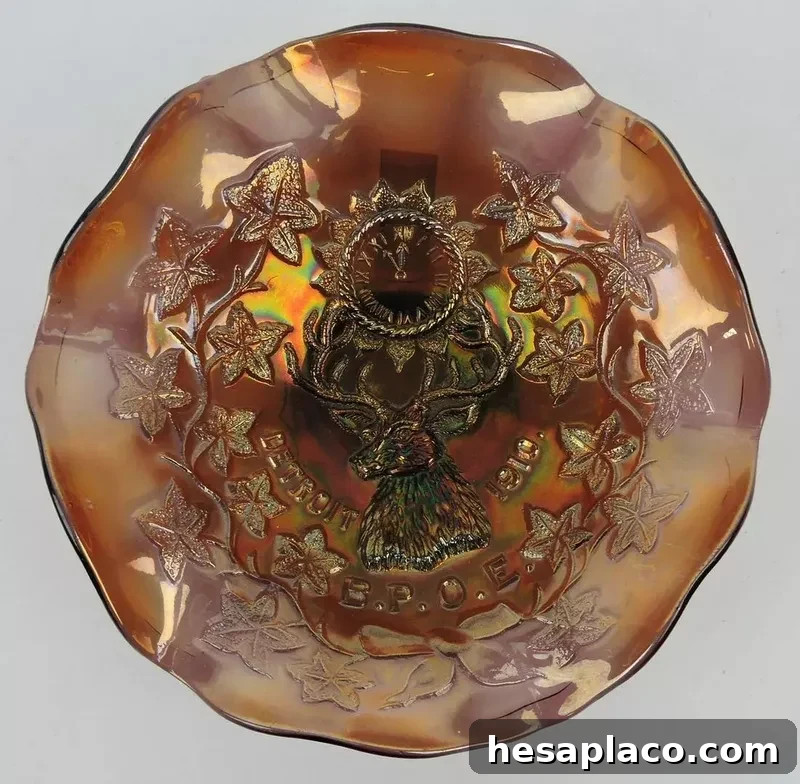
23. Millersburg Elk’s Bowl
Live Auctioneers
Sold: May 21, 2020
Value: $1,600
Bottom Line: Millersburg Elk’s Bowl
Live Auctioneers
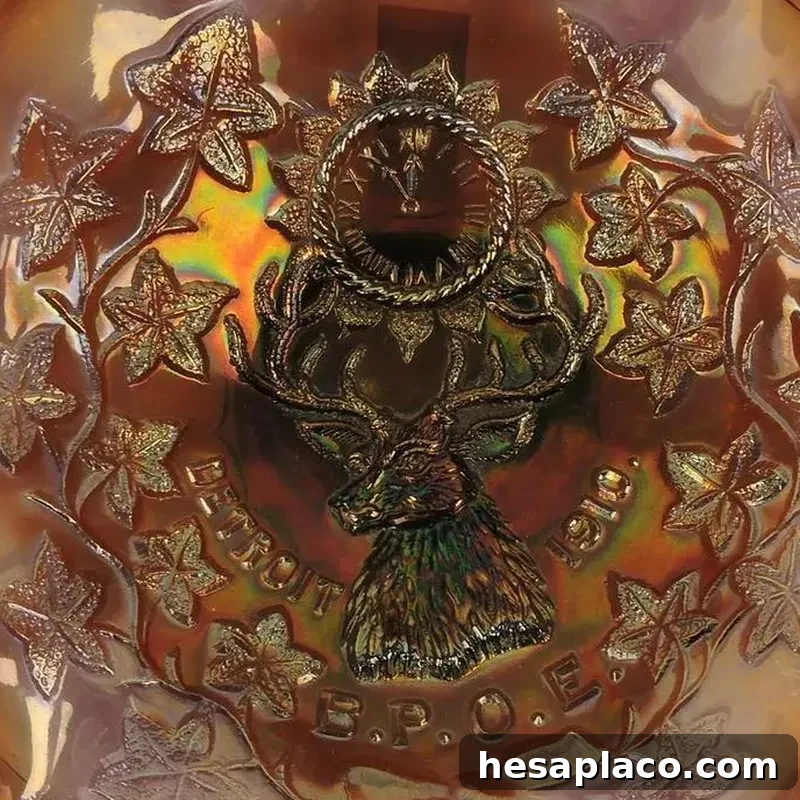
Fiery orange and yellow hues were challenging to achieve in early carnival glass production, so this piece is inherently rare. The bowl’s center features a noble elk surrounded by foliage, and the striking colors make it especially desirable.
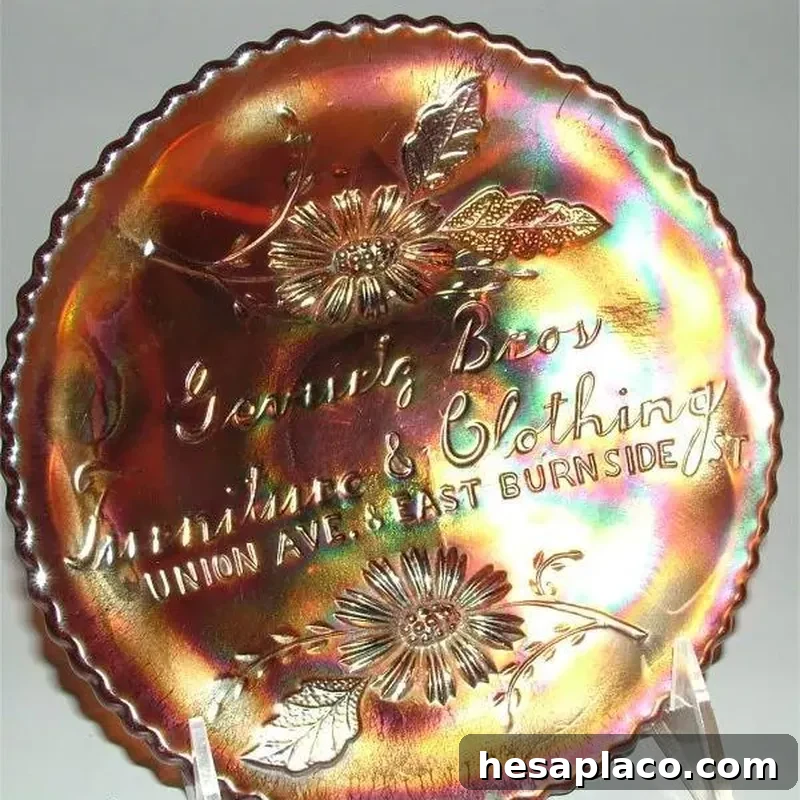
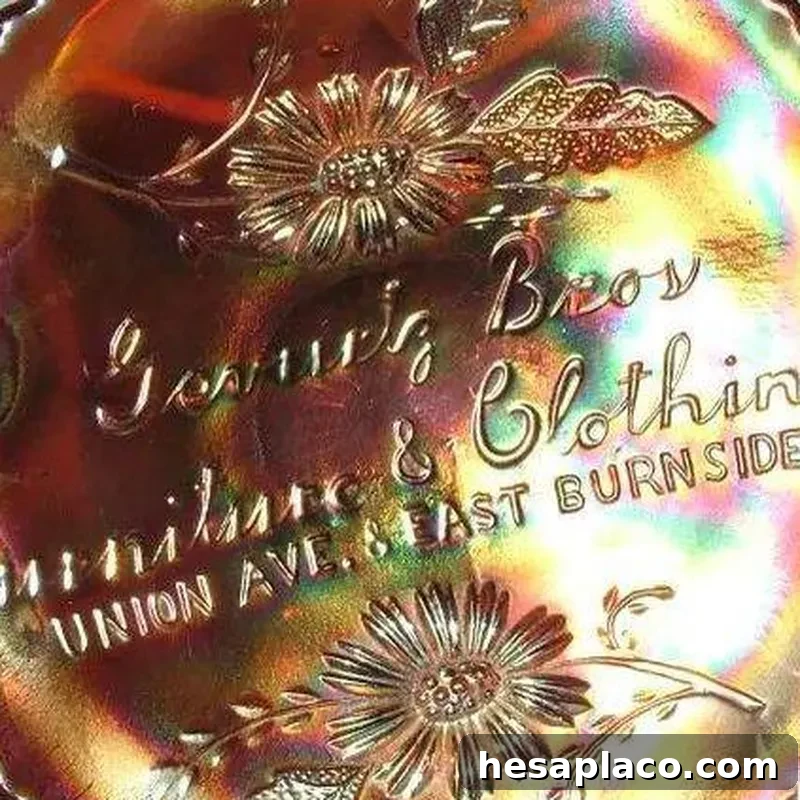
22. Gerurtz Brother’s Furniture Plate
Live Auctioneers
Sold: May 21, 2020
Value: $1,700
Bottom Line: Gerurtz Brother’s Furniture Plate
Live Auctioneers
This advertising plate is collectible ephemera: it’s stamped with “Gerurtz Brother’s Furniture & Clothing. Union Ave & East Burnside.” Pieces that combine carnival glass and historical advertising often attract both glass collectors and local-history enthusiasts.
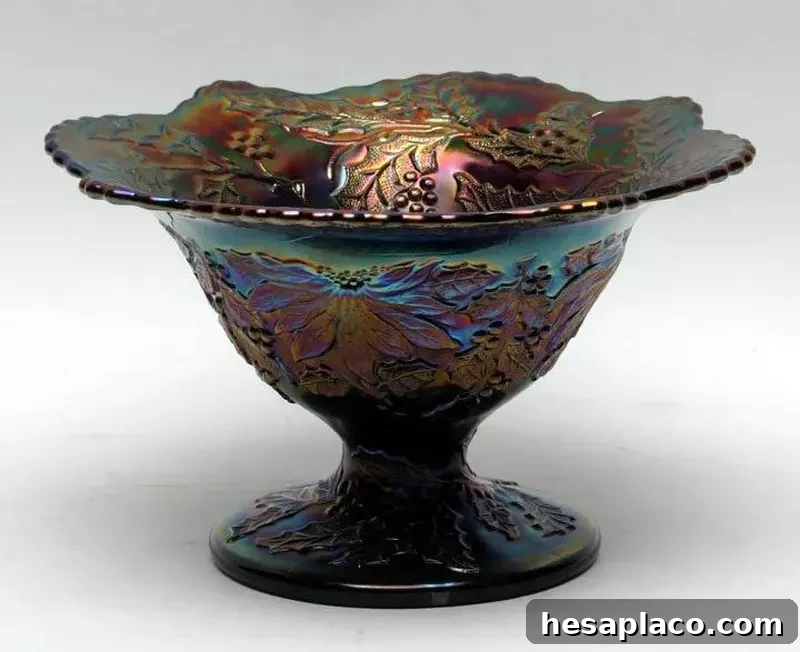
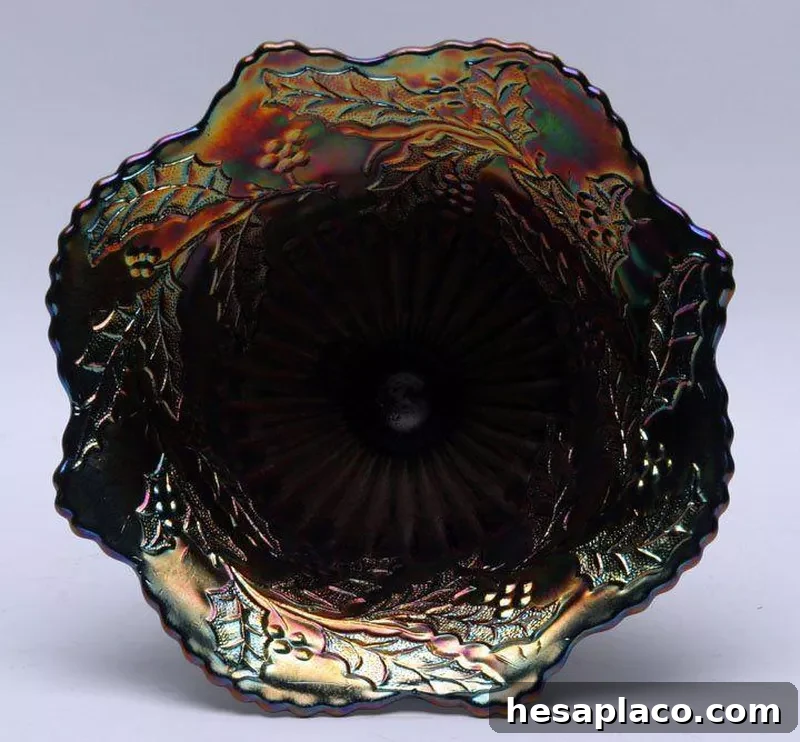
21. Dugan Christmas Compote
Live Auctioneers
Sold: Oct. 2, 2015
Value: $1,700
Bottom Line: Dugan Christmas Compote
Live Auctioneers
Deep amethyst glass with intricate berry and leaf motifs wraps this roughly 10-inch compote. Its ornate pattern and color rarity make it a sought-after decorative piece.
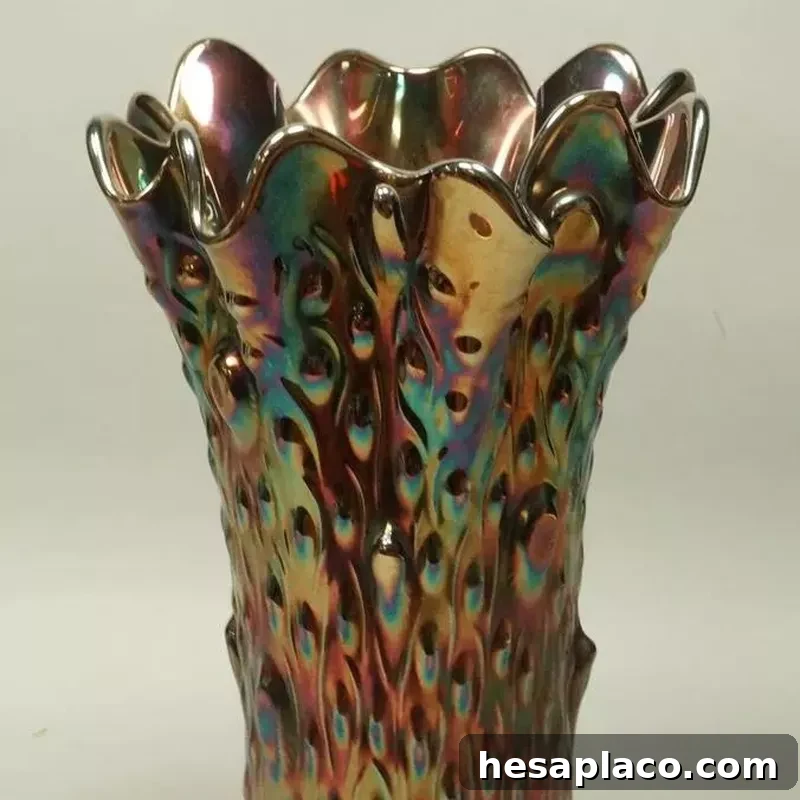
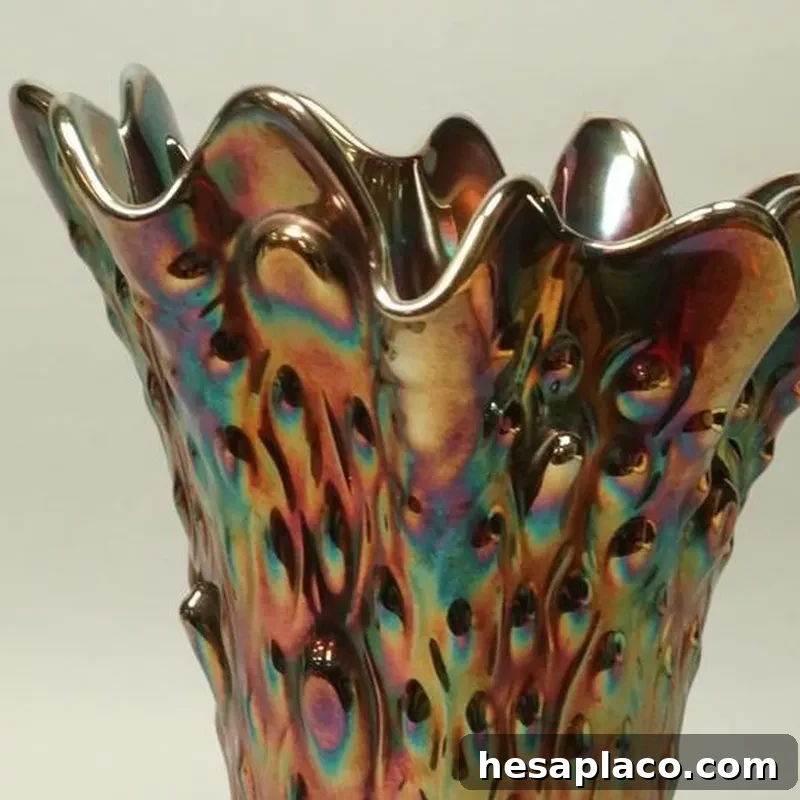
20. Northwood Tree Trunk Funeral Vase
Live Auctioneers
Sold: Oct. 02, 2015
Value: $1,900
Bottom Line: Northwood Tree Trunk Funeral Vase
Live Auctioneers
This “elephant foot” vase imitates tree bark in its molded texture. While its factory flaw may affect value, the naturalistic motif and strong iridescence are typical of pieces collectors prize.
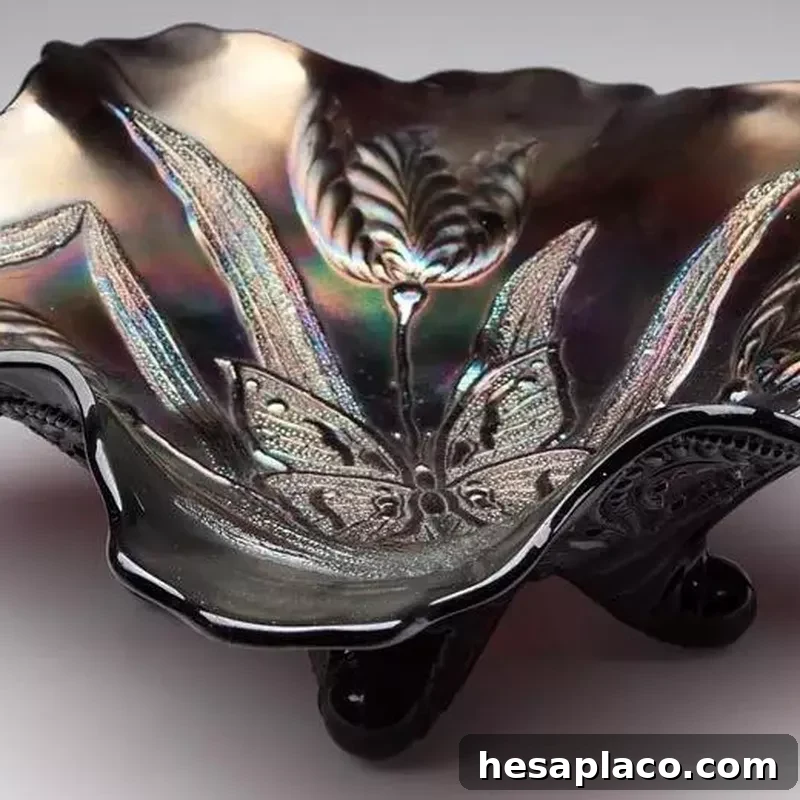
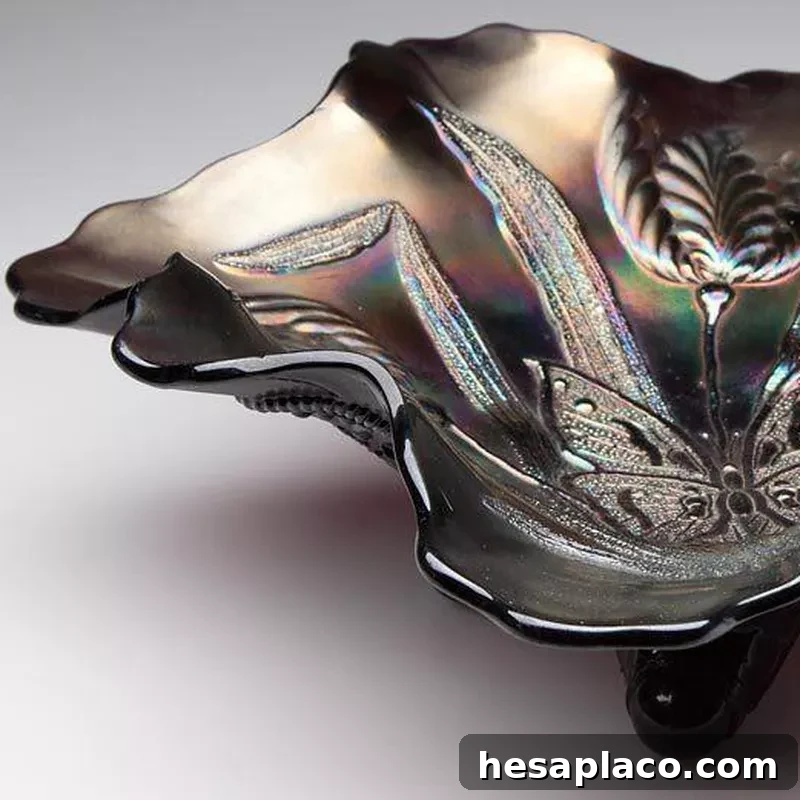
19. Dugan Butterfly and Tulip Glass Bowl
Live Auctioneers
Sold: April 13, 2013
Value: $1,900
Bottom Line: Dugan Butterfly and Tulip Glass Bowl
Live Auctioneers
A deep, chocolatey purple with flowing ornamentation, this bowl includes a scalloped rim, four ball feet and a feathered scroll pattern featuring butterflies and tulips—classic Dugan styling.
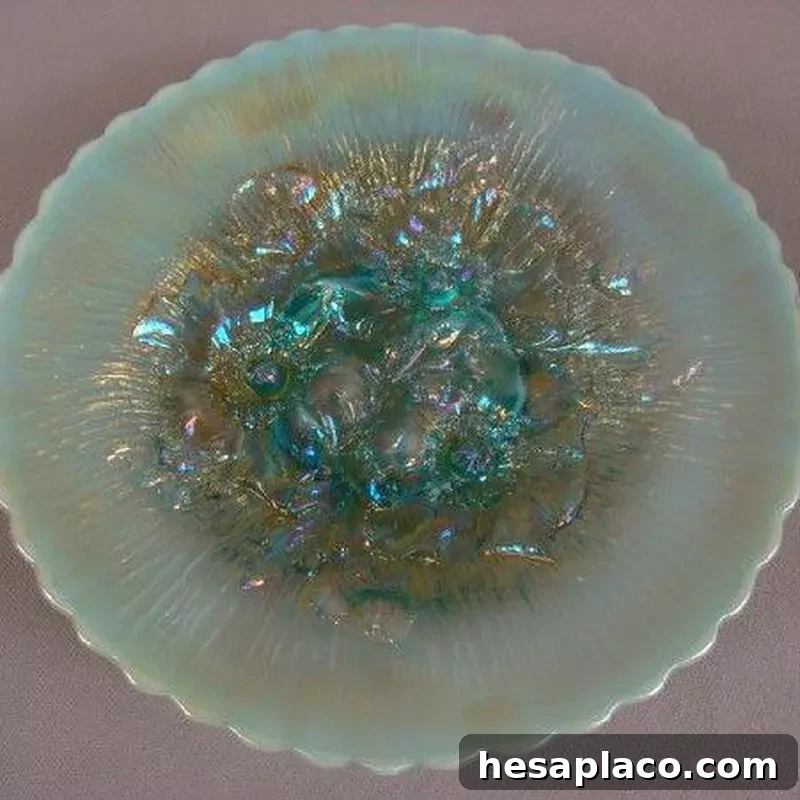
18. Northwood Poppy Show Plate
Live Auctioneers
Sold: Oct. 8, 2010
Value: $3,000
Bottom Line: Northwood Poppy Show Plate
Live Auctioneers
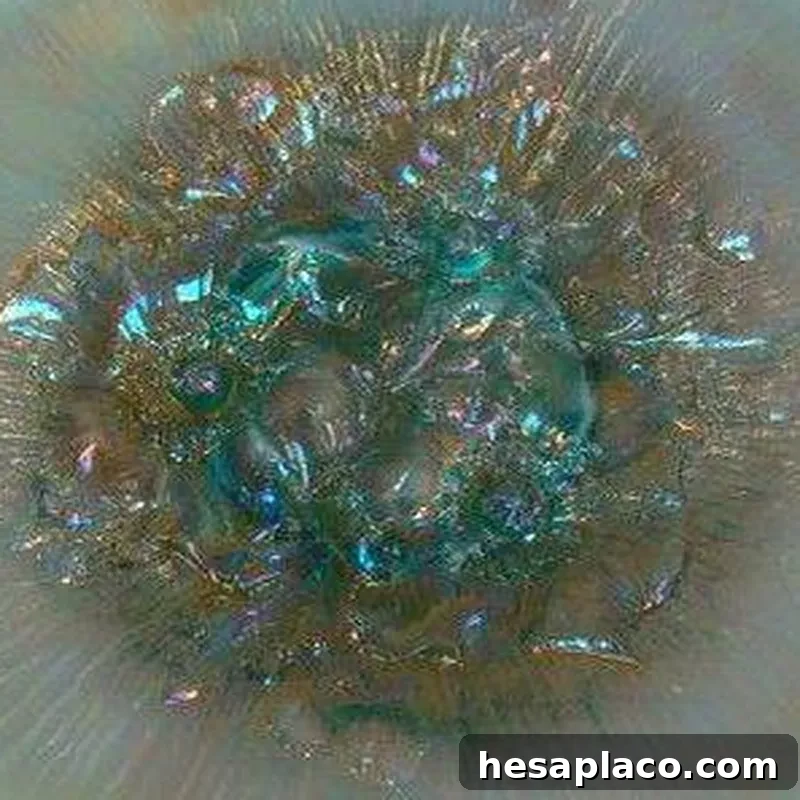
The Poppy Show mold is a popular Northwood pattern found in many colors. This example is rare thanks to its opalescent, iridescent ground combined with the classic poppy motif.
17. Millersburg Blue Peacock Bowl
Carnival Glass
Sold: 2021
Value: $4,000
Bottom Line: Millersburg Blue Peacock Bowl
Carnival Glass
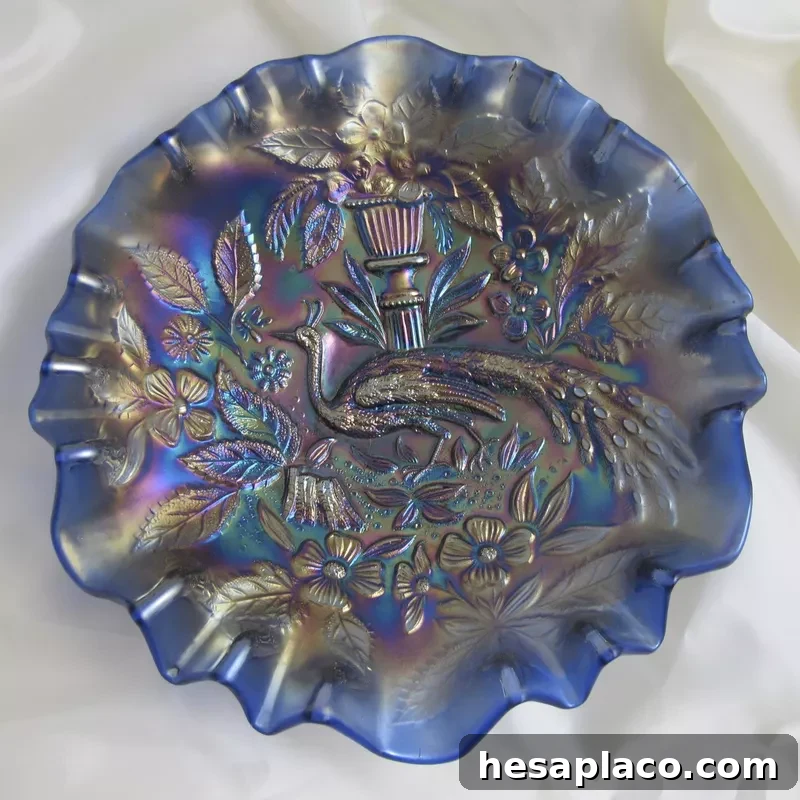
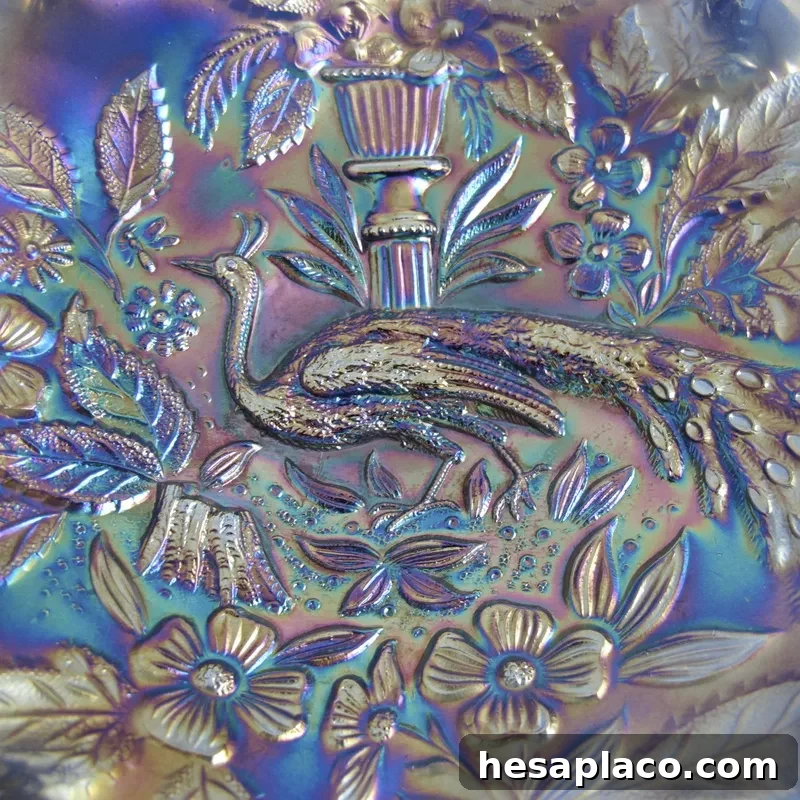
Millersburg produced numerous peacock designs in a range of colors and edge styles. This bowl’s rare edging and condition make it a standout among collectors.
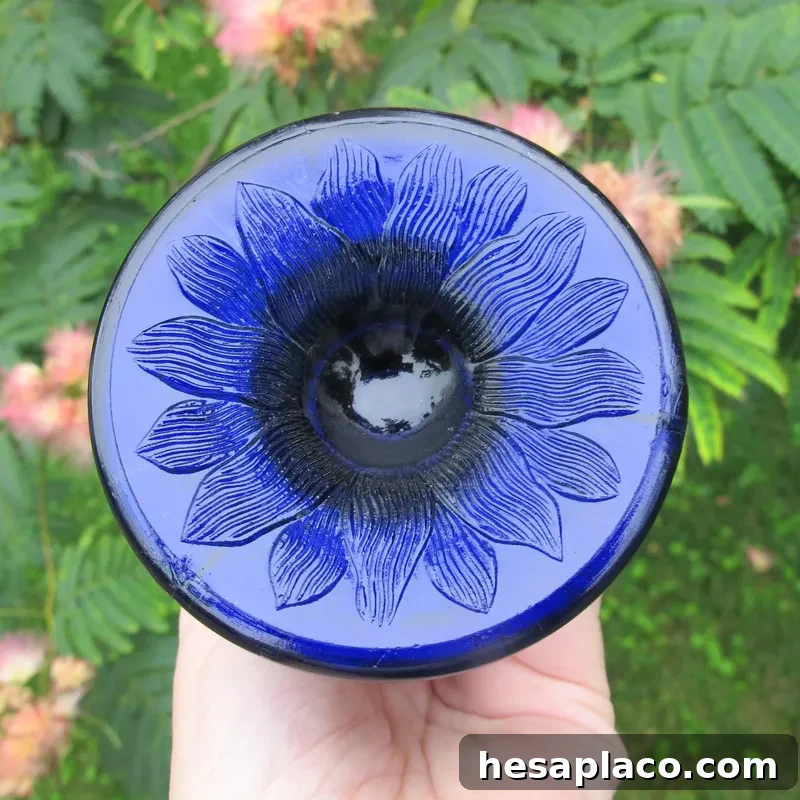
16. Northwood Blue Corn Vase
Carnival Glass
Sold: 2021
Value: $4,995
Bottom Line: Northwood Blue Corn Vase
Carnival Glass
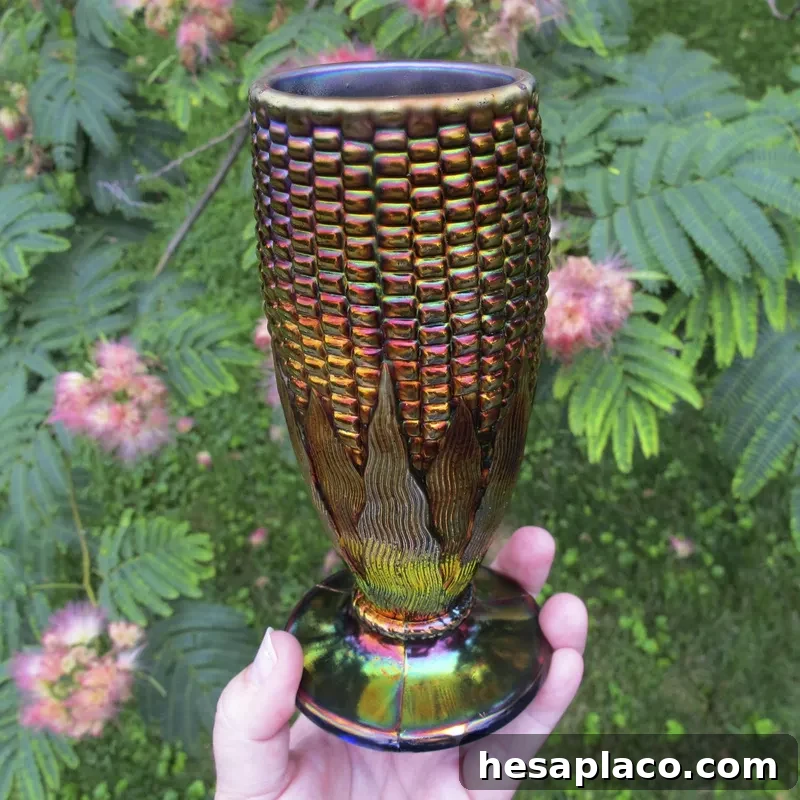
This rare cobalt blue corn vase shows detailed molding, including floral decoration on the base. In pristine condition, similar vases can reach much higher prices due to their vivid color and heavy iridescence.
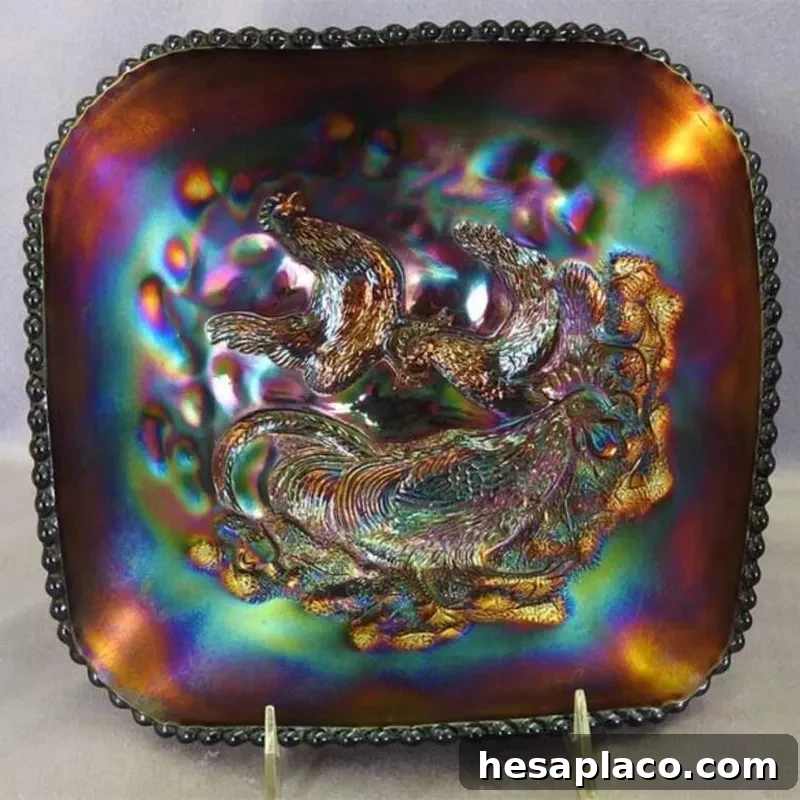
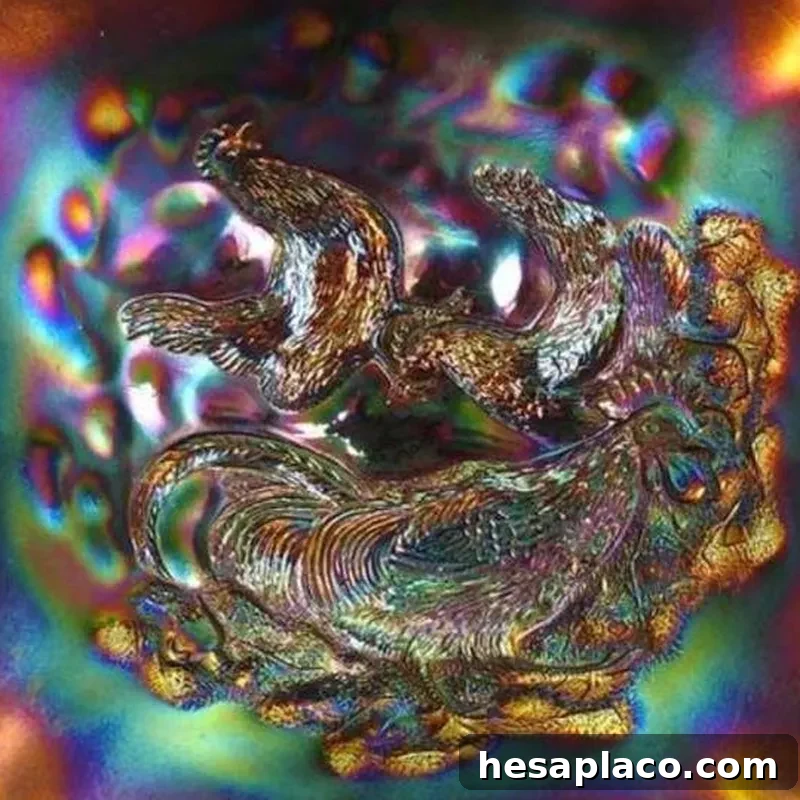
15. Farmyard Square Bowl
Hibid
Sold: March 12, 2022
Value: $6,500
Bottom Line: Farmyard Square Bowl
Hibid
A purple iridescent square bowl featuring roosters and a pearled scalloped edge. In excellent condition, it displays sought-after red, orange and yellow tones, making it a collector favorite.
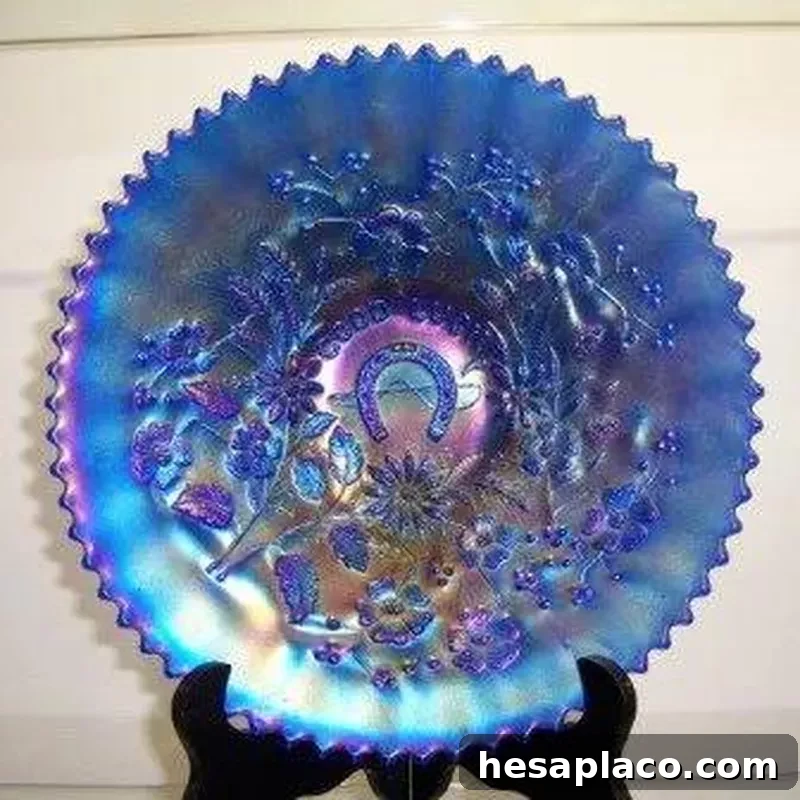
14. Early Blue Carnival Glass Dish
Live Auctioneers
Sold: Aug. 18, 2006
Value: $7,000
Bottom Line: Early Blue Carnival Glass Dish
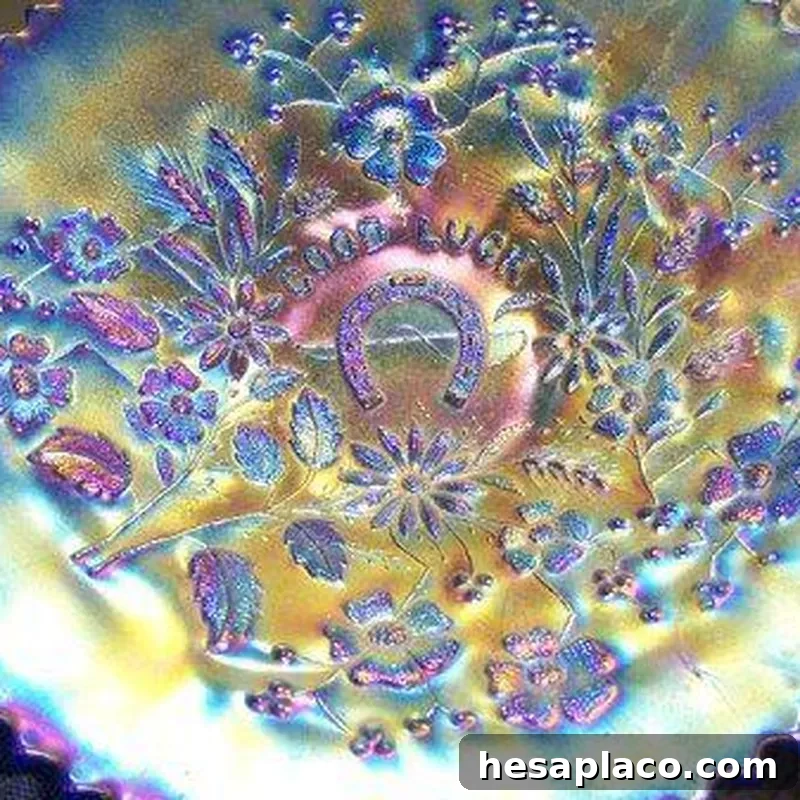
Live Auctioneers
This blue dish is in excellent condition with minimal wear. Color significantly influences carnival glass values: rarer hues such as red, yellow, purple and green typically command premium prices.
13. Millersburg Green Peacock Bowl
Live Auctioneers
Sold: June 28, 2010
Value: $7,000
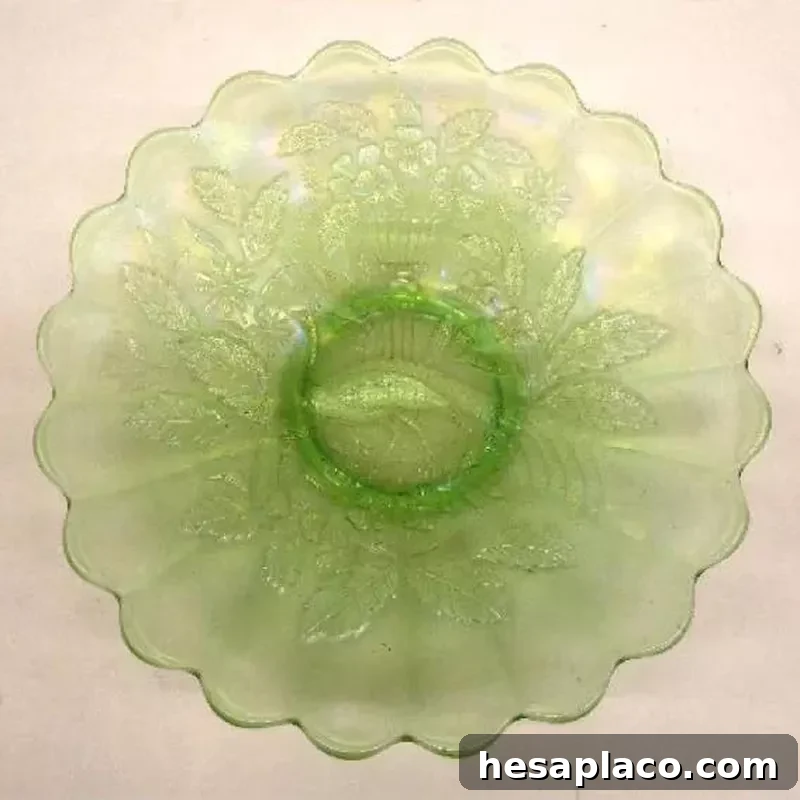
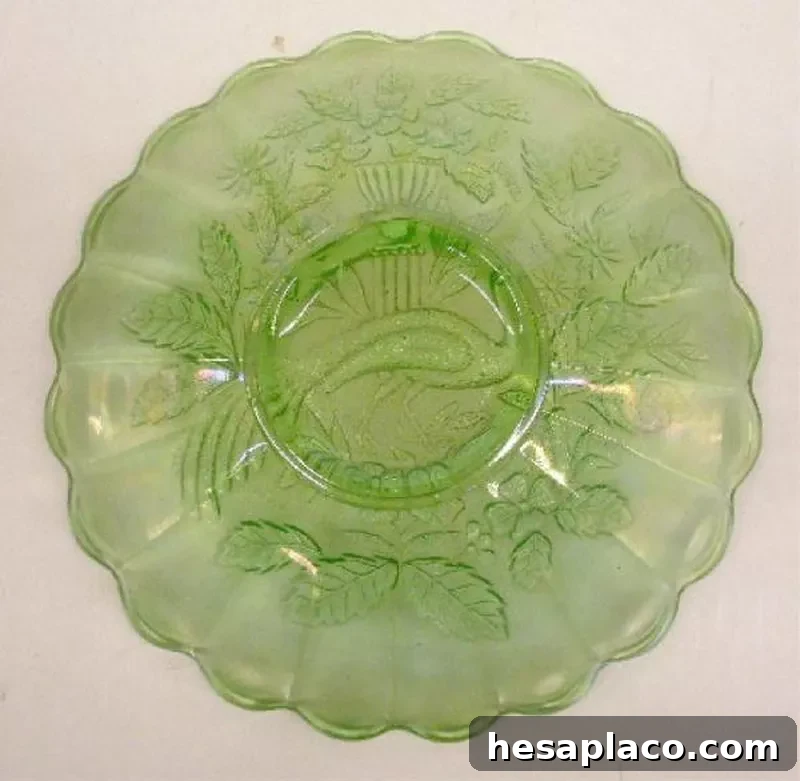
Bottom Line: Millersburg Green Peacock Bowl
Live Auctioneers
Comparing the blue and green peacock bowls shows how the same stamp can present very differently when produced in distinct colors. This shallow green plate is valued for its uncommon hue.
12. Kiwi Antique Amethyst Carnival Glass
eBay
Sold: Feb. 19, 2022
Value: $7,532
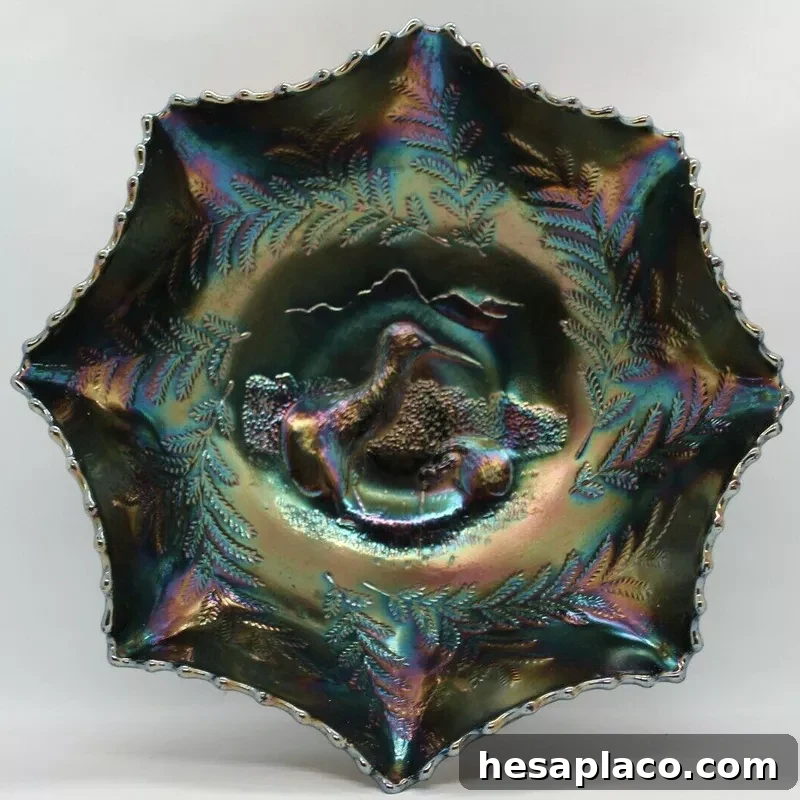
Bottom Line: Kiwi Antique Amethyst Carnival Glass
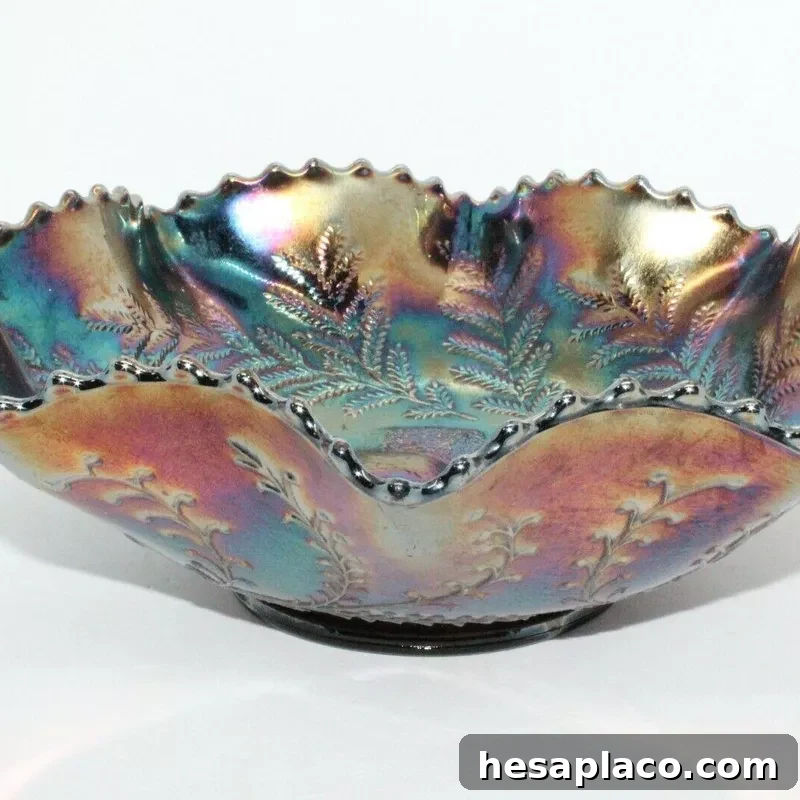
eBay
This early amethyst bowl features a Kiwi bird motif rather than the more common peacock or rooster, making it especially unusual. Minor imperfections reflect its age but do not negate its collectible status.
11. Dugan Marigold Tumbler
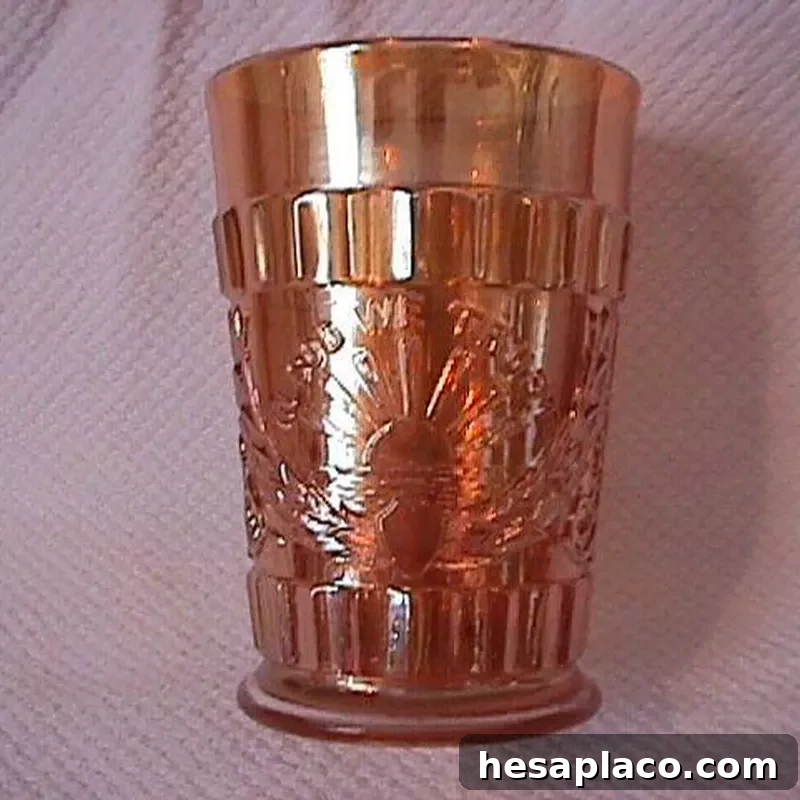
Go Antiques
Sold: Pending
Value: $17,500
Bottom Line: Dugan Marigold Tumbler
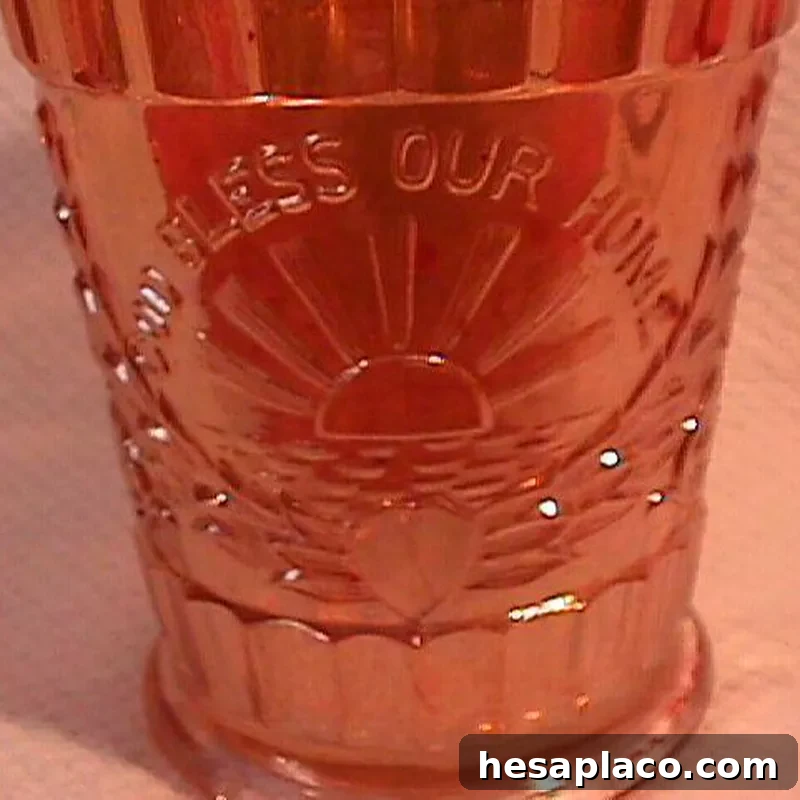
Go Antiques
Believed to be the only example of its color and style discovered, this Dugan tumbler dates from the early 20th century. Its uniqueness and condition drive its high valuation.
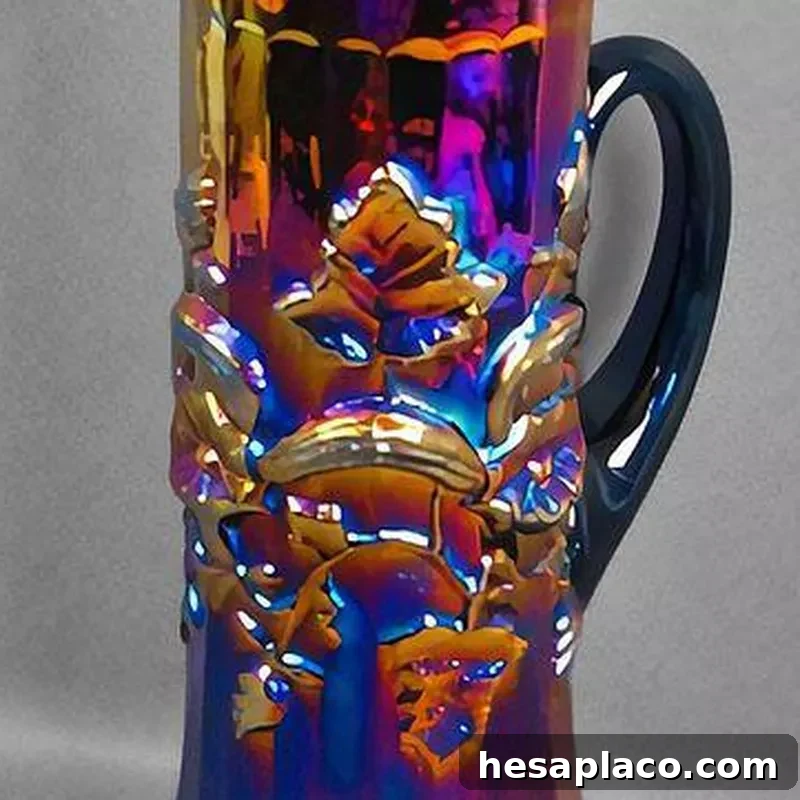
10. Millersburg Morning Glory Pitcher
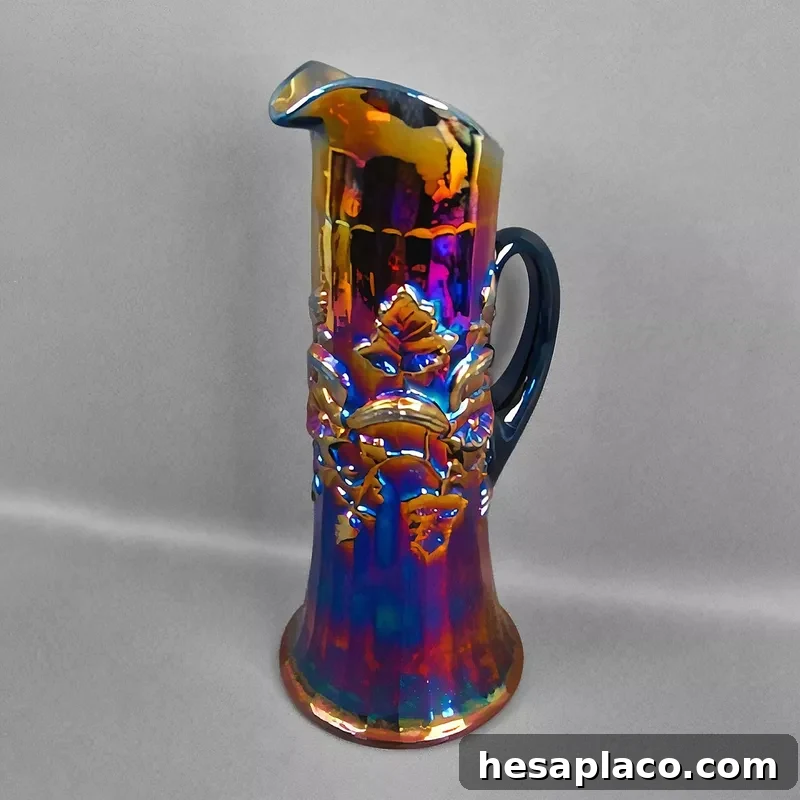
Hooked on Carnival
Sold: March 25, 2017
Value: $42,000
Bottom Line: Millersburg Morning Glory Pitcher
Hooked on Carnival
Noted for its deep, dark iridescence and striking color, this functional pitcher exemplifies the kind of standout pieces that collectors prize.
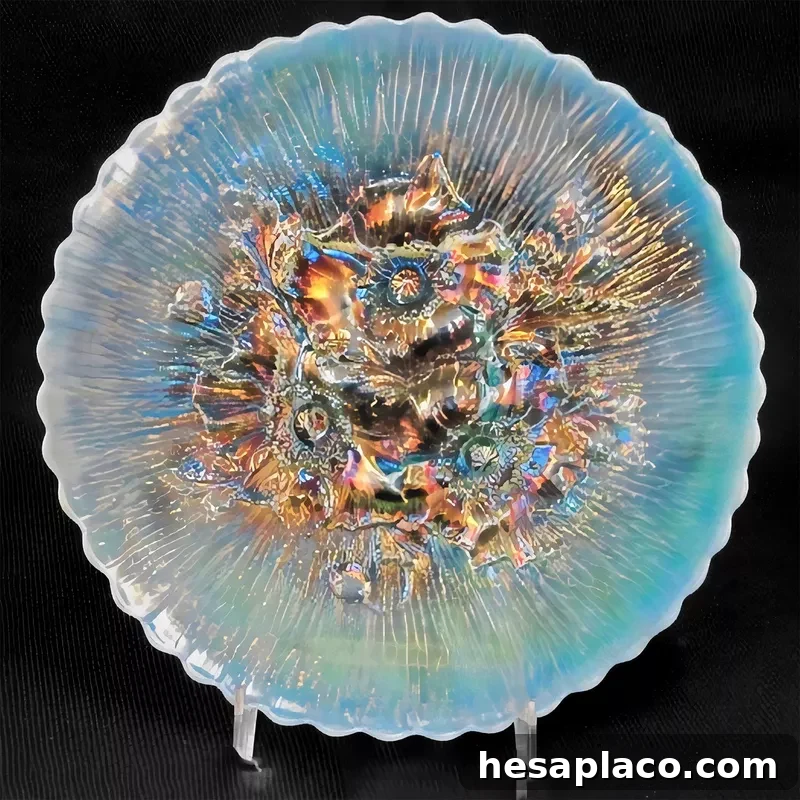
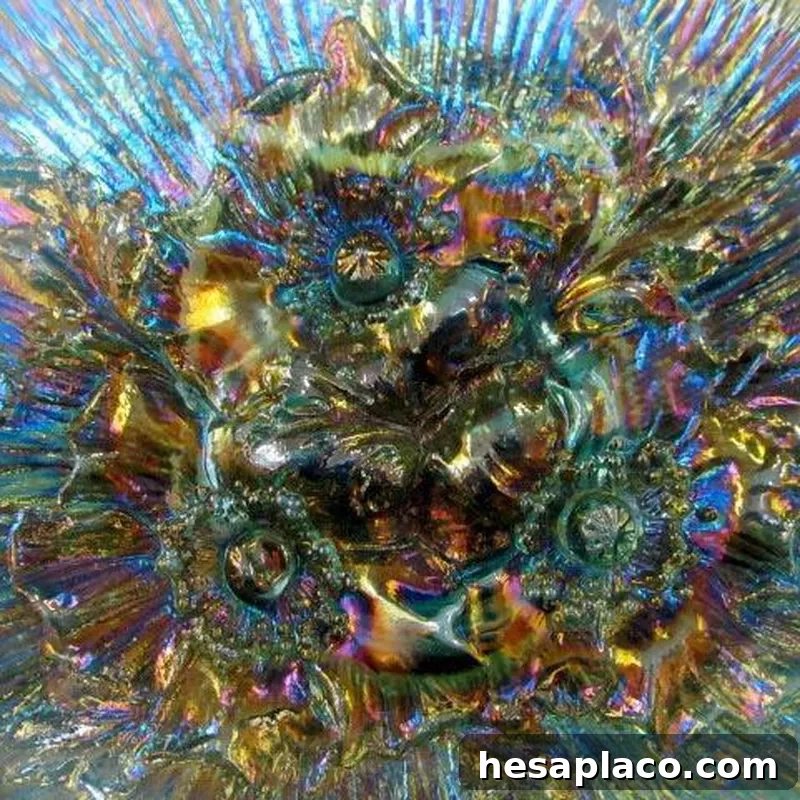
9. Northwood Poppy Show Plate
Hooked on Carnival
Sold: Aug. 13, 2011
Value: $45,000
Bottom Line: Northwood Poppy Show Plate
Hooked on Carnival
Subtle pastel backgrounds combined with chromed floral centers create a delicate, museum-quality show plate. Such pieces often attract high bids because of their rarity and aesthetic appeal.
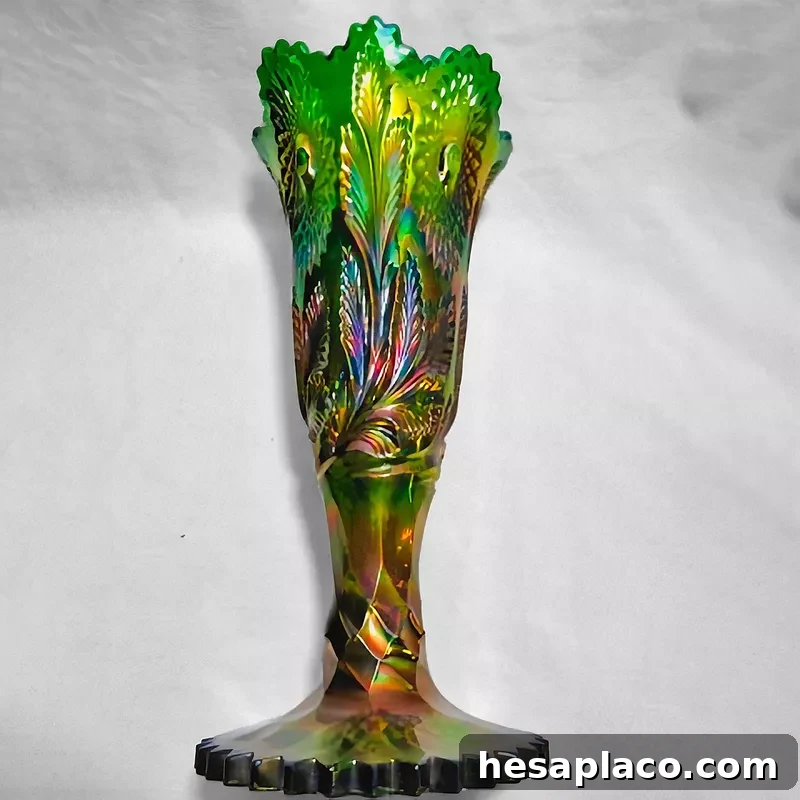
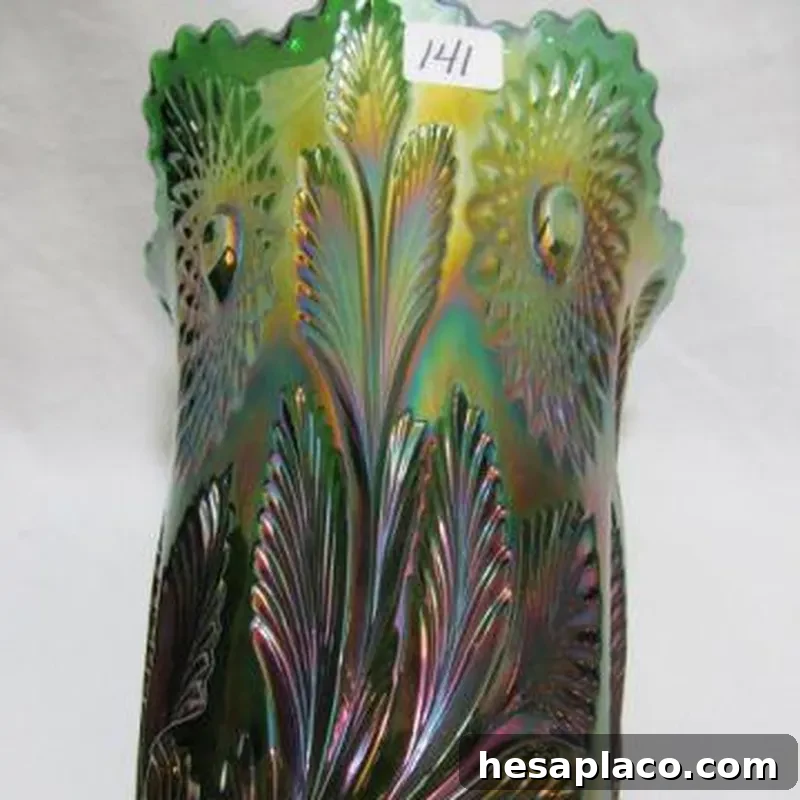
8. Millersburg Hobstar and Feather Vase
Hooked on Carnival
Sold: Oct. 6, 2012
Value: $50,000
Bottom Line: Millersburg Hobstar and Feather Vase
Hooked on Carnival
Gorgeous peacock-like iridescence wraps this vase; its vivid greens and blues mimic natural peafowl coloring. The vase is exceptionally rare—only one example in green is known.
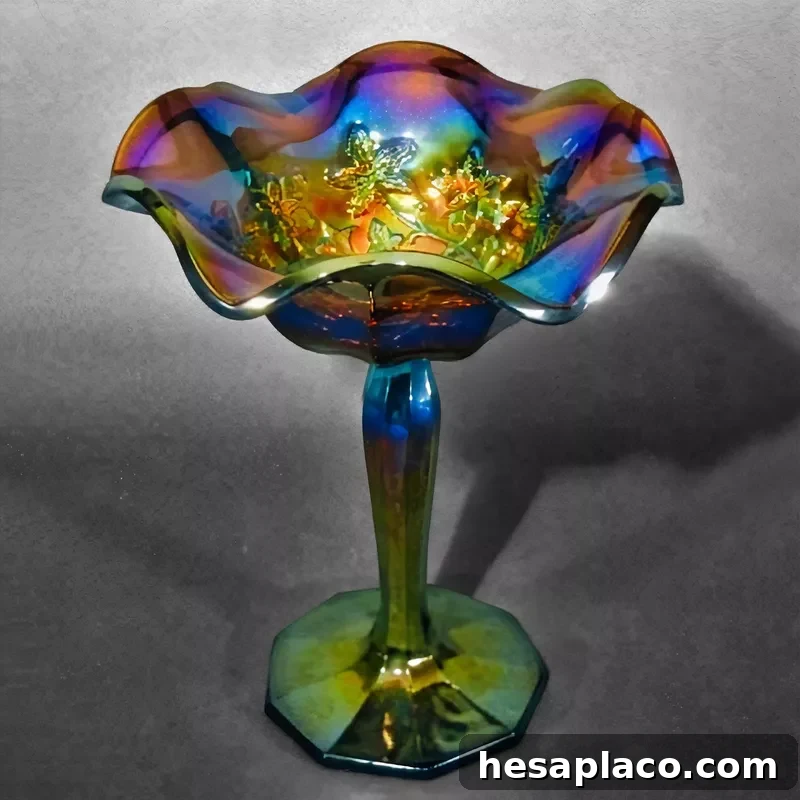
7. Millersburg Flowering Vine
Hooked on Carnival
Sold: June 6, 2021
Value: $50,000
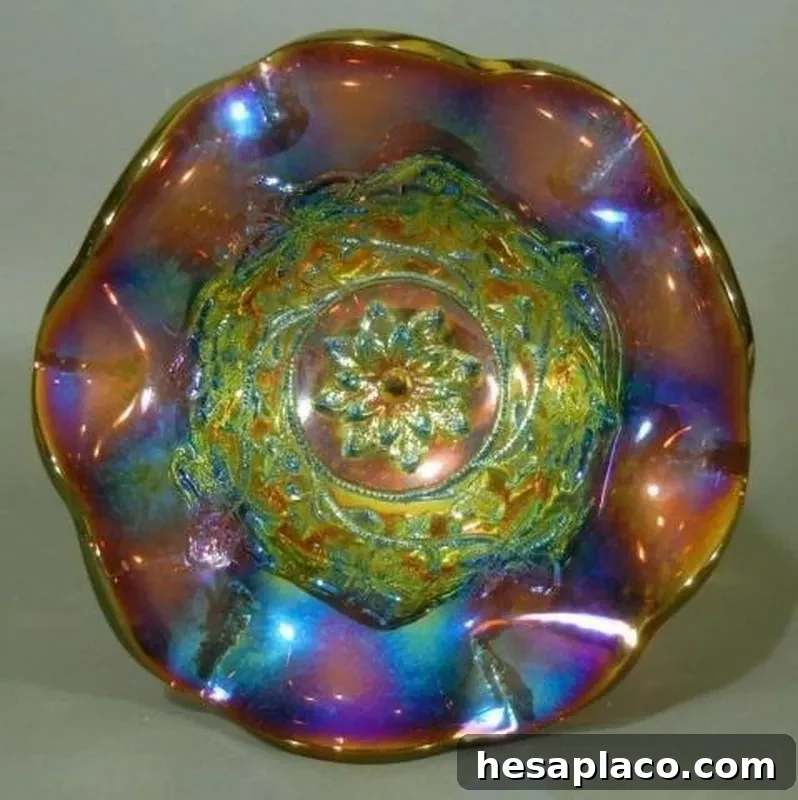
Bottom Line: Millersburg Flowering Vine
Hooked on Carnival
This amethyst flowering vine features a graceful handle and intricately molded blossoms. The piece’s symmetry and brilliant iridescence contribute to its strong auction result.
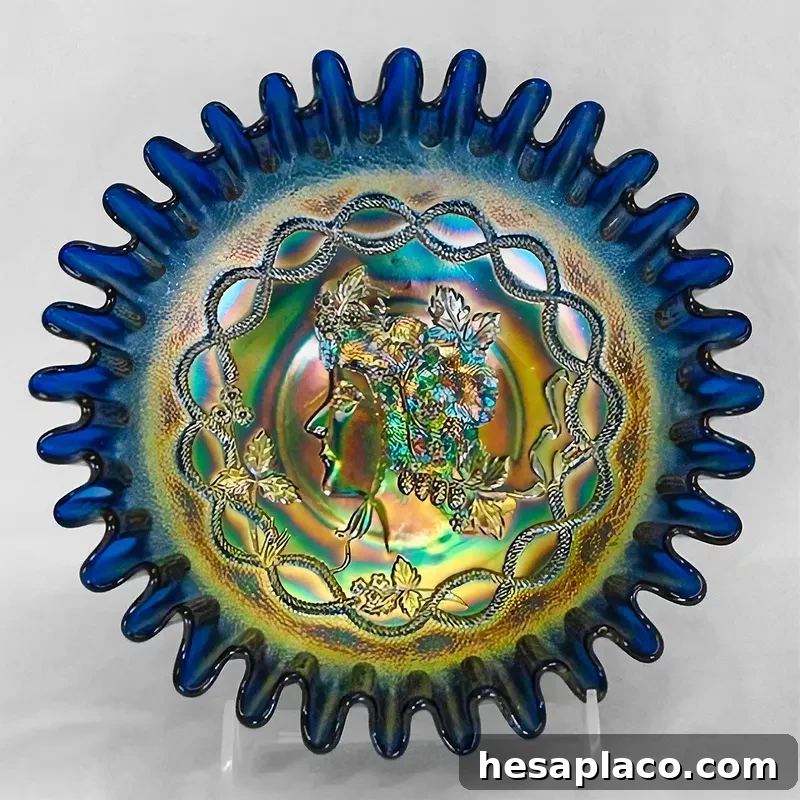
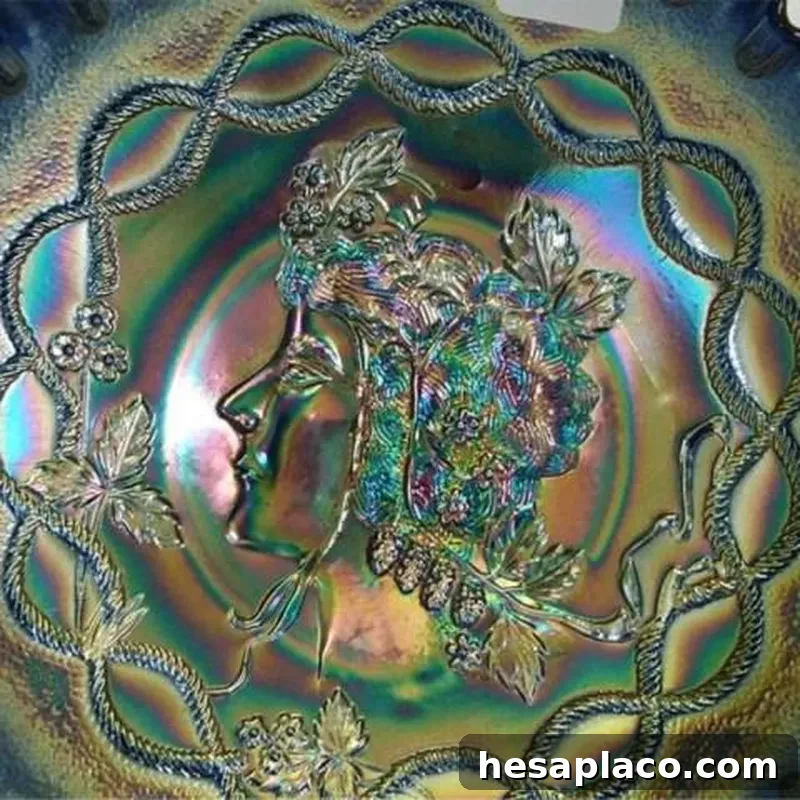
6. Fenton Goddess of Harvest Bowl
Hooked on Carnival
Sold: June 13, 2014
Value: $52,500
Bottom Line: Fenton Goddess of Harvest Bowl
Hooked on Carnival
This bowl’s classical profile and well-preserved iridescence, combined with intricate figural and decorative motifs, explain its high value at auction.
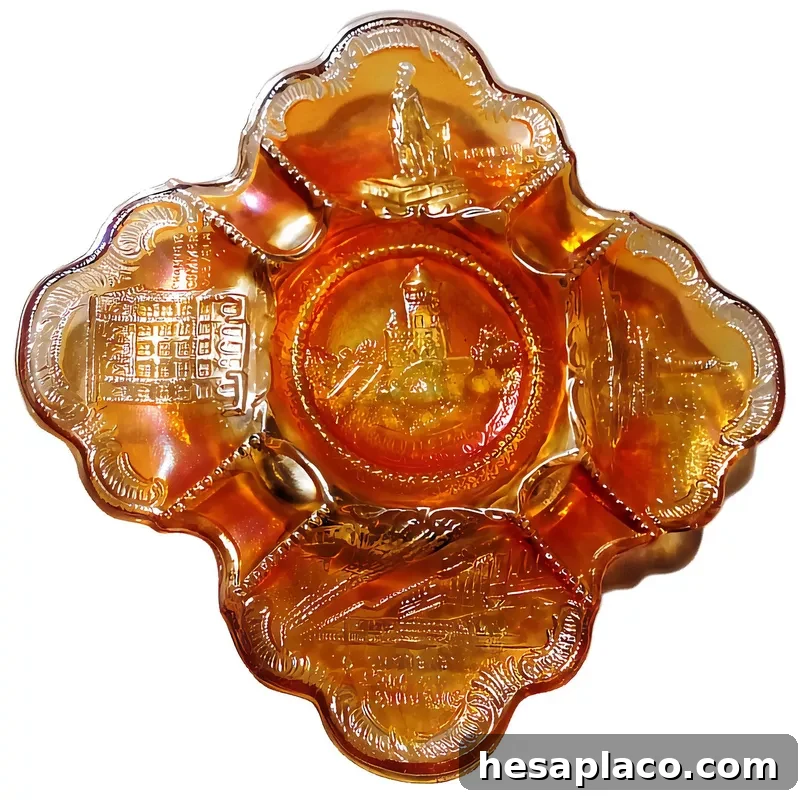
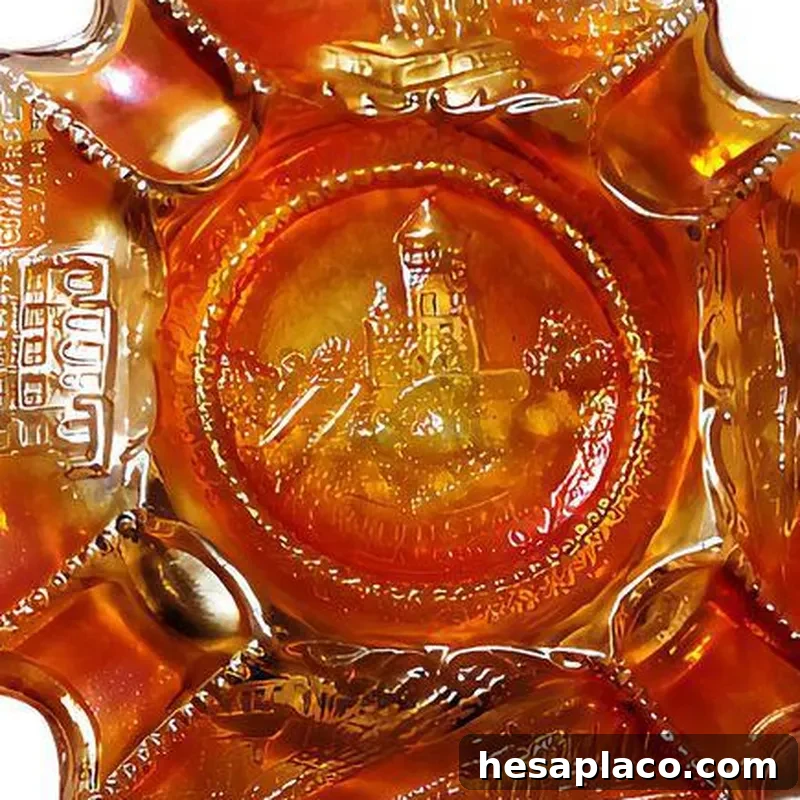
5. Cleveland Memorial Souvenir Ashtray
Hooked on Carnival
Sold: June 13, 2020
Value: $55,000
Bottom Line: Cleveland Memorial Souvenir Ashtray
Hooked on Carnival
Souvenir ashtrays were common in the era when carnival glass was popular and smoking was widespread. This example’s rare color and exceptional preservation help explain its surprisingly high valuation.
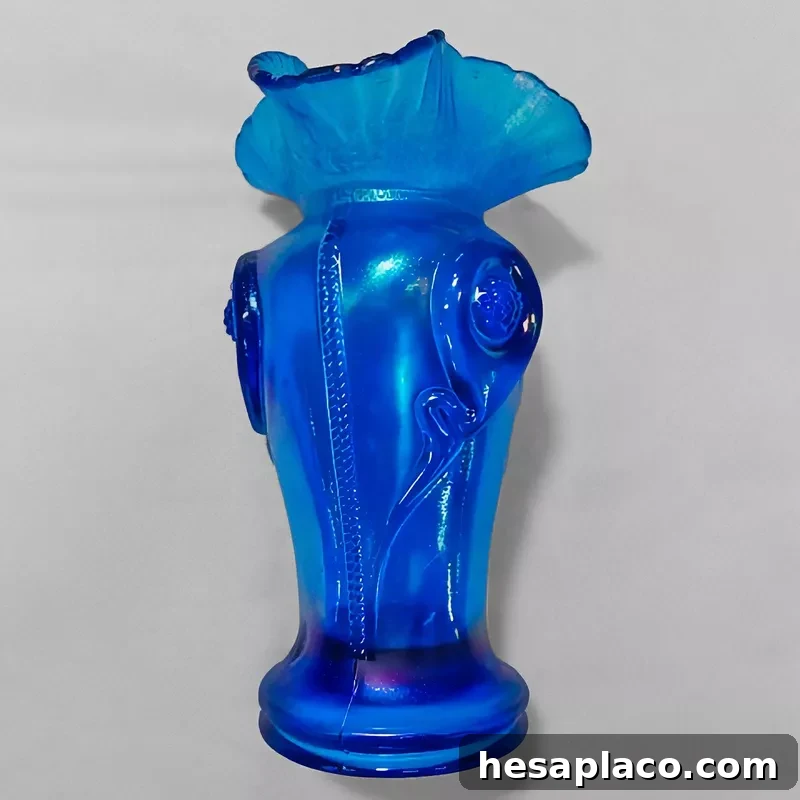
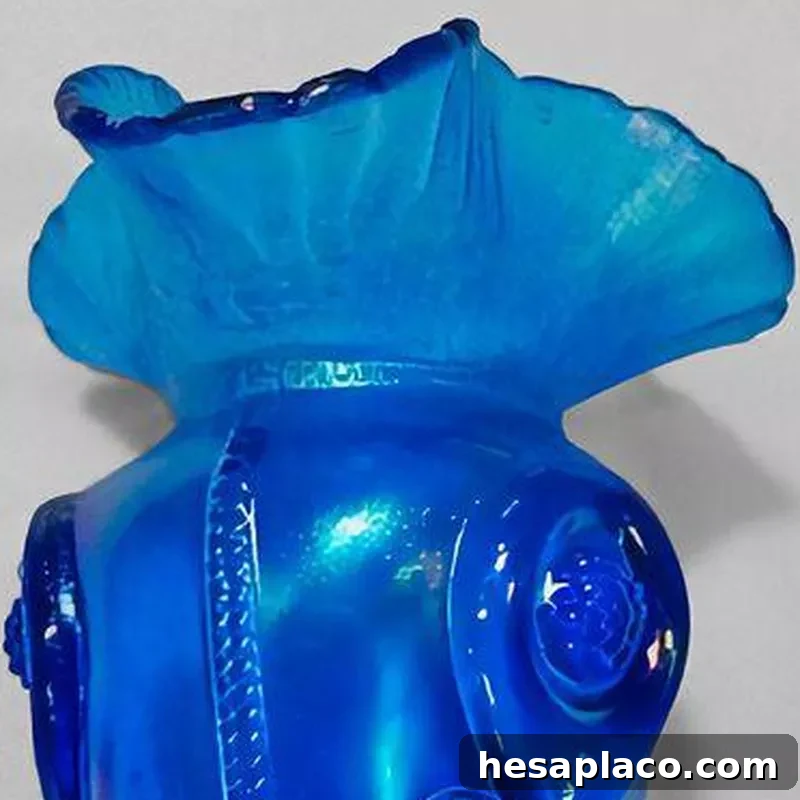
4. Northwood Tornado Vase
Hooked on Carnival
Sold: June 17, 2017
Value: $60,000
Bottom Line: Northwood Tornado Vase
Hooked on Carnival
Designed to suggest the motion of a tornado, this cobalt blue vase is prized for its dramatic shape and provenance. Pieces from notable collections often carry higher auction prices.
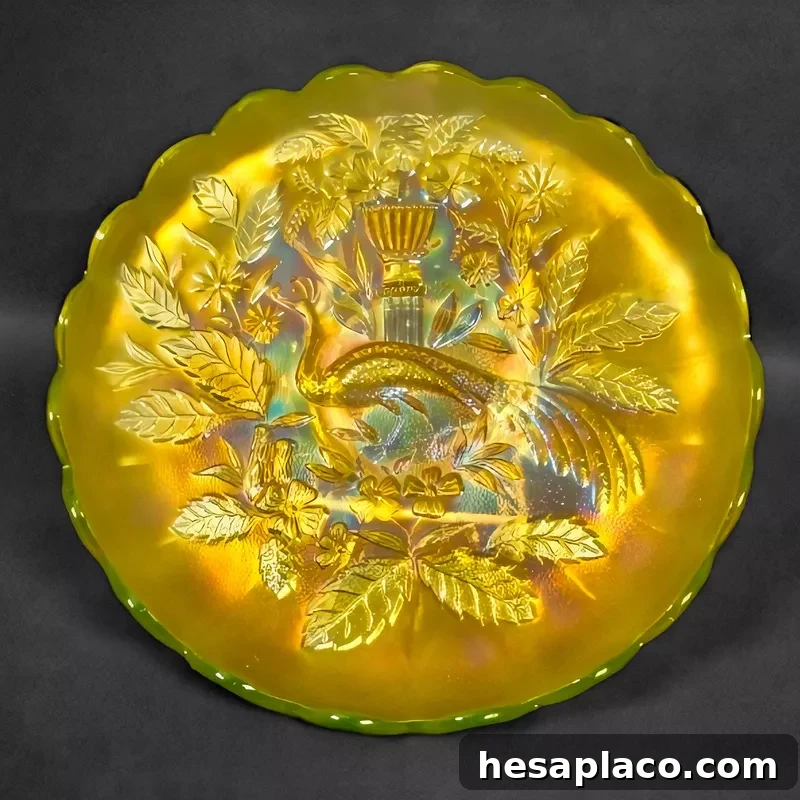
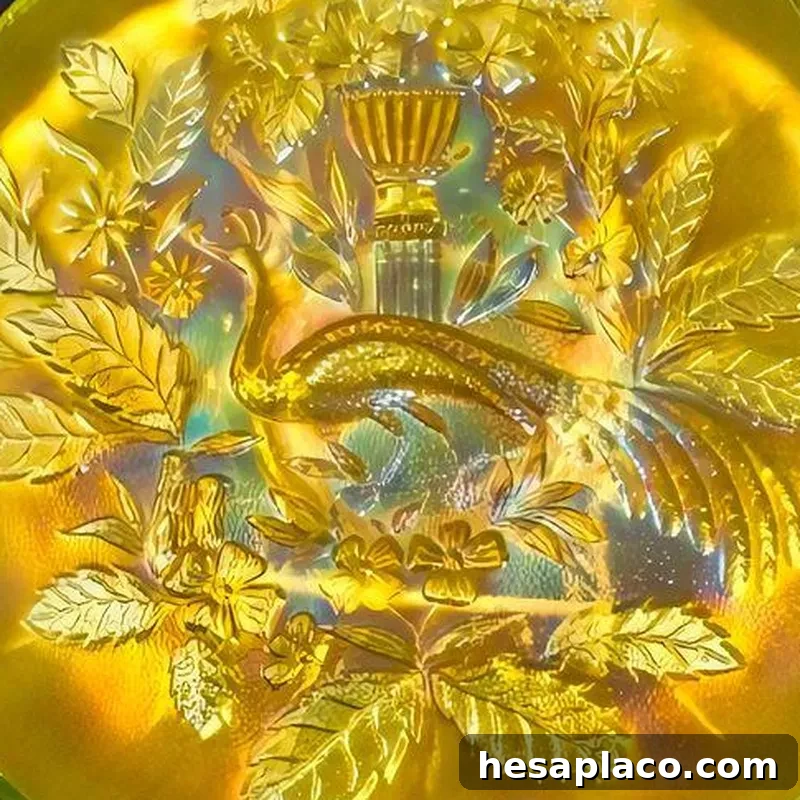
3. Northwood Peacock Vaseline Bowl
Hooked on Carnival
Sold: Aug. 24, 2019
Value: $66,000
Bottom Line: Northwood Peacock Vaseline Bowl
Hooked on Carnival
This peacock-patterned bowl glows a vaseline yellow and features highly detailed mold work. Very few of these bowls survive, adding to their rarity and value.
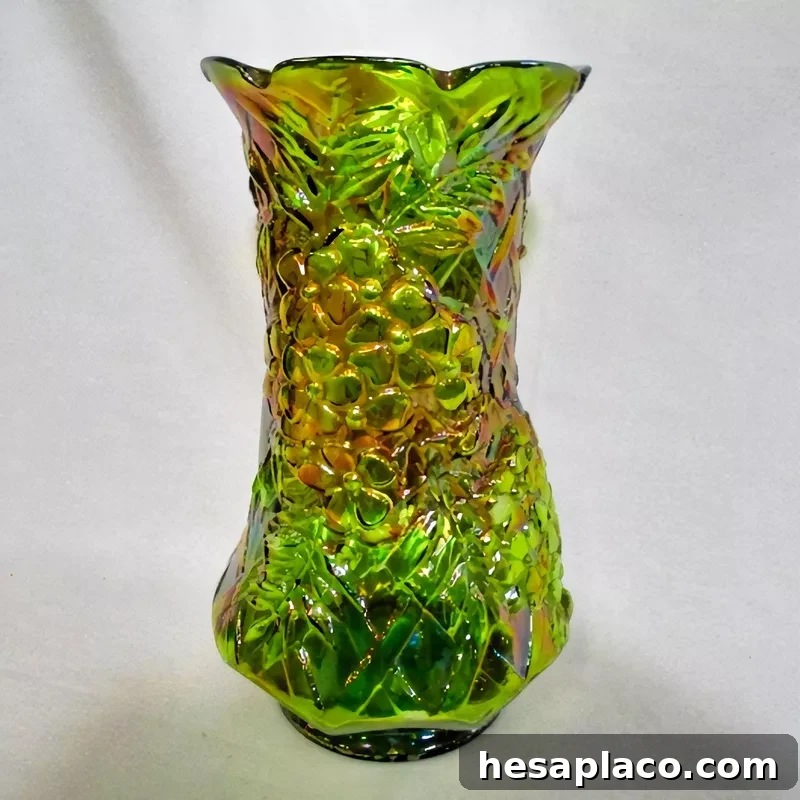
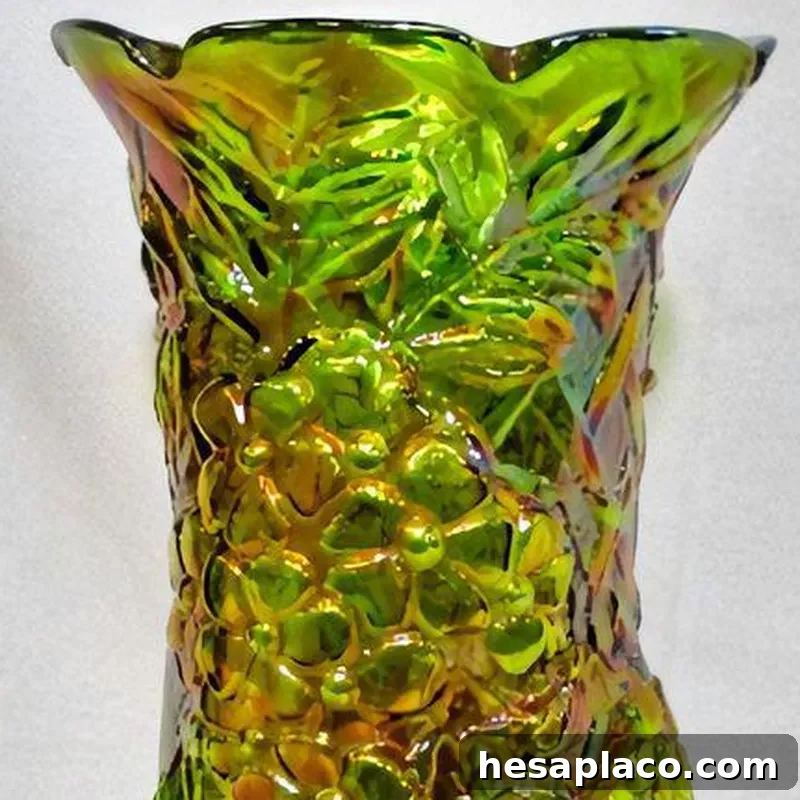
2. Northwood Wisteria Vase in Emerald Green
Hooked on Carnival
Sold: Oct. 27, 2018
Value: $140,000
Bottom Line: Northwood Wisteria Vase in Emerald Green
Hooked on Carnival
Nearly lime in tone yet sold at emerald prices, this pitcher-mold vase combines bright transparent green glass with a reddish-brown wash. As one of Northwood’s most valuable Whimsy items, it highlights how unusual color and finishing can dramatically increase worth.
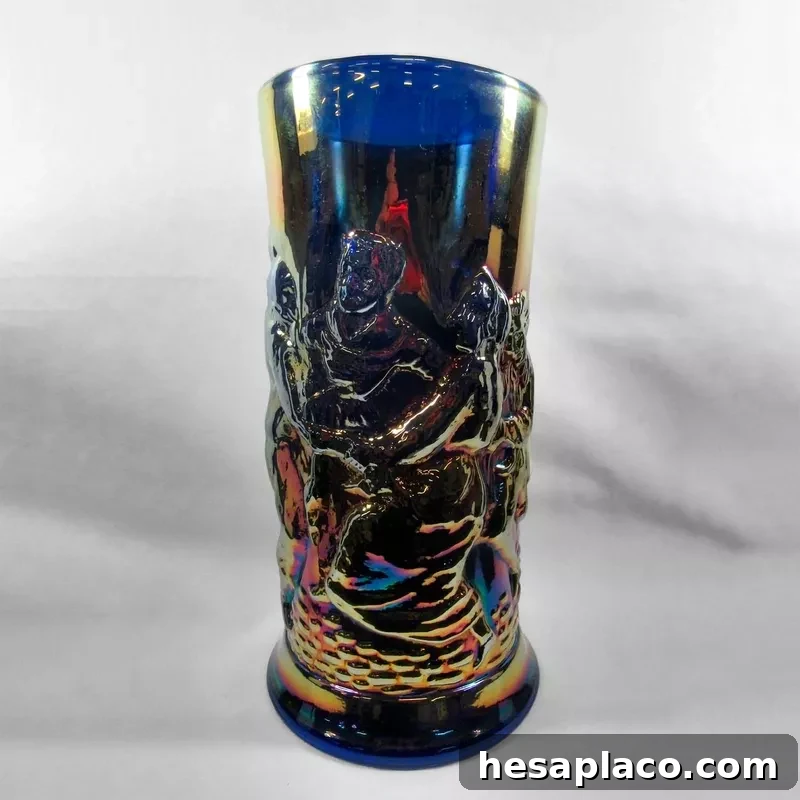
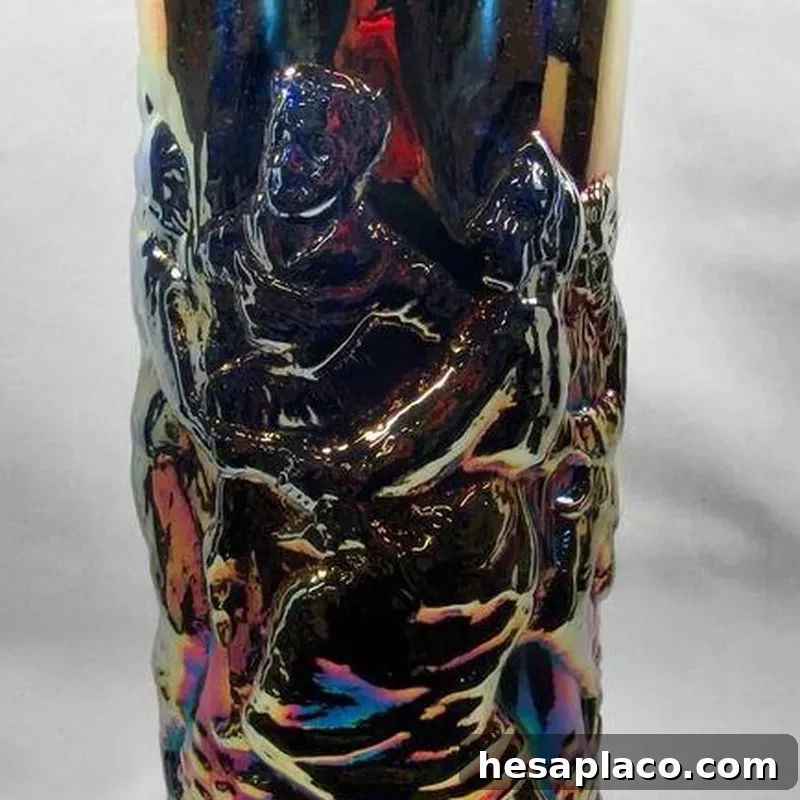
1. Millersburg People’s Vase in Blue
Hooked on Carnival
Sold: June 16, 2018
Value: $155,000
Bottom Line: Millersburg People’s Vase in Blue
Hooked on Carnival
Considered a quintessential carnival glass masterpiece, the People’s Vase features a vivid cobalt ground with multicolored iridescence. Commissioned in 1910—ten vases were originally made for the Dutch royal family—only eight are known to survive. One of these lives in the Millersburg Glass Museum.
What Makes Carnival Glass Valuable?
Chairish
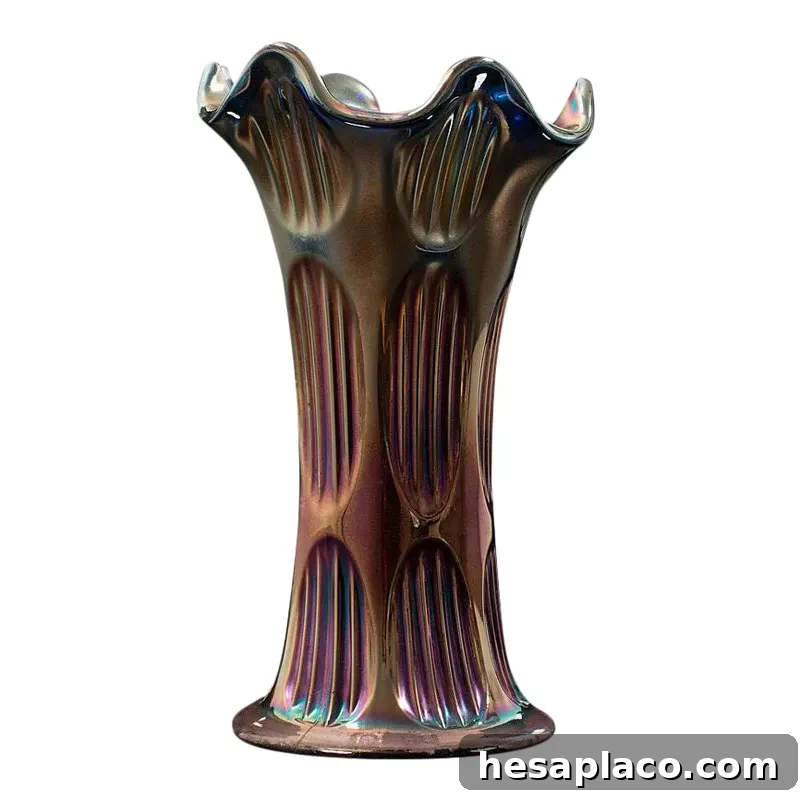
Carnival glass is prized for its iridescent finish, historic production methods and decorative molds. Although millions of pieces were made, value varies widely: the majority of items sell for roughly $20 to $200, while exceptional specimens fetch much higher sums. Important factors that influence value include condition, color, manufacturer, rarity and age.
Condition is critical—chips, cracks or heavy wear reduce value substantially. Color plays a major role: deep, unusual hues are more collectible. Pieces from well-known makers (for example, Northwood, Millersburg, Dugan, Fenton and Imperial) often attract higher prices. Early production runs, one-off pieces, or unique advertising examples can also be significantly more valuable.
What Is the Rarest Color of Carnival Glass?
Chairish
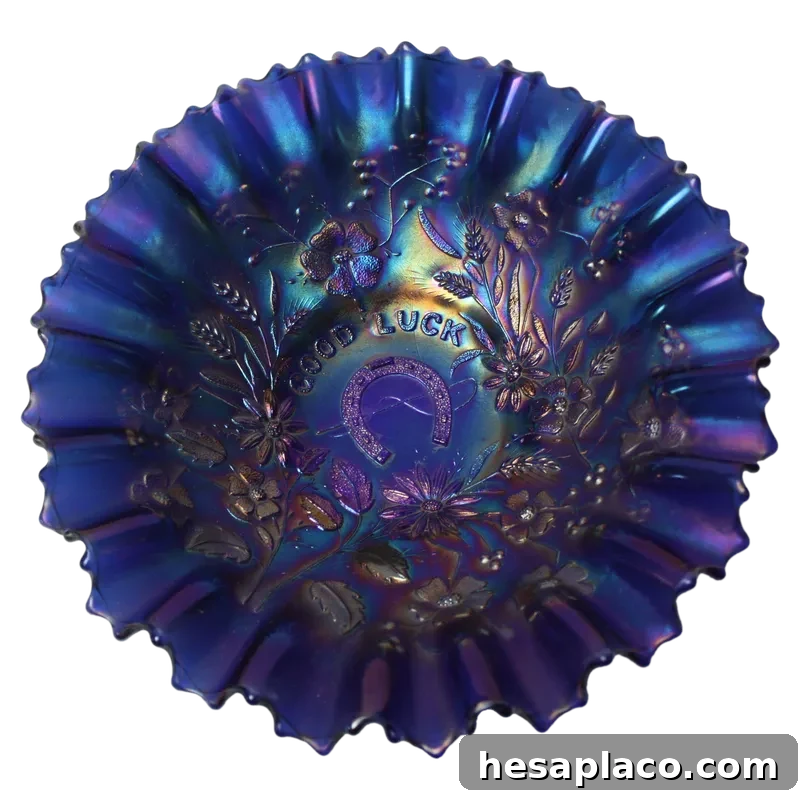
Purple is often cited among the rarest and most valuable carnival glass colors. Red, orange and yellow are also uncommon because those colors were harder to produce reliably when carnival glass was first made. As a result, pieces in these hues frequently command premium prices.
How Can You Identify Real Carnival Glass?
Chairish
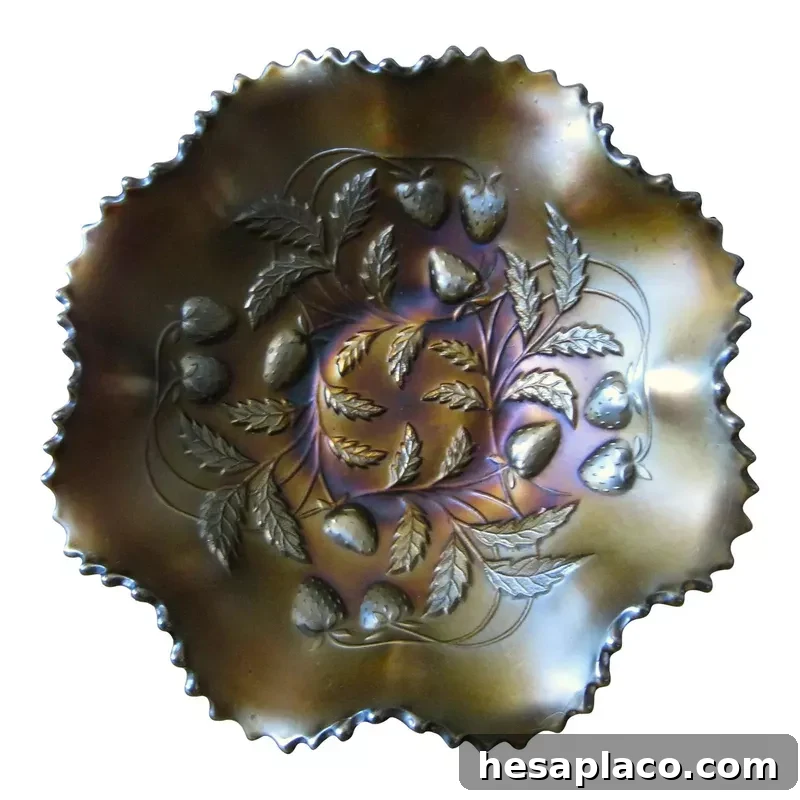
To determine authenticity and age, examine marks, finish and wear. Many manufacturers stamped or marked bases; identifying a known maker is useful but not always definitive. Older carnival glass often shows uneven iridescence and less sheen on the undersides, while modern reproductions tend to be uniformly shiny. Consistent vibrancy across the entire piece can suggest a more recent production.
Is Depression Glass the Same as Carnival Glass?
Chairish
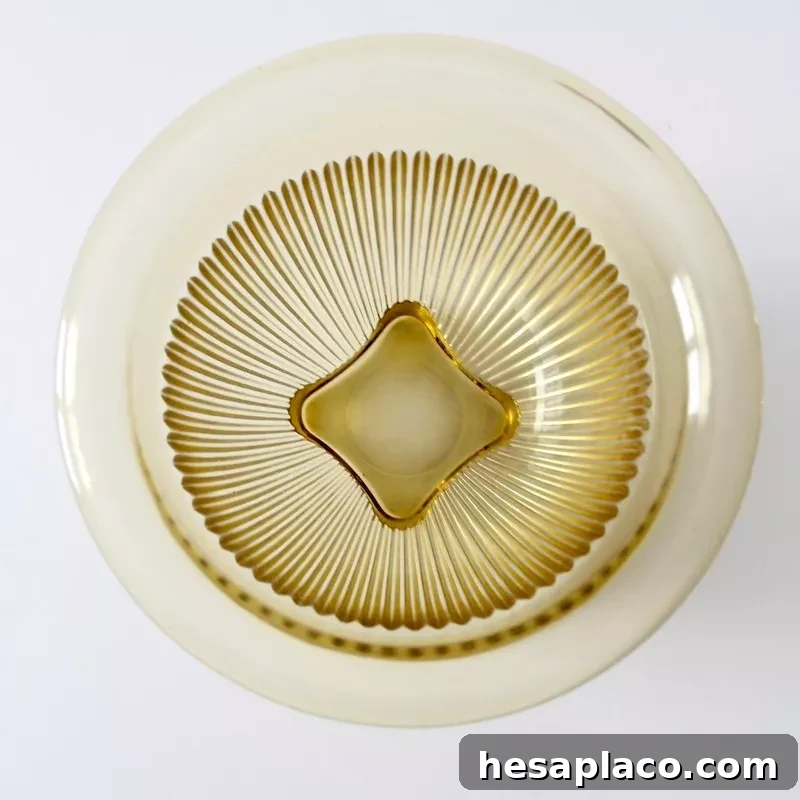
Although both were popular in the early 1900s, depression glass and carnival glass are different categories. Depression glass was mass-produced, often in clear or molded colors, and remains relatively inexpensive. Carnival glass, with its distinctive iridescent finish and more decorative production methods, is generally rarer and more collectible. While high-end depression glass examples exist, they typically do not reach the values seen for exceptional carnival glass pieces.