
Horrible bosses sap your energy, crush motivation, and can even hurt the broader economy.
On the bright side, research suggests that if you’ve worked for a bad boss you’re actually less likely to become one yourself. Still, knowing that doesn’t make the day-to-day any easier. A bit of humor — and the reminder that you’re not alone — can help. Below is a curated collection of the worst (and often most ridiculous) boss behaviors people have shared on Twitter, organized by type and illustrated with images where available.
The Boss Who Doesn’t Respect the Weekend
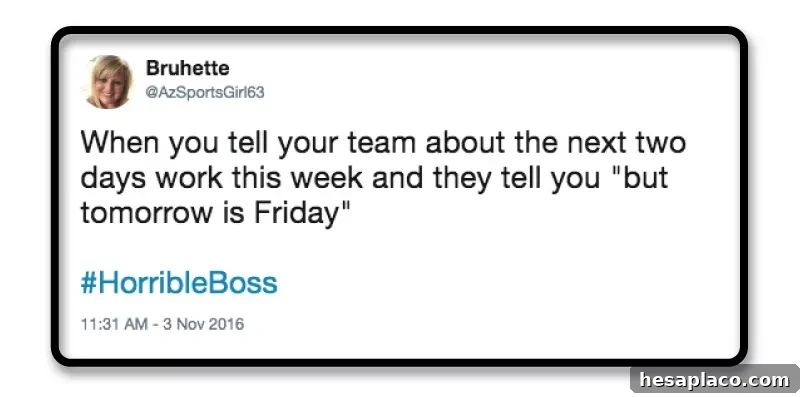
Saturday should be for rest, not work. A boss who ignores boundaries and interrupts employees’ weekends damages morale and personal life balance.
The Accidental Boss
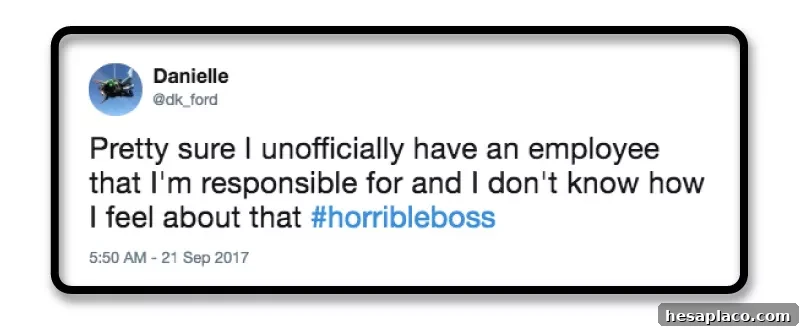
Some people end up in leadership without clarity about their role. If even the boss isn’t sure who’s in charge, teams struggle to get clear direction.
The Boss With No Boundaries

Being friendly with your team is fine, but overfamiliarity or blurred personal-professional lines creates discomfort and can lead to awkward or unethical situations.
The Boss Who Blurs Lines

Romantic relationships or inappropriate closeness with employees often end badly. Maintaining professional distance protects both parties and the workplace culture.
The Boss With No Compassion

Firing or punishing someone who’s already struggling shows a lack of empathy. Compassionate leadership builds trust and loyalty; callousness destroys it.
The Humorless Boss
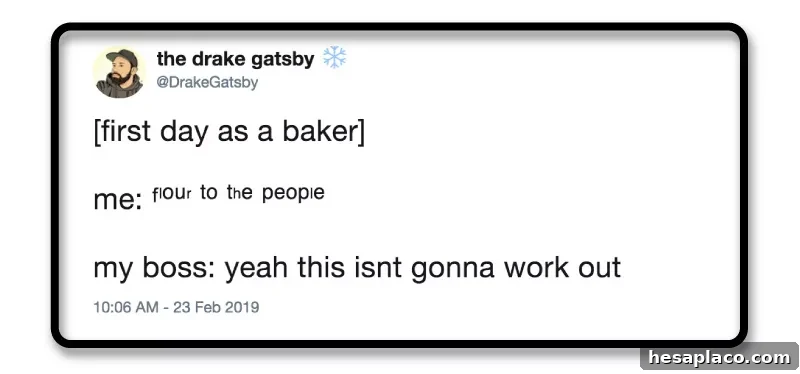
Work can be stressful; a touch of humor helps. Leaders who dismiss or punish harmless levity risk making the workplace oppressive.
The Boss Who Doesn’t Walk the Walk
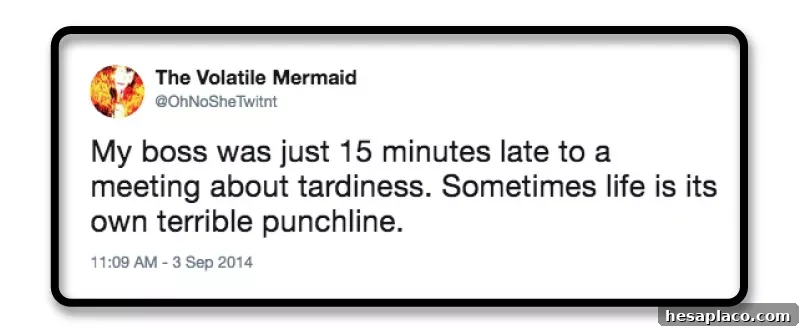
When managers demand standards they don’t follow themselves, respect and credibility evaporate. Leading by example is essential.
The Brutally Honest Boss
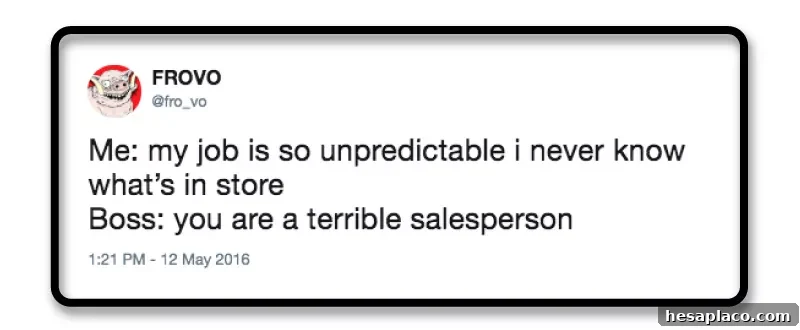
Directness can be valuable, but excessive bluntness without tact demoralizes employees. Feedback should be constructive, not crushing.
The Boss Who Dishes It But Can’t Take It
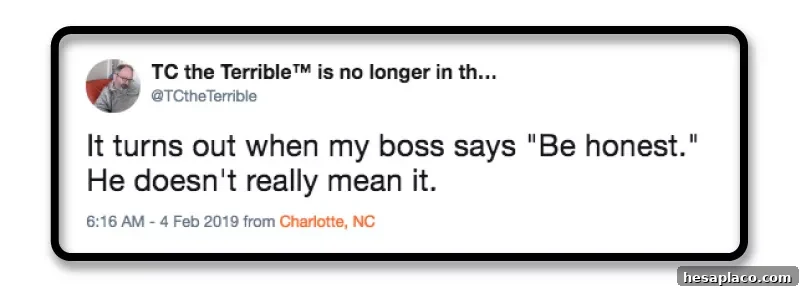
Some leaders are quick to criticize yet hypersensitive when criticized in return. Healthy workplaces accept feedback at all levels.
The Boss Who Doesn’t Know What They’re Talking About
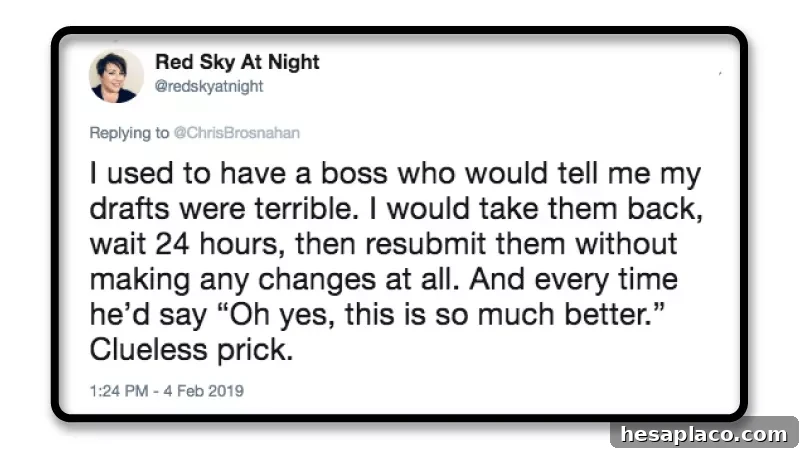
It’s infuriating when a manager gives orders based on incorrect information. Employees often know more about day-to-day work; good leaders listen.
The Boss Who Doesn’t Share Information
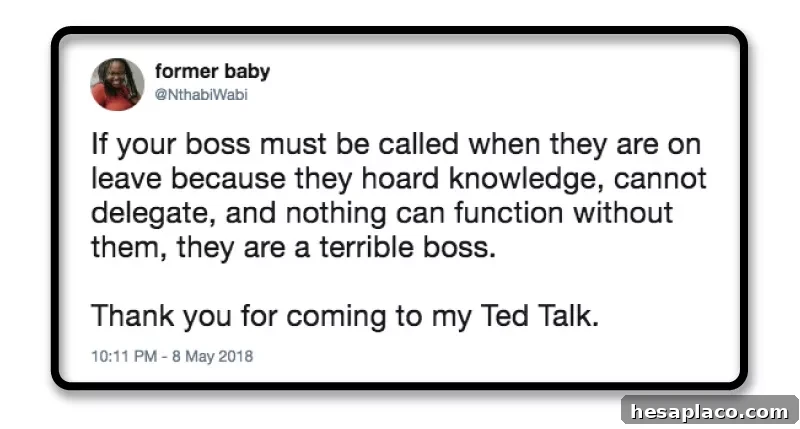
Withholding key information prevents teams from functioning independently. A strong leader sets up systems so work continues smoothly in their absence.
The Boss Who Makes You Question Your Sanity
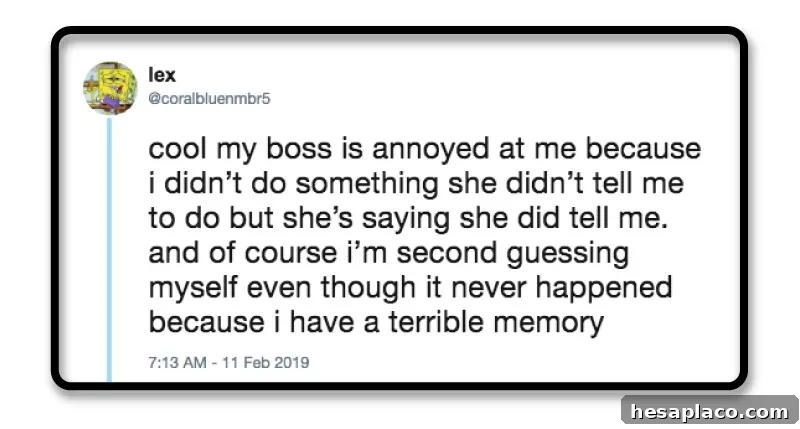
Being gaslit at work — told you were told to do something you never were — is emotionally draining. Clear documentation and respectful communication help prevent this.
The Passive-Aggressive Boss
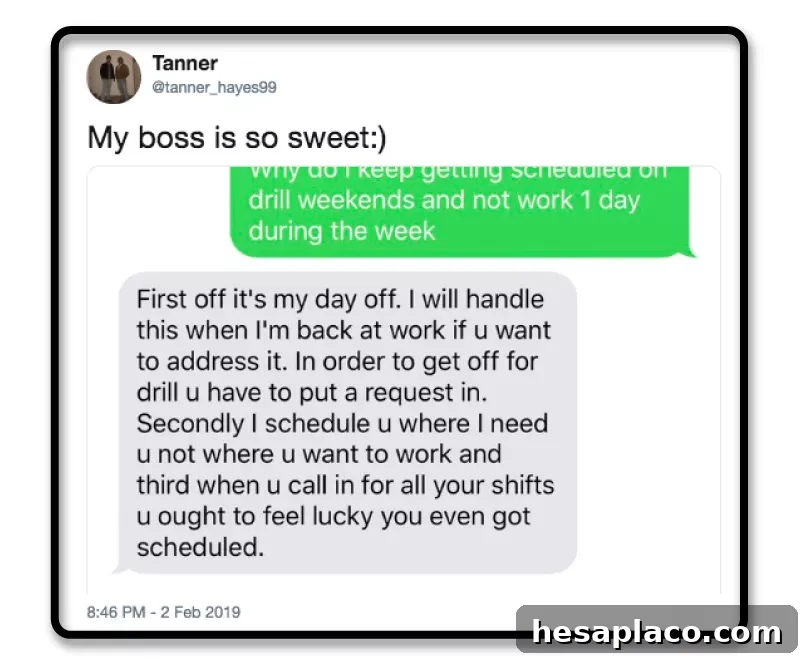
Backhanded compliments and subtle belittling create a toxic atmosphere. Leadership should be transparent and fair, not condescending.
The Farty Boss
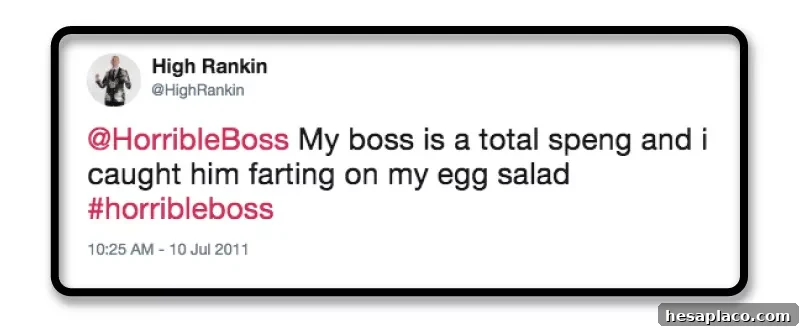
Personal hygiene and office etiquette matter. Even well-meaning leaders can undermine team comfort if they ignore basic manners.
The Boss Who Tries Too Hard to Be a Fun Boss
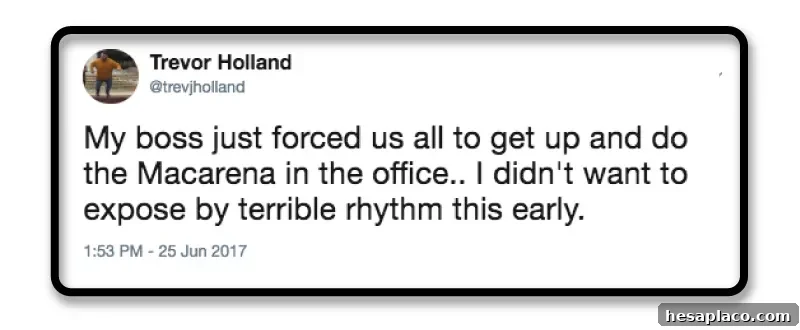
Trying to force “fun” in the workplace — like impromptu dances — often feels awkward and out of touch. Authentic team-building beats staged antics.
The Boss Who Screws You Over
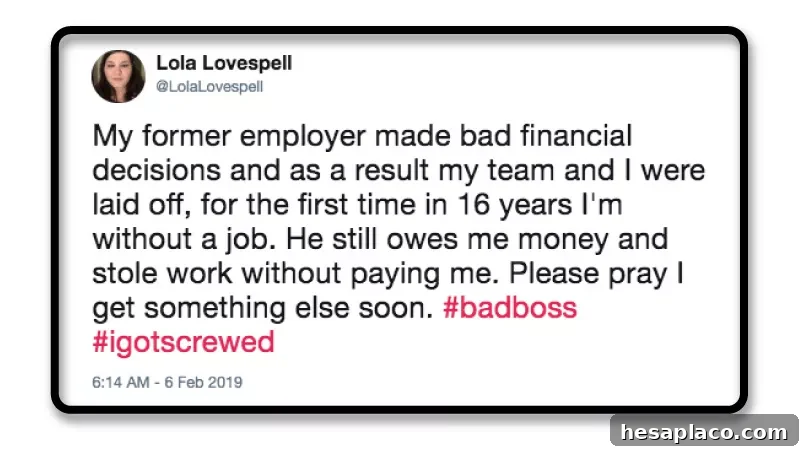
Prioritizing company or personal gain over employees’ wellbeing destroys trust. Effective leaders balance business needs with fair treatment.
The Boss With Double Standards

When rules apply only to some people, resentment follows. Consistency in expectations and consequences is vital for morale.
The Callous Boss

Leaders who pry into employees’ personal lives to exploit them for work obligations break boundaries and harm trust.
The Worst Boss
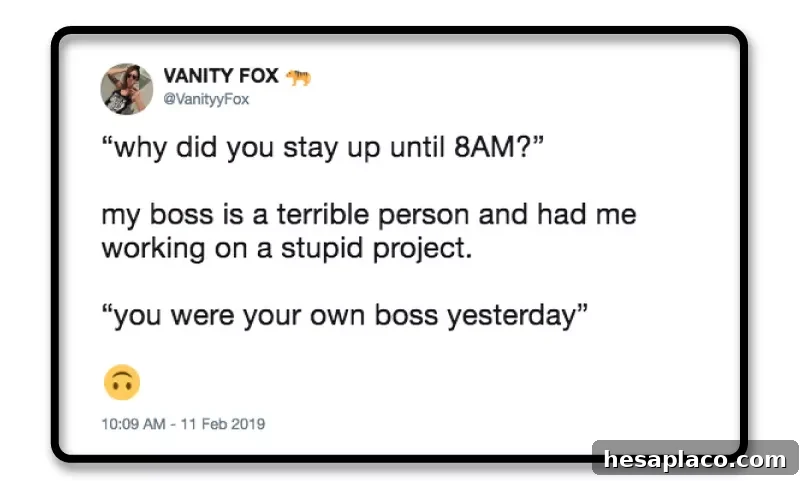
Sometimes we sabotage ourselves — and sometimes a bad boss is simply the wrong fit. A supportive manager can make a huge difference in productivity and wellbeing.
The Old-Fashioned Boss

Outdated beliefs about toughness and remedies (like “cowboy” cures for illness) are unhelpful and sometimes harmful. Modern leadership includes supporting health and recovery.
The Cryptic Boss
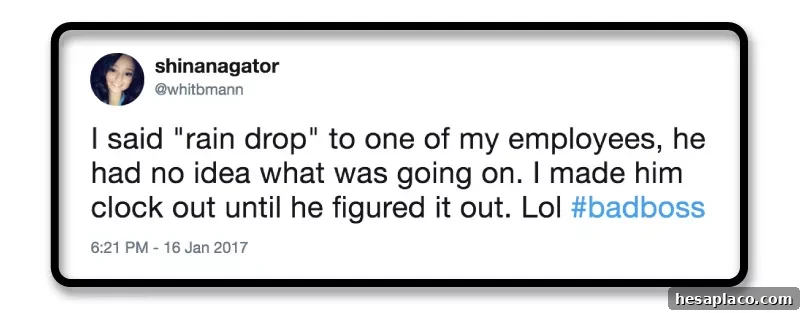
Vague instructions that demand off-hours decoding are disrespectful. Clear, actionable communication is a basic requirement of good management.
The Unrealistic Boss
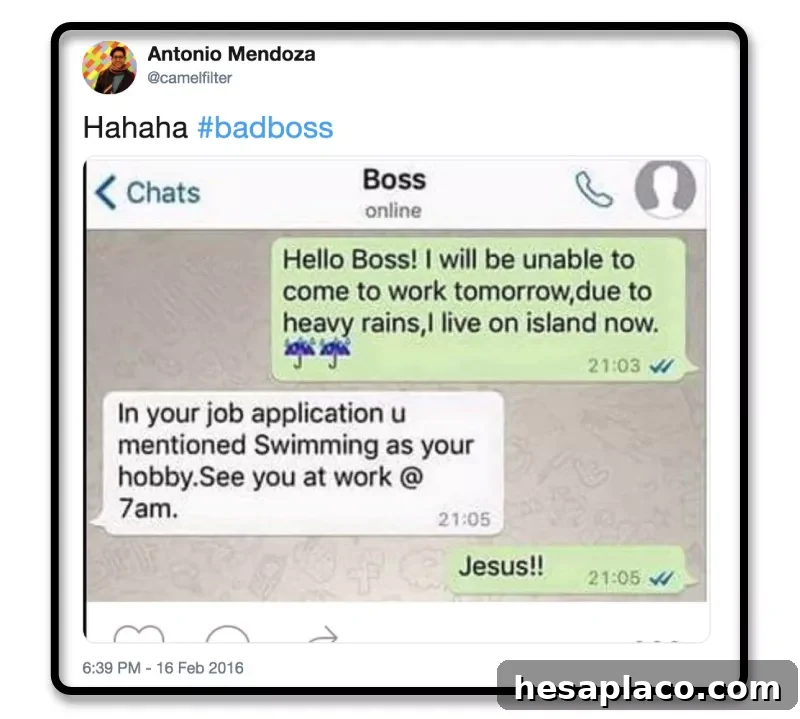
Unrealistic expectations — like forcing employees to risk safety to get to work in extreme weather — are dangerous and unacceptable.
The Aloof Boss

Recognition matters. A boss who never acknowledges effort demotivates the team, even if performance remains high for a while.
The Cursing Boss
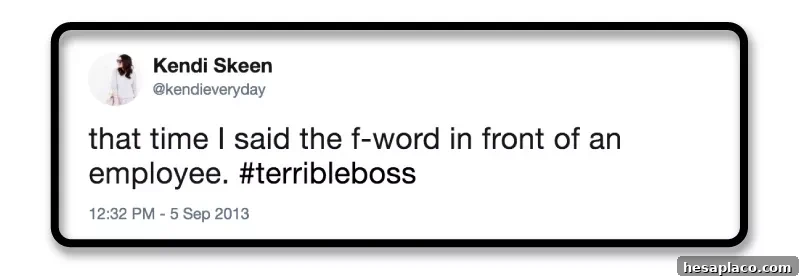
Professional language matters. Constant profanity from leadership can create an uncomfortable or hostile work environment.
The Judgmental Boss
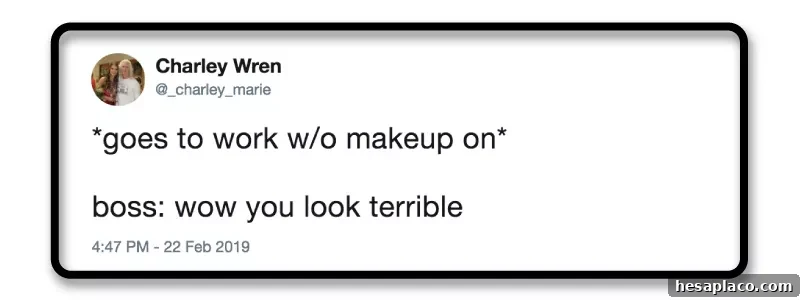
Comments about appearance or personal attributes are never appropriate. Respect and dignity should be baseline expectations at work.
The Taunting Boss

When employees threaten to quit and a boss calls the bluff, it often ends with the employee leaving and morale suffering across the team.
The Smelly Boss

Body odor or strong scents can be distracting and unpleasant. Courtesy and self-awareness go a long way in maintaining a professional workspace.
The Serious Boss
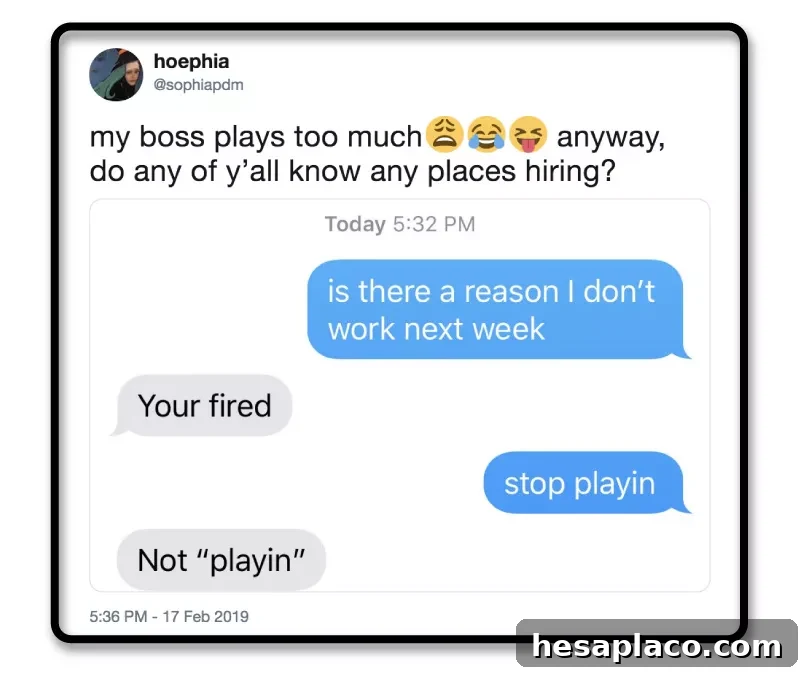
Being let go is painful; receiving that news impersonally — like via text — is especially harsh. Dignity matters, even in difficult decisions.
The Disappearing Boss

Unreliable leaders who miss meetings or drop responsibilities without notice leave teams scrambling and undermine planning.
The Hierarchical Boss
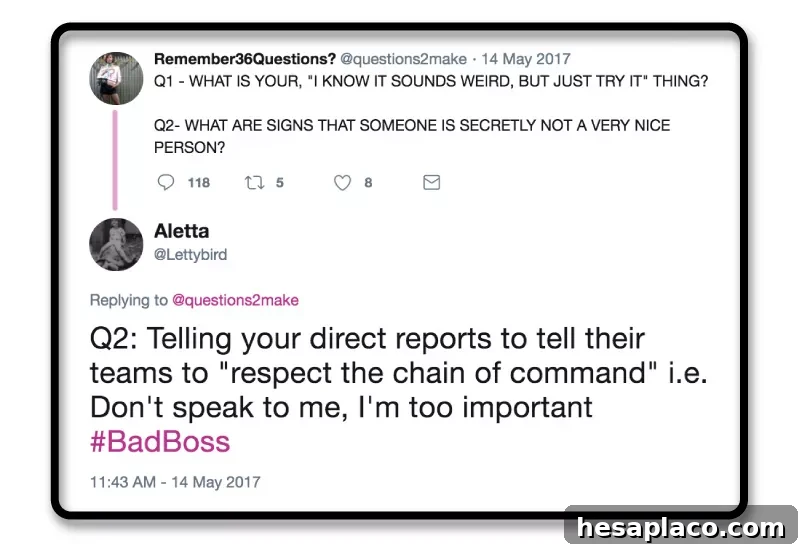
When leaders are deliberately unapproachable, they cut off feedback and ideas. Accessibility encourages innovation and trust.
The Chatty Boss
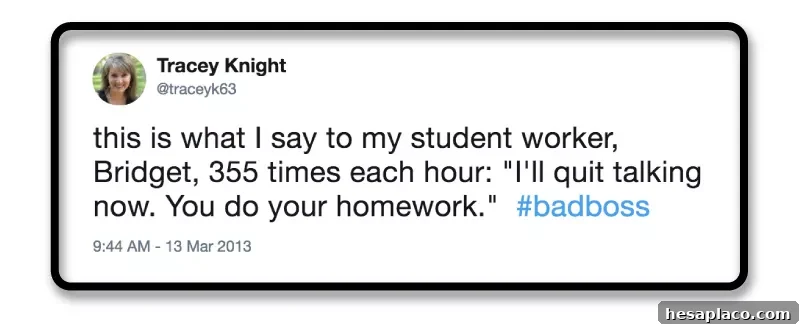
Interrupting and monopolizing conversations wastes time and frustrates staff. Good leaders listen more than they speak.
The Revenge Boss

Occasionally, former bad bosses face consequences. Seeing accountability can be vindicating for those who suffered under poor leadership.
The Repetitive Boss
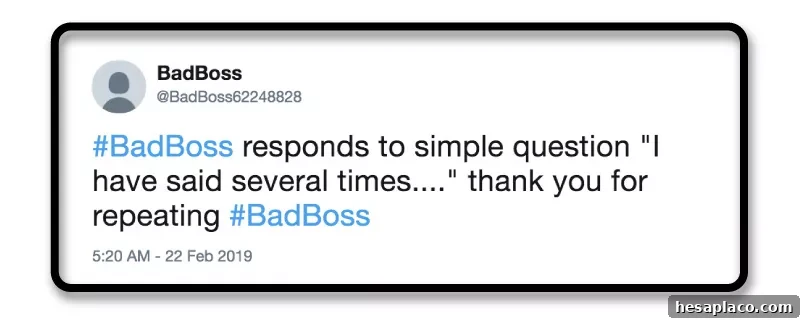
Repeating instructions endlessly suggests poor communication and a lack of trust in employees’ competence.
The ‘I’m Not Your Friend’ Boss
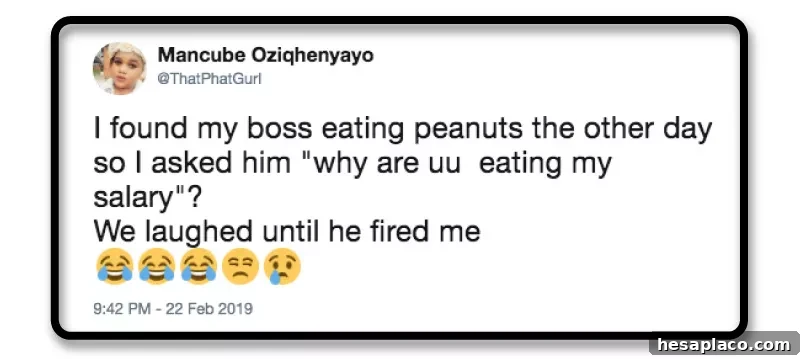
Leaders who flip between camaraderie and authoritarian reminders create confusion and insecurity on their teams.
The Loud Boss
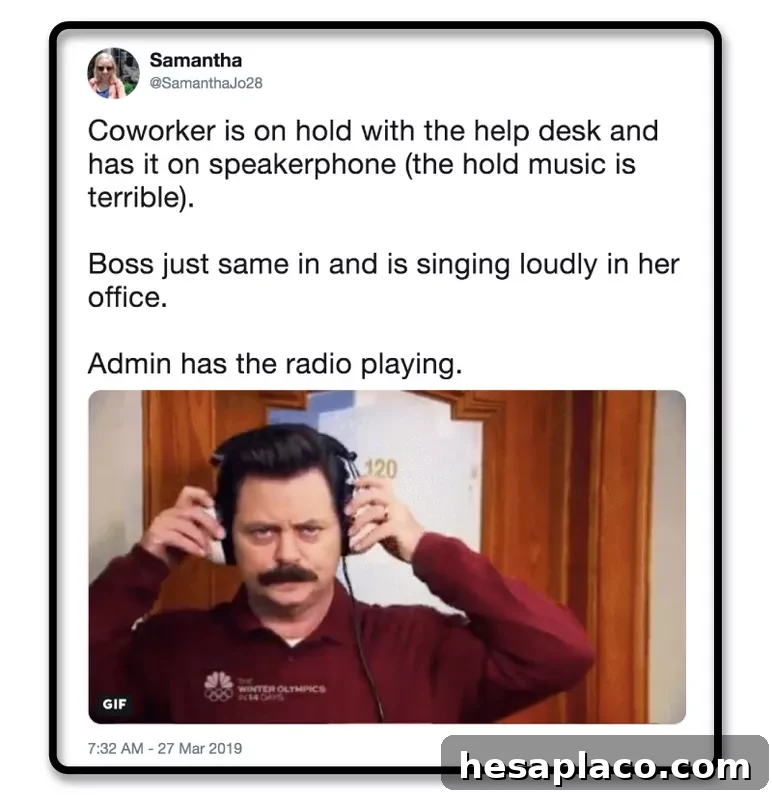
Loud behavior from leadership adds stress and can drown out thoughtful conversation in the office.
The Boss That Takes You up on Your Offer
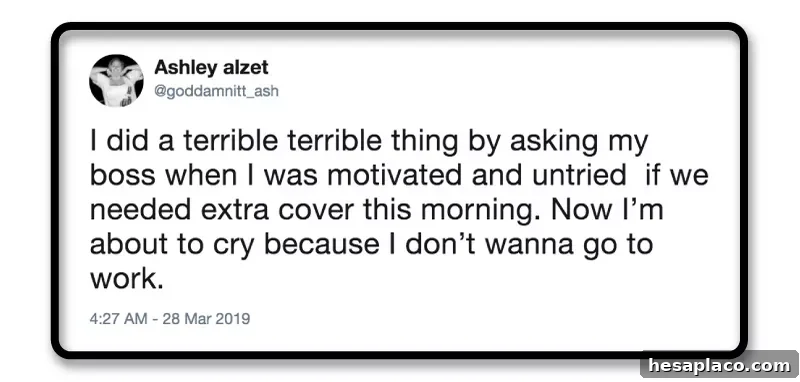
Occasionally employees make casual offers to help; some bosses take those offers literally and end up overloading staff. Be careful what you volunteer.
The Note-Loving Boss
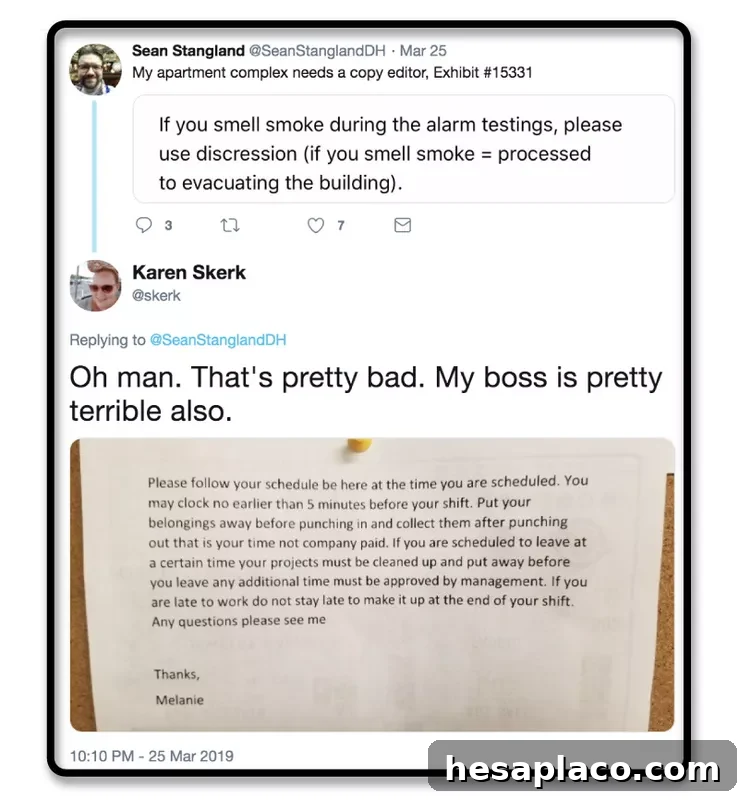
Posting passive-aggressive notes for the whole company is a poor substitute for direct, respectful communication.
The Hypothetically Uncaring Boss
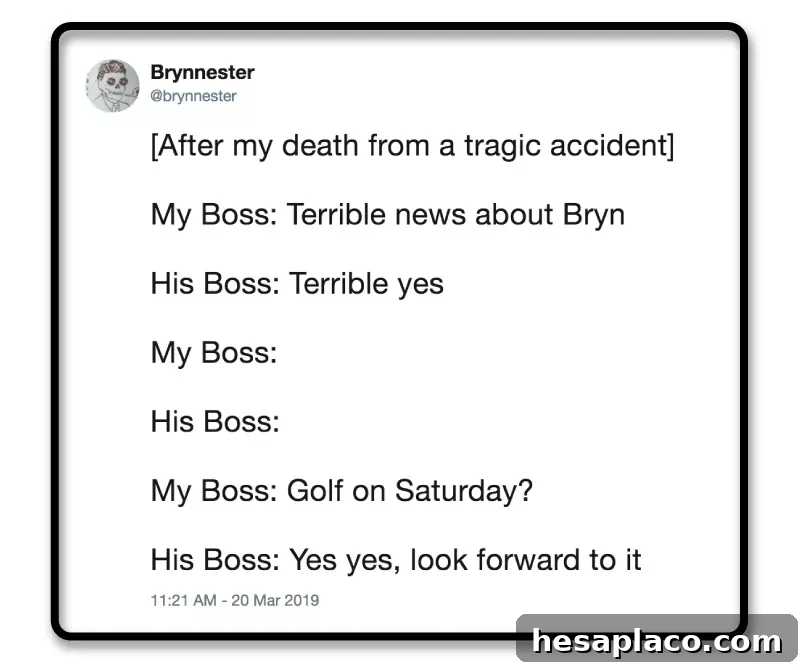
Feeling invisible or replaceable at work erodes loyalty. Good leaders show employees they matter.
The Beet Boss

Sometimes boss jokes fall flat. Humor that relies on puns can be charming or groan-inducing — context matters.
The Travesty of a Boss
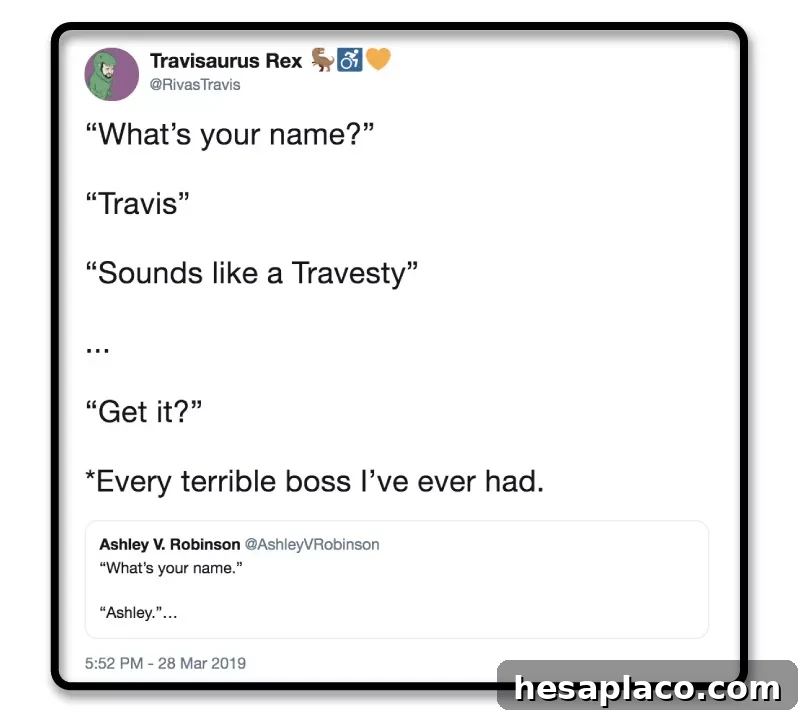
Many managers recycle the same poor ideas while thinking they’re original. Employees notice, and morale suffers.
The Boss Who Delegates Meetings
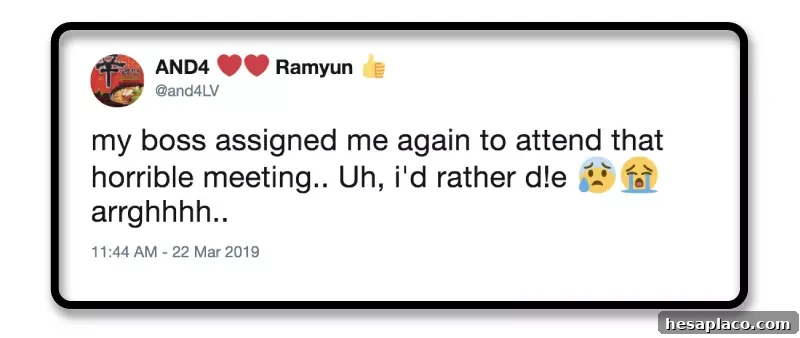
Meetings without purpose waste time and frustrate employees. Leaders should ensure every meeting has a clear agenda and outcomes.
The Bragging Boss
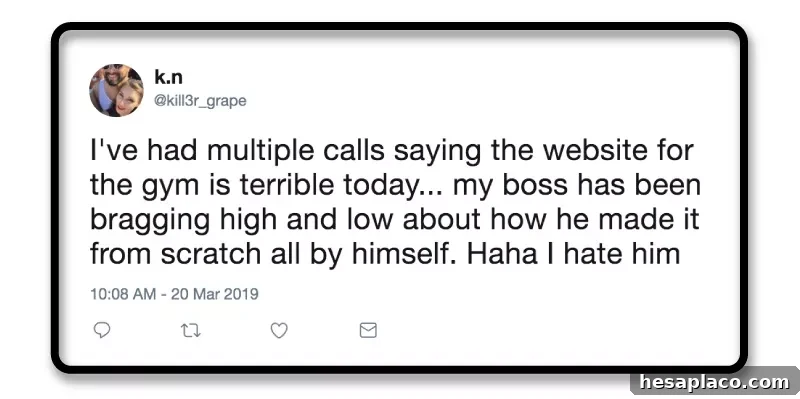
Boasting about questionable achievements undermines credibility. Authentic humility builds respect.
The Lackadaisical Boss

Apathy at the top breeds apathy below. Leaders who don’t care about their work make it hard for teams to stay engaged.
The Boss Who Doesn’t Even Notice
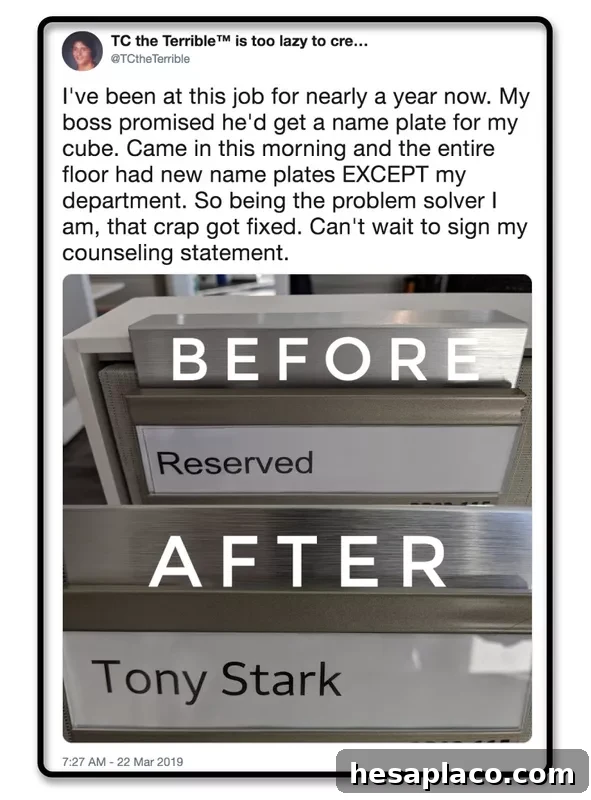
Being consistently overlooked can be demoralizing. When recognition is absent, employees often find creative ways to cope.
The Boss You’re Better Off Without
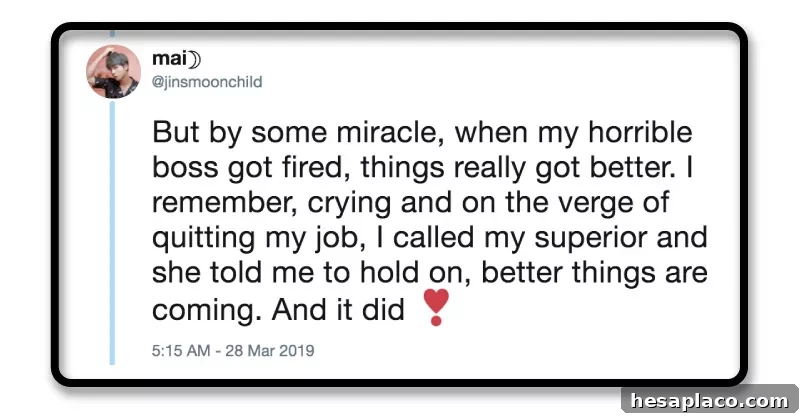
Sometimes the best outcome is moving on. A toxic boss can be a temporary chapter, and leaving can open the door to healthier opportunities.
The Night Owl Boss
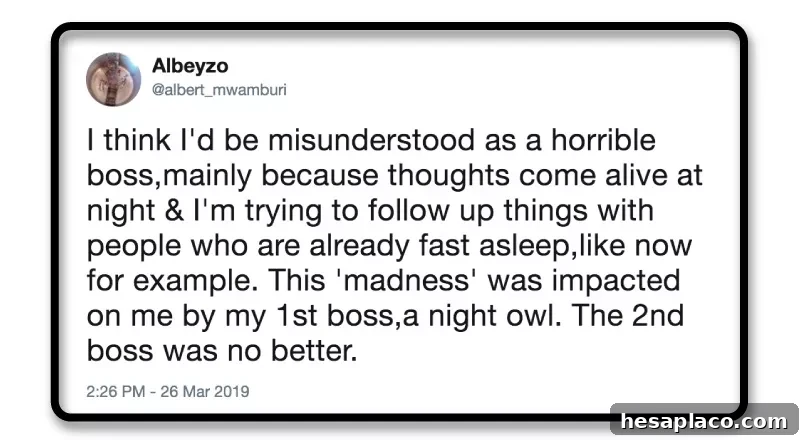
Expecting around-the-clock availability blurs personal boundaries and invites burnout. Respect for personal time is essential.
The Tough Love Boss

Constructive criticism should help people grow, not humiliate them. Tough love can be effective when paired with support and respect.
The Procrastinating Boss
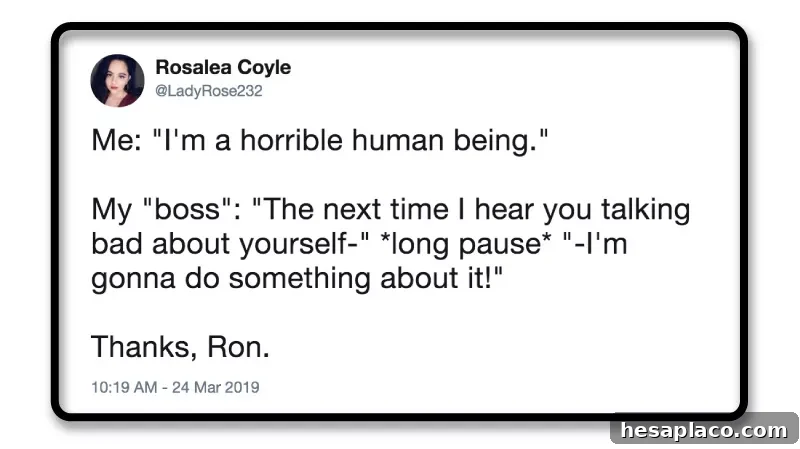
Delaying decisions or postponing commitments forces teams into uncertainty. Timely leadership is crucial for momentum.
The Boss Who Knows Too Much About You
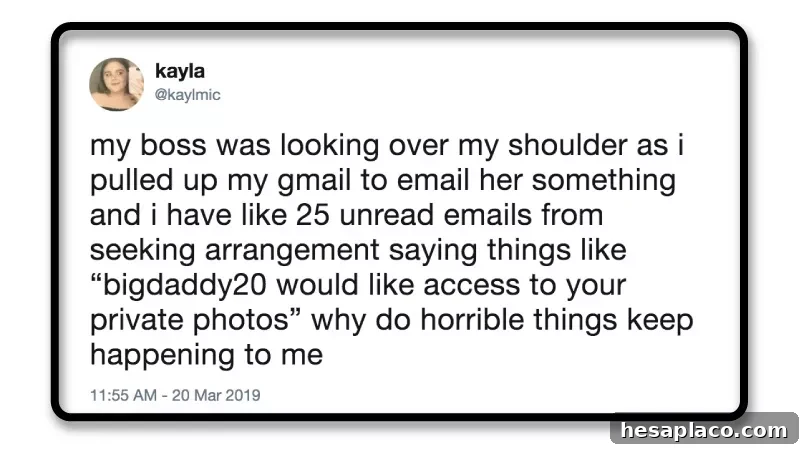
Maintaining appropriate boundaries keeps the professional relationship healthy. Managers who pry risk creating uncomfortable dynamics.
The Self Aware But Grateful Bad Boss

Not all bosses are perfect. Those who recognize their shortcomings and appreciate loyal employees are far easier to work with and can improve.
The Neverending Bad Boss Cycle

Escaping one bad boss only to land with another is a frustrating reality for many. The solution often lies in finding workplaces with healthier cultures rather than relying on any single manager.
Bad bosses come in many shapes: indifferent, overbearing, clueless, inappropriate, or simply inconsiderate. While some behaviors are laughable in hindsight, chronic mistreatment harms productivity, mental health, and retention. If you’re dealing with a difficult manager, document interactions, seek allies, set boundaries when possible, and explore options to transfer or leave if the situation doesn’t improve. And when you’re ready to lead, remember these examples — strive to be the kind of manager who builds people up, sets clear expectations, and respects personal boundaries.