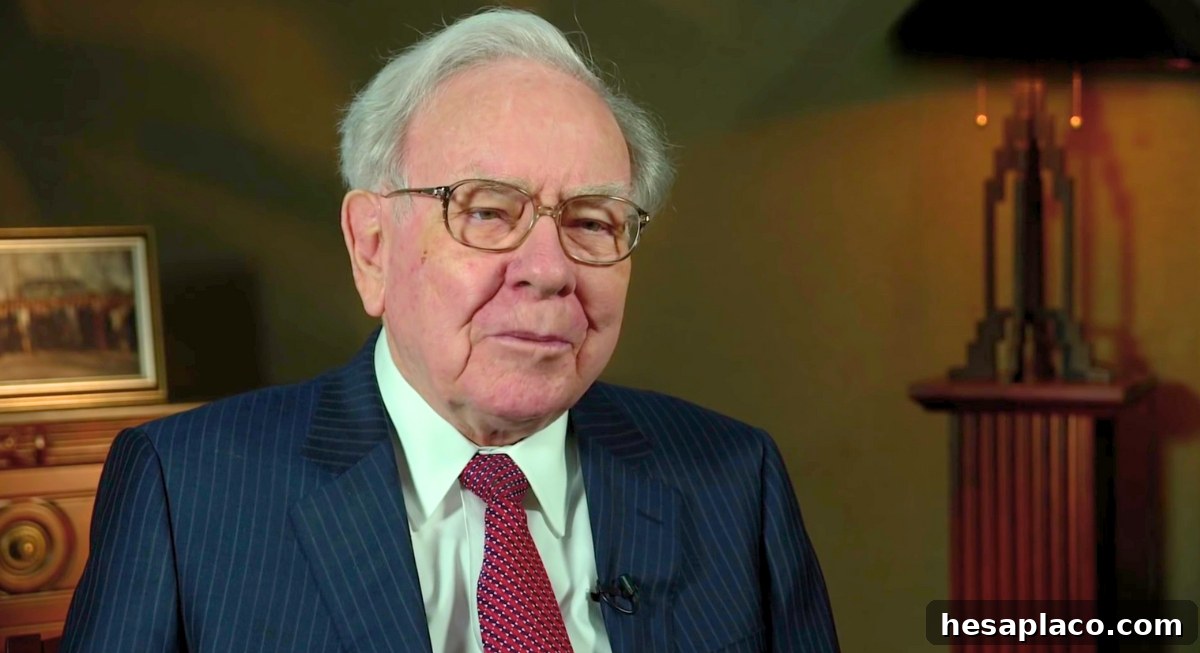
Warren Buffett built his reputation by practicing a small set of consistent habits for decades and refusing to abandon them when markets became noisy and distracting. The principles are simple, which is precisely why many overlook them. Most people understand these ideas, but very few apply them consistently.
The gap between knowing what works and actually doing it is where the real lesson lies. When these principles are followed over time, they influence how money is invested, how work is chosen, and even everyday decisions. Small, steady choices driven by these habits compound into meaningful results.
Don’t Lose Money

Credit: pixabay
Buffett’s most repeated rule is to avoid permanent loss of capital. He protected capital first, because a significant loss requires an even larger gain to recover. That mindset explains why he seeks to buy companies at prices well below his estimate of their intrinsic value.
Stay Inside Your Circle of Competence

Credit: pexels
Buffett invests only in businesses he can clearly explain. He has said the size of the circle of competence matters less than knowing where its boundaries lie. That clarity reduces mistakes driven by hype and fads, which is why many individual investors limit themselves to industries they understand.
Patience Wins Quietly

Credit: Canva
Buffett has pointed out repeatedly that frequent trading transfers wealth from the impatient to the patient. His decades-long holdings, which compounded steadily over time, illustrate how doing less—paired with good judgment—tends to outperform constant action.
Time Beats Timing

Credit: Prostock-studio
Attempting to predict short-term market moves rarely helps investors build lasting wealth. Buffett believes owning strong companies over many years matters far more than trying to guess the perfect entry or exit point. Short-term dips rarely disturb him because the long horizon does the heavy lifting.
Buy Businesses, Not Tickers

Credit: Esmoy design
Stocks represent ownership in real companies. Buffett studies products, management, profits, and durability rather than fixating on price charts. His long-term stakes in firms like Coca-Cola and Apple show how brand strength and consistent earnings matter more than short-term market noise.
Keep It Simple

Credit: Getty Images
Complex strategies usually increase costs and risk of error. Buffett recommends low-cost S&P 500 index funds for most investors because they deliver broad diversification with minimal fees. He even won a decade-long bet demonstrating that a simple index fund could outperform many hedge funds. Lower costs leave more capital working for the investor.
Temperament Matters More Than IQ

Credit: Getty Images
Buffett has said investing does not require extraordinary intelligence. What matters more is emotional control during fear-driven sell-offs and excitement-driven rallies. Investors who panic during downturns often lock in losses, while a calm temperament allows compounding to continue when others exit.
Debt Slows Everything Down

Credit: charliepix
High-interest debt is a major obstacle to long-term progress. Buffett warns that paying interest rates of 18–20% makes wealth-building extremely difficult. His simple rule: if you can’t pay cash for something, you probably shouldn’t buy it. Avoiding excessive debt preserves flexibility and keeps compounding working in your favor.
Work You Respect

Credit: Getty Images
Buffett’s career advice emphasizes satisfaction over salary. He encourages people to select work they would do even without the paycheck. Over time, enjoying your work tends to improve performance, relationships, and opportunities; financial rewards often follow consistent effort and competence.
Kindness Compounds Too

Credit: Canva
Buffett consistently highlights the importance of treating everyone with respect, regardless of title. He believes character and conduct define long-term success more than wealth. Kindness costs nothing but builds a reputation that endures beyond financial achievements. Living in a way that would earn a meaningful obituary, he suggests, is a good guiding principle.