
The decline in traditional corporate jobs stems from multiple, overlapping forces rather than a single cause. Gradual economic shifts, changing business models, automation, and new expectations about skills and productivity are all reshaping the workplace. Some positions have disappeared entirely, while many remaining roles have been redefined into jobs that look very different from their predecessors. For people planning long-term careers, these changes make it harder to identify clear entry points and growth paths.
Below is a clear look at the main factors driving the reduction and transformation of corporate roles.
Decline in Growth

Credit: iStockphoto
When demand softens or profits flatten, companies pause hiring and delay team expansion. Roles that would normally materialize as a business grows often never appear. Instead, existing teams absorb more work without additional headcount. Even absent formal layoffs, this slowdown reduces the number of available corporate openings across industries.
Administrative Tasks Are Handled by Software

Credit: pexels
Many routine functions—scheduling, email triage, basic reporting, and first-draft content—are now automated. Employers deploy AI and workflow tools for calendar management, automated summaries, and template-based content creation. Tasks that once justified hiring assistants, junior analysts, or support staff are shrinking, limiting traditional entry-level options.
Experience Is Replacing Potential in Entry-Level Jobs

Credit: Canva
Many roles labeled “entry-level” now demand one to two years of prior experience. Research shows hiring for true starting positions has fallen sharply, shrinking opportunities that used to introduce newcomers to company systems and culture. Employers increasingly expect candidates to be immediately productive rather than trainable from scratch.
Mid-Skill Roles Are Disappearing Without Replacement

Credit: Getty Images
Positions that bridged senior leaders and junior staff—such as operations specialists, project coordinators, and internal analysts—are under pressure. Many of their repeatable tasks are now automated, and companies often eliminate these mid-skill roles without creating direct replacements. That reduces organizational continuity and fewer clear development rungs remain on career ladders.
Investor Messaging
Credit: Getty Images
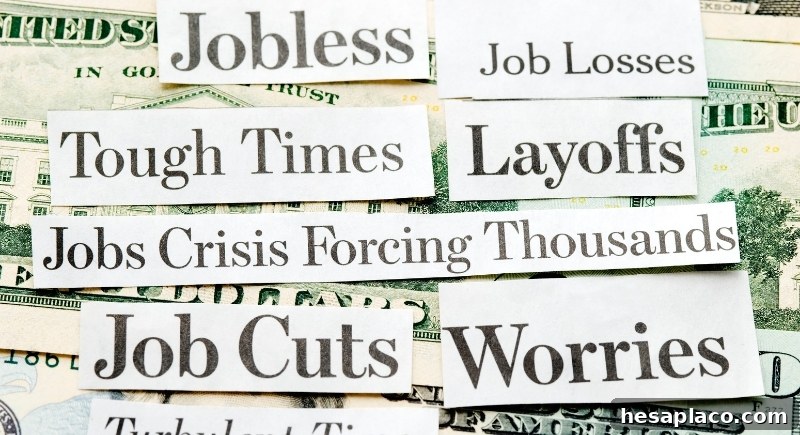
Some workforce reductions are motivated by messaging to investors rather than operational necessity. Publicly announced headcount cuts can signal cost discipline and efficiency to shareholders, even when workloads remain unchanged. Such moves create internal disruption and uncertainty despite appearing strategic externally.
Resume Filters Are Cutting Out Qualified Applicants

Credit: iStockphoto
Many companies rely on applicant tracking systems (ATS) to screen resumes before human review. These systems emphasize keywords and formatting over potential and context, causing qualified candidates to be filtered out. Studies indicate a high rate of unintended exclusion, so resumes that lack specific software names, keywords, or ATS-friendly formatting may never reach a hiring manager.
Hiring Freezes

Credit: Getty Images
To avoid public layoffs, many organizations implement hiring freezes. As employees depart, roles go unfilled and departments shrink naturally over time. The cumulative effect reduces headcount without formal restructuring, leaving applicants with fewer openings and remaining staff juggling broader responsibilities.
Remote Work Permanently Reshaped Team Structures

Credit: Getty Images
Operational redesigns during the pandemic showed many businesses they could function with fewer on-site roles. That realization reduced the perceived need for certain managers and support positions. Remote and hybrid models have therefore contributed to a permanent recalibration of expected headcount and team structure.
Resistance to Learning New Skills

Credit: Getty Images
Employees who resist upskilling risk becoming replaceable. Employers expect teams to adopt new tools and workflows as technology evolves. Research shows skill gaps are a significant reason roles are eliminated: when workers can’t meet changing demands, tasks are automated or outsourced to specialists.
Blue-Collar Work Is Seeing a Surge in Interest

Credit: Canva
As corporate entry points become harder to find, trade and hands-on careers are gaining appeal. Electricians, HVAC technicians, mechanics, and other skilled trades offer strong demand, predictable career paths, and relative resistance to automation. Many younger workers view these roles as stable, tangible alternatives to increasingly uncertain corporate ladders.
AI Is Driving Productivity in Customer-Facing Roles

Credit: Canva
AI solutions have enabled companies to improve responsiveness and availability while reducing headcount in customer service and support. Some firms report large reductions in staff after deploying chatbots and automation that handle high volumes of routine inquiries. These tools offer faster answers and 24/7 coverage, increasing pressure on traditional support roles.
New Roles Are Emerging Around Strategy, Not Execution

Credit: Getty Images
Automation has shifted demand away from repetitive execution toward roles that require strategic thinking, systems design, and interpretation of tool outputs. Employers value people who can anticipate outcomes, make decisions with imperfect data, and translate automation results into action. Sales professionals, for example, are now judged more on account growth and relationship development than on routine administrative tasks.
Technical Skills Alone Don’t Guarantee Job Security

Credit: pexels
Technical expertise—coding, data analysis, tooling—is valuable but insufficient by itself. Employers increasingly prioritize cross-functional strengths such as communication, problem-solving, collaboration, and adaptability. Professionals who can manage projects, work across teams, and present insights to leaders have more durable career prospects than those focused solely on a single technical specialty.
Many College Degrees Are Losing Market Relevance

Credit: Canva
Higher education has struggled to keep pace with rapidly changing employer needs. Reports highlight that many degrees—especially in fields like marketing, operations, and finance—no longer guarantee workplace readiness. Graduates who lack internships, portfolios, or proficiency with relevant tools often find it difficult to compete, because employers increasingly value applied experience over purely academic credentials.
Changing Expectations Around Different Job Titles
Credit: Getty Images
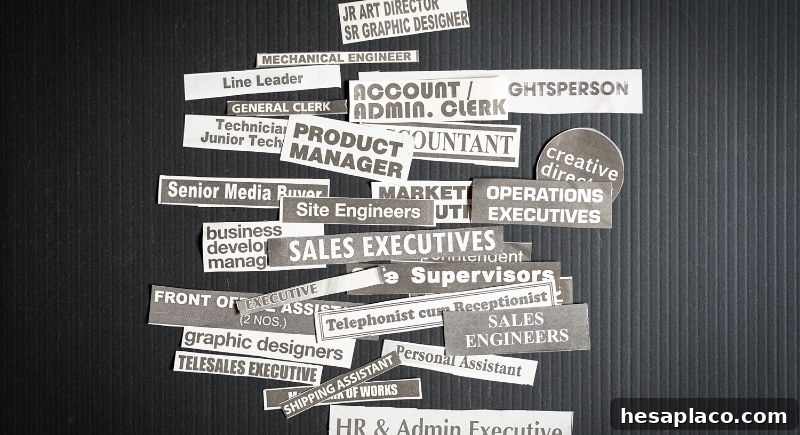
Job titles like coordinator, analyst, or assistant still exist, but their responsibilities have evolved. Where these roles once centered on routine processes, they now demand autonomy, tool fluency, and measurable impact on business metrics. Professionals who fail to adapt to these heightened expectations risk falling behind—even when the title itself remains on organizational charts.
The labor market is not collapsing; it is transforming. Opportunities remain plentiful for people who can learn quickly, apply tools thoughtfully, and combine technical capability with clear communication and strategic judgment. For those preparing for the next phase of their careers, prioritizing adaptability, cross-functional skills, and real-world experience is essential.