
Before Daniel Goleman, the author and science journalist who helped popularize emotional intelligence (E.I. or E.Q.), workplaces emphasized I.Q. while often overlooking the emotional skills that shape everyday interactions and long-term success.
Goleman describes on his website how he first encountered the research on emotional intelligence in 1990 and was “electrified by the notion.” Since then, a term once misunderstood has become widely accepted as central to personal and professional development.
Although the past two decades have seen broader recognition of the science behind emotional intelligence, practical application in workplaces and daily life continues to evolve. Leadership coach and author Ellen Leanse argues we haven’t yet reached “peak E.I.”—there is still much to learn about refining our emotional skills and harnessing them as tools for positive change.
Below are common signs of high emotional intelligence and why each matters for career and leadership success.
You Are Self-Aware
“The foundation of emotional intelligence is self-awareness. Are you aware of the emotions that drive your behavior and what impact it has?” asks Bill Benjamin, a partner at the Institute for Health and Human Potential (IHHP), which trains people worldwide on emotional intelligence.
Self-awareness starts with noticing and naming your emotions. Which kinds of interactions bring you joy, anger, sadness, or fear? Benjamin recommends observing your own workplace behavior to identify trigger points and blind spots. Testing your self-perception against how others see you—an assessment IHHP often uses—helps reveal gaps and growth opportunities.
You Can Manage Your Emotions
“The most important thing about a career is how you build relationships, and if you’re a leader how you build teams,” Benjamin says. Managing emotions during tension and conflict is essential; research shows those who do this well tend to have higher E.I.
Feeling anger, anxiety, or frustration is normal, but effective professionals control their reactions so their behavior doesn’t harm others. Ask yourself: When under pressure, can I stay skillful rather than reactive? Can I act with urgency without panicking, and remain solution-focused and confident?
Additional useful questions include:
- Am I aware of the emotions driving my behavior?
- Can I manage my emotions in stressful situations?
- Can I make difficult decisions that involve strong feelings?
- Can I empathize with others to motivate and inspire them?
- Can I take ownership of my behavior?
Answering yes to these questions points to a leader strengthened by emotional intelligence.
You Can Handle the Hard Talk
Research from IHHP indicates that about 80 percent of the traits that make an exceptional leader fall within the domain of emotional intelligence. One such trait is the ability to hold difficult conversations—delivering constructive criticism or giving negative feedback—without avoiding them out of fear.
Many people dodge these talks because they worry about upsetting others or losing likability. High E.I. enables you to manage those fears and step into necessary but uncomfortable conversations. Progress in your career often depends on this capacity to work through emotions to build trust and achieve goals.
You Know How to Influence People
Great leaders rally their teams around a mission by making emotional connections. People follow and believe those who speak to them on an emotional level—evoking feelings that make a message memorable and motivating.
“You need empathy in order to understand the emotions that drive the behavior of others,” Benjamin notes. Leaders who grasp those drivers can better motivate, inspire, and secure buy-in for shared goals.
You Score High in Performance Reviews
As organizations recognize how emotional health affects performance and the bottom line, low emotional intelligence can undermine an otherwise strong resume. Recruiters increasingly value E.I., and managers now include emotional intelligence metrics in performance evaluations. Employees are assessed by their ability to learn from mistakes, accept criticism, manage emotions, and work under pressure.
Benjamin observes a shift: more senior leaders are moving from a results-only mindset toward values and behaviors grounded in emotional intelligence.
You Lead With Presence
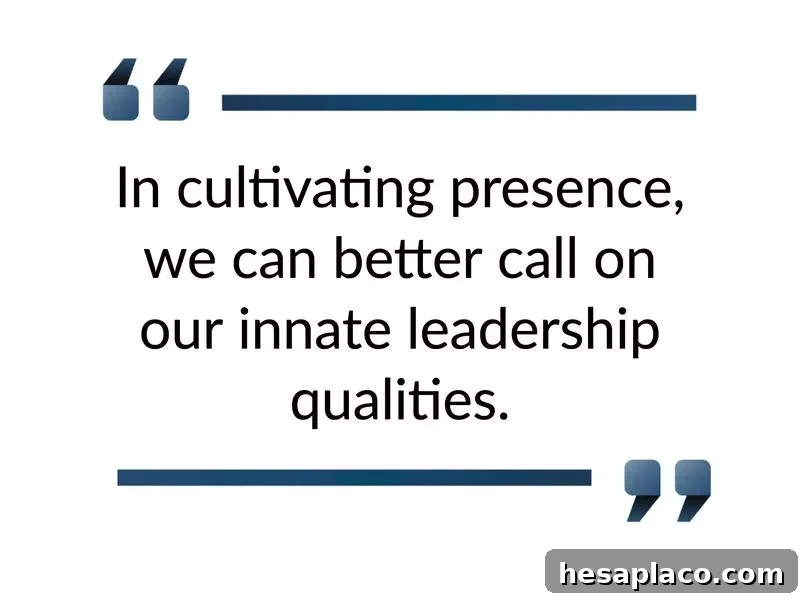
Leanse, who has advised leaders at major tech firms, emphasizes that leading with E.I. means leading with presence. Presence goes beyond physical attendance; it’s about truly listening and making a human connection. Subtle cues—pausing before responding, open and relaxed body language, and genuine curiosity—signal that someone is listening and formulating a thoughtful reply rather than reacting impulsively.
In an environment that often prioritizes productivity, presence is an undervalued but powerful skill that supports better leadership and decision-making.
You Don’t Get Sucked Into Drama
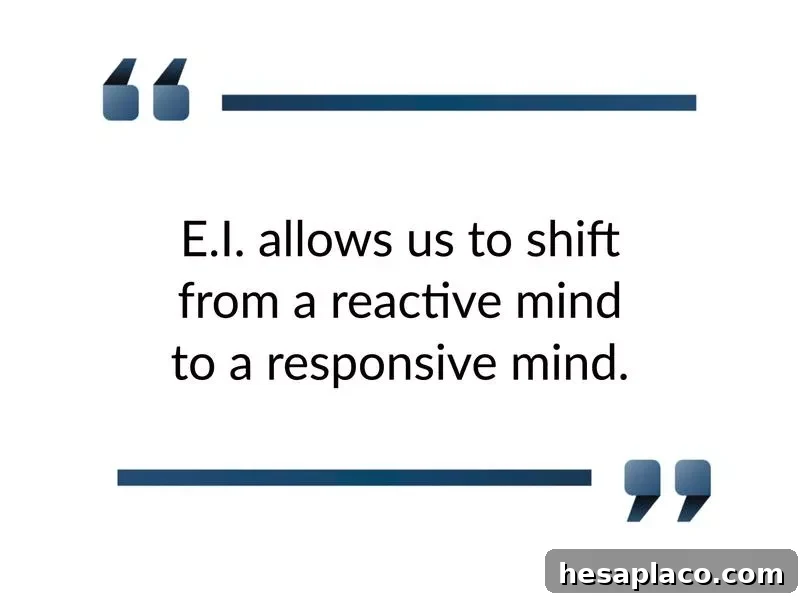
Workplace misunderstandings and poor choices frequently stem from unmanaged negative emotions. Individuals with high E.I. are less reactive and more able to avoid getting pulled into workplace drama. They shift from a reactive mindset to a responsive one—the state where higher cognition and better outcomes emerge—by stepping back, slowing down, and monitoring their emotional responses.
You Perform Under Pressure
When emotions run high, projects can derail from blowups and conflict. Emotional intelligence provides fluency in interpreting these feelings, enabling people to set boundaries and navigate emotionally charged situations. Rather than dismissing emotions, leaders should encourage team members to check in with how they feel and use those cues to understand what’s happening—helping to prevent clashes that disrupt work.
You Rely on Emotions to Make Decisions
People with high emotional intelligence use emotions as valuable data. In an increasingly data-driven workplace, emotional signals are often overlooked, yet human feelings can provide insights as crucial to decision-making as facts and figures. Tapping emotional information alongside logic and evidence leads to richer understanding and better outcomes.
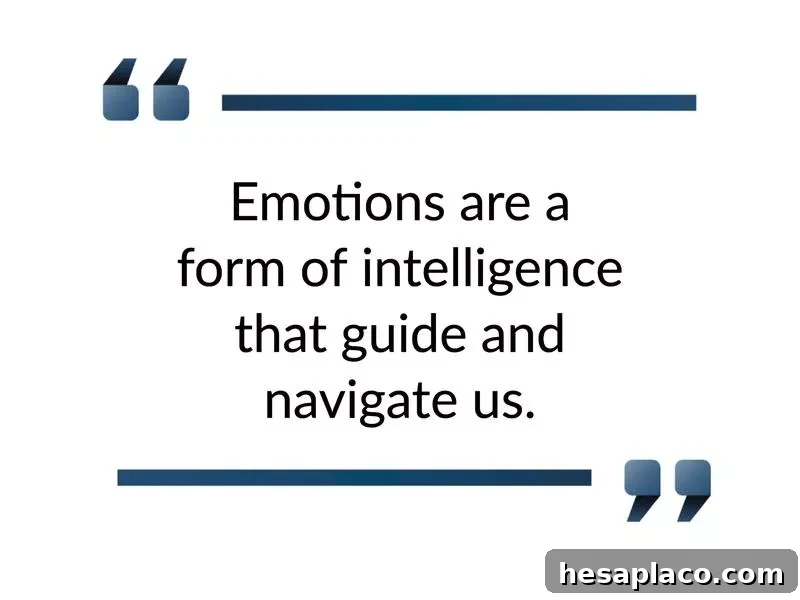
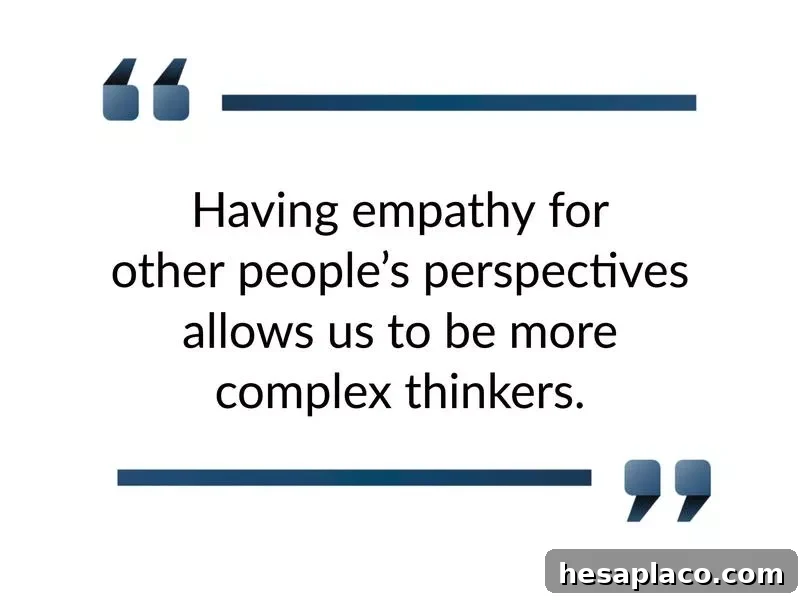
“Emotions are a form of intelligence that guide and navigate us,” Leanse says. Being in touch with emotions can improve decision-making, foster empathy for diverse perspectives, and help foresee unintended consequences.
You Understand Your Customer
Emotional intelligence is especially valuable for understanding the people you serve. Data explains patterns, but empathy explains the human motives behind those patterns. “What is business but people doing stuff for other people?” Leanse asks. Using E.I. helps you design products and services that better meet real emotional needs, reducing mistakes and improving user experience.
You Value Equality and Diversity
Workplaces that lack equality and diversity often face tension and emotional barriers. Karen Fleshman, founder of Racy Conversations, facilitates discussions on these topics and observes that people with high E.I. embrace diversity because it creates a healthier, more creative, and more productive environment. They bring their true selves to work and encourage others to do the same, fostering honest communication and greater ease on the job.
You Know How to Ask For a Raise
Negotiating a raise can be especially difficult for people who feel marginalized or powerless. Fleshman recommends using emotional intelligence to deepen self-understanding—clarifying your values and recognizing your worth. Negotiating from self-awareness projects confidence without arrogance and enables more effective strategies by reading the other person’s emotional state.
You Know How to Be a Team Player
Working with diverse teams brings a range of emotions. People with high E.I. don’t shut down; they use those emotions to listen more deeply and collaborate more effectively. This approach leads to better results, higher productivity, and stronger team cohesion.
You Know Your Work Style
Talent alone isn’t enough if the work environment doesn’t fit you. Emotional self-awareness helps you recognize the conditions in which you thrive—whether chaotic or calm, solitary or collaborative—and choose roles and settings that let you do your best work. Exercises that identify preferred work styles can guide people to environments that match their strengths and preferences.
Developing emotional intelligence is an ongoing process. As organizations and individuals continue to appreciate its value, strengthening these abilities will remain a vital pathway to better leadership, stronger teams, and more effective decision-making.