
Generation X grew up with cassette tapes and microwavable dinners, but many today are confronting retirement timelines that reveal surprisingly small nest eggs. Decades of wage stagnation, shifting employer benefits, repeated economic shocks and rising living costs have combined to leave this cohort scrambling to make up lost ground. With traditional pensions largely gone, Social Security uncertain, and retirement accounts thinner than expected, a growing number of Gen Xers face retirement with less financial security than they once anticipated.
Pensions Disappeared Right On Schedule

Credit: Getty Images
When Gen X entered the workforce, defined-benefit pensions were already in decline. In the early 1980s roughly 60% of private-sector workers had a traditional pension; today that figure is near 15%, and only a small portion of Gen X has access to such plans. The shift toward 401(k)s and IRAs transferred long-term retirement risk from employers to individual workers, requiring sustained contributions, investment savvy and time in the market—advantages many did not enjoy or could not fully leverage.
Eight Recessions Are a Lot for One Lifetime
Credit: Getty Images
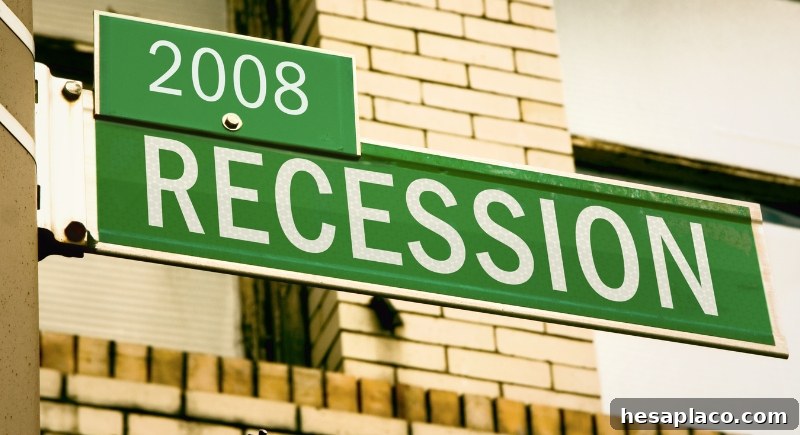
Gen X has endured multiple economic downturns that disrupted earning and saving patterns. The dot-com crash affected early-career opportunities for many. The 2008 financial crisis hit during peak earning years for others, wiping out equity and retirement gains. The COVID-19 pandemic interrupted recovery, and recent inflation and housing market shifts have further squeezed finances. Repeated setbacks reduce the time available to rebuild wealth and compound the challenge of catching up.
The Sandwiched Generation Can’t Save Freely

Credit: Getty Images
Many Gen Xers are financially supporting both older and younger generations at the same time. Research shows a sizable portion of this group provides monetary support for aging parents while still helping children who may be living at home or repaying student loans. Balancing caregiving and dependent-family expenses leaves less room for retirement contributions, emergency savings and investment that would otherwise build long-term security.
Credit Card Balances Keep Climbing

Credit: Canva
High-interest consumer debt is another pressure point. Studies indicate a significant share of Gen X carries credit card balances month to month, more than other age groups. Compounding interest and ongoing living costs make it difficult to reduce debt while also directing money into retirement accounts. Add medical bills, car loans and rising everyday expenses, and many find themselves diverting funds away from savings just to stay afloat.
They Started Saving Later Than Everyone Had Hoped

Credit: pexels
For many in Gen X, meaningful retirement saving didn’t begin until their 40s. Early working years were spent managing student debt, housing costs, child-rearing and establishing careers. Because compounded returns reward early contributions, a late start makes it harder to reach typical retirement targets. Even aggressive saving later in life may struggle to fully compensate for those lost years.
The Gender Gap Hits Especially Hard

Credit: Canva
Gender disparities in earnings and caregiving responsibilities have reduced retirement savings for many Gen X women. On average, women in this cohort hold significantly less in pension-like savings than their male counterparts. Career interruptions for child care or elder care, part-time work and persistent pay gaps all contribute to lower retirement balances and greater financial vulnerability later in life.
Social Security Might Not Pick Up the Slack

Credit: Getty Images
Future Social Security benefits are uncertain, with projections indicating that trust funds may be strained in coming years unless policymakers act. Potential reductions in scheduled benefits would leave fewer guaranteed income sources for retirees who had planned to rely on Social Security to fill income gaps. That uncertainty complicates long-term planning for those already facing limited private savings.
Part-Time Work Is Becoming the Backup Plan

Credit: Canva
Many Gen Xers expect to continue working in some capacity during retirement. Surveys suggest a notable share plan to rely on part-time jobs, consulting or gig work to supplement income. While phased retirement or side gigs can help bridge shortfalls, relying on continued work poses risks: health issues, changing job markets and decreased demand for certain skills can all make extended employment an unreliable safety net.
Housing Costs Soaked Up the Safety Net

Credit: pexels
Rising housing costs have consumed much of the financial upside that homeownership once provided. Although home values rose, carrying costs like property taxes, maintenance and higher mortgage rates have also increased, reducing disposable equity. For some Gen X homeowners, downsizing is complicated by market conditions and personal ties to their homes; for others, renting in retirement could be significantly more expensive than anticipated.
Talking About It Still Feels Taboo

Credit: Canva
Despite the precarious position many face, discussions about retirement plans and expectations remain limited. A significant portion of Gen X expects familial support in later years, yet many have not communicated these assumptions with loved ones. Open conversations about finances, downsizing, caregiving expectations and retirement timing can lead to more practical planning and fewer last-minute crises.
There is no single fix, but practical steps can help reduce risks: increasing savings where possible, prioritizing high-interest debt repayment, revisiting investment allocation, exploring work options that offer flexibility, considering downsizing or other liquidity strategies, and having candid family conversations about future expectations. For many in Gen X, thoughtful, realistic planning now will matter more than ever in securing a stable retirement.