
When a large share of your paycheck goes straight to your mortgage, it can crowd out other financial priorities. The monthly amount you send your lender isn’t always set in stone—there are practical strategies that can reduce your payment or ease cash flow without derailing long-term goals.
If your mortgage feels overwhelming, consider these proven approaches to lower your monthly burden and build more flexibility into your budget.
Refinance for a Lower Interest Rate

Credit: pexels
Lowering your interest rate through refinancing can reduce your monthly payment significantly. Refinancing usually makes the most sense if your current rate is notably higher than prevailing market rates—often cited as above roughly 6%—and you plan to remain in the home for several years. Keep in mind that refinancing carries closing costs and fees, so run the numbers to ensure long-term savings outweigh the upfront expense. Factor in the break-even point: how long it will take for monthly savings to cover closing costs.
Recast Your Mortgage with a Lump-Sum Payment

Credit: pexels
A mortgage recast lets you apply a sizable lump-sum payment to your principal and have your lender recalculate monthly payments based on the new, lower balance. Unlike refinancing, recasting doesn’t change your interest rate or loan term and generally has modest fees. It’s a cost-effective way to reduce monthly payments if your lender offers this option and you have the cash to make a meaningful principal payment.
Eliminate Private Mortgage Insurance (PMI)

Credit: Canva
If you’ve built at least 20% equity in your home, you may be eligible to remove PMI, which can add a significant amount to your monthly mortgage payment. To pursue cancellation, contact your lender, demonstrate a reliable payment history, and be prepared to provide a current appraisal if required. Removing PMI can lead to immediate monthly savings once the lender approves the change.
Appeal an Overassessed Property Tax Value

Credit: Getty Images
Property tax assessments affect your monthly escrow payment and, at times, can be overstated. If your assessment looks too high—especially after local market values have declined—filing an appeal could reduce your tax bill. Successful appeals require documentation, such as comparable home sales or evidence of appraisal errors, and the process and timelines vary by county. When successful, lowering your assessed value reduces your ongoing tax payments.
Shop Around for Lower Homeowners Insurance

Credit: Getty Images
Escrow accounts commonly include homeowners insurance premiums, so lower insurance costs can directly reduce your monthly mortgage escrow payment. Compare quotes from multiple insurers at least annually, ask about multi-policy or loyalty discounts, and review your coverage limits and deductibles to make sure you’re not over-insured. Even modest reductions in your premium can add up over a year.
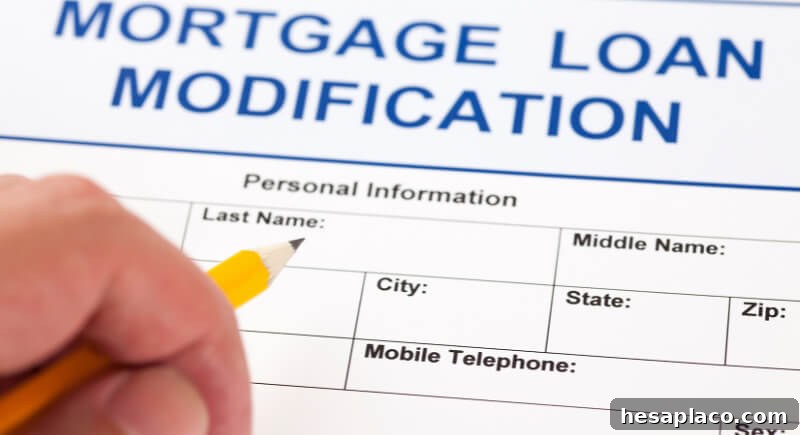
Modify Your Loan Terms Due to Hardship
Credit: Getty Images
If a significant life event—job loss, illness, or a sharp drop in income—makes mortgage payments difficult to meet, contact your lender as soon as possible. Many lenders offer loan modification programs that can lower monthly payments by reducing the interest rate, extending the loan term, or adjusting the principal. Modifications usually require documentation and may start with a temporary trial period, but they can be a critical option to avoid default and keep your home.
Make Extra Payments Toward Principal

Credit: Canva
Putting extra money toward principal can shave years off a mortgage and save thousands in interest. You don’t need a huge lump sum—small regular additions, rounding up each payment, or applying windfalls like tax refunds can accelerate payoff. Always instruct your lender to apply extra funds to principal rather than prepaying future installments, and confirm there are no prepayment penalties on your loan.
Switch to Biweekly Mortgage Payments

Credit: iStockphoto
Switching to biweekly payments—making half of your monthly payment every two weeks—results in 26 half-payments, or the equivalent of 13 full monthly payments each year. That extra annual payment reduces principal faster and shortens the loan term without a large one-time payment. Confirm with your lender how they post biweekly payments and whether a third-party program is involved to avoid fees that could negate savings.
Refinance Into a Longer-Term Loan

Credit: Canva
If monthly cash flow is your immediate concern, refinancing from a short-term mortgage into a longer-term loan—such as moving from a 15-year to a 30-year mortgage—can lower monthly payments by spreading principal over more years. This increases total interest paid over the life of the loan, so weigh the short-term relief against long-term cost. For many homeowners, extending the term provides breathing room when budgets are tight.
Convert an FHA Loan to a Conventional One

Credit: iStockphoto
FHA loans can carry persistent mortgage insurance premiums that apply for many years. If your credit score and financial situation have improved and you’ve accumulated sufficient equity, refinancing into a conventional loan may eliminate or reduce long-term mortgage insurance costs. Once you reach roughly 20% equity on a conventional loan, you can typically request cancellation of private mortgage insurance, lowering monthly housing expenses.
Each homeowner’s situation is unique. Before making a change, calculate the costs and benefits, consider how long you expect to stay in the home, and consult your lender or a trusted financial advisor. Small adjustments—like switching insurance providers or making an extra principal payment—can add up, while larger moves like refinancing or modification require careful evaluation to ensure they meet your financial goals.