
Home insurance is meant to give homeowners confidence by protecting their property against unexpected losses. However, many policies contain exclusions and limitations that can leave you exposed when a loss occurs. Below are some common and often surprising loopholes in home insurance policies that homeowners should understand to avoid costly gaps in coverage.
Natural Disaster Exceptions
Credit: pexels
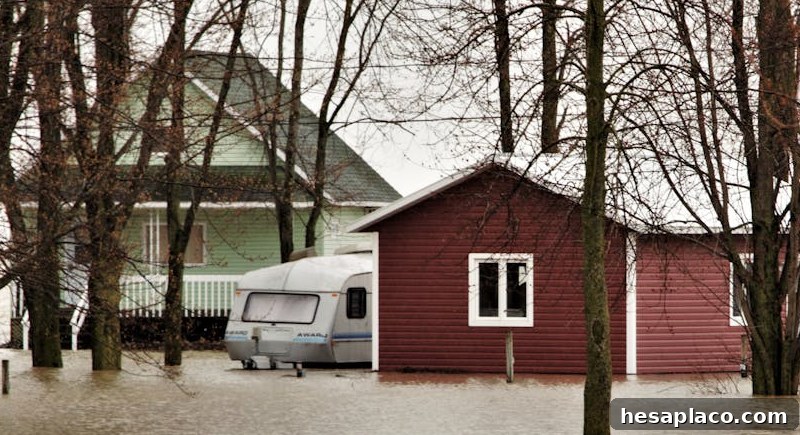
Standard homeowner policies commonly exclude certain large-scale natural disasters, such as earthquakes and floods. Coverage for these perils typically requires a separate policy or endorsement. If you live in a high-risk area, failing to secure that additional protection could leave you responsible for significant repair and replacement costs.
Sewer Backup
Credit: pexels
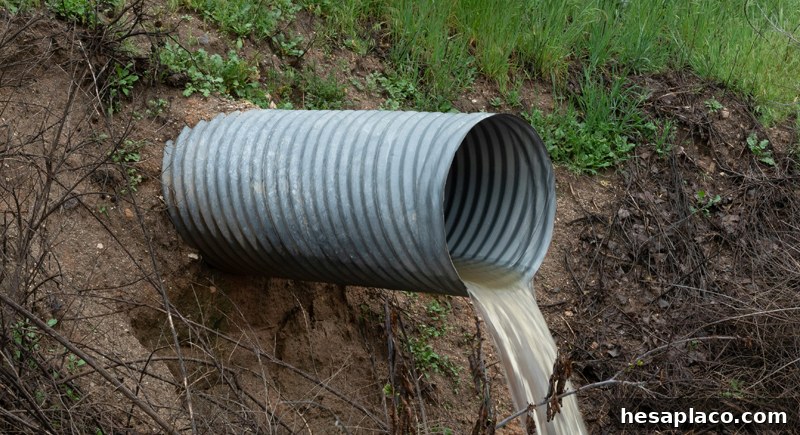
Damage caused by sewer or sump pump backups is frequently excluded unless you add specific sewer backup coverage. Cleanup and repair costs from a sewer backup can be extensive, so consider an endorsement if your property is susceptible to drainage problems or heavy storms.
Mold Damage
Credit: flickr
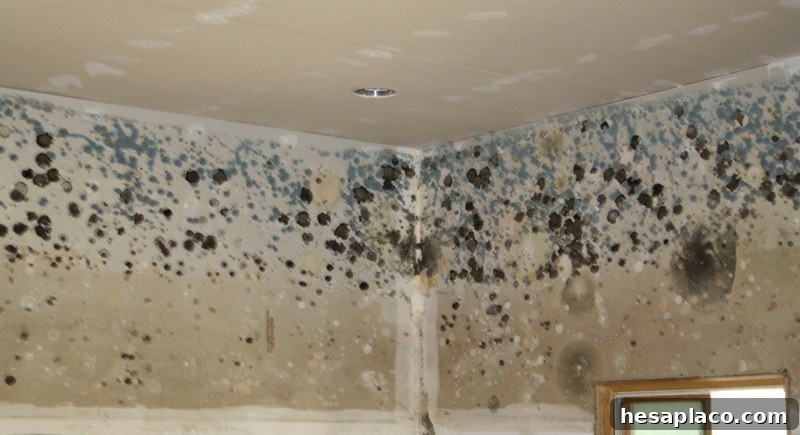
Mold remediation can be very costly, and many policies limit or exclude mold-related claims. Coverage often depends on whether the mold resulted from a sudden, covered peril (like a burst pipe) versus long-term moisture problems. Regular maintenance and quick repairs can help, but you may still need specific mold coverage in some situations.
High-Value Items

Credit: pexels
Most standard policies place caps on reimbursement for high-value personal property such as jewelry, fine art, antiques, and collectibles. To ensure full protection, you may need appraisals and scheduled endorsements or separate inland marine or valuables policies that list and value each item.
Home Office Equipment

Credit: pexels
With more people working remotely, homeowners often discover their standard policy won’t fully cover business equipment or work-related losses. If you run a business from home or maintain expensive work devices, consider a business owner’s policy, business property endorsement, or separate coverage tailored to business risks.
Intentional Damage by Tenants

Credit: pexels
Landlords may assume their property insurance covers all rental-related damage, but intentional acts by tenants are often excluded. For rental properties, landlords should verify lease agreements, require tenant liability coverage, and explore landlord policies that address intentional and malicious damage.
Pest Infestation

Credit: freepik
Damage from pests—such as termites, rodents, or insects—is typically not covered under standard homeowner policies. Insurers expect homeowners to maintain their properties and prevent infestations; routine inspections and pest control are important to avoid costly structural damage that won’t be reimbursed.
Wear and Tear

redit: flickr
Insurance is intended to cover sudden and accidental events, not gradual deterioration from normal use. Problems arising from lack of maintenance—like an aging roof, corroded plumbing, or failing HVAC systems—are usually excluded. Regular upkeep reduces the risk of denied claims.
Specific Dog Breeds

Credit: pexels
Some insurers restrict or exclude liability coverage for certain dog breeds deemed higher risk. If you own a breed on your insurer’s restricted list, you may need higher liability limits, a separate umbrella policy, or to switch insurers to obtain appropriate coverage.
Trampoline and Pool Accidents

Credit: freepik
Trampolines and swimming pools present elevated liability risks. Many policies exclude injuries related to these features, or they will substantially increase your premium. Homeowners with these amenities should review liability limits and consider additional umbrella coverage.
Acts of Terrorism

Credit: pexels
Damage caused by acts of terrorism is commonly excluded from basic homeowner policies. A terrorism endorsement or separate policy may be available in some markets, which homeowners in higher-risk areas should consider to avoid a significant coverage gap.
Identity Theft Protection

Credit: freepik
Identity theft can cause severe financial damage, but it is generally not covered under standard homeowner policies unless you add a specific identity theft or cyber protection rider. If you’re concerned about unauthorized use of personal information, review available endorsements that help with expenses for recovery and restoration.
Limited Coverage for Landscaping

Credit: pexels
Landscaping—trees, shrubs, lawns, and outdoor features—is often covered only for specific named perils and typically up to a small percentage of the dwelling coverage limit. Extensive landscape damage from storms or vandalism may exceed these limits, requiring supplemental coverage for full restoration.
Vacant Home Risks

Credit: pexels
Many policies limit or exclude coverage for homes left vacant for an extended period—often 30 days or more. Vacancy increases risks such as vandalism, theft, and unnoticed damage. If you plan to leave a property unoccupied, obtain vacancy-specific coverage to maintain protection.
Construction Work Damage

Credit: pexels
Renovations, major repairs, or construction activities can create exposures that standard homeowner policies do not cover. If you are remodeling or building, a builder’s risk policy or a construction endorsement can fill gaps and protect against losses that occur during the work.
Understanding these common exclusions and limits helps you evaluate whether your home insurance policy meets your needs. Review your declarations page, ask your agent about endorsements or supplemental policies, and periodically reassess coverage as your property and circumstances change.