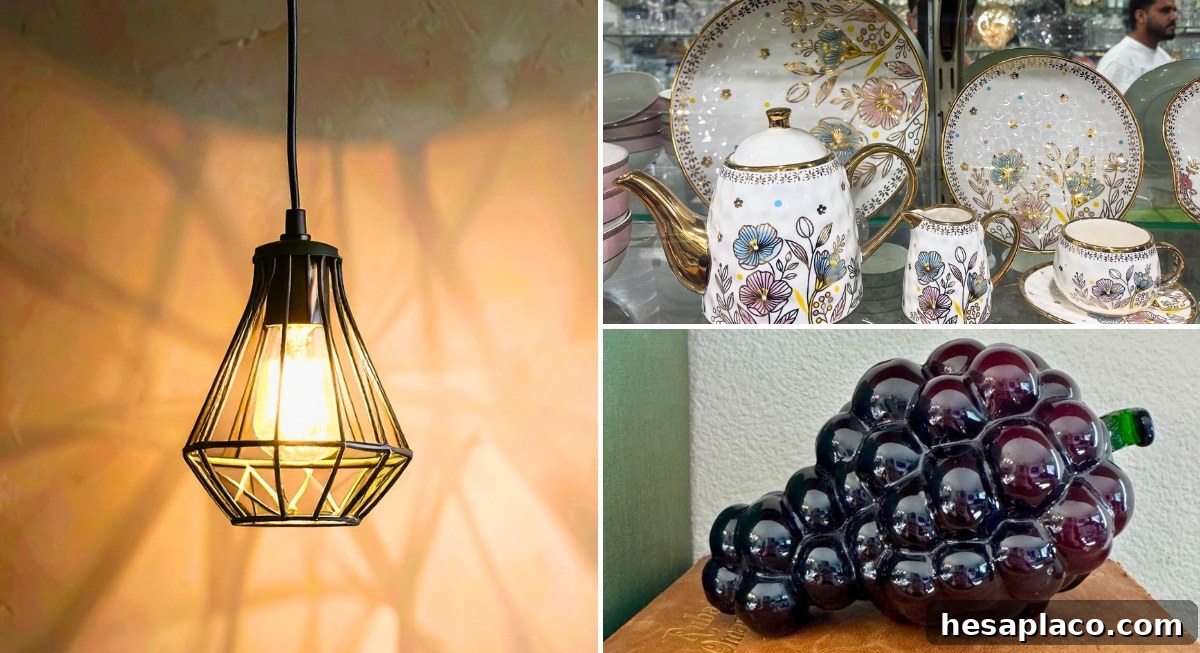
Many homes once had a forgotten corner overflowing with objects people seldom noticed. Over time, random household items were shuffled into garages, basements, and attics, regarded as clutter or things “we might need someday.” In recent years, however, a design shift has turned that overlooked stuff into sought-after accents. What used to be dismissed as junk now appears in interiors, flea markets, and collector circles, admired for its craftsmanship, character, and the stories it carries.
Glass Grapes
Credit: Reddit
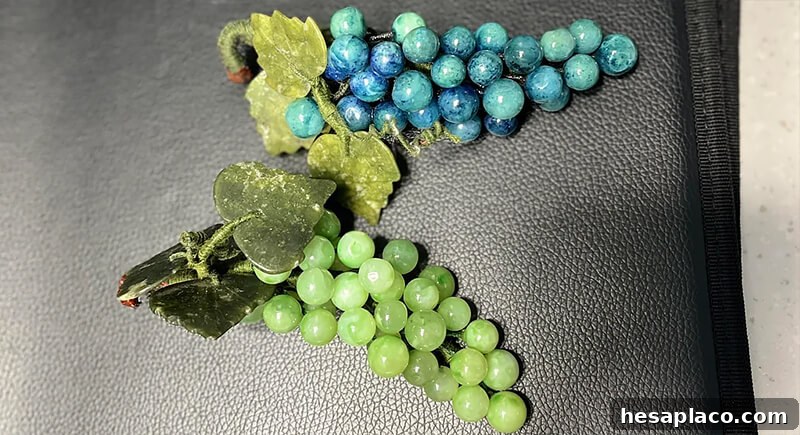
Clusters of glass grapes were a staple decorative item in midcentury living rooms. Each grape is a glass bead wired to form stems and bunches; many sets were handcrafted in Italy or Czechoslovakia. Their vintage appeal—shimmering glass, delicate wiring and a little patina—has made them favorites among collectors and decorators. Today they’re used as table centerpieces, mantel accents, or photographed for mood-driven interiors where small, tactile objects matter.
Decorative Plates
Credit: Reddit
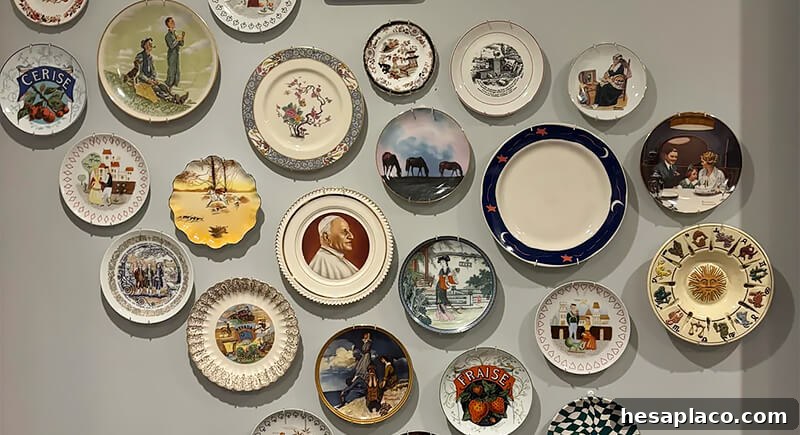
Decorative plates were once collected obsessively—catalog clubs, limited editions and wall displays were common in many households. These porcelain pieces often feature detailed motifs, scenic scenes, or commemorative designs. Rather than hiding them away, modern decorators repurpose plate collections into gallery-style walls, layered displays, or occasional tabletop arrangements that celebrate pattern and nostalgia without overwhelming a space.
China Sets
Credit: Reddit
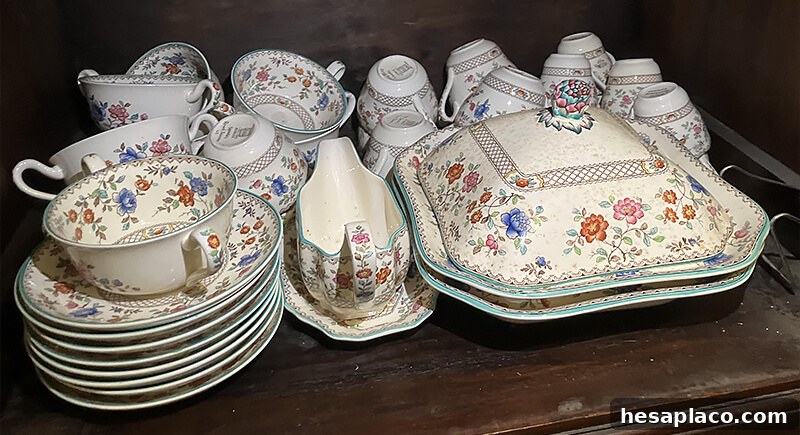
China sets—often stored for special occasions—bring fine detailing, floral patterns, and gilded rims into modern living. Instead of reserving these pieces for rare guests, many people now use them regularly or display individual plates and teacups on open shelving. The result is a lived-in, layered kitchen or dining room where heirloom quality meets everyday functionality.
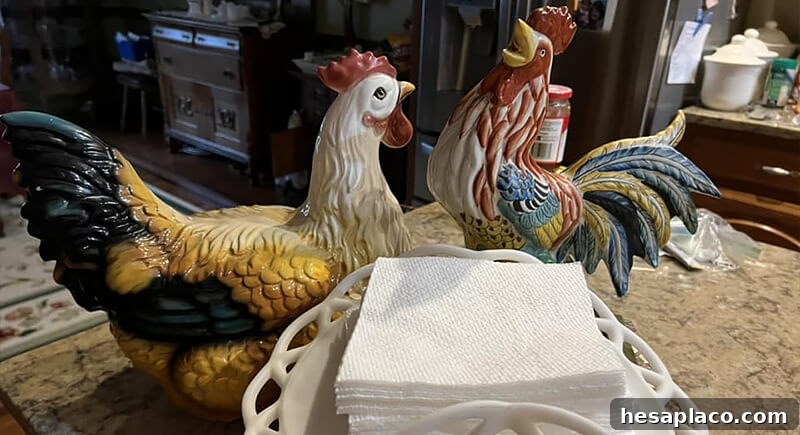
Rooster Kitchen Decor
Credit: Facebook
Ceramic roosters and other farmhouse motifs once crowded kitchen counters and towels. Their cheerful colors and rustic imagery fit mid-to-late 20th century country kitchens. As farmhouse and cottage decor cyclical trends returned, those rooster cookie jars, wall tiles, and countertop pieces found new life as nostalgic touches in updated, eclectic kitchens—paired with neutral palettes and modern finishes to balance charm with restraint.
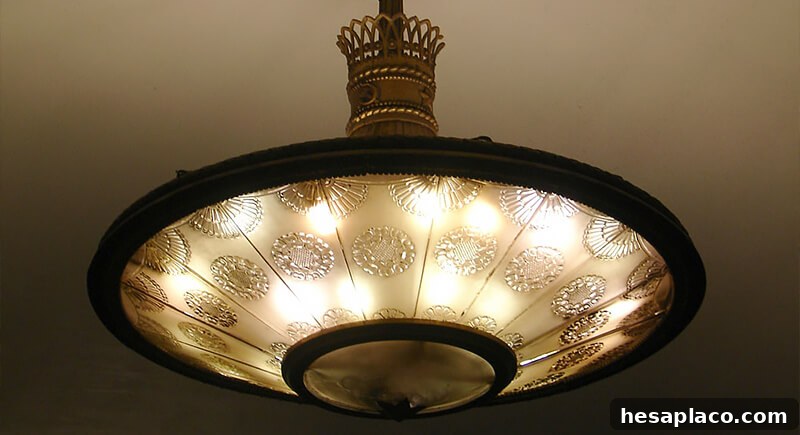
Light Fixture Covers
Credit: Wikimedia Commons
Dusty glass light covers often ended up in disposal piles during renovations. Now designers flip that thinking: a curved glass shade becomes a simple lamp when inverted over a bulb or candle, softening light and adding sculptural shape. Reusing these covers is a small, cost-effective way to infuse rooms with warm, diffused illumination and a hint of vintage industrial character.
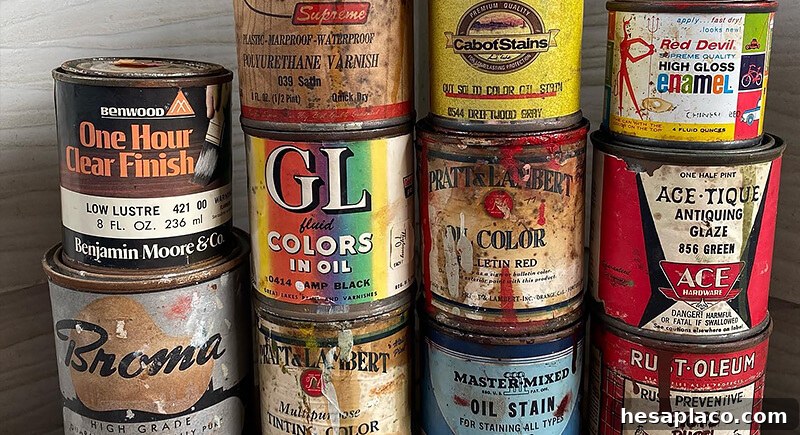
Paint Cans
Credit: Instagram
Old paint cans are durable, weather-resistant containers that often sit unused after a home project. Cleaned and repurposed, these cans make excellent planters or storage vessels for a rustic or industrial look. Their wear and original labels add texture and authenticity when used as pots for herbs, succulents, or seasonal blooms.
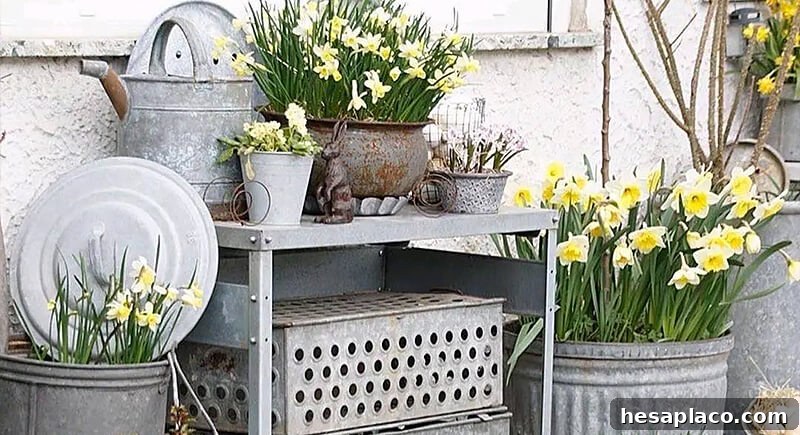
Galvanized Metal Containers
Credit: Facebook
Galvanized containers once held hardware and workshop scraps, prized for durability rather than beauty. Today, designers appreciate their patina and textured finish. These metal vessels function as planters, utensil holders, or catchalls in kitchens and entryways, adding an industrial edge that contrasts nicely with softer materials like wood and linen.
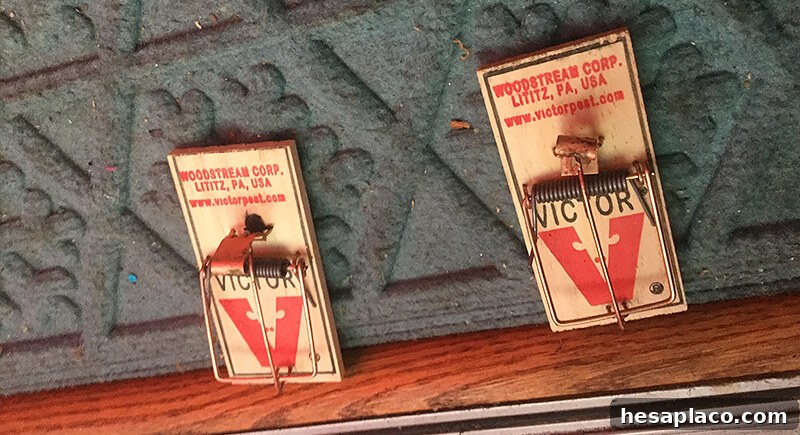
Mouse Traps
Credit: Wikimedia Commons
Originally utilitarian, classic wooden-and-metal mousetraps have developed a small following among collectors. Their simple mechanics and weathered wood make them curiosities that can be repurposed for creative displays: tiny stands for candles, holders for small notes, or conversation-starting shelf items—used sparingly and safely as decorative relics of everyday life.
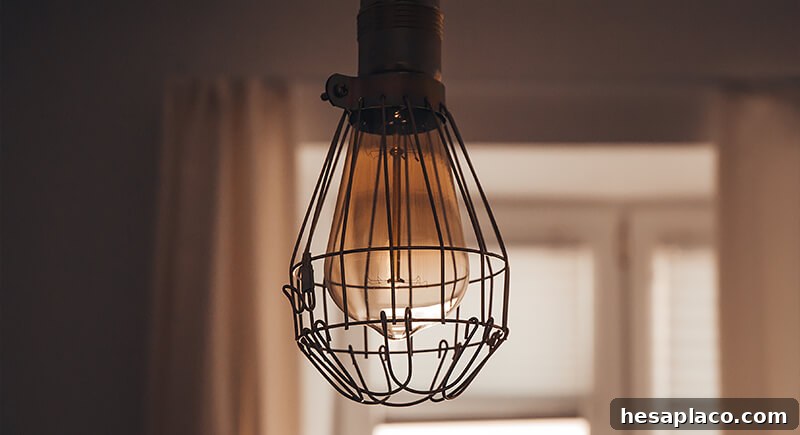
Wire Light Cages
Credit: Wikimedia Commons
Wire cages that once protected bulbs in workshops are now popular accents in industrial and rustic interiors. Their open framework casts patterned shadows and provides structural interest when used as pendant shades, or reimagined as candle cages and decorative bowls. They bring an authentic, utilitarian note to contemporary rooms.
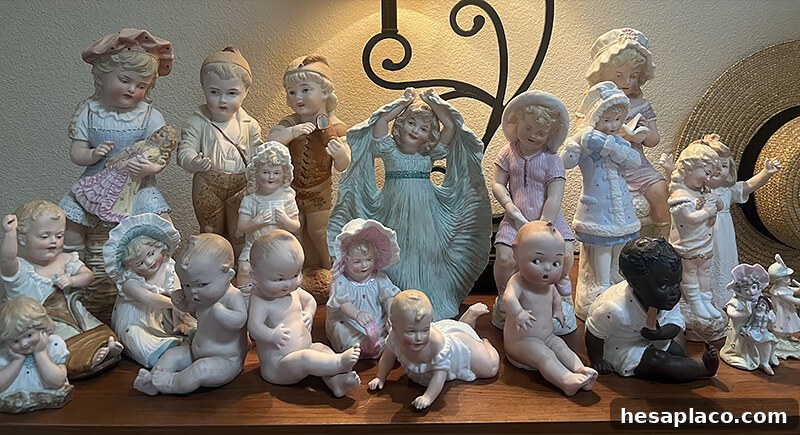
Vintage Figurines
Credit: Reddit
Small porcelain figurines—animals, dancers, or storybook characters—once lined mantels and cabinets. While minimalist trends briefly sidelined them, collectors and interior lovers have revived interest in these delicate pieces. When grouped thoughtfully, vintage figurines add personality and a sense of history to shelves, curio cabinets, and tabletop vignettes.
The renewed appreciation for everyday vintage objects is about more than nostalgia. It reflects a broader interest in sustainability, craftsmanship, and storytelling. Reusing and repurposing durable pieces reduces waste while adding character to modern interiors. Whether it’s a glass grape cluster, a worn paint can turned planter, or a wire light cage repurposed as a candle holder, these once-overlooked items remind us that thoughtful reuse can transform the ordinary into something beautiful and meaningful.