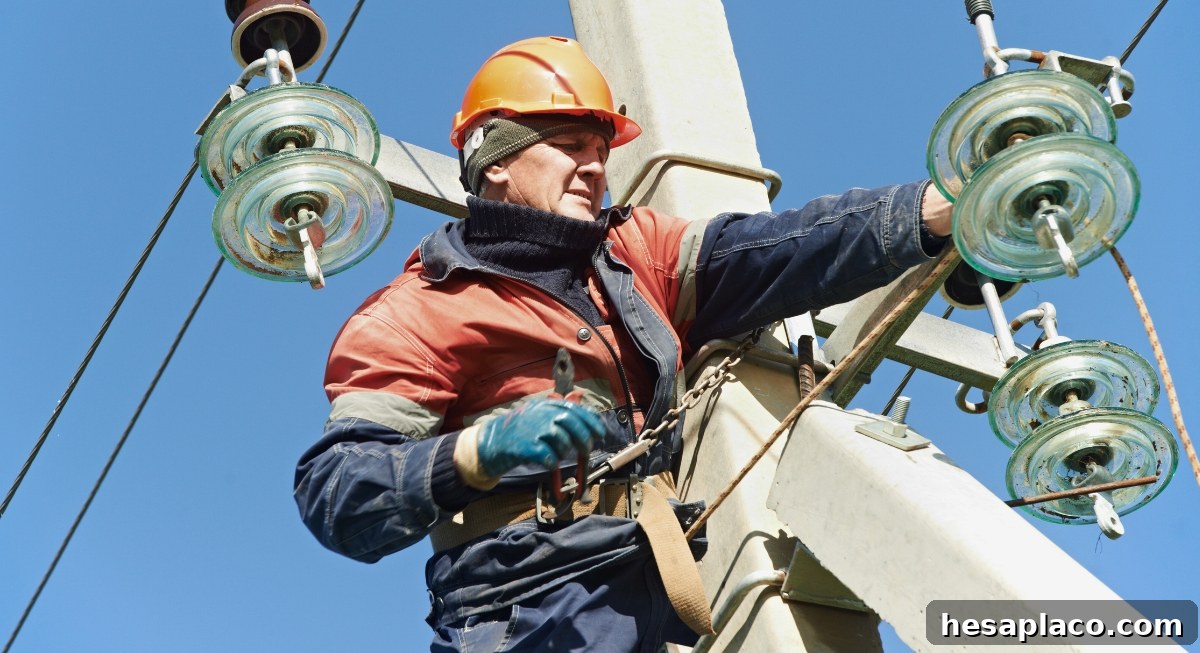
You might expect police officers or firefighters to hold the most dangerous jobs, but many of the highest workplace fatality rates come from everyday occupations such as repairing power lines or collecting refuse. While most people start their day with coffee and emails, workers in these roles face serious hazards every time they clock in, and returning home safely is never certain.
Logging Workers
Credit: Canva
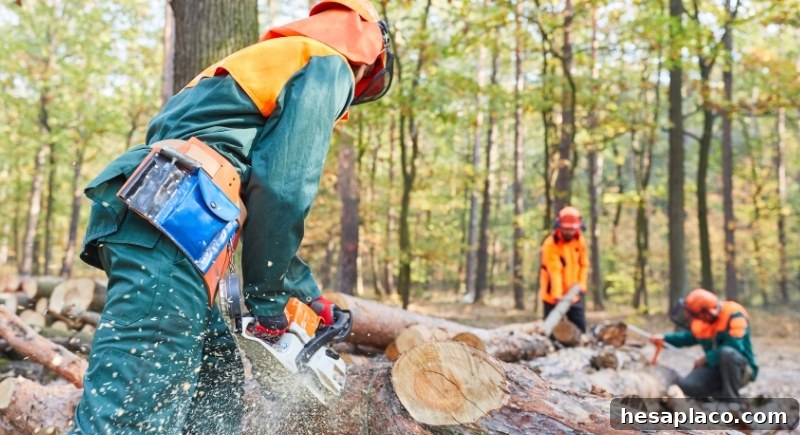
Logging carries some of the nation’s highest fatality rates. Working in remote woods with chainsaws and heavy equipment creates constant noise that makes it hard to hear dangers like snapping branches. Many deaths result from being struck by falling trees, limbs, or moving machinery during isolated operations where immediate help is hard to reach.
Commercial Fishing Workers

Credit: Canva
Life on a rolling deck in cold, rough seas is unforgiving. Commercial fishing crews face extremely high fatality rates—dangers include heavy nets that can entangle and pull workers overboard and sudden storms that can capsize vessels. When incidents occur, survival often depends on wearing a life vest and how quickly rescue teams can respond in harsh conditions.
Roofers
Credit: Canva
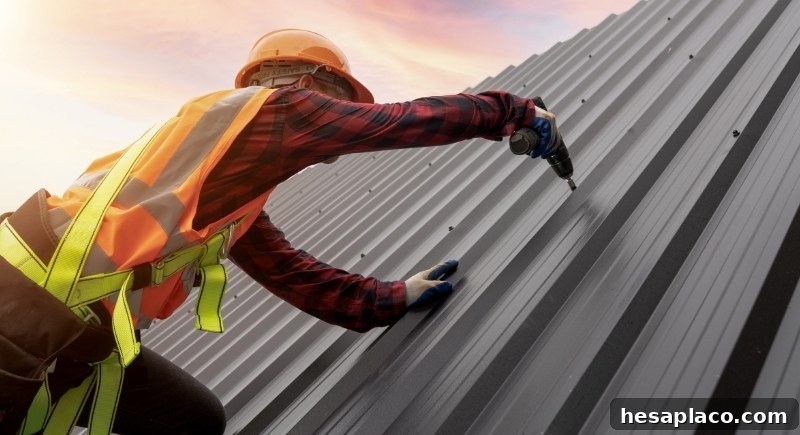
Roofers face a constant battle with gravity. Working several feet above ground, they risk falling through skylights, slipping on loose shingles, or tumbling off roof edges—especially when fatigue sets in after long hours. A single misstep can cause life-changing injuries or death.
Aircraft Pilots and Flight Engineers

Credit: pexels
Bush pilots and agricultural spray pilots work in conditions far different from commercial airline crews. Flying low leaves almost no time to react to engine trouble, and poor visibility can hide power lines or rising terrain until it’s too late. Mechanical failures and rapidly changing weather are additional threats, so constant vigilance is essential.
Refuse and Recyclable Material Collectors
Credit: Canva
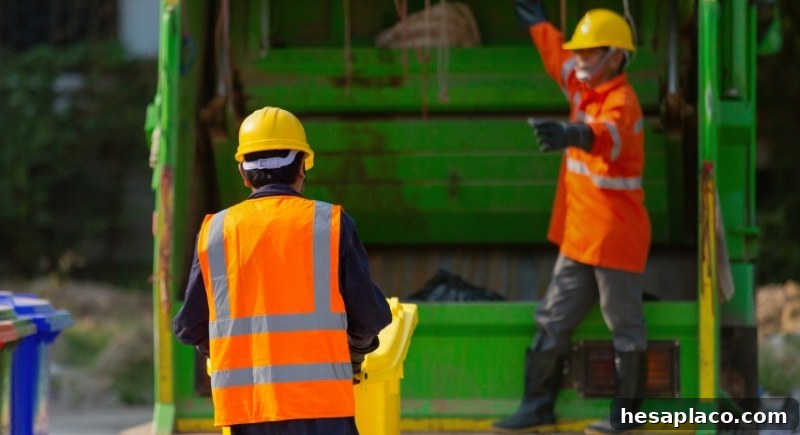
Sanitation workers often work unseen by the public but face significant danger every day. Riding the back of a garbage truck exposes them to distracted or speeding drivers, and the equipment itself—compactors, lifts, and dumpsters—can cause severe injuries. Early-morning shifts and limited lighting add further risk in residential areas.
Structural Iron and Steel Workers
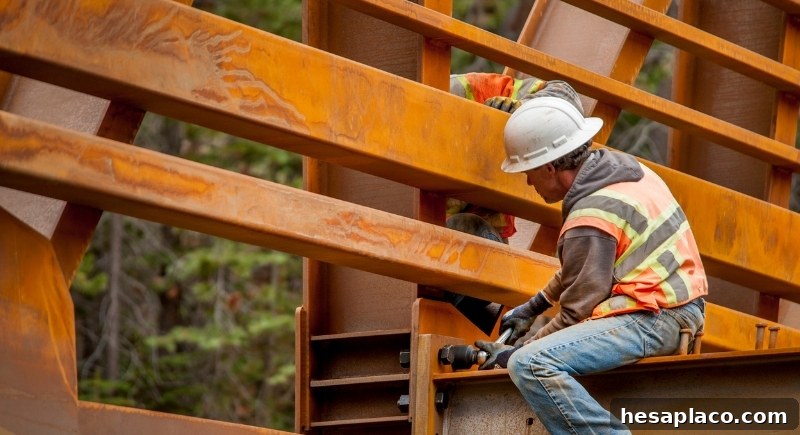
Credit: Getty Images
Ironworkers routinely operate at great heights on narrow beams, relying on harnesses and safety lines. Sudden gusts of wind, slips, or miscommunication during lifts can lead to fatal falls or crushing injuries from suspended girders and heavy materials. Most fatalities in this trade are caused by falls or being struck by structural components during high-rise construction.
Driver Sales Workers and Truck Drivers
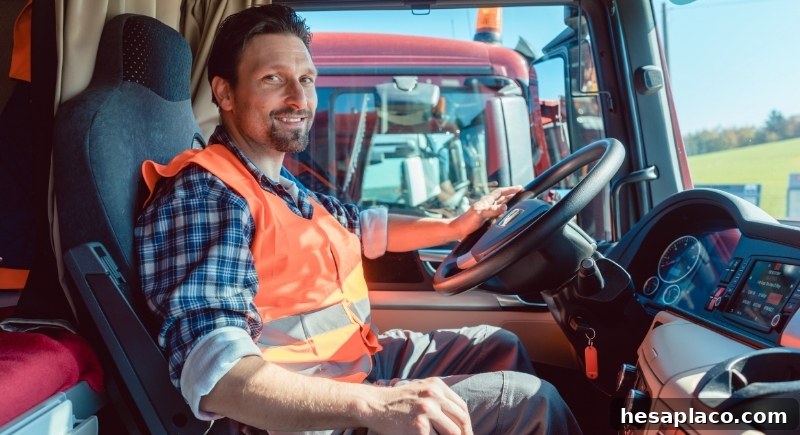
Credit: Canva
Long-haul truck drivers spend many hours on the road, and the pressure of delivery schedules can encourage extended driving that leads to dangerous fatigue. When drowsiness sets in, reaction times drop dramatically, increasing the risk of deadly accidents—particularly given the massive weight of loaded trailers involved in crashes.
Helpers in Construction Trades
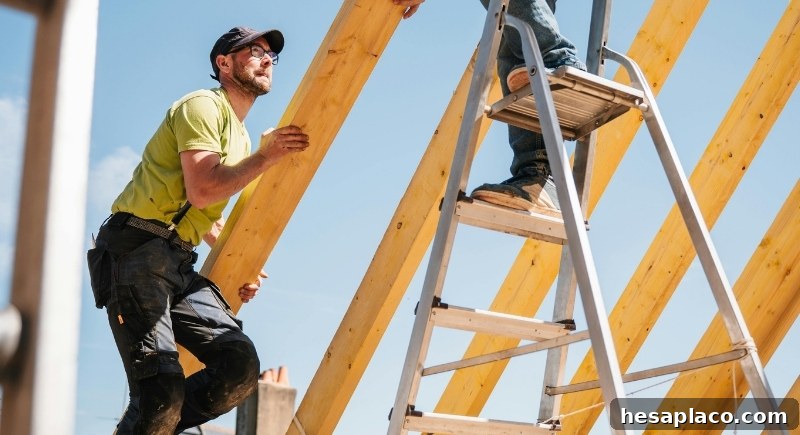
Credit: pexels
Construction helpers perform physically demanding, varied tasks that keep job sites productive but expose them to many hazards. They often work in trenches that can collapse, clear debris that can fall from above, and assist with heavy lifts. Their role requires moving across the site and engaging with nearly every major construction risk.
Agricultural Managers and Farmers
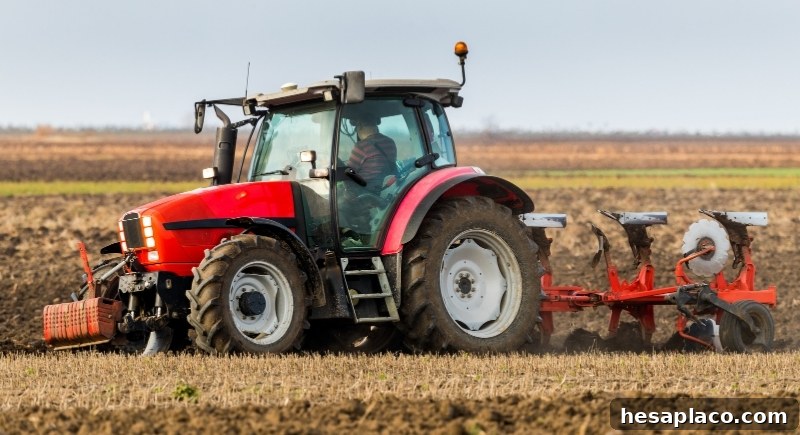
Credit: Getty Images
Farming remains a dangerous occupation. Tractor rollovers are a leading cause of death on farms when machines flip on slopes and trap operators beneath them. Grain bins can entrap and suffocate workers in seconds, and the long hours of planting and harvest increase fatigue-related errors. These combined hazards make agricultural work particularly perilous.
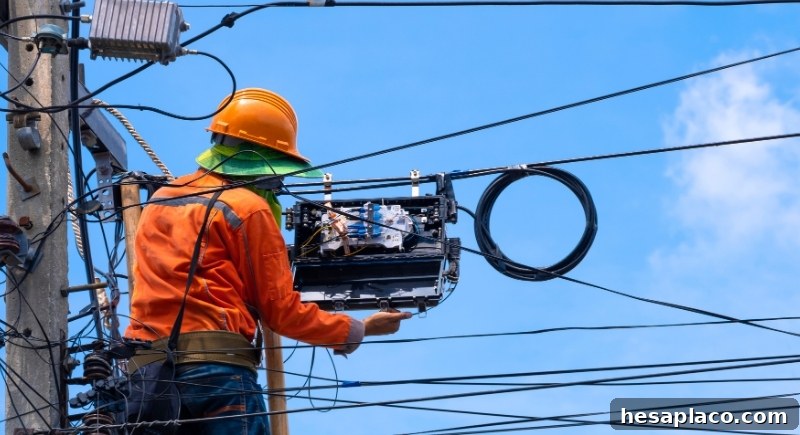
Electrical Power Line Installers
Credit: Canva
Lineworkers handle thousands of volts while often suspended in bucket trucks or climbing poles. A small breach in protective gear can allow lethal electricity to pass through the body. Emergency repairs after storms or ice events are especially hazardous because crews work in unstable conditions, facing both the risk of falls from height and instant electrocution while restoring power.