
Between rising costs and stagnant wages, everyday essentials are becoming increasingly unaffordable for millions of families. This isn’t about luxury items — it’s about being able to afford things that were once considered ordinary necessities.
If current economic trends continue, the coming decade could bring even greater financial pressure. Below is a look at the everyday expenses many middle-class households may struggle to afford by 2035.
Buying a Home

Credit: Getty Images
Homeownership used to be an achievable milestone for many families, but it is increasingly out of reach. By 2025, the typical new home price hovered around $460,000, with mortgage rates above 6%. Even with two incomes, many middle-class households struggle to qualify for loans at these prices, forcing younger buyers to delay purchasing or accept homes far from job centers.
Sending Kids to College

Credit: corelens
College costs have risen dramatically, and student loan debt lingers for decades for many graduates. Without scholarships, significant financial aid, or affordable public options, families are reassessing whether a four-year degree is worth the long-term price. Increasing tuition places higher education further out of reach for many middle-income households.
Just Going to the Doctor

Credit: Getty Images
Healthcare costs have become a major financial burden. In 2023, average family health plan costs approached $24,000 annually—and that figure often excludes prescription drugs, copays, and emergency care. Without comprehensive employer coverage, many people delay or skip care, which can turn manageable problems into costly emergencies.
Paying for Daycare

Credit: Getty Images
Childcare costs can rival a second rent payment in many cities. Monthly fees around $1,500 per child leave families with two young children effectively working to cover childcare expenses alone. Reliable providers are often scarce, adding stress and limiting parents’ employment options.
Building a Retirement Fund

Credit: Canva
Many households struggle to save for retirement. Contributions to retirement accounts like 401(k)s are often limited by current expenses, and for many, saving anything meaningful is difficult. With questions surrounding the long-term stability of Social Security benefits, inadequate retirement savings represent a growing risk for middle-income families.
Taking Care of Aging Parents

Credit: Getty Images
Long-term care is expensive and often unaffordable. Projections suggest that by 2029 more than half of middle-income seniors may not be able to afford assisted living without exhausting their resources. Adult children increasingly shoulder caregiving responsibilities, a trend that carries both emotional strain and significant financial cost.
Buying a New Car

Credit: Getty Images
Average new-car prices have climbed past $47,000, and even base models increasingly include costly technology and safety features. To afford a new vehicle, many families rely on long-term loans or compromises that strain monthly budgets and reduce financial flexibility.
Going on a Real Vacation

Credit: Getty Images
Rising costs for airfare, accommodation, food, and attractions are making traditional family vacations less feasible. Many households now opt for shorter, local trips or forgo travel entirely to avoid draining savings or accumulating credit card debt. Over the next decade, even modest weekend getaways may become a rare treat for some families.
Saving for Emergencies

Credit: Getty Images
Many Americans lack a sufficient emergency fund. A large share of households cannot cover a $1,000 unexpected expense without turning to credit or loans. Living paycheck to paycheck means that small crises—car repairs, medical bills—can rapidly lead to debt and financial instability.
Keeping Up With Home Repairs

Credit: pexels
Basic home repairs have grown more expensive due to higher labor costs and supply shortages. Routine maintenance that used to be manageable can now force families to dip into savings or defer repairs, which often leads to even costlier problems down the road.
Eating Healthy

Credit: Getty Images
Fresh produce, whole grains, and lean proteins typically cost more than processed alternatives. As grocery prices rise, many families opt for cheaper, less nutritious food not by choice but out of necessity, making it harder to maintain a healthy diet on a tight budget.
Staying Connected

Credit: Getty Images
Internet access is essential for education, work, healthcare, and banking, but monthly costs for high-speed service, subscriptions, and device upgrades add up. For households with remote workers or students, cutting these services is rarely an option, leaving connectivity as a recurring financial burden.
Using Public Transit
Credit: pexels
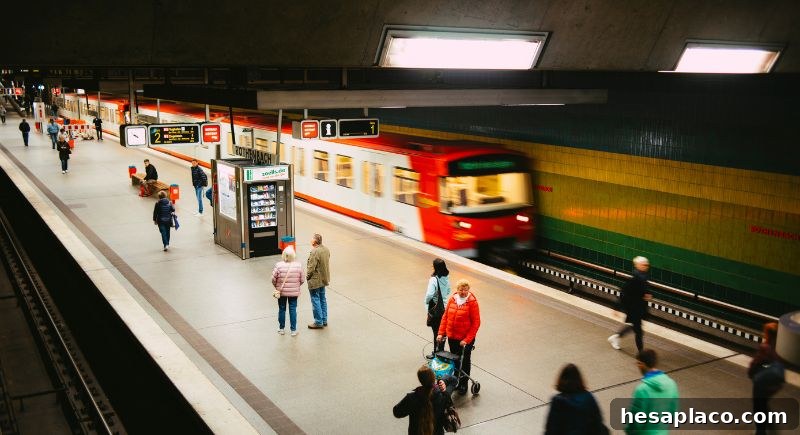
Public transit systems face funding shortfalls, service reductions, and rising fares in some areas. When buses and trains become less reliable or safe, families may be forced to spend more on driving or rideshare options, further straining household budgets.
Paying the Power Bill
Credit: Canva
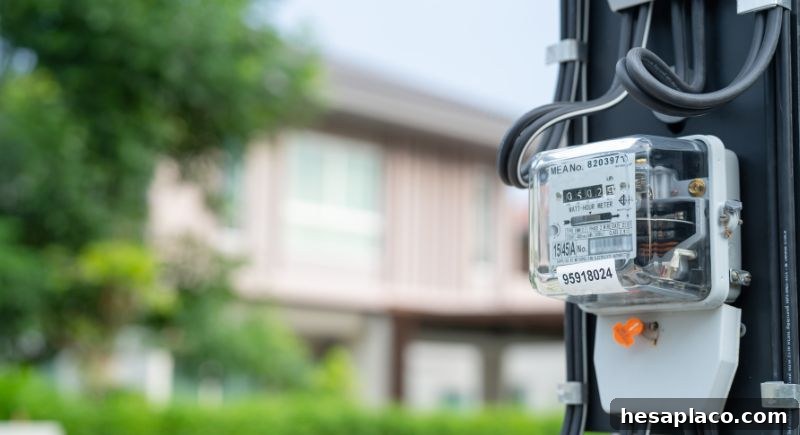
Energy bills are rising, especially in homes with inefficient appliances or poor insulation. Heating and cooling are major drivers of monthly costs, and while energy-efficient upgrades can reduce bills, the upfront expenses for those improvements are often out of reach for cash-strapped families.
Affording Insurance
Credit: 89Stocker
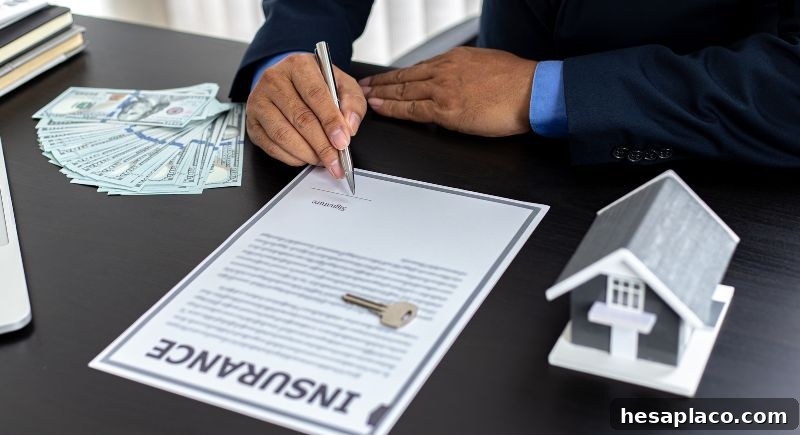
Insurance premiums for health, auto, and home have been increasing while many policies provide less comprehensive coverage. In higher-risk areas, some middle-class homeowners struggle to find affordable homeowners insurance, turning what was once financial protection into another budgetary challenge.
Owning a Pet

Credit: Getty Images
Pets bring joy but also ongoing costs for food, grooming, boarding, and routine veterinary care—costs that can escalate in an emergency. Rising pet care expenses lead many families to hesitate before adopting, and continued cost increases could make pet ownership feel like a luxury for some households.
Private School K-12
Credit: iStockphoto
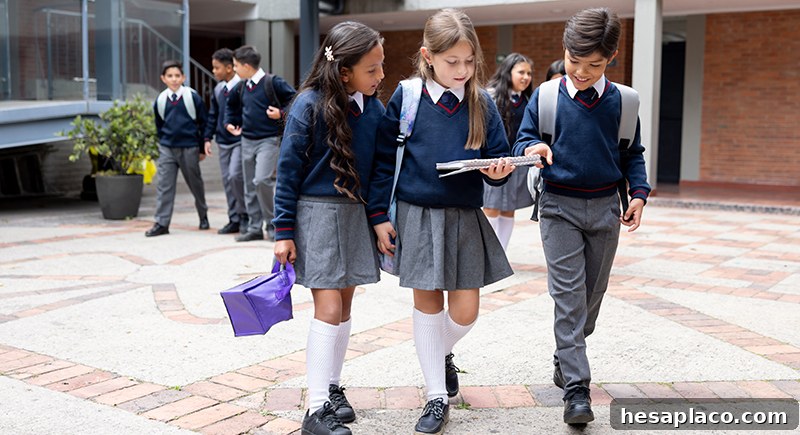
Private K-12 education, once attainable for many middle-class families, now often costs $15,000 to $30,000 a year at many schools. If tuition continues to rise faster than wages, private schooling will likely become an option primarily for wealthier households, reducing educational choices for many families.
As costs increase across so many areas—housing, healthcare, childcare, education, and daily necessities—middle-class families face difficult trade-offs. Planning, policy changes, and community supports will play vital roles in helping households maintain financial stability and access to the basics in the years ahead.