Every company makes mistakes. Most are small and contained, but some decisions reverberate through entire industries. A missed trend, a clung-to assumption, or a delayed pivot can cost millions or even billions—and sometimes reshape history. Below are ten high-profile business missteps that didn’t just dent profits; they altered the course of markets and technology.
Xerox Showed Apple the Future

Credit: Wikimedia Commons
Xerox PARC developed the core components of the modern personal computer in the 1970s. The Alto workstation featured a graphical user interface, a mouse, and Ethernet networking—ideas that later became central to the PC revolution. In 1979, a visit from Steve Jobs led to those concepts being adapted at Apple. Xerox’s executives, focused on their profitable photocopier business, failed to aggressively commercialize PARC’s innovations. As a result, they effectively handed a roadmap for personal computing to competitors.
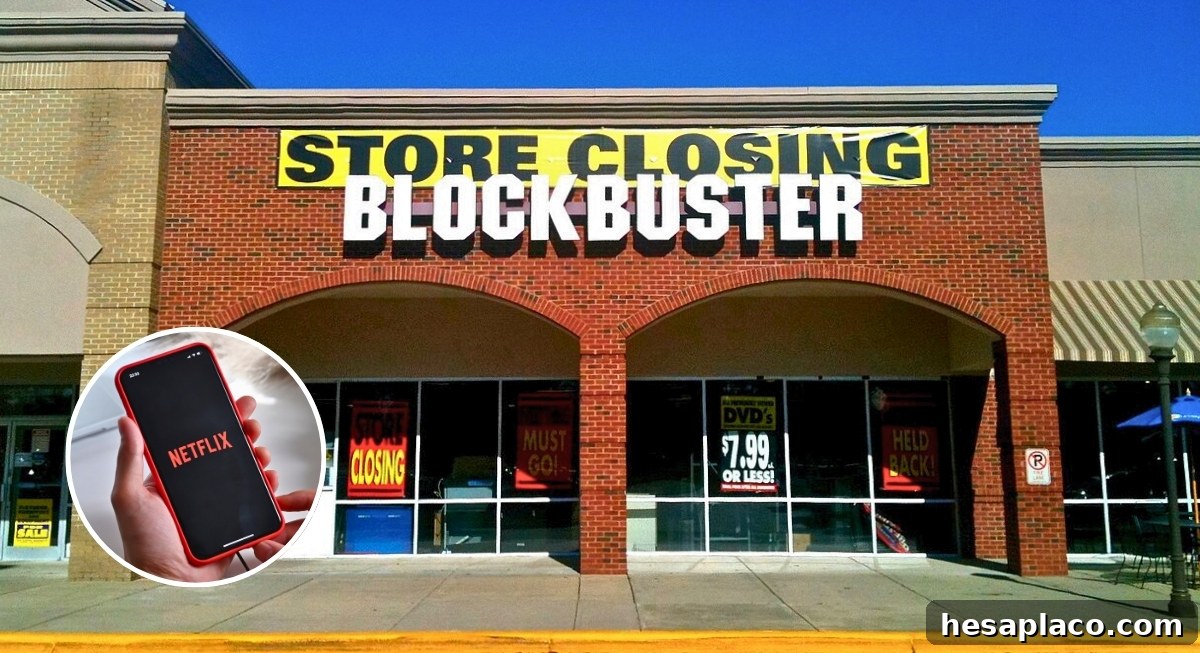
Blockbuster Laughed Netflix Out of the Room

Credit: Wikimedia Commons
In 2000, Reed Hastings offered to sell his fledgling company, Netflix, to Blockbuster for $50 million. The proposed arrangement would have combined Netflix’s online subscription model with Blockbuster’s retail presence. Blockbuster’s leadership reportedly dismissed the idea; they were confident in their dominant brick-and-mortar position and skeptical about subscription-based DVD rentals and future streaming. That decision proved costly: Blockbuster largely disappeared while Netflix became a dominant entertainment platform valued in the hundreds of billions.
Kodak Invented Digital Photography, Then Buried It

Credit: Reddit
Steven Sasson, an engineer at Kodak, built the first digital camera prototype in 1975. The device captured black-and-white images and proved the core concept of digital photography. Rather than embrace the innovation, Kodak’s management shelved the work to protect their highly profitable film business. By the time Kodak took digital cameras seriously, competitors had already seized the market. Kodak’s late response contributed to a steep decline that culminated in bankruptcy protection in 2012.
Yahoo Passed on Google
Credit: Wikimedia Commons
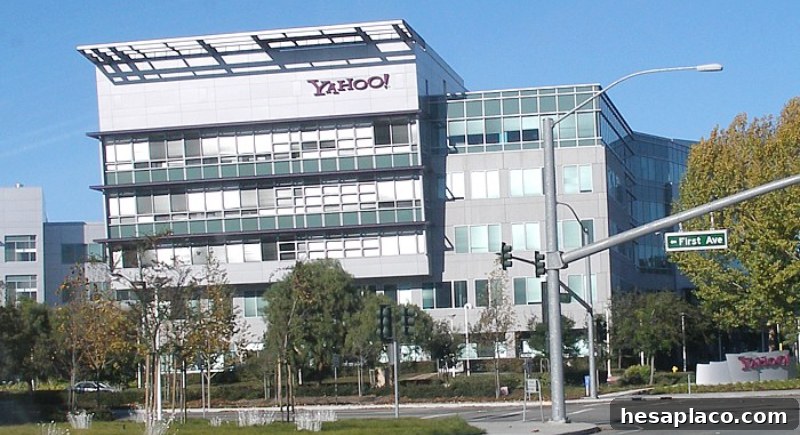
In the early 2000s Yahoo considered acquiring Google but balked over price. Reports suggest Yahoo offered around $3 billion while Google’s founders sought more. Yahoo believed its web portal model would remain more valuable than a search engine alone. The deal never happened. Today Google’s parent company is one of the world’s most valuable firms, while Yahoo’s assets were sold for only a fraction of that sum, reflecting a missed opportunity to dominate search.
BlackBerry Dismissed the iPhone as a Toy
Credit: Wikimedia Commons
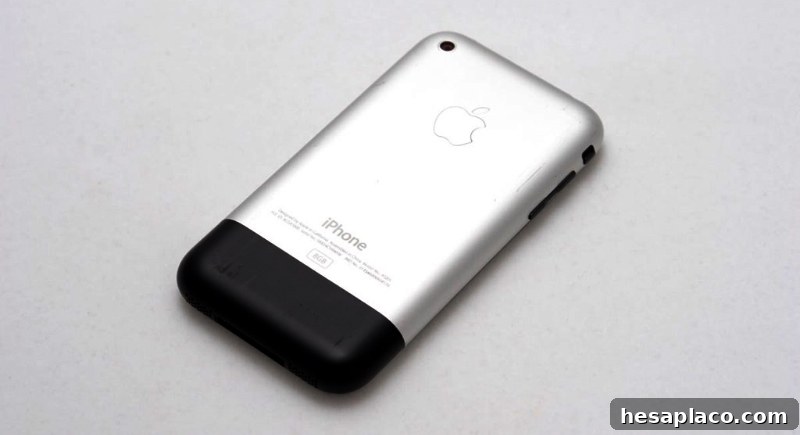
When the iPhone debuted in 2007, many at BlackBerry considered it a novelty unlikely to win over serious business users. At the time BlackBerry commanded a large share of the smartphone market with devices designed for email and physical keyboards. But consumer preferences shifted rapidly toward touchscreen devices and rich app ecosystems. BlackBerry’s delayed response and reliance on hardware-centric designs led to a rapid decline in handset sales and an exit from phone manufacturing within a decade.
Excite Turned Down Google for $750,000

Credit: Wikimedia Commons
Before Yahoo declined Google, the fledgling search company reportedly approached Excite with an offer of roughly $750,000. Excite’s leadership appreciated the search technology but feared that sending users directly to better results would reduce time spent on their portal. That short-term focus on retaining browsing traffic cost them long-term dominance: Excite’s value diminished in later acquisitions, while Google grew into a global search and advertising leader.
Decca Records Rejected The Beatles

Credit: Wikimedia Commons
In 1962, Decca Records’ A&R executive chose Brian Poole and the Tremeloes over an auditioning band called The Beatles, believing guitar groups were on the decline. The Beatles went on to sign with EMI’s Parlophone and became one of the best-selling acts in history. Decca later signed other major artists, but passing on The Beatles remains one of the music industry’s most notable missed opportunities.
Nokia Refused to Adapt to Smartphones
Credit: Wikimedia Commons
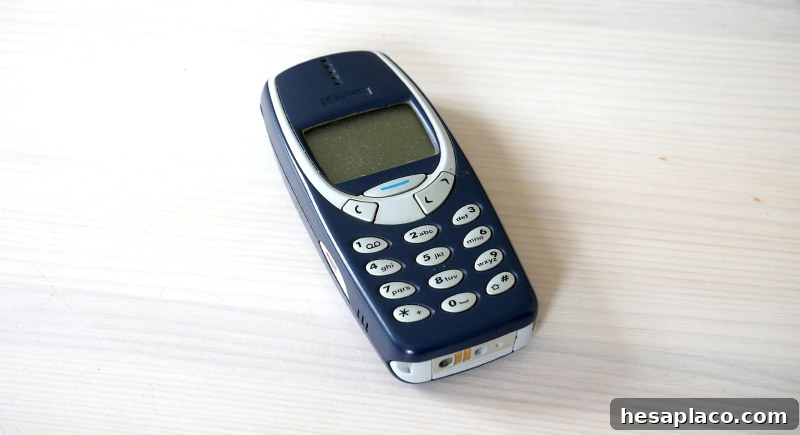
Nokia once controlled a dominant share of the mobile phone market and reached its billionth handset sold by 2005. However, after the arrival of the iPhone and the rise of app-driven smartphones, Nokia’s leadership underestimated the importance of touchscreens, app ecosystems, and modern software. Their later partnership with Microsoft produced phones that arrived too late and failed to win widespread adoption. Nokia’s mobile division was eventually sold, ending an era for a former industry titan.
Toys “R” Us Handed Its Business to Amazon

Credit: Wikimedia Commons
In 2000 Toys “R” Us struck an exclusive deal with Amazon to operate its online toy business, paying an annual fee plus a percentage of sales. The agreement was intended to leverage Amazon’s e-commerce capabilities while preserving Toys “R” Us’s brand. Over time Amazon expanded toy offerings from other sellers and gained deep insights into the market. Although the partnership ended years later, Amazon had already established a dominant online position. Toys “R” Us later struggled against e-commerce competition and filed for bankruptcy.
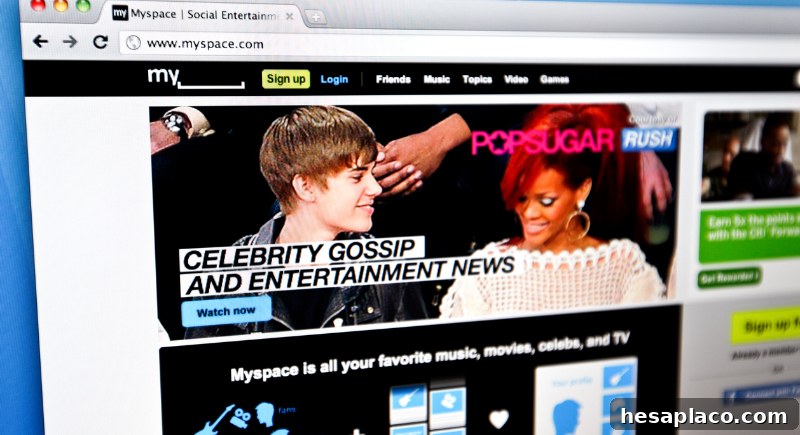
MySpace Sold Too Early and Lost Everything
Credit: iStockphoto
MySpace was the dominant social network in the mid-2000s. In 2005 News Corp acquired it for several hundred million dollars, and under corporate ownership the site grew more cluttered with advertising and less focused on user experience. Meanwhile, competitors like Facebook prioritized a cleaner design and rapid user growth. Within a few years Facebook overtook MySpace in active users. News Corp eventually sold MySpace for a small fraction of the purchase price, illustrating how quickly digital leadership can slip away without strategic direction and user-focused product decisions.
These stories share a common lesson: when companies prioritize short-term profits, existing business models, or internal biases over innovation and customer trends, they risk losing far more than market share. The biggest failures often come not from bad technology but from failing to recognize how customer behavior will change—and failing to act when it does.