
Countries that divert a large share of their economic output toward savings do so for very different reasons. Energy revenue, multinational accounting practices, strong public policy, and rapid investment cycles can all push national savings higher. The ten countries below consistently set aside an unusually large portion of Gross Domestic Product instead of channeling it into household consumption, and the drivers behind those patterns reveal important features of how their economies function.
Ireland

Credit: Getty Images
Ireland’s high savings share is largely an accounting story. Multinational corporations book large profits there, inflating GDP and GDP per capita—official figures show roughly $131,175 per person—while domestic wages and living standards remain far more modest. That corporate profit booking raises measured national income and, in turn, the portion of output recorded as retained earnings or savings, which sits near 58.9% of GDP in official data.
Brunei

Credit: Getty Images
Brunei’s small population and state-dominated economy concentrate wealth from energy exports into government hands rather than household spending. Large oil and gas revenues flow directly into the public sector, leaving a limited share of output for day-to-day consumption. As a consequence, nearly 48.5% of GDP is recorded as savings, with nominal GDP per capita around $90,007.
Republic of the Congo
Credit: pexels
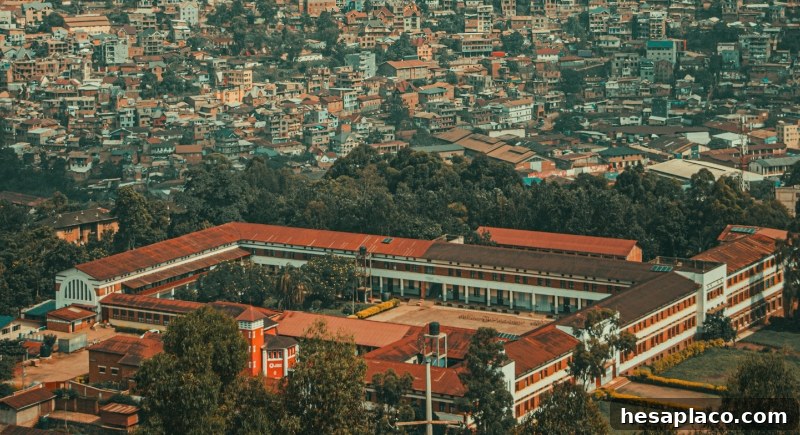
In the Republic of the Congo, oil exports drive government revenue well beyond domestic consumption needs. This revenue gap means the country sets aside a large portion of output—about 39.2% of GDP. Despite this, income per capita remains modest at roughly $7,026, though it is higher than in some neighboring countries that lack comparable access to energy income.
Angola
Credit: Getty Images
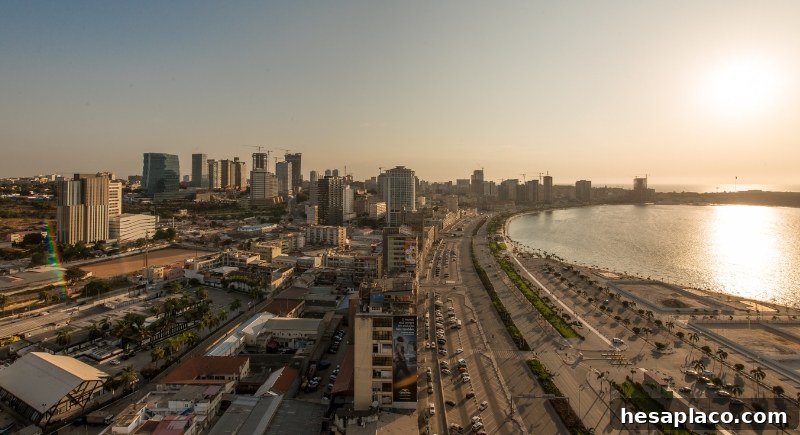
Angola’s headline national income figures are lifted by oil-driven export and fiscal receipts, so official savings look large relative to everyday living standards. Approximately 38.5% of GDP is recorded as retained income or savings, while average earnings per person are nearer $8,348.
Iraq
Credit: Getty Images
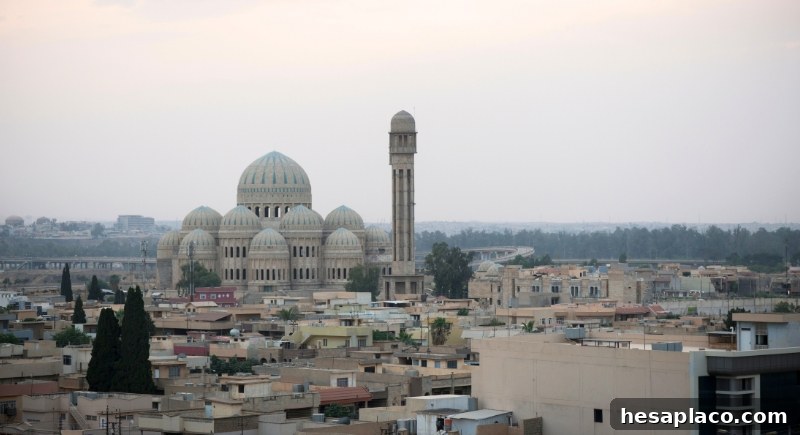
Despite reconstruction needs and domestic pressures, Iraq still relies heavily on oil exports for government income. That dependence keeps national savings relatively high, in the low‑40% range of GDP. Output per person is about $14,464, a figure that largely reflects strong export earnings rather than broad-based domestic prosperity.
Norway
Credit: Getty Images
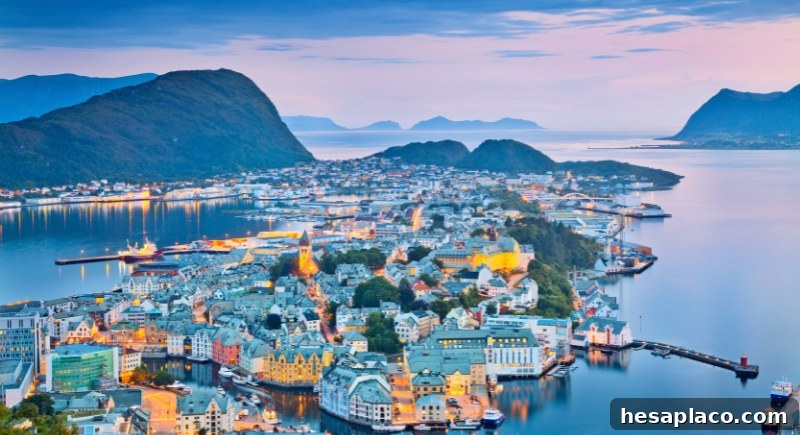
Norway differs from many resource exporters by limiting how much oil revenue enters the domestic economy each year. Strong fiscal rules direct surpluses into the Government Pension Fund Global, a sovereign wealth fund, which keeps measured national savings in the low‑30% range. Even so, GDP per capita is high—around $101,032—supported by productivity, diversified industries, and tight regulation.
Singapore
Credit: Getty Images
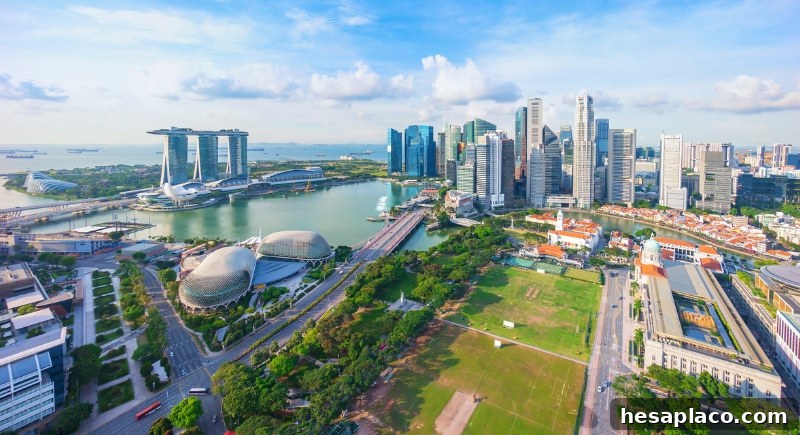
Singapore’s large measured savings share is driven less by traditional thrift than by institutional structures and extremely high productivity. With GDP per capita near $150,689, the economy benefits from advanced services, logistics, and finance. Mandatory pension schemes, high household and corporate savings rates, and state-linked investment vehicles contribute to national savings in the mid‑30% range, while overall strength depends primarily on efficiency and competitiveness.
Luxembourg

Credit: Canva
Cross-border finance and a large presence of investment funds and multinational headquarters define Luxembourg’s figures. Those activities push measured income per resident to about $150,772, one of the highest levels worldwide. Nonetheless, the share of output recorded as savings remains in the low‑30% range rather than reaching extreme levels.
Gabon
Credit: Getty Images
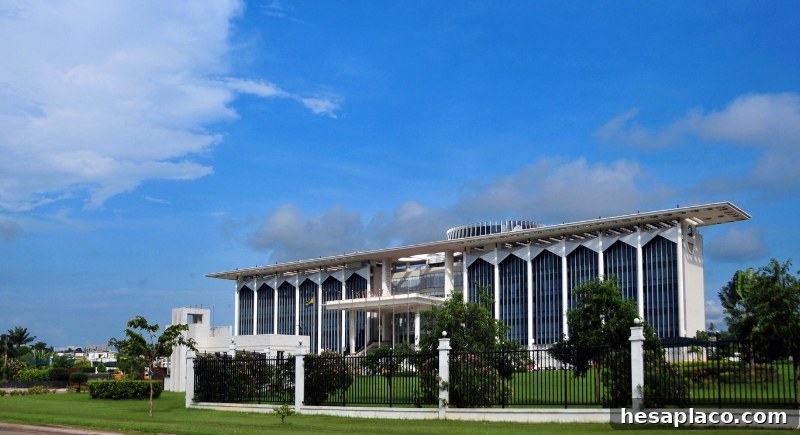
Gabon benefits from oil revenues that raise average income to about $21,509. While that positions the country above many of its regional peers, its national savings share stays in the low‑30% range, not at the very highest levels seen elsewhere.
Tanzania
Credit: Getty Images
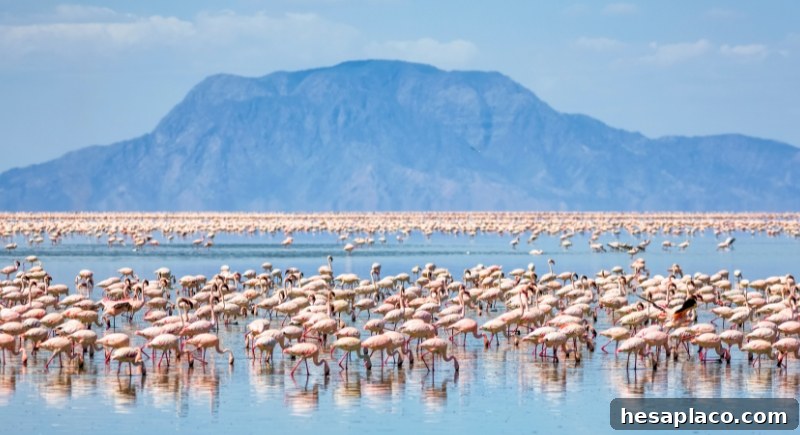
Revised data have reduced Tanzania’s ranking among the world’s top savers. The share of output set aside stands just under 30%, while income per person is about $4,221. Investment is growing, but relatively low average earnings limit how much of the economy can be saved each year.
Across these cases, a common theme emerges: headline national savings rates can reflect very different realities. In some countries, high savings result from natural resource revenues concentrated in the public sector; in others, it’s an outcome of multinational accounting, mandatory savings schemes, or deliberate fiscal policy. Looking beyond the raw percentages to how revenues are earned and distributed offers a clearer picture of living standards, investment prospects, and the resilience of each economy.