
Opening your monthly electric bill and finding it cut in half feels great—and it’s achievable with a few practical habits. Many homes waste energy in small, unnoticed ways that add up into higher costs. By identifying common problem areas and making simple changes, you can lower consumption and save money. The tips below focus on easy, realistic adjustments that deliver noticeable results over time.
Unplug Devices You’re Not Using
Credit: iStockphoto
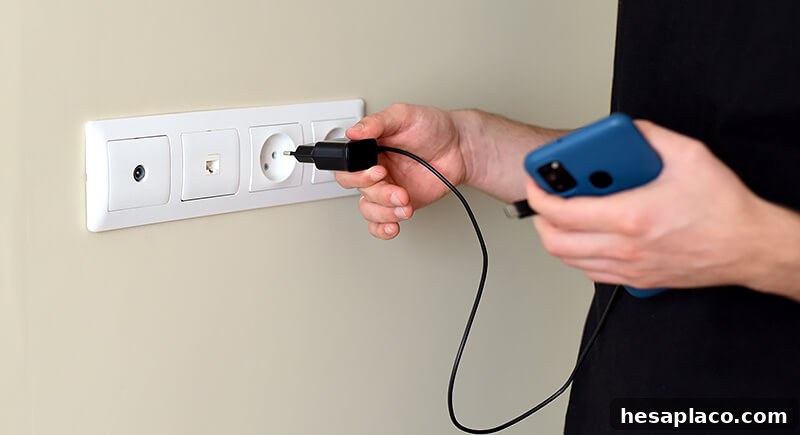
Many electronics continue to draw power even when they appear to be off—chargers, coffee makers, game consoles and other gadgets use standby power. Individually these draws are small, but cumulatively they can increase your bill. Make it a habit to unplug devices when they’re not in use or group several items on a single power strip so you can cut power to all of them at once.
Switch Out Old Bulbs for LEDs
Credit: iStockphoto
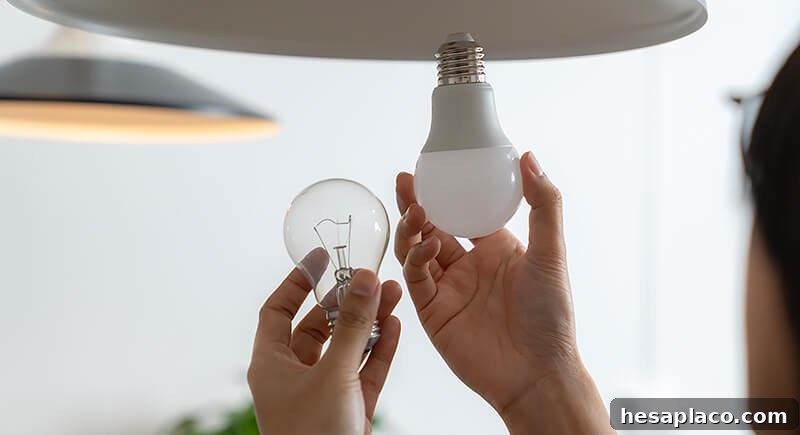
Incandescent bulbs are inefficient: they waste energy as heat and have short lifespans. LEDs use up to 80% less electricity and can last a decade or more. Start by replacing bulbs in frequently used rooms such as the kitchen and living area; the drop in lighting costs becomes evident quickly.
Seal Drafts Before They Drain Your Wallet

Credit: iStockphoto
Gaps around doors and windows let conditioned air escape and outside air enter, forcing your heating and cooling systems to work harder. Weatherstripping and caulk are inexpensive and easy to apply. Do a quick inspection of older windows and door frames and seal any visible gaps—this takes minimal time but improves comfort and lowers energy use.
Wash Laundry in Cold Water

Credit: iStockphoto
Most of the energy used by a washing machine heats the water, not the cleaning process. For everyday laundry, cold water is usually sufficient and is gentler on fabrics, which prolongs garment life. Set your washer to default to cold to make energy savings automatic.
Let Clothes Air-Dry When You Can

Credit: freepik
Dryers consume a lot of energy and can be harsh on clothing fibers. Using a drying rack or clothesline for heavy items such as jeans and towels reduces energy use and extends the life of garments. Air-drying takes more time but costs nothing and can reduce your electric bill over the long term.
Cut Shower Time Just a Bit

Credit: freepik
Heating water is one of the most energy-intensive household activities. Shortening showers by a few minutes, especially in multi-person households, reduces hot water consumption and energy use. A simple timer or timing your shower to a short song can make it easy to trim minutes without feeling rushed.
Fine-Tune Your Thermostat Settings
Credit: iStockphoto
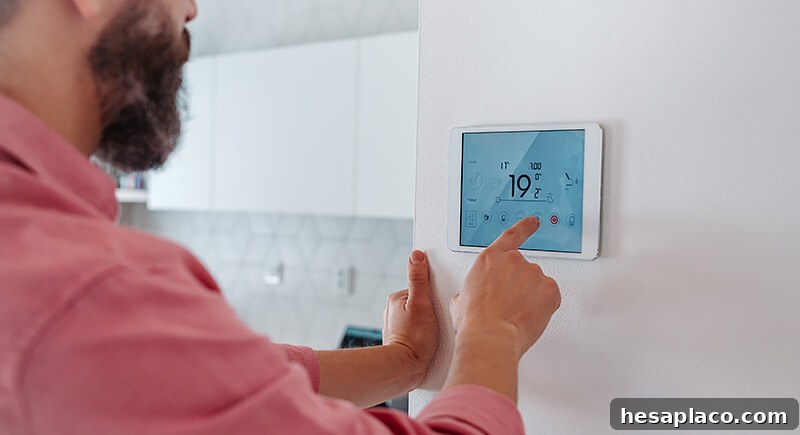
Adjusting your thermostat by just a degree or two can yield meaningful savings. Lower the temperature slightly in winter when you’re asleep or away; raise it a bit in summer under the same conditions. A programmable or smart thermostat automates these adjustments so your HVAC system uses less energy without extra effort.
Install Smart Power Strips
Credit: iStockphoto
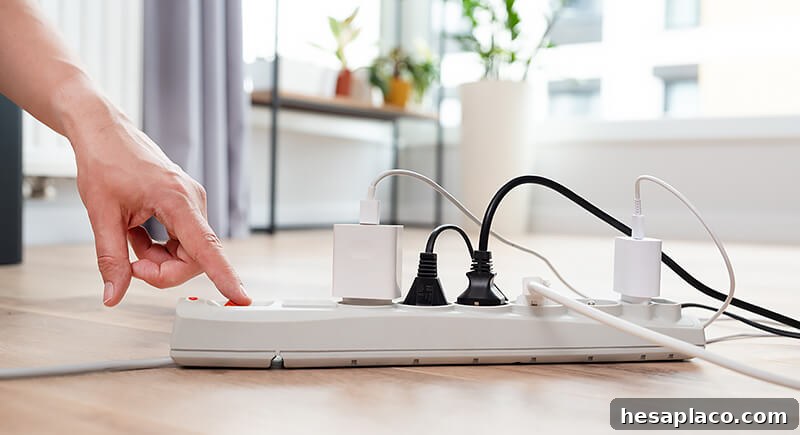
Many electronics do not fully power down and continue to draw standby current. Smart power strips detect idle devices and cut power automatically, eliminating phantom energy use. They’re an easy upgrade that reduces wasted electricity for entertainment centers, home offices and other electronics clusters.
Limit Space Heater Use

Credit: iStockphoto
Space heaters can quickly raise temperatures in a single room but are power-hungry and expensive to run continuously. Use them sparingly and only while you’re in the room. For consistent savings, layer clothing or improve insulation rather than relying on portable heaters as a long-term solution.
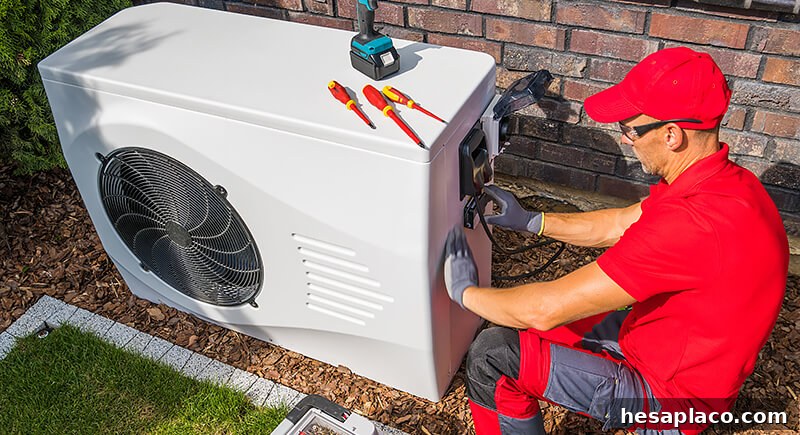
Keep Your HVAC System Running Smoothly
Credit: iStockphoto
Regular maintenance keeps your heating and cooling system efficient. Replace or clean air filters every couple of months, clear vents of obstructions, and schedule a professional inspection before peak heating or cooling seasons. A well-maintained HVAC system uses less energy and keeps your home more comfortable.
Make the Most of Natural Light

Credit: iStockphoto
Daylight is a free source of illumination and warmth. Open curtains and arrange seating and workspaces to take advantage of natural light during the day. Reducing reliance on artificial lighting cuts energy use and enhances the feel of your living spaces.
Set Your Fridge to the Right Temperature

Credit: iStockphoto
Refrigerators run continuously, so correct settings matter. Keep the fridge compartment between 37°F and 40°F and the freezer at 0°F to preserve food while avoiding excess energy use. Clean dust from coils periodically and check door seals for tightness—loose seals let cold air escape and increase energy consumption.
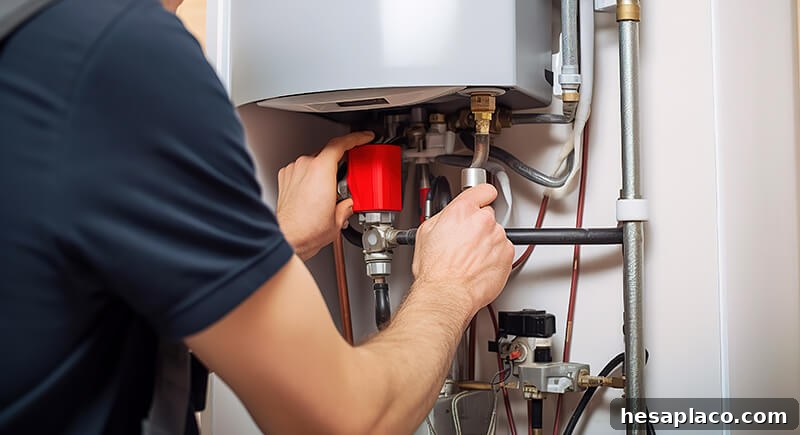
Insulate Your Water Heater
Credit: iStockphoto
An insulated water heater retains heat better and reduces the frequency of reheating. An insulation blanket is an inexpensive upgrade that typically takes under an hour to install and results in ongoing savings by reducing standby heat loss.
Run Big Appliances During Off-Peak Hours

Credit: iStockphoto
Many utilities charge higher rates during peak demand periods, often in the afternoon and early evening. Check your energy provider’s rate schedule and run high-consumption appliances—dishwasher, washer, dryer—during off-peak hours like early morning or late evening to lower costs.
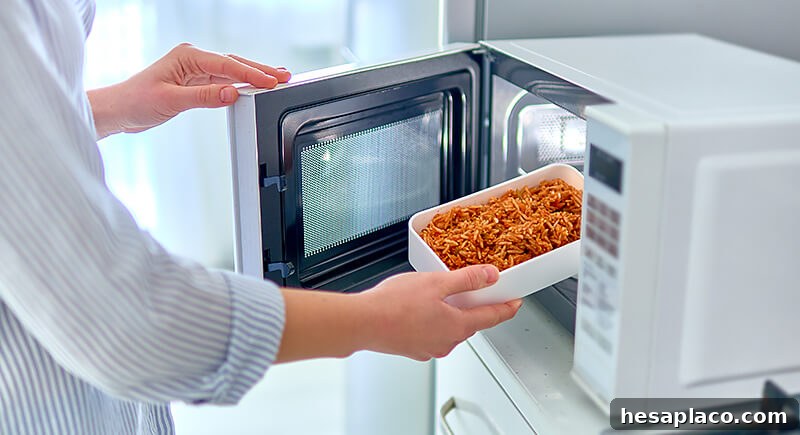
Use the Microwave More Often
Credit: iStockphoto
Microwaves heat food faster and with less energy than ovens, making them the better choice for reheating leftovers or preparing small meals. Using the microwave more often reduces energy use and prevents your kitchen from heating up in warmer months.
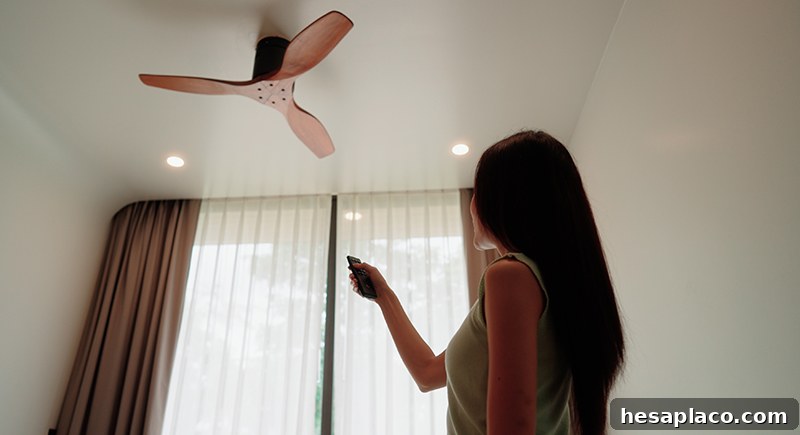
Reverse Your Ceiling Fans
Credit: iStockphoto
Ceiling fans have a seasonal setting: counterclockwise in summer pushes cool air down, creating a breeze, while clockwise in winter helps circulate warm air along the ceiling back into the living space. Using the correct direction reduces reliance on heating and cooling systems.
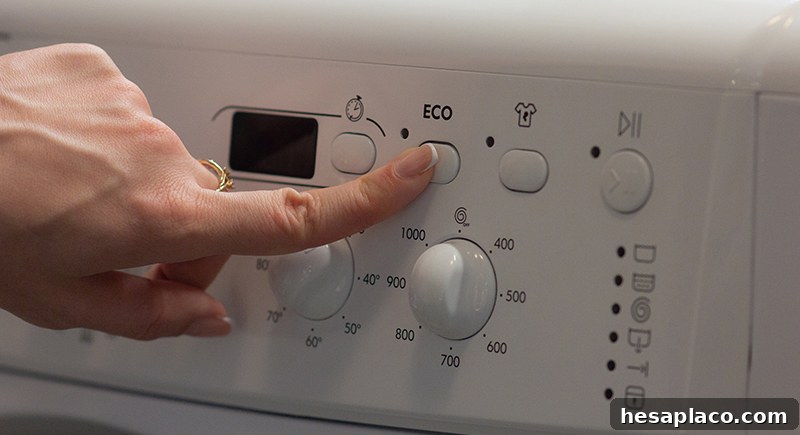
Use “Eco-Mode” on Modern Appliances
Credit: iStockphoto
Eco modes on dishwashers, washers, dryers and other appliances are designed to reduce energy use by adjusting cycle length and power settings. While cycles may take a bit longer, they often use significantly less electricity, and the savings compound over time.