In the late 1990s, one of the most notorious deal mix-ups in modern business history unfolded across boardrooms in Germany and the United Kingdom. What appeared initially as a clear-cut acquisition soon turned into an awkward stand-off in which factories, staff and brand names came to be owned by different companies. The episode reshaped two storied luxury carmakers and remains a cautionary tale in corporate strategy and deal execution.
The Bidding War
Credit: Getty Images
In June 1998 Volkswagen outbid BMW to acquire Rolls-Royce Motor Cars from Vickers for $790 million. The outcome followed a tense contest between two major German automakers vying for the same prestigious marque. At the time, media coverage presented Volkswagen’s victory as a decisive strategic win.
Why BMW Was the Favorite
Credit: pexels
BMW had long supplied engines to both Rolls-Royce and Bentley and enjoyed an operational relationship with the Crewe factory. That supply arrangement and technical familiarity made BMW the perceived favorite to win the assets, since it already had deep ties to the cars and their production.
The Celebration Came Early

Credit: Getty Images
Volkswagen’s executives celebrated immediately after signing the agreement. Ferdinand Piëch, then chairman, was lauded across Europe for extending Volkswagen’s reach into the ultra-luxury segment. For a short time the acquisition seemed complete and uncontested.
The Missing Name
Credit: pexels
After the deal closed, Volkswagen’s legal team discovered a critical oversight: the Rolls-Royce name and logo were not part of the sale. Those branding rights were held by Rolls-Royce plc, the aerospace company that had been separate from the carmaker for decades. Volkswagen had acquired the factory, tooling and personnel—but not the famous badge.
BMW’s Quiet Move

Credit: Canva
BMW negotiated directly with Rolls-Royce plc and, leveraging its existing partnership, secured the rights to the Rolls-Royce name and logo for roughly $65 million. The aerospace firm preferred to continue its relationship with BMW, and so those crucial branding rights changed hands separately from the physical assets sold to Volkswagen.
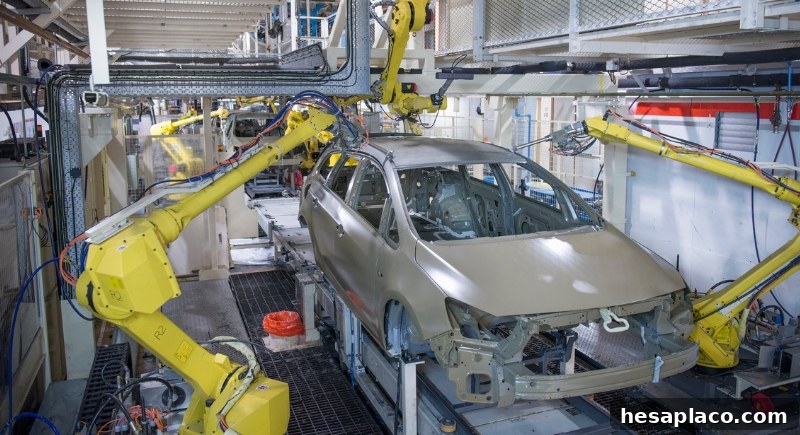
A Factory Without an Identity
Credit: Canva
Suddenly Volkswagen found itself owning a luxury car operation that could not legally use the Rolls-Royce name. Production could continue only under temporary arrangements while the parties tried to resolve the branding issue. The situation created confusion among customers and concern among investors as the future of the Crewe plant and its marques hung in the balance.
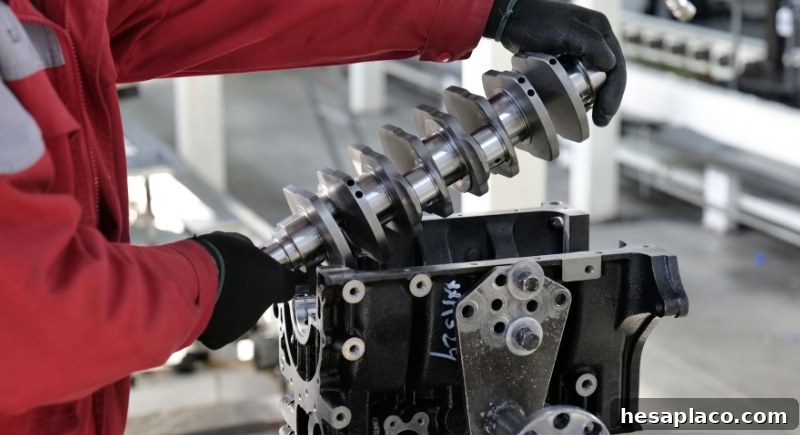
The Engine Leverage
Credit: pexels
Even after losing the bid, BMW continued to supply engines to the Crewe facility. With control of the Rolls-Royce name, BMW also held practical leverage: it could threaten to halt engine deliveries, which would have forced production to stop almost immediately. That supply dependency increased the urgency to reach a settlement.
The Forced Negotiation
Credit: pexels
Volkswagen had no immediate alternative powertrain solution for Rolls-Royce vehicles; designing and certifying a new engine would have taken years and risked damaging customer confidence. As supply constraints became credible, VW and BMW were pushed into intensive negotiations to resolve ownership of brands and production rights.
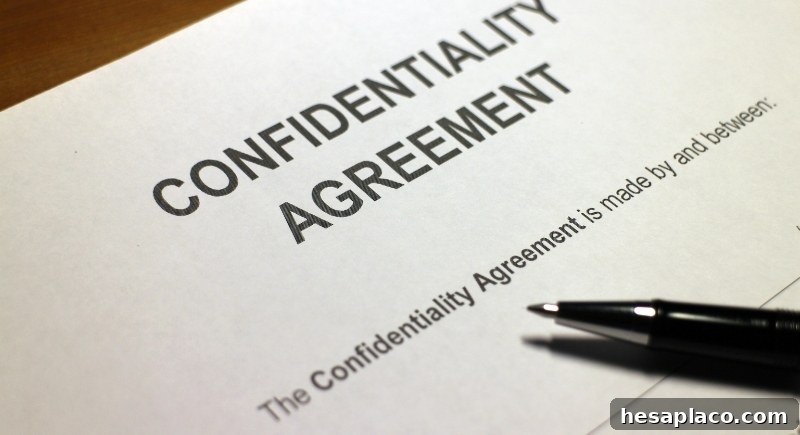
The Gentleman’s Agreement
Credit: Getty Images
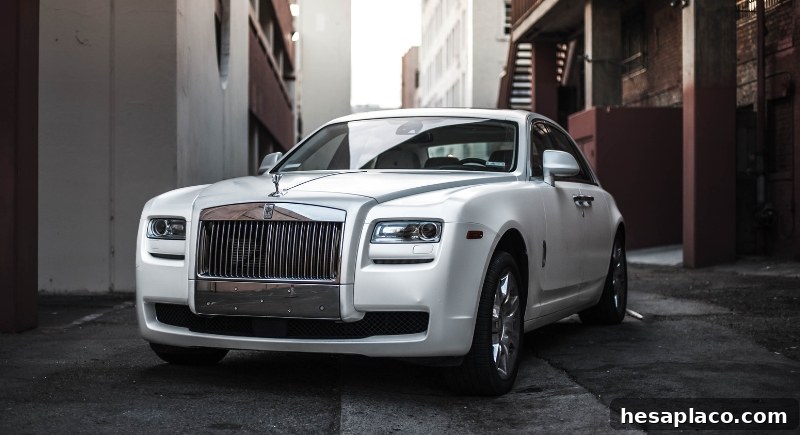
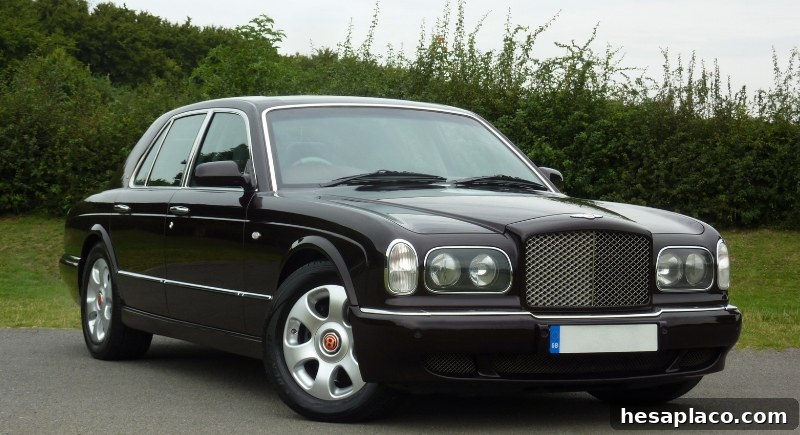
The companies eventually reached a settlement that neatly divided assets and rights. Volkswagen kept the Crewe factory and ownership of Bentley, while BMW obtained exclusive rights to manufacture cars under the Rolls-Royce name starting in 2003. The agreement allowed each company to pursue its separate strategic path.
Two Winners, One Lesson
Credit: pixabay
BMW established a new headquarters in Goodwood and relaunched Rolls-Royce under its stewardship, introducing the Phantom and other models that reinforced the marque’s heritage. Volkswagen re-focused Crewe around Bentley, turning the brand into a global success. The episode endures in business lore because a relatively small payment for a name—around $65 million—ultimately carried more strategic value than the $790 million spent on plants and equipment, underscoring how intellectual property and brand rights can be decisive in corporate deals.