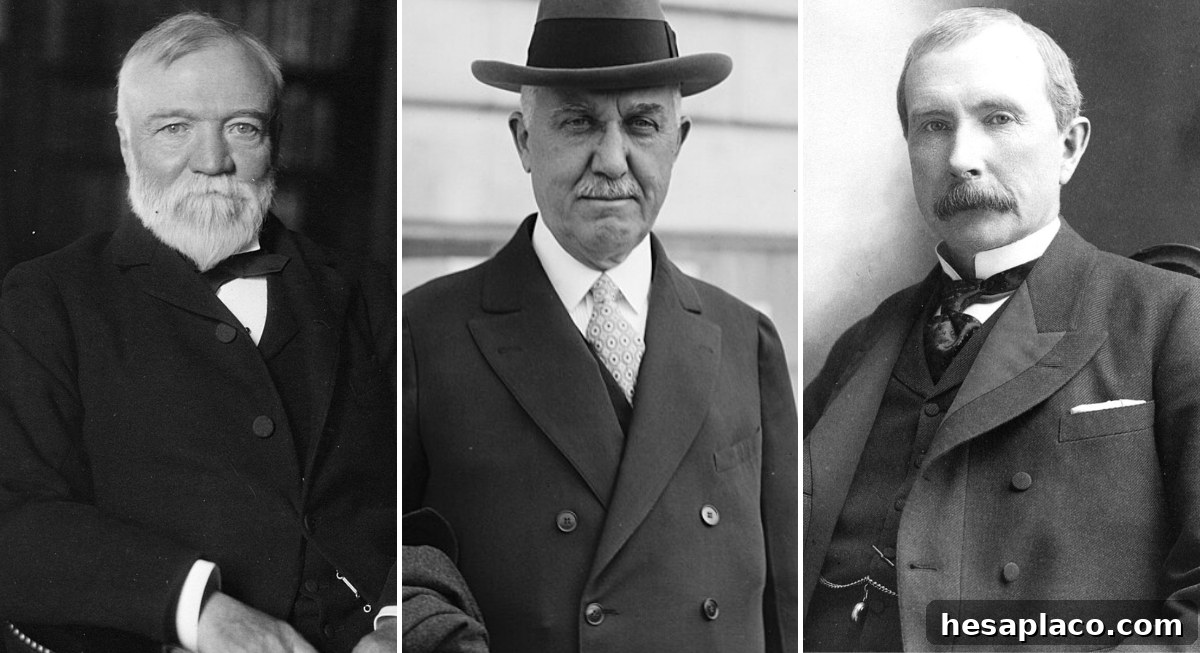
Elon Musk is currently the world’s richest person, with a fortune measured in the hundreds of billions. But long before tech stocks and electric vehicles dominated headlines, a small number of Americans controlled whole swaths of the economy. When measured against national output rather than stock valuations, those historical fortunes often had even greater relative impact. Comparing past wealth to modern billionaires helps put today’s fortunes in perspective and highlights just how concentrated and influential earlier fortunes could be.
John D. Rockefeller
Credit: Wikimedia Commons
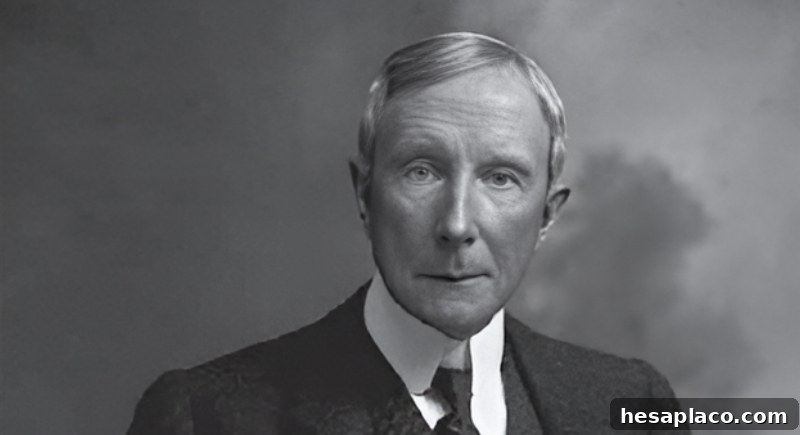
John D. Rockefeller built Standard Oil into a near-monopoly, at one point controlling almost 90% of U.S. oil refining. That dominance gave him outsized influence over energy prices, transportation costs and the broader trajectory of industrial growth. At his peak, Rockefeller’s wealth was roughly 1.5% of U.S. GDP, an extraordinary share for a single individual. He also became one of America’s most notable philanthropists, donating roughly $450 million to education, public health and scientific research.
Andrew Carnegie
Credit: Wikimedia Commons
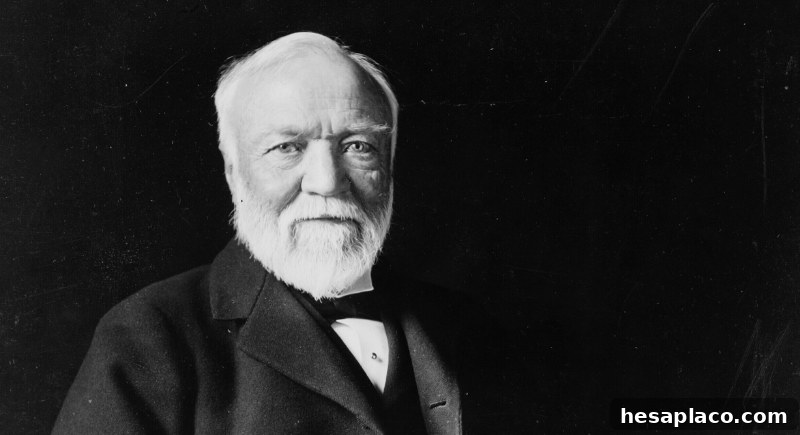
Andrew Carnegie dominated the steel industry at a time when steel was essential to building railroads, bridges and urban infrastructure. His sale of Carnegie Steel to J.P. Morgan helped form U.S. Steel, the nation’s first billion-dollar corporation. Carnegie is also famous for his commitment to giving: he distributed nearly 90% of his wealth during his lifetime, an amount that would equal roughly $6 billion today, funding libraries, education and cultural institutions.
Alexander Turney Stewart
Credit: Wikimedia Commons
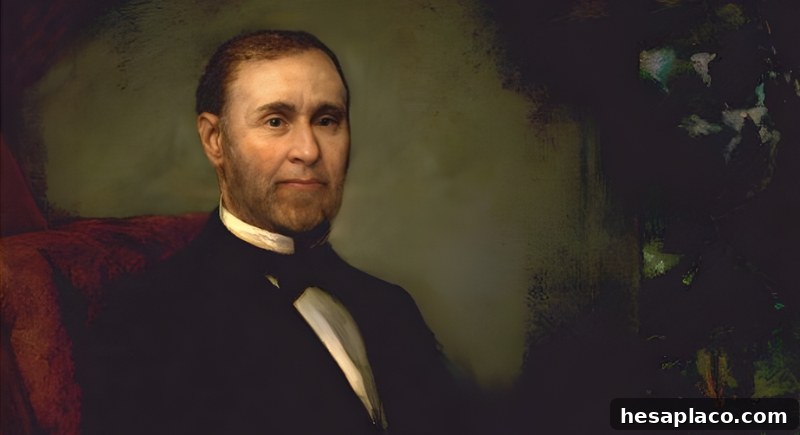
Alexander Turney Stewart revolutionized retail in the United States by creating the department store model. His innovations—fixed prices, attractive store layouts and seasonal sales—changed how Americans shopped. Stewart’s retail empire left behind significant wealth, worth more than $1 billion in today’s dollars, and he ensured that longtime employees received generous legacies.
John Jacob Astor
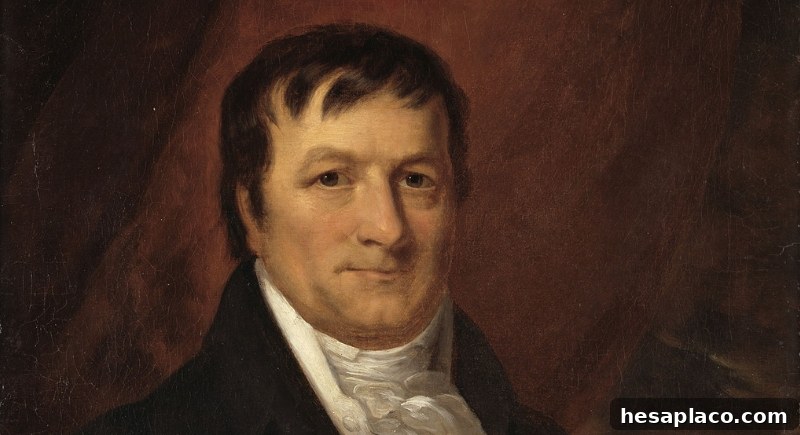
Credit: Wikimedia Commons
John Jacob Astor made his start in the fur trade, but it was shrewd land purchases in Manhattan that established his lasting fortune. He bought large tracts when New York was still a spread of farms and watched values rise as the city expanded northward. Modern estimates place his estate in the hundreds of billions when adjusted for today’s dollars, underscoring how lucrative early urban real estate could be.
Stephen Girard
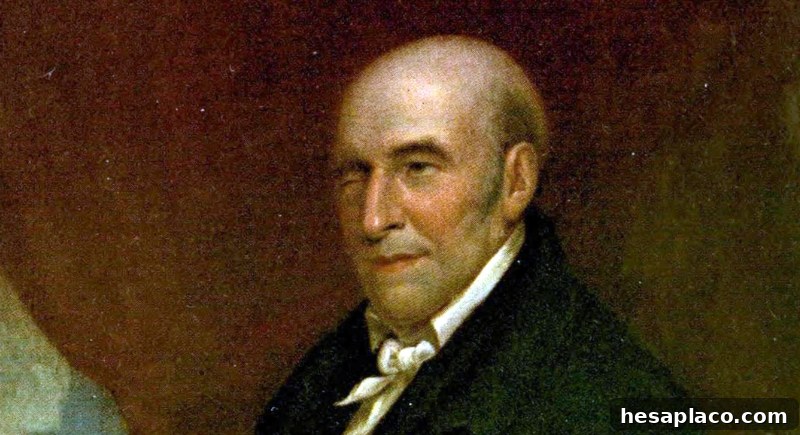
Credit: Wikimedia Commons
Banking and private credit were vital during national crises, and Stephen Girard played a key role during the War of 1812. After acquiring the assets of the First Bank of the United States, Girard extended crucial loans to the federal government when others would not, helping the Treasury meet its obligations. He later dedicated most of his estate to charitable causes; modern estimates value his legacy at around $255 million adjusted to current dollars.
Cornelius Vanderbilt
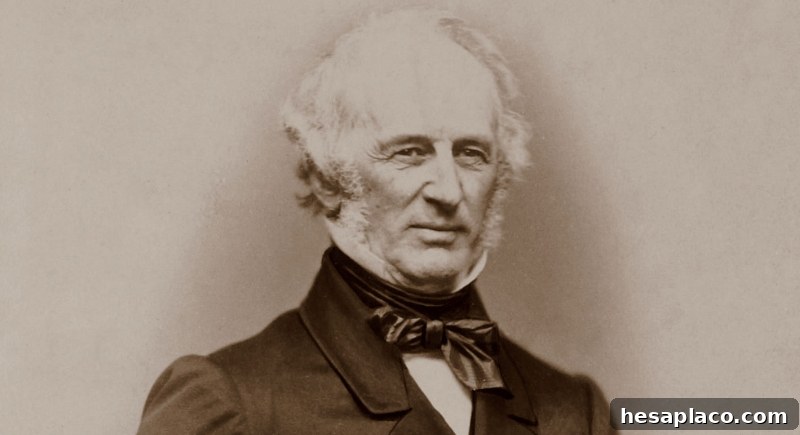
Credit: Wikimedia Commons
Cornelius Vanderbilt built his fortune first on shipping and then on railroads. Beginning with a single ferryboat, he expanded aggressively—often undercutting competitors until they failed—and applied the same tactics to railroad consolidation across New York and the Northeast. Vanderbilt’s control over critical transportation networks helped accelerate commerce and industrial expansion.
Richard B. Mellon
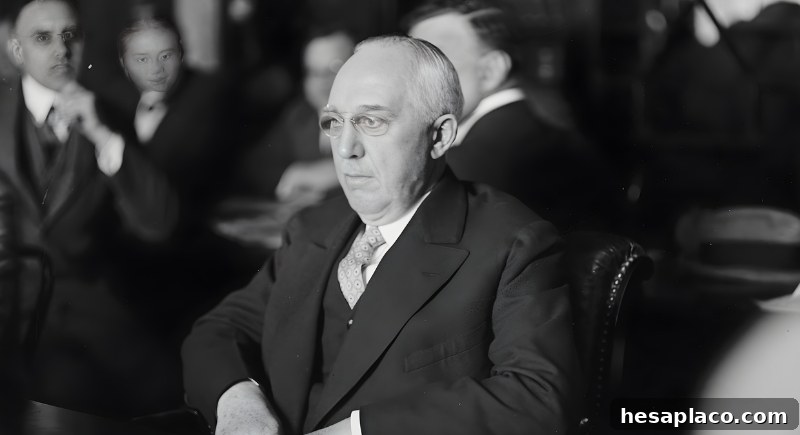
Credit: Wikimedia Commons
Born into a prominent banking family, Richard B. Mellon expanded the family’s interests across finance, heavy industry and infrastructure projects, helping transform Pittsburgh into an industrial powerhouse. The Mellons also supported education and scientific research. Estimates of Richard B. Mellon’s personal fortune exceed $120 billion in 2025 dollars, though intertwined family assets make precise totals difficult to determine.
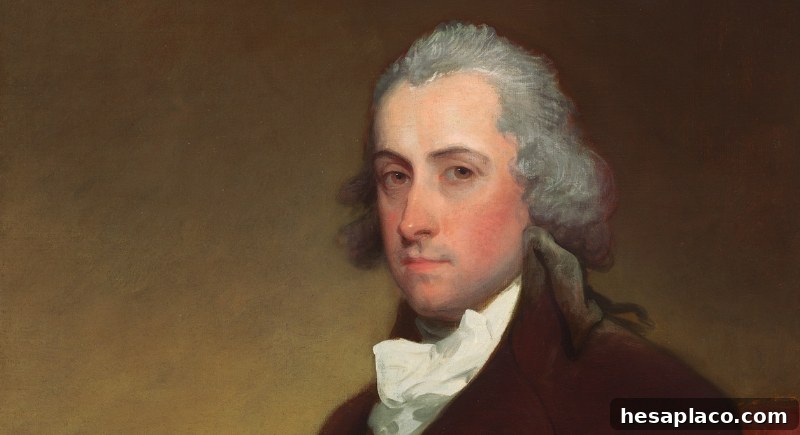
Stephen Van Rensselaer III
Credit: Wikimedia Commons
In early America, land ownership equaled power. Stephen Van Rensselaer III controlled enormous tracts in upstate New York through the Rensselaerswyck manor, where nearly 3,000 tenants lived under long-term leases. His estate, adjusted for inflation, was valued at roughly $133 million, and conflicts over rents and lease terms contributed to the Anti-Rent War that challenged feudal-style land practices.
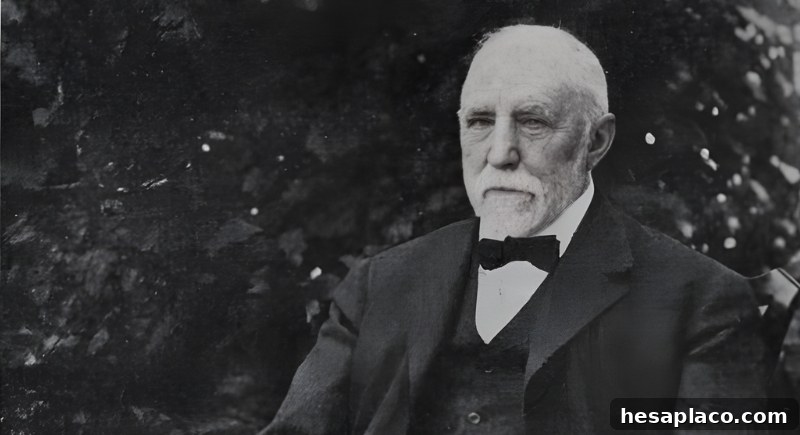
Frederick Weyerhaeuser
Credit: Wikimedia Commons
Timber was essential to American expansion, and Frederick Weyerhaeuser controlled vast forest holdings in the Pacific Northwest. He amassed nearly one million acres of timberland and integrated operations from harvesting to milling and sales. His fortune, projected in today’s dollars, exceeds $85 billion, and the company he helped create remains a leading global timber supplier.
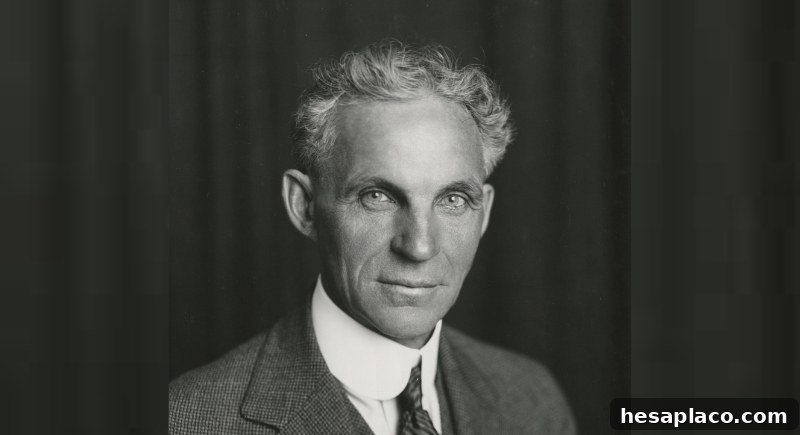
Henry Ford
Credit: Wikimedia Commons
Henry Ford transformed manufacturing with the moving assembly line, dramatically reducing production time and cost. By making the Model T affordable for broad swaths of the population, Ford helped create mass automobile ownership and reshape American society. At his height, Ford’s wealth is estimated to be nearly $200 billion in today’s terms—a reflection of industrial scale and operational efficiency rather than speculative market gains.