
In the 1980s, a single dollar had noticeably more purchasing power than it does today. Everyday costs for food, transportation, and small conveniences were low enough that routine purchases fit easily into daily life. Below are examples, drawn from documented prices of the era, that illustrate what one dollar could buy and how it shaped ordinary habits.
A Bus Ride Across Town

Credit: Canva
Public transit fares in many U.S. cities stayed under one dollar during the early and mid-1980s. For example, a typical city bus fare could be around $0.90, with discounted transfers available. That made spontaneous travel accessible for students, workers, and seniors, who could move across neighborhoods without buying expensive passes or planning ahead.
A Dozen Eggs
Credit: Canva
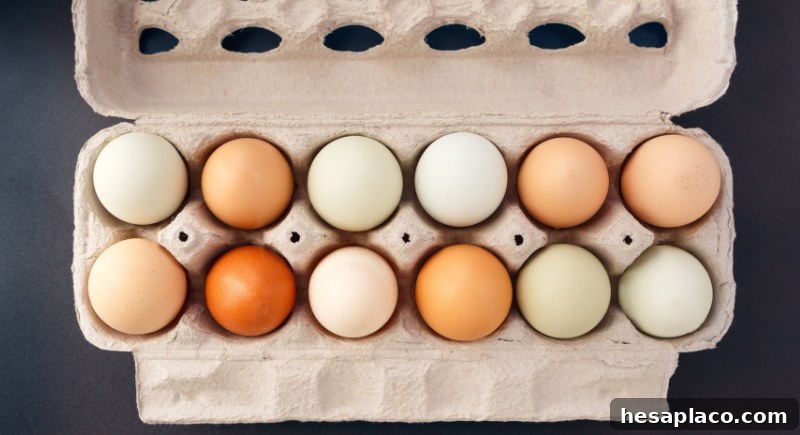
In the early 1980s, a dozen eggs typically cost roughly $0.70 to $0.90 in many U.S. grocery stores. Because eggs were inexpensive and stable in price, households relied on them as everyday staples for breakfasts, baking, and cooking, without the need to compare brands or hunt for deals.
A First-Class Postage Stamp
Credit: Reddit
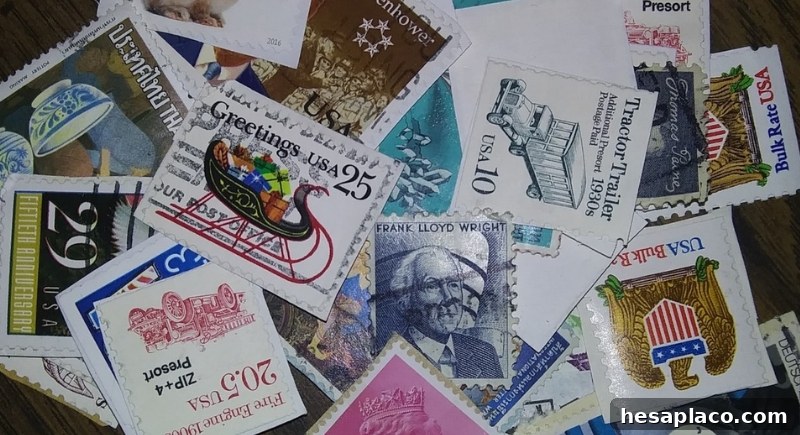
In 1985, a U.S. first-class postage stamp cost about $0.20 and later rose to $0.22. Mailing letters, bills, and greeting cards felt like a minimal expense, and buying stamps in sheets was common because a single dollar would cover multiple envelopes.
A Loaf of White Bread
Credit Aflo Images
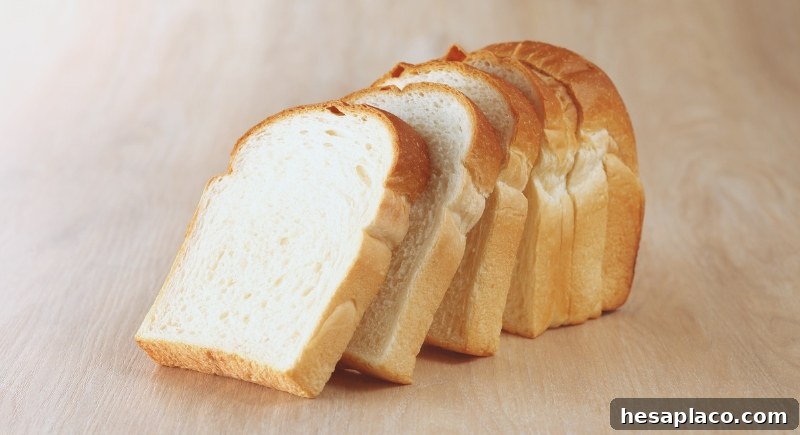
In 1981, a standard loaf of white sliced bread could cost about $0.50 in many parts of the country. Bread was bought routinely in multiples for sandwiches and everyday meals, regarded as an essential household item rather than a special purchase.
A Candy Bar
Credit: Getty Images
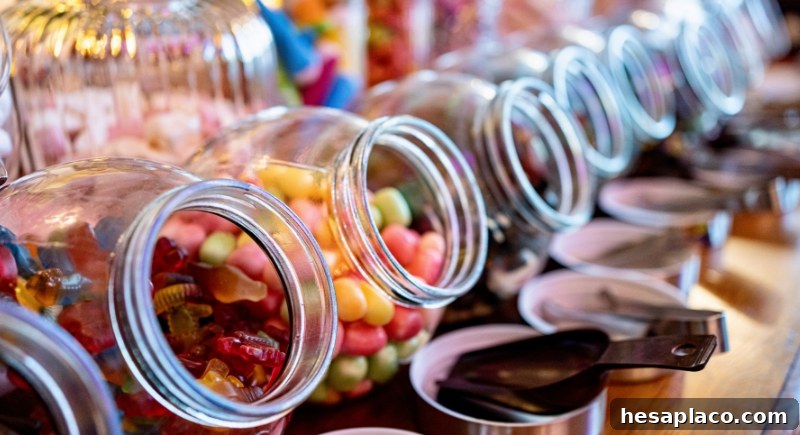
With a dollar in hand, kids could usually buy multiple pieces of candy or several small chocolate bars. Candy counters and convenience-store displays were geared toward loose change, and variety often mattered more than brand loyalty. A dollar could cover several small treats instead of a single premium item.
A Bottle of Soda
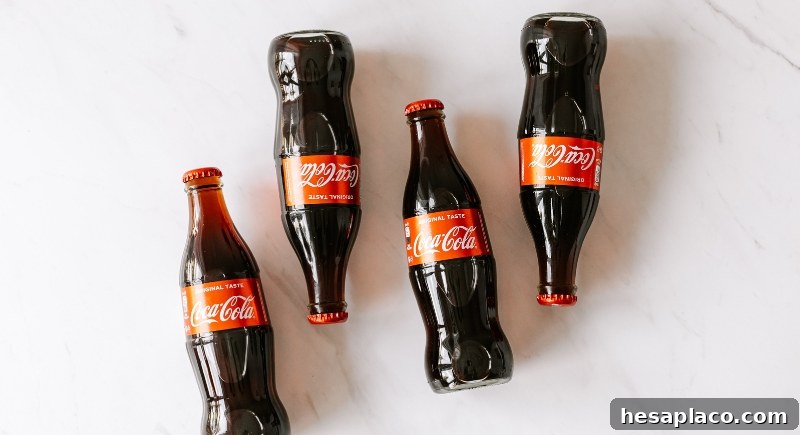
Credit: pexels
Buying a soda in the 1980s often meant choosing a glass bottle from a cooler or a vending machine and paying with coins. Prices typically ranged from $0.50 to $0.75. There were no tiered sizes or app-based discounts—just a simple, fixed price and a quick transaction.
Comic Books by the Stack
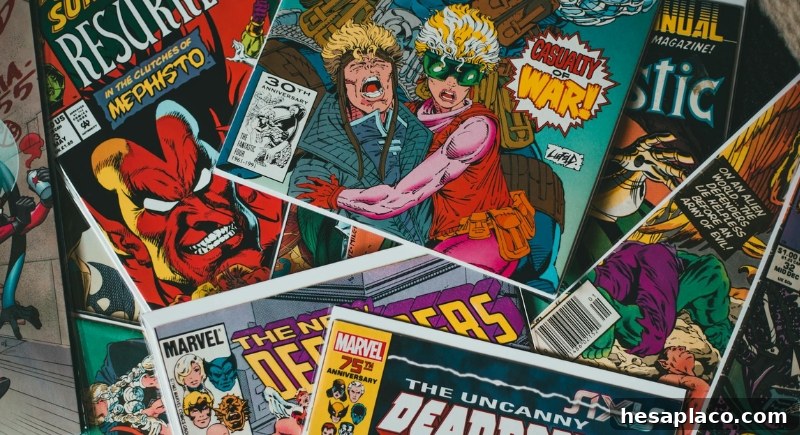
Credit: pexels
Comic books were everyday reading rather than collectible items at many newsstands and grocery stores. New issues arrived weekly, and kids often bought more than one at a time because a dollar could stretch across several titles. The low price encouraged impulse purchases and regular reading habits.
A Simple Tube of Lipstick
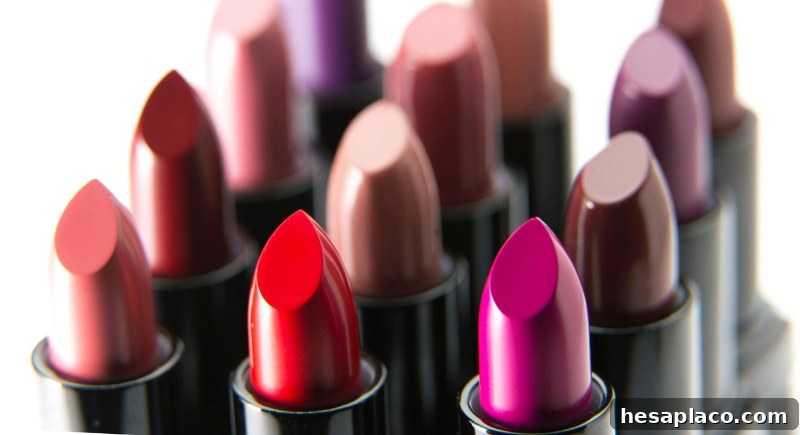
Credit: pexels
Drugstore lipstick cost enough to be an everyday cosmetic rather than a luxury splurge. Stores carried a modest range of shades, and shoppers often replaced used tubes without hesitation. Makeup purchases tended to be routine and practical.
Pantyhose for Daily Wear

Credit: Getty Images
Pantyhose were a common wardrobe necessity in the 1980s, especially for formal occasions, church, and office wear. They were relatively inexpensive and prone to runs, so replacing them was part of routine shopping. Stores stocked them alongside other everyday essentials, making them an ordinary purchase.
A Gallon of Gas for the Car
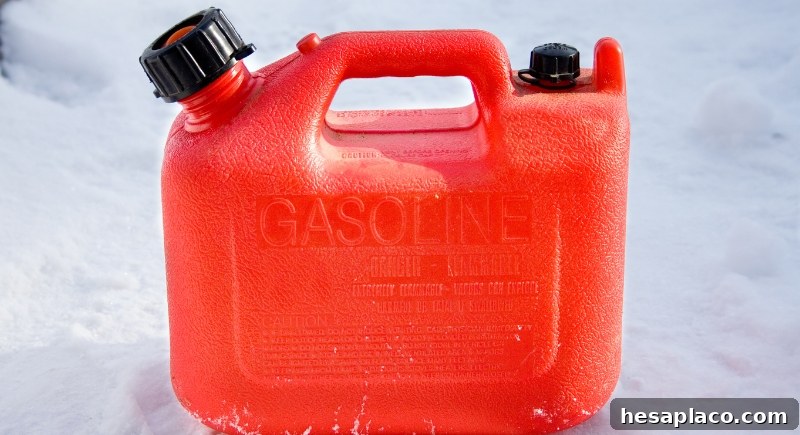
Credit: Getty Images
In the early 1980s, U.S. gas prices commonly ranged from about $0.90 to $1.10 per gallon, varying by region and station. Drivers frequently bought a single gallon for short errands, and many stations still allowed pumping first and paying after. Compared to other decades, these prices felt reasonable to motorists navigating a post–1970s energy landscape.
Overall, a dollar in the 1980s covered a wide range of everyday items and small pleasures. Whether for transportation, groceries, or a quick treat, modest costs shaped routines and made spontaneous purchases easier—reflecting a time when small sums could still go a long way.