Wealth in the United States remains highly concentrated, and in 2025 that divide is especially visible at the city level. A relatively small set of metropolitan areas continues to draw capital, talent, and investment while many others face rising costs and slower growth. Strong local industries, high-value real estate markets, and policies that favor business all contribute to these disparities. Together, these factors explain why certain cities remain the country’s leading centers of private wealth this year.
New York City, New York
Credit: Getty Images
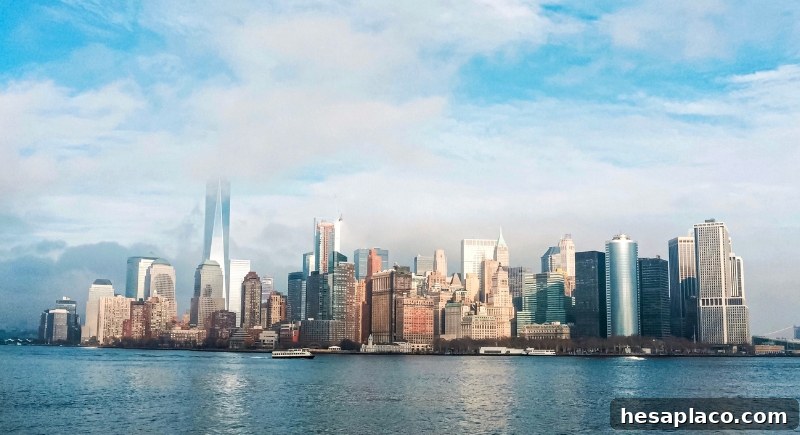
No city matches New York’s concentration of wealth. Finance still anchors the local economy, but high-end real estate now signals power on par with Wall Street. Tribeca condominiums and the towers of Billionaires’ Row show how wealth reshapes both neighborhoods and skylines. With about 384,500 millionaires, New York remains the nation’s most money-dense city, and current trends show little sign of that lead shrinking.
San Francisco Bay Area, California
Credit: Getty Images
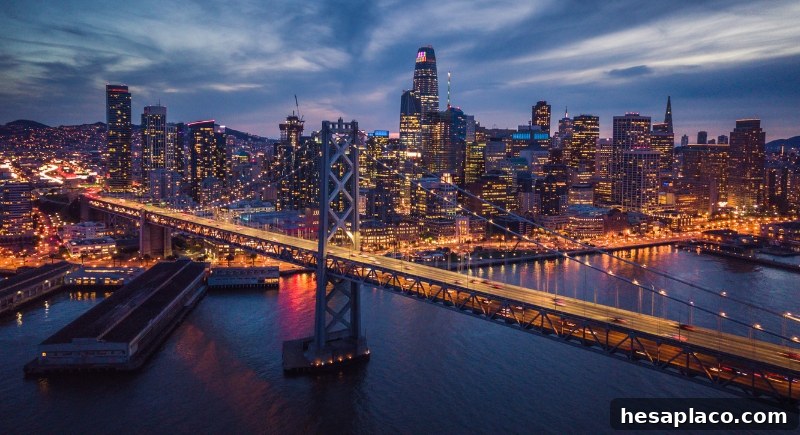
The Bay Area’s roughly 342,400 millionaires reflect decades of technology-driven growth. Software platforms, data businesses, and venture-backed companies have supplanted older wealth engines. Towns like Atherton command home prices that rival corporate budgets, shaped by the sustained influence of companies such as Apple, Google, and Meta. Innovation remains the region’s defining trait, and wealth tends to follow it quickly.
Los Angeles, California
Credit: Getty Images
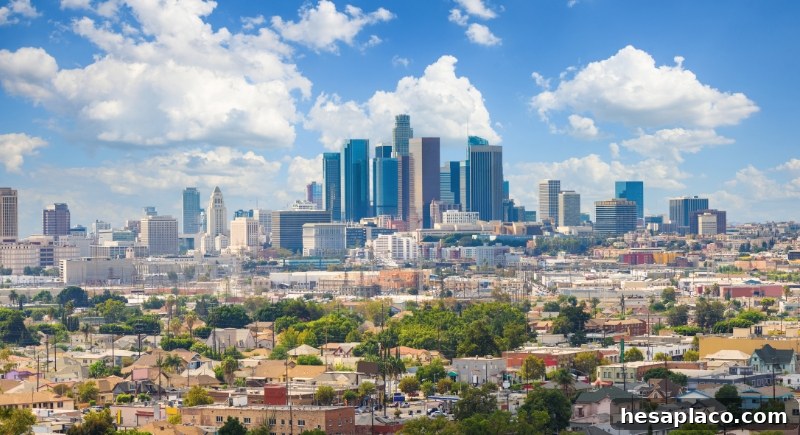
Los Angeles no longer relies on entertainment alone to explain its wealth. Real estate, technology, and international capital have become major drivers of the city’s fortunes. Areas like Malibu and Beverly Hills make that shift obvious. Overall, LA is home to about 220,600 millionaires spread across industries that extend well beyond Hollywood.
Chicago, Illinois
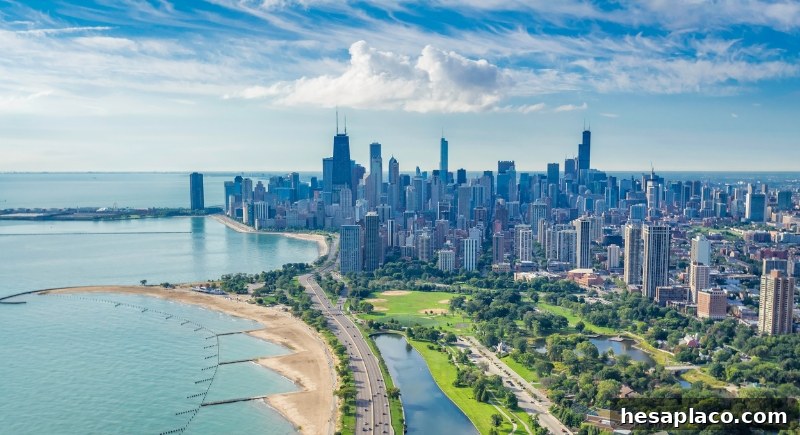
Credit: Getty Images
Chicago’s roughly 127,100 millionaires serve as the Midwest’s foremost concentration of wealth. Finance, logistics, and corporate headquarters sustain high incomes, while long-established neighborhoods such as the Gold Coast preserve traces of older money. Along Michigan Avenue, new high-rises layer contemporary development onto a city that balances tradition with scale.
Houston, Texas
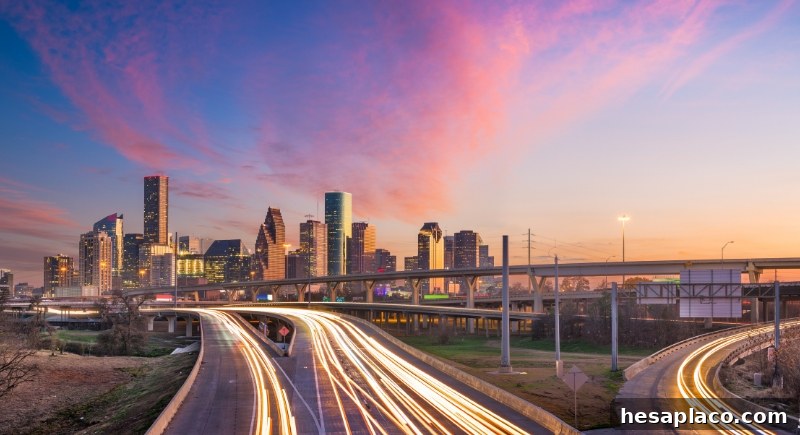
Credit: Getty Images
Houston’s wealth story began with the oil industry but has diversified significantly. With about 81,800 millionaires, the city now draws strength from healthcare, aerospace, technology, and energy innovation. Large estates in neighborhoods like River Oaks show a distinct relationship to space compared with coastal cities, and Texas’s lack of state income tax remains a meaningful attraction for high earners.
Dallas, Texas
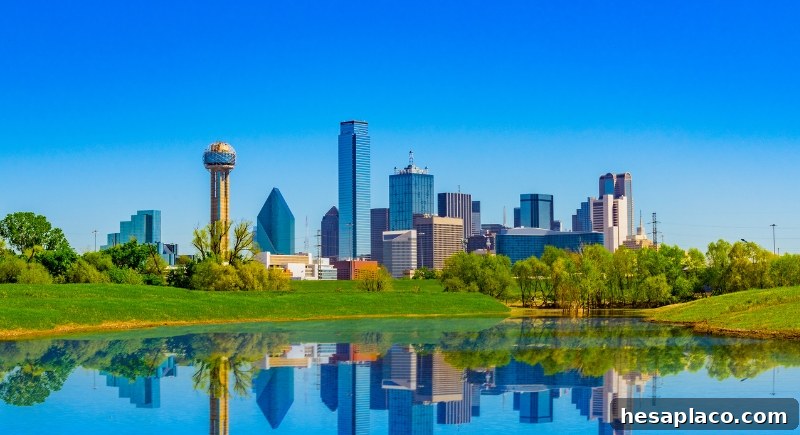
Credit: Getty Images
Dallas is defined more by rapid growth than by legacy wealth. The city continues to attract corporate relocations, real estate investment, and expanding tech firms. Highland Park remains a visible symbol of local prosperity. This growth has coincided with a rising population of approximately 72,400 millionaires, closely tied to the area’s business-friendly reputation.
Seattle, Washington
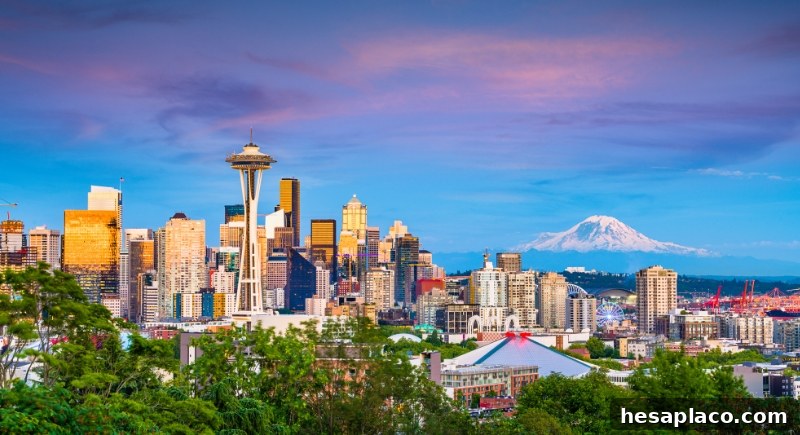
Credit: Getty Images
Seattle’s economy is powered by infrastructure many people never see: cloud computing, advanced logistics, and aerospace manufacturing create substantial private wealth. Neighborhoods such as Medina and Queen Anne showcase homes with prices that can reach eight figures. The city supports about 53,100 millionaires and holds an estimated $800 billion in private wealth.
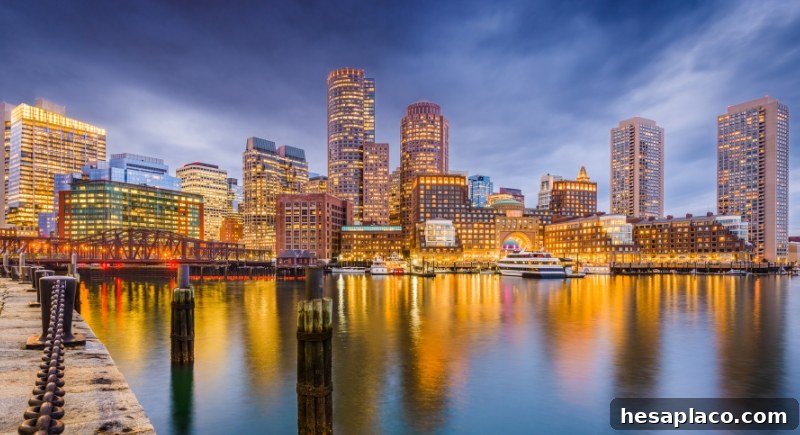
Boston, Massachusetts
Credit: Getty Images
Boston combines research, higher education, and finance into a stable wealth engine. Its roughly 45,000 millionaires often have ties to institutions like Harvard and MIT, as well as to biotech firms and investment houses. Historic streets in Beacon Hill sit beside modern glass towers, reflecting how established institutions and new capital coexist.
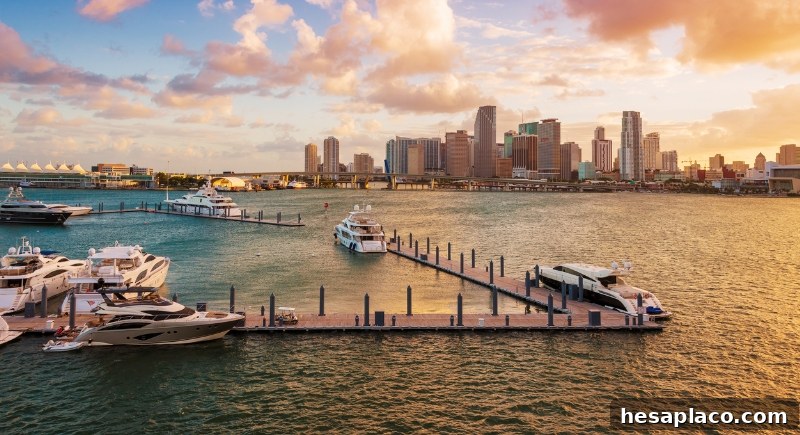
Miami, Florida
Credit: Getty Images
Miami is increasingly a magnet for high-net-worth individuals, with roughly 38,800 millionaires choosing the area. Luxurious neighborhoods in Coral Gables and exclusive islands like Fisher Island, combined with favorable tax policies, make Miami attractive for those seeking both lifestyle and financial benefits. Oceanfront estates have pushed listing prices into the multi-million-dollar range, reinforcing the city’s appeal.
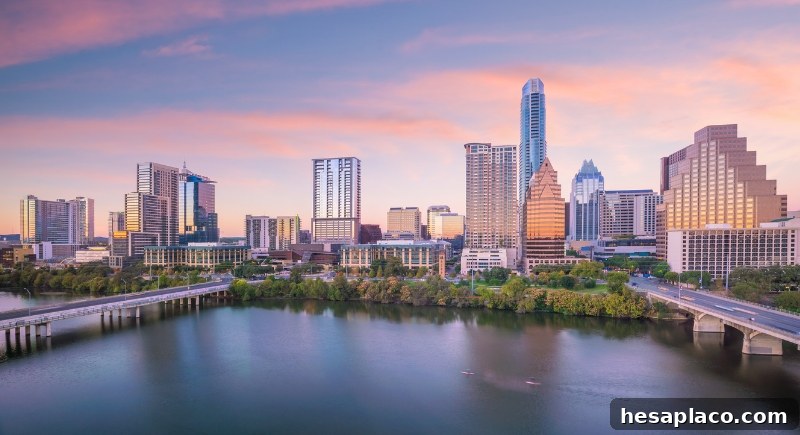
Austin, Texas
Credit: f11photo
Austin’s transformation has been swift. Once known mainly for its cultural scene and universities, the city has become a tech-driven growth center. Luxury housing has expanded alongside startups and an influx of investment capital. That shift has helped the city reach about 32,000 millionaires, illustrating how quickly wealth can follow new industry clusters.
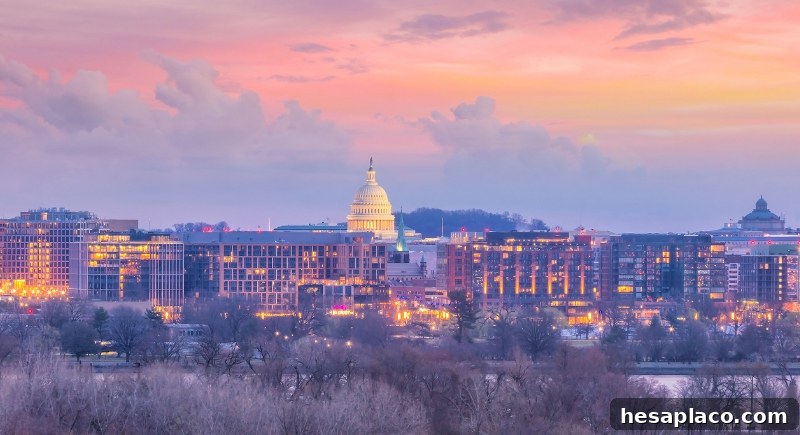
Washington D.C.
Credit: Getty Images
Wealth in Washington, D.C. stems largely from proximity to institutions rather than from direct production. Government contracting, law, consulting, and lobbying drive many high-income careers. Neighborhoods like Georgetown and Kalorama show concentrations of influence and wealth. The city supports around 28,900 millionaires, many of whom are connected to policy and power sectors.
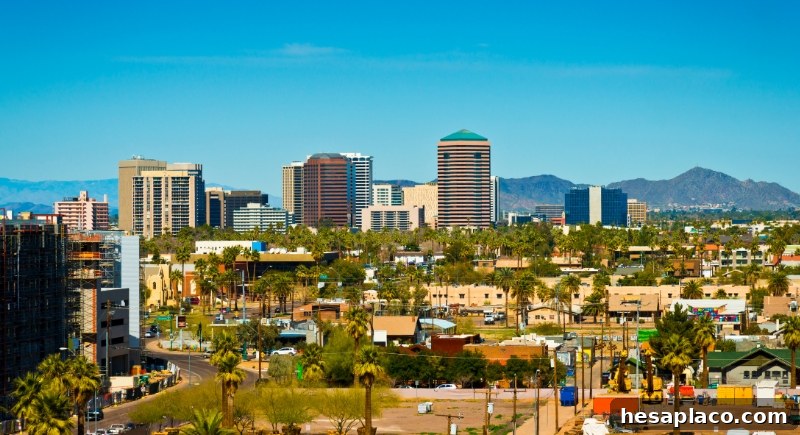
Scottsdale, Arizona
Credit: Getty Images
Scottsdale has emerged as a popular destination for affluent residents seeking resort-style living. Golf communities, luxury resorts, and favorable tax conditions have steadily attracted wealthy retirees and second-home buyers. The metro area has reported a substantial increase in millionaire residents, notably around Paradise Valley.
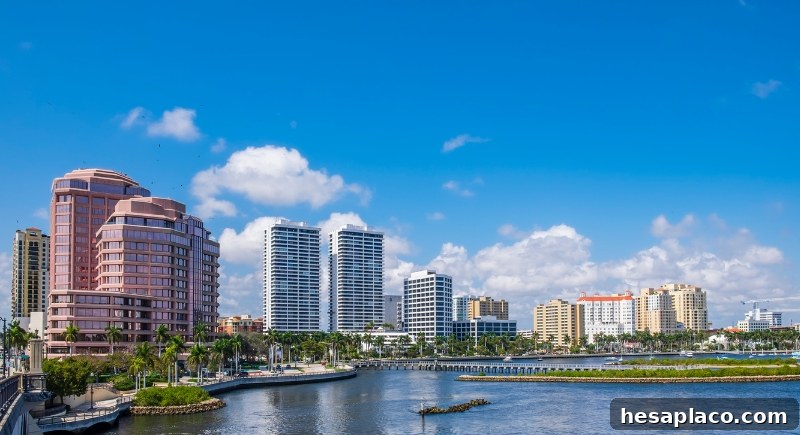
West Palm Beach, Florida
Credit: Getty Images
West Palm Beach has seen notable growth in private wealth over the past decade, with a marked increase in millionaire residents drawn to coastal living. Its proximity to Palm Beach and the region’s high-end real estate market—where mansions frequently sell for tens of millions—has added to the area’s prestige.
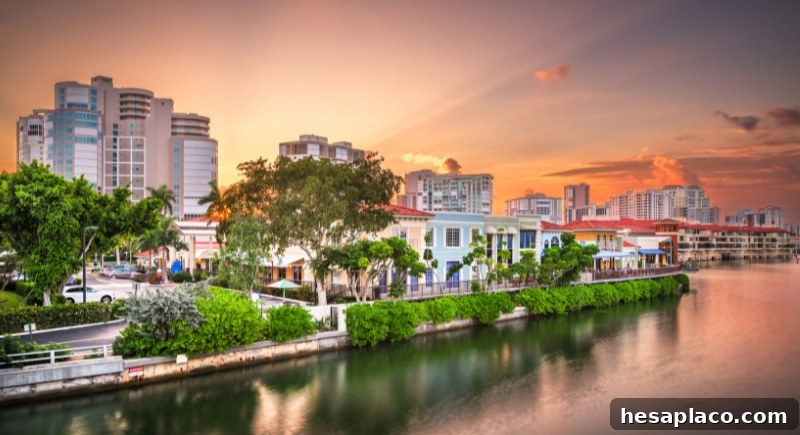
Naples, Florida
Credit: Getty Images
Naples is renowned for its concentration of luxury second homes favored by ultra-high-net-worth individuals. A large share of the city’s luxury properties serve as secondary residences, making it a preferred retreat for those seeking quiet, upscale coastal living. Expansive estates and serene waterfront properties define the local luxury market.
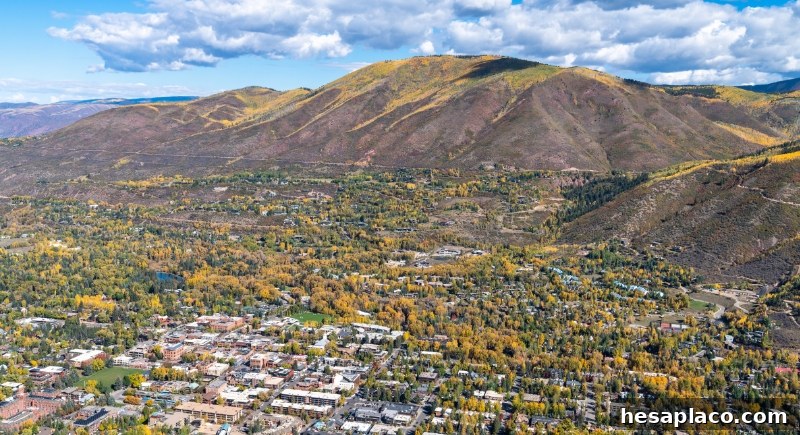
Aspen, Colorado
Credit: Getty Images
Aspen’s small size belies its remarkable concentration of wealth. Luxury buyers—CEOs, celebrities, and ultra-high-net-worth individuals—often purchase second homes there. With one ultra-high-net-worth person for roughly every 77 residents, Aspen ranks among the nation’s most densely wealthy communities despite its limited population.