
The minimum wage reveals how societies value work, fairness and the cost of living. Some countries apply a single national rate for everyone, while others adjust pay according to age, experience, region or sector. A higher minimum wage can support better living standards, but it also reflects broader economic priorities, labor influence and political choices. Below is a clear look at countries and regions where legally mandated minimum pay ranks among the highest worldwide.
Luxembourg

Credit: Getty Images
Luxembourg uses a tiered minimum wage system keyed to skill and experience rather than a single flat rate. Experienced workers receive around $3,214 per month, while unskilled workers earn about $2,679. Younger workers are paid at lower rates, but those amounts still exceed the legal minima of most countries. Wages are routinely indexed and adjusted through national and sectoral mechanisms to reflect economic conditions.
Geneva
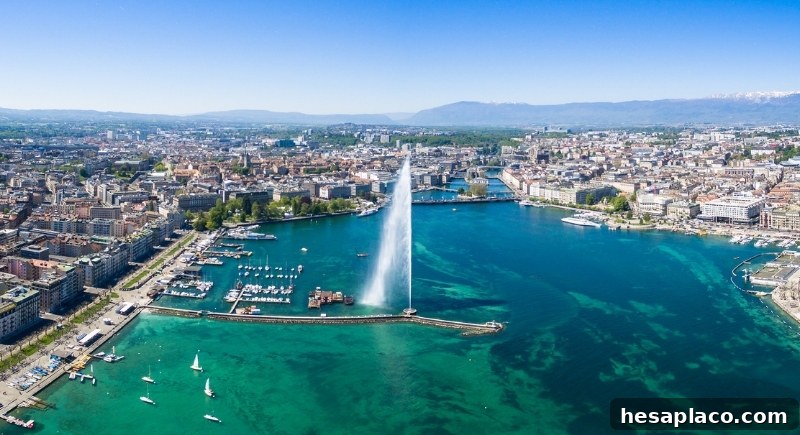
Credit: Canva
Switzerland does not set a nationwide minimum wage, but Geneva stands out with its own minimum of at least $27.57 per hour, which translates to roughly $4,774 a month for full-time work. Other Swiss cantons may rely on collective agreements or lower standards, so Geneva’s wage policy makes it notable both within Switzerland and internationally.
Australia
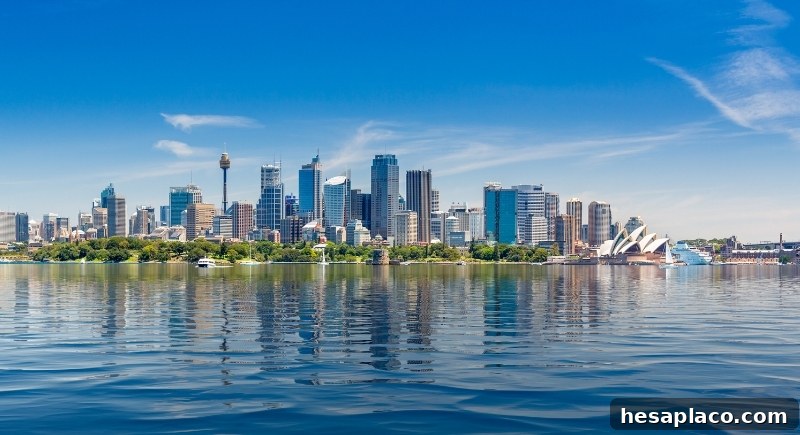
Credit: Getty Images
Australia’s national minimum wage is set at $15.57 per hour, placing it among the higher global rates. For a full-time adult worker, that equals about $2,562 per month. Some industries and apprenticeship programs have alternative rates, but the national floor is an important labor benchmark that the Fair Work Commission reviews annually.
Netherlands
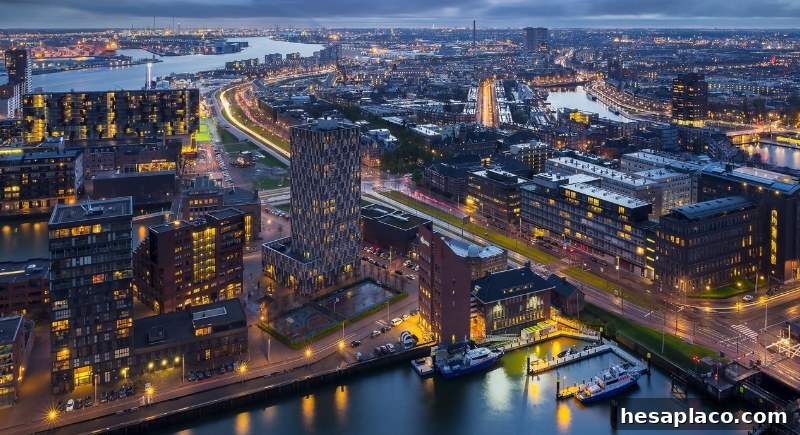
Credit: Getty Images
The Netherlands applies an age-based structure to minimum pay. For workers aged 21 and older, the hourly rate is about $14.83. Younger workers receive progressively lower percentages of that amount, with pay rates decreasing by year down to much lower levels for 15-year-olds. Employers also determine working hours, so actual earnings for younger employees can vary even with the same hourly rate.
Ireland
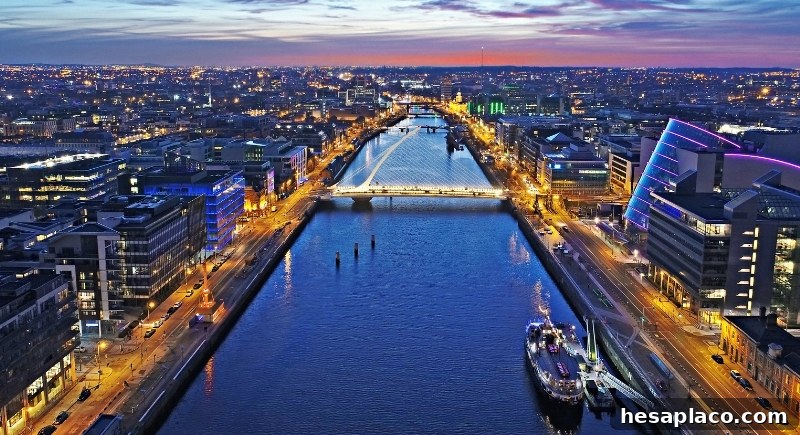
Credit: Getty Images
Ireland sets a full adult minimum wage of about $14.22 per hour, which amounts to around $2,402 per month. Younger workers are paid a percentage of the adult rate—typically 90% or 70% depending on age—creating a gradual progression toward the full adult wage rather than abrupt increases.
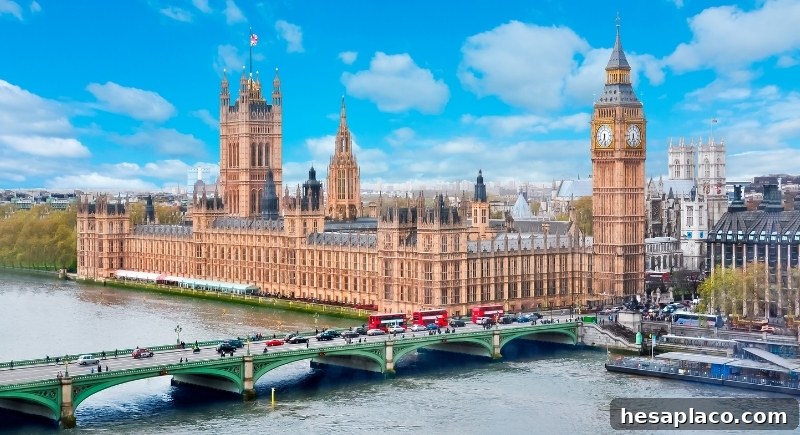
U.K.
Credit: Getty Images
The United Kingdom distinguishes between the National Minimum Wage and the Living Wage. Adults over 21 now receive the higher adult rate, about $15.40 per hour. Apprentices, younger workers and specific categories fall under lower scales starting near $9.53. Rates are reviewed annually, typically adjusted each April to reflect living costs and labor market conditions.
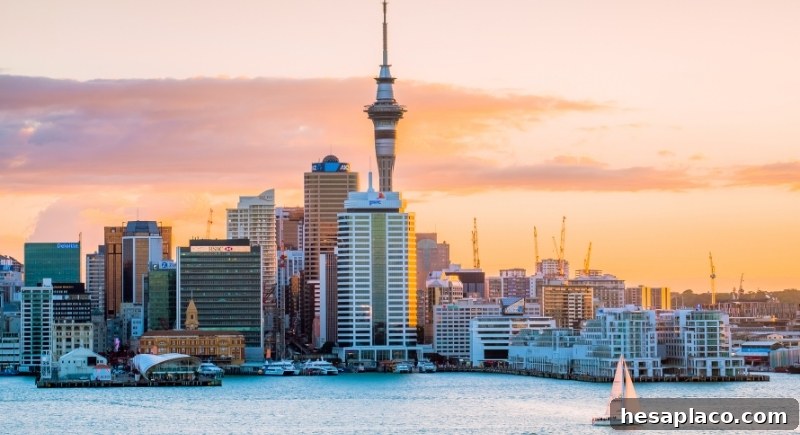
New Zealand
Credit: Getty Images
New Zealand keeps a straightforward approach: anyone 16 or older is eligible for the full minimum wage, currently about $13.67 per hour. Workers under 18 must complete six months of employment with a particular employer to qualify for the full rate. There is also a “starting-out” rate—roughly $10.94 per hour—for those in their first six months of work, which helps younger employees progress quickly to the full wage.
Germany
Credit: Getty Images
Germany’s statutory minimum wage is about $12.93 per hour, equal to roughly $2,172 per month for full-time employment. However, many sectors are governed by collective bargaining agreements that set wages above the statutory floor. As a result, a significant share of workers earn more than the legal minimum in practice.
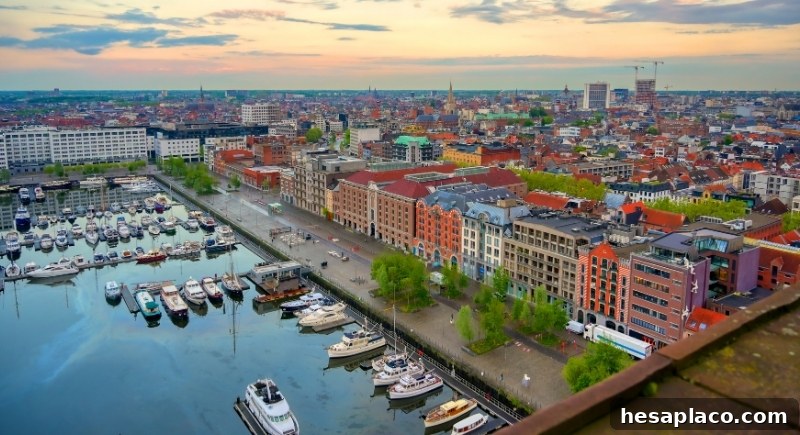
Belgium
Credit: Getty Images
Belgium’s legal minimum is around $2,181 per month, but that baseline functions mainly as a safety net. Strong sectoral negotiations between unions and employers often produce binding agreements with higher pay in many industries, including construction, transportation and manufacturing. Consequently, the statutory minimum is frequently exceeded in everyday practice.
South Korea

Credit: Getty Images
South Korea’s monthly minimum wage is about $1,570, placing it among the higher minimums in Asia. The rate is reviewed annually with input from labor unions and employer groups. Compliance tends to be strong in formal sectors, though smaller firms and precarious contract roles sometimes face criticism for underpaying or misclassifying workers.
Minimum wage levels are more than numbers: they reflect social priorities, labor institutions and the balance policymakers strike between supporting living standards and maintaining economic competitiveness. These countries illustrate different approaches—national floors, local initiatives, age-based scales and sectoral bargaining—all aiming to secure a baseline of pay for workers while accounting for local conditions.