
In a world where stretching every dollar matters, Reddit users have shared practical, tested ways to save money. These tips span budgeting, smart shopping, and everyday habits that reduce waste and boost savings. Below is a condensed, SEO-friendly guide that keeps the original structure and images while improving clarity, removing repetition, and presenting the advice in fluent English.
A Real Steal at Costco

antorti / Getty Images
Food costs have risen sharply, but shopping at warehouse stores like Costco can still deliver major savings. A whole rotisserie chicken at Costco has famously been priced at $4.99 since 2009, making it an economical protein option. One Redditor explained that pairing a Costco rotisserie chicken with rice and mixed vegetables creates a $2–$3 meal and can provide four to six portions. Leftovers can be used for sandwiches or frozen for later, reducing food waste and cutting lunch costs.
Another practical routine is batch cooking: prepare large portions of chili, lentil soups, muffins, and other meals, then freeze them. This reduces the temptation to buy lunch, saves money, and often yields healthier meals than eating out.
Learn to Get Thrifty

Daisy-Daisy / Getty Images/iStockphoto
Buying used items can dramatically lower living costs. Clothing, appliances, and household items are often available at thrift stores, garage sales, estate sales, and online marketplaces like eBay, OfferUp, and Facebook Marketplace. One commenter recommended avoiding new purchases when possible, noting many used items only need cleaning or minor repairs. They shared a recent find: a used gas snow blower for $60 versus a new unit that sells for $350.
Save on Gas via Your Driving Habits
fluxfoto / Getty Images
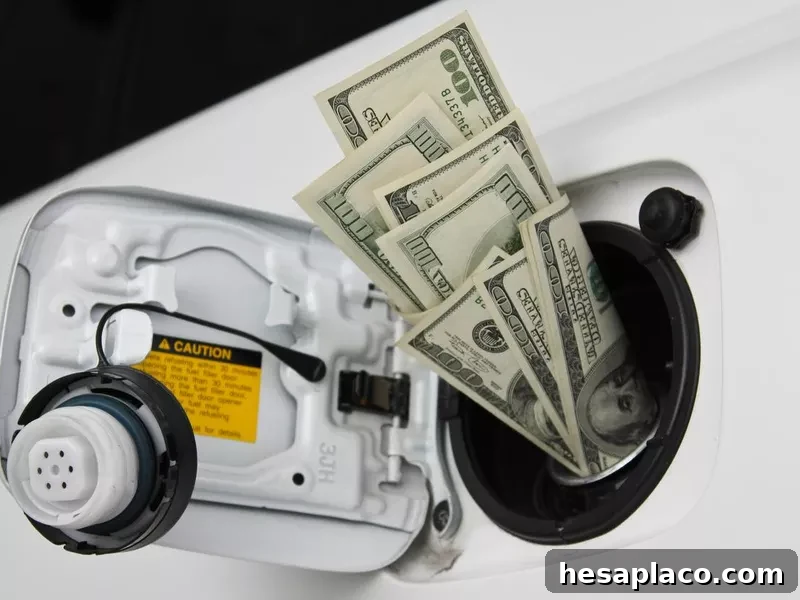
Fuel economy depends heavily on driving style and vehicle maintenance. Drive at or near the speed limit and avoid aggressive accelerating and hard braking. Anticipate stops and coast in when possible. For manual transmissions, shift to higher gears earlier to save fuel. Additionally, keeping tires inflated to the correct pressure improves fuel efficiency—underinflated tires increase rolling resistance and burn more gas.
Save Just a Little

THAWEEKIET SRIRING / Getty Images
Small savings add up. Start by reviewing your income and every expense, separating fixed from adjustable costs. Be honest about wants versus needs and trim discretionary spending. If you can save anything, automate the process: set up an automatic transfer from your paycheck into a separate savings account (preferably at a different bank) so the money is out of sight and harder to spend impulsively.
Weekends on a Budget

vorDa / Getty Images
You don’t need to overspend to enjoy your weekends. One practical change is reducing nights out—from going out both Friday and Saturday to choosing only one night. Swapping expensive dinners for budget-friendly meals, like making spaghetti once a week and enjoying leftovers the next day, can cut food costs. Comparing fast-food and casual-dining prices before ordering also helps curb impulse spending.
Black Friday All Year Long

Bim / Getty Images
Major sales events like Black Friday and Cyber Monday are ideal times to stock up on nonperishable necessities and items you rarely change. One shopper writes dates on toiletries, skincare, and cosmetics, maintains a restock list on their phone, and buys a year’s supply on sale. They apply the same approach to household linens and basics like socks and underwear, ensuring their linen closet acts as a small, well-timed inventory to avoid off-season or full-price purchases.
BYOW (Bring Your Own Water)

Liudmila Chernetska / Getty Images
Bottled water is costly and environmentally harmful. Carry a reusable water bottle and keep extras in your car so you never need to buy bottled water at airports, theme parks, gyms, or convenience stores. Over time, avoiding single-use bottles saves real money and reduces plastic waste. If you forget your bottle, resist buying bottled water until you can refill—doing this a few times builds a lasting habit.
Learn to DIY

Paolo Cordoni / Getty Images
Many household repairs and maintenance tasks can be done yourself with the help of online tutorials. YouTube and repair forums can guide beginners through common fixes, saving the labor costs of professional service calls. Examples shared by DIYers include replacing a washing machine lid switch for under $10, swapping a refrigerator thermistor for less than $20, and repairing a backflow preventer using affordable replacement parts.
Do Your Research

Delmaine Donson / Getty Images
Research pays off, especially for big purchases like cars and appliances. One buyer saved more than $13,000 on a vehicle by investing months in market research and waiting for an exceptional deal. Before major purchases, compare prices, read reviews, and reassess whether your initial excitement justifies the expense. If a purchase doesn’t elicit a strong “yes,” walk away—patience and information often yield much better deals.
Reap the Rewards

B4LLS / Getty Images/iStockphoto
Take advantage of loyalty and rewards programs that grocery stores and retailers offer, but avoid using them as license to overspend. When used deliberately, points, digital coupons, and store freebies can reduce grocery bills significantly. One shopper described getting nearly free groceries thanks to planned reward redemptions and staying disciplined at checkout. Coupons and store-specific promotions can be valuable additions to a broader frugal strategy.
These user-tested tips emphasize intentional habits—batch cooking, buying used, maintaining your vehicle, automating savings, and researching purchases. Small consistent changes often lead to meaningful long-term savings without sacrificing quality of life.