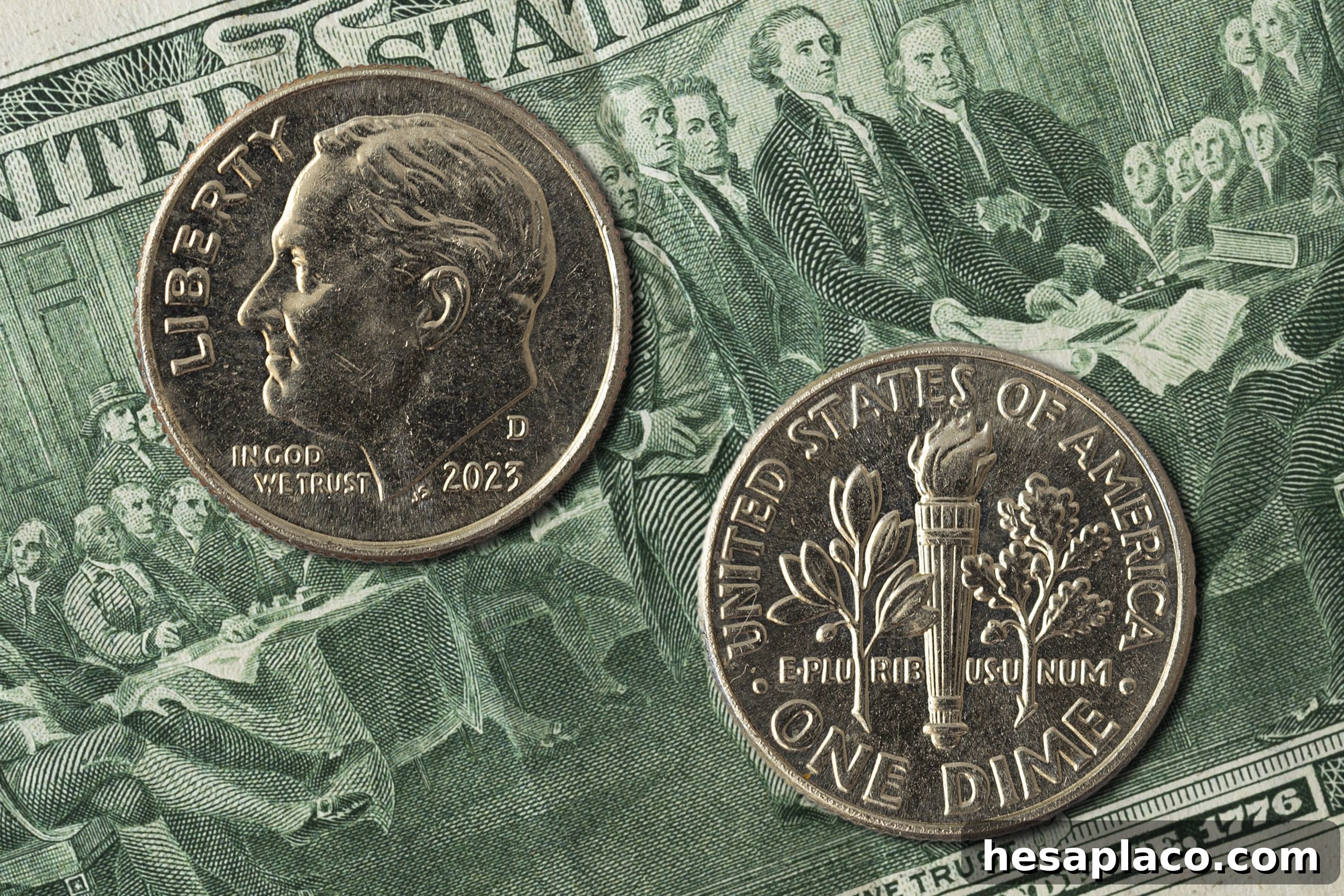
For collectors and history enthusiasts alike, some American dimes are far more than loose change — they are tiny pieces of history that can be worth a small fortune. One particular dime once sold for nearly $2 million, and the story behind that sale highlights how rarity, condition, and historical quirks turn an ordinary coin into a prized treasure. This article walks through the context behind the 15 rarest and most valuable American dimes, explaining what makes each one special and how collectors assess value.
Understanding value: rarity, history, and condition
Coin value depends on a combination of factors. Rarity matters most: the fewer examples known to exist, the higher the potential value. Condition is equally important; coins graded in gem or mint state command significantly higher prices than worn examples. Historical significance and provenance can add dramatic premiums, particularly when a coin is associated with a famous mint, a notable error, or an interesting backstory. Finally, demand within the collecting community drives prices — certain series and dates have passionate followings that keep values high.
Minting errors and unique strikes
Many of the most valuable dimes are not celebrated for design or metal content but for unintended quirks produced during striking. Error coins can include double strikes, off-center strikes, misaligned dies, and planchet mistakes. These anomalies are prized because they are one-of-a-kind artifacts of the minting process. A classic example among dimes is an illegally struck or privately produced piece — sometimes made as a presentation or “secret” gift — that becomes unique and unforgettable due to its unauthorized origin.
Survivors of conflict and scarcity
Civil War-era and frontier-minted coins are especially prized because fewer specimens survived, and those that did may show dramatic signs of circulation. Coins from remote or short-lived mints, such as the Carson City mint in Nevada, carry additional cachet. The Carson City mint produced coins during the height of the Wild West era, and many of those pieces were used heavily or melted down over time, increasing their scarcity today. Examples from these mints often fetch high prices at auction because they capture a specific moment in American expansion and monetary history.
Notable singletons and record sales
When a coin is the only known example — a singleton — its market value can be astronomical. The nearly $2 million dime referenced earlier achieved that price because it combined an extremely rare status with excellent condition and a compelling story that attracted deep-pocketed collectors. Auction results like this set benchmarks and draw attention to other rarities in the series, driving interest and higher valuations across related dates and varieties.
Evaluating and protecting valuable dimes
Collectors should learn to distinguish genuine rarities from altered or counterfeit coins. Professional grading services protect buyers and sellers by authenticating coins and assigning condition grades that standardize value assessments. If you suspect you own a rare dime, avoid cleaning or otherwise altering it; improper cleaning can drastically reduce its value. Secure storage, documentation of provenance, and insurance are practical steps to protect high-value coins. For particularly rare pieces, professional conservation and secure display solutions are worth the investment.
Market trends and collector demand
The coin market can fluctuate with economic conditions and collecting trends. Interest in certain series may surge when high-profile coins make headlines or when prominent auctions set new records. Conversely, broader economic shifts can compress prices as buyers become more cautious. Long-term, coins with historical significance and demonstrable rarity tend to hold value well, making top-tier rarities attractive both as collectibles and as alternative investments.
Learning more and next steps for collectors
If you’re curious whether a dime in your possession might be valuable, start by comparing it to reputable references and auction records. Look for identifying features such as mint marks, die varieties, and signs of minting errors. Consider having the coin evaluated by a professional numismatist or a trusted grading service. Joining collector communities and following auction results can also sharpen your understanding of current market demand and pricing trends. With knowledge and careful handling, what appears to be a simple dime could reveal itself to be a remarkable and valuable piece of American history.
Whether you’re a seasoned collector or a curious newcomer, the world of rare dimes offers compelling stories that connect minting technology, historical events, and human curiosity. From Civil War survivors to illegal presentation strikes and Carson City treasures, each rare dime has a narrative that helps explain why collectors are willing to pay extraordinary sums for sometimes tiny, understated coins.