
Retirement doesn’t mean spending stops—it means spending smarter. Many baby boomers prioritize purchases that simplify daily life, extend their savings, and preserve comfort and independence. The best buys aren’t about status or trends; they’re practical investments that add real value and peace of mind. Below are the products, services, and strategies retirees are choosing and how each one supports a more secure, comfortable retirement.
Automatic Pill Dispensers That Keep You on Track

Credit: pexels
Missing a medication dose can have serious consequences. Programmable pill dispensers sort doses, schedule alarms, and lock compartments until it’s time to take medicine to prevent double-dosing. Some models log missed doses and can notify caregivers, which is helpful for anyone managing multiple prescriptions or caring for a partner or family member.
Smart Thermostats That Learn Your Habits

Credit: Canva
Constantly adjusting a thermostat is a hassle. Smart thermostats learn daily routines and adjust temperature settings automatically to match your preferences. They can reduce energy bills and deliver small comforts—like waking up to a cozy home—without manual tweaks. Remote control via apps also makes temperature adjustments easy from anywhere.
Legal Help for Estate Planning

Credit: Canva
Estate planning isn’t glamorous, but it’s essential. An estate attorney can ensure wills, trusts, beneficiaries, and powers of attorney are set up correctly to protect assets and minimize tax burdens. Living wills and healthcare proxies also ensure your healthcare preferences are honored, reducing stress for loved ones during difficult moments.
Grip Socks That Prevent Falls Without Shoes

Credit: Wikimedia Commons
Falls at home are common and often avoidable. Regular socks can be slippery; shoes aren’t always comfortable indoors. Grip socks have rubberized soles that provide better traction on smooth floors, reducing slip risk while keeping feet comfortable. They’re an inexpensive safety upgrade that’s especially useful in kitchens and bathrooms.
Subscription Services That Actually Help

Credit: DragonImages
Rather than signing up for every streaming service, many retirees choose subscriptions that reduce chores and improve health. Medication delivery, teletherapy, audiobook memberships, and grocery delivery can simplify life. Services like pharmacy delivery and grocery apps often offer senior discounts, and bundled healthcare apps can include monthly wellness tools that help manage chronic conditions and appointments.
Vehicle Upgrades That Make Driving Safer

Credit: Canva
Driving often equals independence, and small vehicle upgrades can maintain that independence longer. Blind spot mirrors, backup cameras, and parking sensors boost safety. Adaptive accessories—like swivel seats, steering aids, or pedal extenders—can ease entry and operation. Many of these adjustments are recommended by occupational therapists to improve comfort and control on the road.
Medical Alert Devices That Go Beyond Buttons

Credit: Canva
Modern medical alert systems do more than provide a panic button. Many monitor heart rate, detect falls automatically, and connect directly to emergency services. They can sync with smartphones or smartwatches, and monthly plans are often affordable. For people living alone, these systems deliver reassurance that help is available quickly if needed.
Smart Locks That Ditch the Keys
Credit: Getty Images
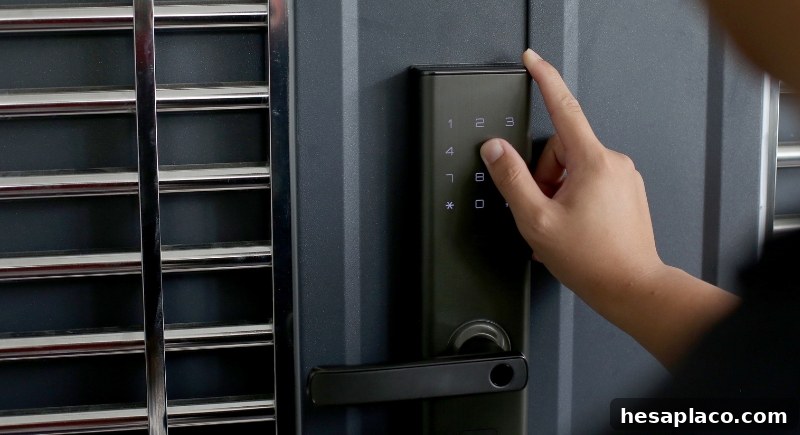
Misplacing keys is frustrating at any age. Smart locks replace traditional keys with keypads, fingerprint scanners, or smartphone access, which can be especially helpful for those with arthritis or memory issues. Temporary access codes for family or caregivers add convenience without compromising security.
Compact Exercise Equipment for Home Workouts

Credit: Getty Images
Keeping active doesn’t require a gym membership. Compact tools like resistance bands, lightweight dumbbells, and under-desk bikes help maintain strength, balance, and mobility in small spaces. The CDC recommends about 150 minutes of moderate activity per week for older adults. Having convenient equipment at home makes it easier to meet that guideline and reduce fall risk.
Updated Tech That Keeps You Connected

Credit: Canva
Modern smartphones and tablets are faster and more user-friendly, with larger icons, simplified interfaces, and voice controls. Smart speakers and virtual assistants can set medication reminders, call contacts, and control lights with voice commands. Choosing devices designed for accessibility helps retirees stay socially connected and easily manage daily tasks.
A Reliable Emergency Fund

Credit: Getty Images
Unexpected expenses don’t stop at retirement. Maintaining a separate emergency fund—distinct from retirement investments—can cover urgent needs like dental work, emergency travel, or car repairs. While some experts suggest saving six to twelve months of living expenses, even a smaller dedicated fund can prevent financial strain when surprises arise.
Comprehensive Health Insurance Plans

Credit: Getty Images
Original Medicare covers many services but leaves gaps such as dental, vision, hearing, and long-term care. Supplemental plans or Medicare Advantage options can help fill those gaps and control out-of-pocket costs. Given that healthcare spending for Medicare enrollees can be substantial, reviewing coverage choices carefully helps avoid unexpected medical bills.
Classes and Clubs That Keep the Brain Busy

Credit: Canva
Lifelong learning and social engagement support mental health. Many colleges offer discounted or free courses for seniors, while libraries, community centers, and online platforms provide classes covering everything from foreign languages to creative arts. Staying mentally active can lower the risk of cognitive decline and creates opportunities for new friendships.
Hearing Aids That Don’t Scream “Hearing Aids”
Credit: Getty Images
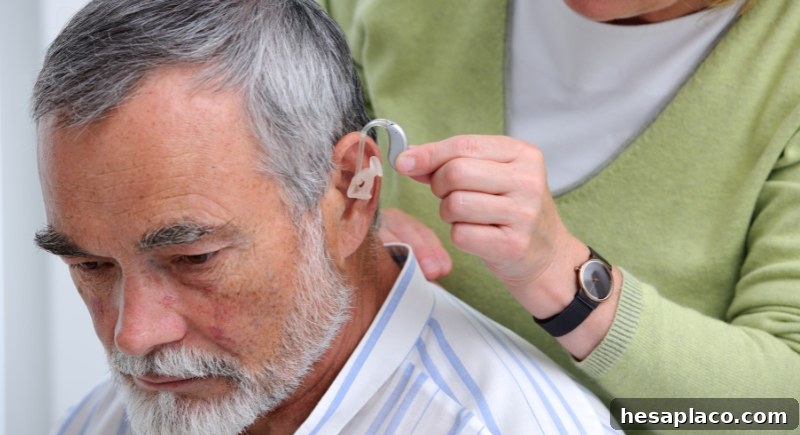
Modern hearing aids are discreet and often connect wirelessly to phones and TVs. Some models function as earbuds for calls and music, improving both hearing and convenience. Because untreated hearing loss is linked to cognitive decline, timely adoption of discreet, high-quality devices can improve communication and overall quality of life.
Long-Term Care Insurance That Buys Options

Credit: Getty Images
Many people will need some form of long-term care as they age. Long-term care insurance can help cover services like in-home aides, assisted living, or nursing care, depending on the policy. Buying coverage earlier, while you’re healthy, generally lowers premiums and preserves more options later—helping protect both finances and quality of care.