
Managing your finances doesn’t have to be complex or time-consuming. With a few focused steps you can reduce expenses and make your income go further. In under an hour you can review bills, organize accounts, and adopt small habits that lead to meaningful savings. Here are 15 practical actions you can take to improve your financial health.
Check Your Credit Report

Credit: Getty Images
Reviewing your credit report can reveal errors before they become costly. You can request free copies from the major bureaus—Equifax, Experian, and TransUnion—through AnnualCreditReport.com. Look for incorrect addresses, duplicate accounts, or unfamiliar activity. One in five consumers finds a mistake, and correcting inaccuracies can improve terms on future loans and credit cards.
Freeze Your Credit

Credit: Getty Images
Placing a freeze on your credit file prevents identity thieves from opening new accounts in your name. Each major bureau offers this service for free, and it takes just a few minutes. You can temporarily lift the freeze when you need to apply for credit. Experts consider this one of the simplest and most effective steps to block fraud.
Audit Your Subscriptions

Credit: Getty Images
Many people pay for services they no longer use. Scan your bank and credit-card statements for recurring charges you may have forgotten about. Cancel or pause subscriptions that don’t provide value. Apps that track subscriptions can help identify hidden renewals and make cancellations simpler.
Open a High-Yield Savings Account

Credit Aflo Images
Traditional savings accounts often offer negligible returns. Many online banks provide annual yields above 4%, which can make a noticeable difference over time. Moving part of your cash to a high-yield account lets your money grow while remaining accessible. Use rate-comparison sites to find competitive offers that suit your liquidity needs.
Revisit Your Auto Insurance

Credit: Canva
Car insurance premiums can increase each year, but comparing quotes often uncovers savings. Online marketplaces and comparison tools can help you match coverage to price. Consider dropping optional coverages on older vehicles or raising deductibles to lower premiums. A short review before your renewal date can yield significant reductions with no sacrifice to necessary protection.
Raise Your 401(k) Contribution

Credit: Getty Images
Increasing your retirement contributions by even 1% can compound into meaningful gains. Most employers allow quick online adjustments to payroll deferrals. Research shows workers who regularly raise contributions tend to accumulate substantially more over time. Small adjustments now strengthen your long-term financial security.
Set Up a Password Manager
Credit: Getty Images
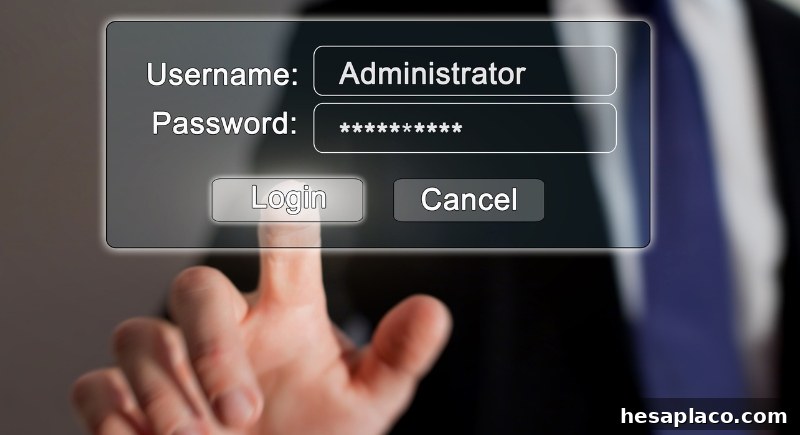
Strong, unique passwords are a core element of financial security. Password managers generate and store complex credentials behind a single master password. Free and paid options are available; using unique passwords for each account significantly reduces the risk of unauthorized access.
Cash In Loose Change

Credit: Getty Images
Loose coins add up faster than you might think. Coin-counting machines at grocery stores or bank coin services can convert change into usable funds. Some services charge fees, so compare options—choosing a fee-free bank deposit or digital transfer can turn forgotten coins into extra pocket money without cost.
Protect Important Documents

Credit: Canva
Store essential papers and backups in a fireproof safe to protect them from disasters. Look for safes rated to endure high temperatures for a sustained period, and keep originals such as passports, insurance policies, and legal records inside. Maintain encrypted digital copies as an additional safeguard. A quality home safe is a one-time purchase that provides lasting protection.
Get a More Rewarding Credit Card

Credit: Prostock-studio
Choosing the right credit card can increase the value you get from everyday spending. Many cards offer elevated cash-back rates in rotating categories or enhanced rewards for groceries, gas, or travel. Compare annual fees, benefits, and interest rates, and pay balances in full each month to ensure rewards add value rather than cost.
Share Financial Info With Family

Credit: Getty Images
Creating a concise, secure file with account information, policies, and access instructions can prevent confusion during emergencies. Store it in encrypted cloud storage and grant access to a trusted family member or executor. Organized financial records reduce stress and speed decision-making when time is critical.
Think Over Your Cell-Phone Plan

Credit: Getty Images
Phone bills often include data allowances or features you don’t fully use. Evaluate your usage periodically and compare plans to find better fits. Many carriers will match competitors’ pricing or offer loyalty discounts. An annual check can free up a meaningful amount from your monthly budget.
Automate Your Savings
Credit: Getty Images
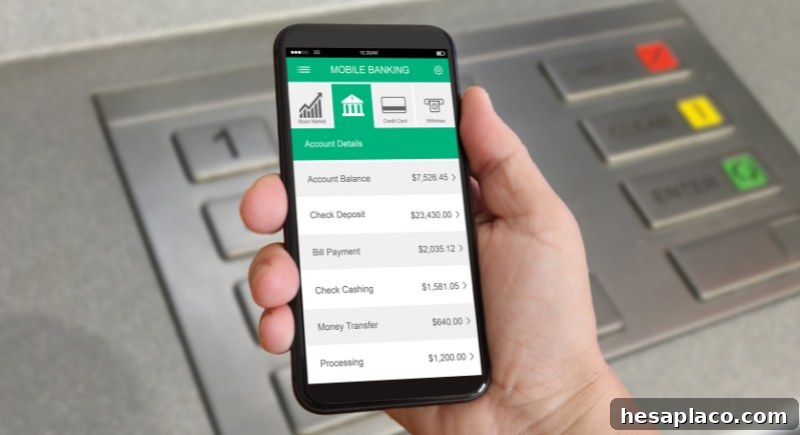
Scheduling automatic transfers to savings removes the temptation to spend first. Set a recurring amount through your bank’s online dashboard on a cadence that fits your pay schedule. Behavioral research indicates automation significantly increases long-term savings. Treat the transfer as a recurring obligation to your future self.
Find Unclaimed Money

Credit: Getty Images
State treasuries and unclaimed-property programs hold billions in lost assets from old paychecks, refunds, and closed accounts. Searching official state databases can uncover forgotten funds. Checking these resources often takes only a few minutes and can return unexpected, useful sums to your finances.
Trim Investment Fees

Credit: Getty Images
High investment fees quietly erode returns over time. Review your portfolio’s expense ratios and consider moving to low-cost index funds or ETFs when appropriate. Even small reductions in fees can compound into thousands of dollars of additional retirement savings over many years.
These practical steps are designed to be quick to implement and impactful over time. Tackle a few at once or pick one to start—each adjustment builds toward more secure, less stressful financial living.