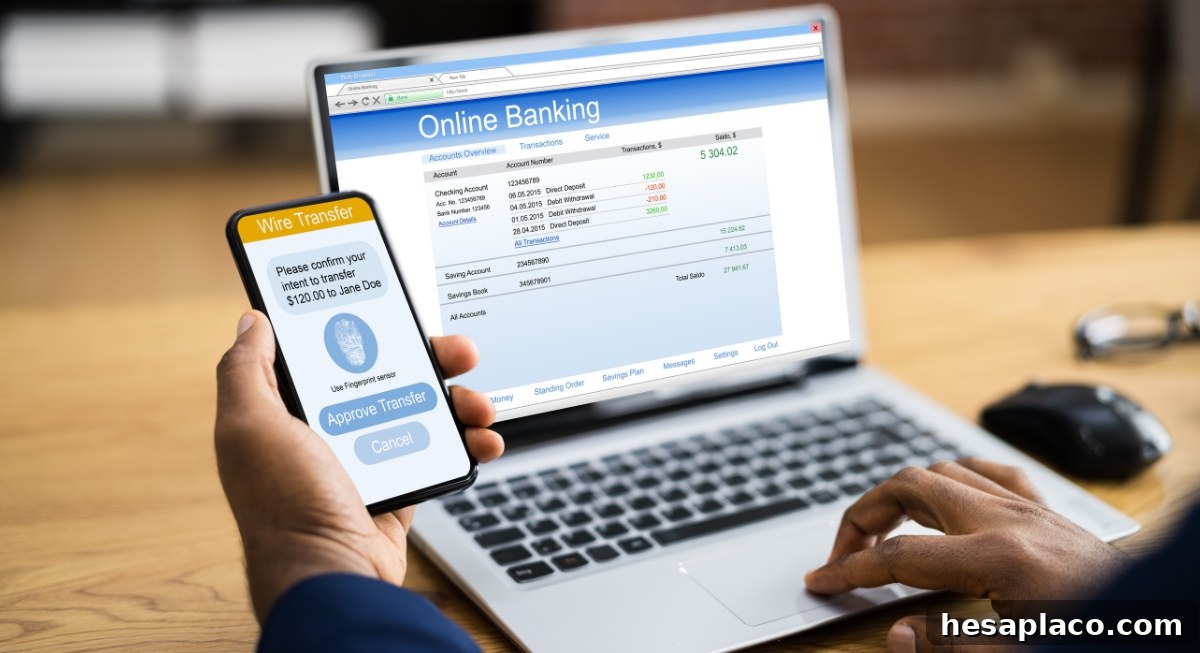
Cash provides comfort: it’s accessible, predictable, and ready for everyday expenses or sudden needs. Yet leaving too much idle in a checking account can quietly erode your long-term financial health. What looks like a strong balance may actually be losing purchasing power to inflation and missing out on better growth opportunities.
Inflation Reduces the Value of Idle Cash
Image via Getty Images/JLGutierrez
Most checking accounts pay almost no interest. As of October 2025, the national average checking rate was roughly 0.07%, while inflation has hovered near 3%. That gap means the real value of money left in checking declines month after month. For example, a $10,000 checking balance could lose about $300 of purchasing power in a year due to inflation alone.
Beyond inflation, funds sitting idle miss the opportunity to earn returns elsewhere. This opportunity cost represents the potential gains you forgo when cash remains in a low-yield account instead of being moved to higher-yield savings, investments, or other interest-bearing options.
Large Checking Balances Can Encourage Overspending
There’s a behavioral side, too. Seeing a large balance in your checking account can make spending feel easier and more justifiable, nudging some people to buy more than they otherwise would. What starts as a reassuring cushion can become a trigger for higher discretionary spending.
Financial advisors commonly recommend keeping about one month’s worth of living expenses in checking to cover bills and avoid overdrafts. If you frequently worry about overdraft fees, keeping two months’ worth might be prudent. However, amounts beyond that are often better positioned in accounts that earn more or support longer-term goals.
Where to Move Surplus Cash

Image via Getty Images/girubalani garnarajan
High-yield savings accounts are an easy step up from a basic checking account. Many online banks offer competitive APYs—often around or above 5% in recent periods—while providing FDIC insurance and easy access. These accounts typically have no monthly fees and help your cash grow faster without sacrificing convenience. Keeping a separate savings account also adds a small psychological barrier that can reduce impulsive spending.
Once you’ve built a three- to six-month emergency fund, consider options with higher yields for money you won’t need immediately. Certificates of Deposit (CDs) usually offer better rates in exchange for locking your funds for a set term, commonly one to five years; withdrawing early typically incurs penalties. For long-term goals, diversified, low-cost index funds—such as broad market ETFs—have historically delivered higher returns over extended periods.
For those seeking lower volatility while still earning returns, money market funds are a reasonable choice. Some federal money market funds have offered yields above 4% recently and provide liquidity and stability. If inflation protection is a priority, certain inflation-hedging assets—such as gold or gold-focused retirement options—can play a role within a diversified portfolio, though they carry different risks and implications than cash or bonds.
Maintaining the Right Cash Balance
Cash remains essential as an immediate safety net. It helps you weather job loss, unexpected medical bills, or sudden urgent expenses without relying on high-interest debt. The practical approach is balance: hold enough cash in checking to cover a month or two of expenses for day-to-day needs and emergencies, and move surplus funds into higher-yield, appropriately risked accounts tailored to your timeline and goals.
Review your cash allocation periodically and adjust as your circumstances change—such as a shift in job stability, upcoming large expenses, or changing interest rate environments—to ensure your money is working effectively without compromising liquidity when you need it.