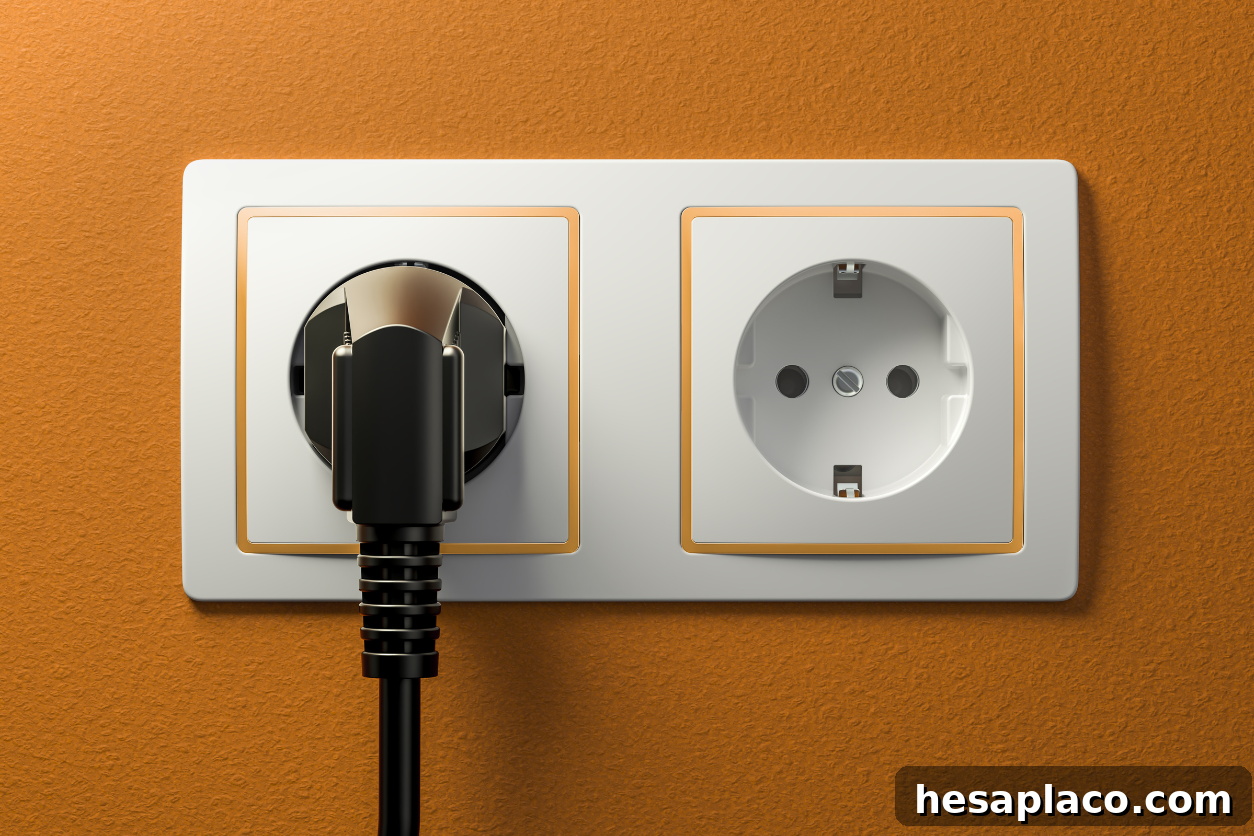
Your electric bill is rising, and you’ve probably blamed the usual suspects: running the air conditioning in summer, heating in winter, or leaving the TV on. But while you focus on those obvious energy consumers, a much quieter culprit may be driving up your costs. It’s small, unassuming, and quite possibly humming in your kitchen right now.
What makes this device so sneaky is that it often draws power even when you think it’s off. Experts call this “phantom load” or standby power — the hidden drain that can cost households hundreds of dollars a year. The surprising leader in this category is a common kitchen staple you use for just minutes at a time, yet it can draw power around the clock.
Why Your Microwave Costs You More Than You Think
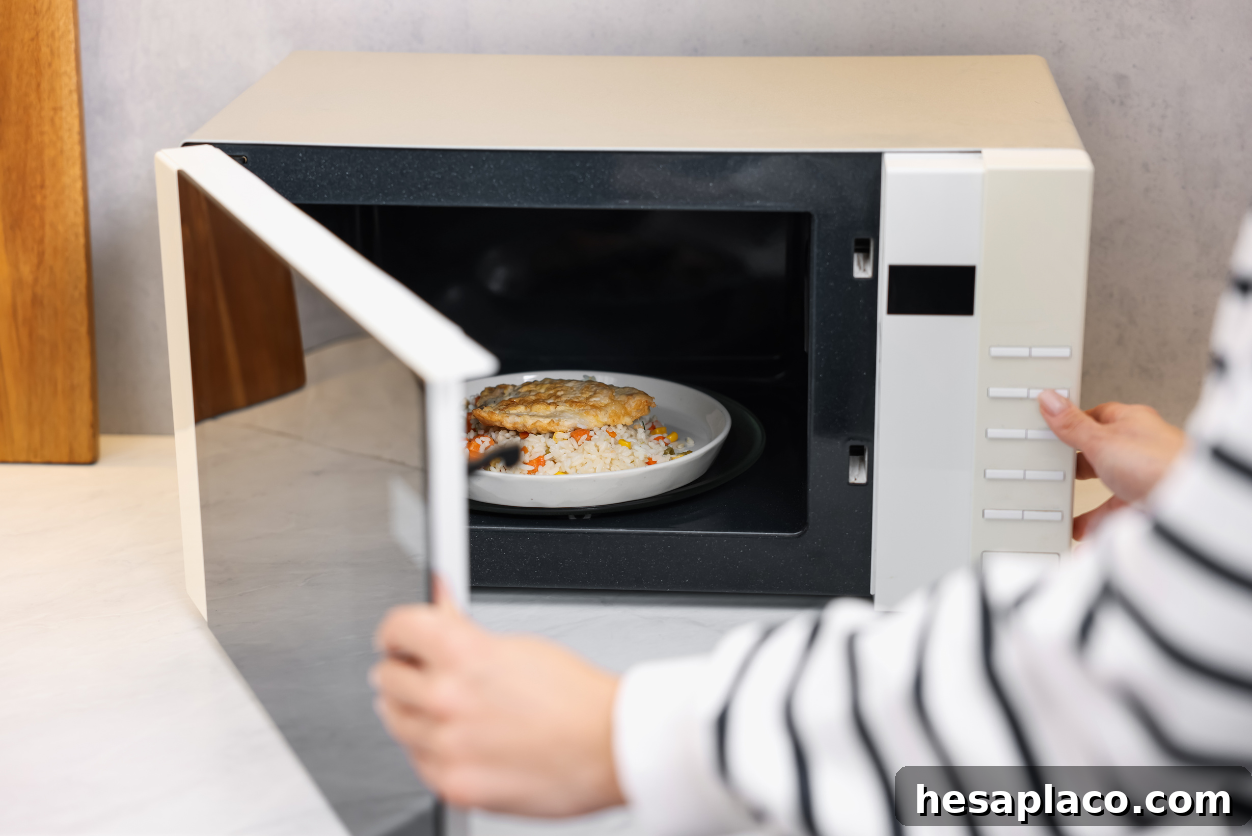
Microwaves don’t simply sit idle waiting for you to press a button. They maintain internal electronics so the clock glows and the control panel remains responsive. On standby this can be roughly 2 to 7 watts. That sounds minimal, but over a year it can amount to about 35 kilowatt-hours. Depending on local rates, that’s a few dollars lost while the unit does nothing.
And it’s rarely just the microwave. Other household items such as coffee makers, printers, TVs, cable boxes, and phone chargers each contribute their own standby consumption. Together, these phantom loads can account for nearly 10% of a monthly electricity bill. In regions with higher energy costs, that combined waste can approach or exceed several hundred dollars annually. That glowing microwave clock suddenly seems a lot less harmless.
Easy Fixes You Can Actually Stick With
Reducing the microwave’s standby drain doesn’t require rewiring or expensive upgrades. The simplest action is to unplug it overnight or whenever you won’t be using it for extended periods. A smart plug or a switched power strip provides a convenient alternative, allowing you to cut power with a button or set schedules. Some newer microwave models also offer eco or low-standby modes that reduce their idle consumption automatically.
These measures won’t interfere with the convenience of reheating meals. You’ll still enjoy quick heating, but with a small reduction in your overall energy use. Although saving $5 to $10 per year on a single microwave may seem modest, combining that habit with unplugging other devices can produce meaningful savings over time.
Keeping Efficiency on Your Side
Here’s the irony: microwaves are actually very efficient when they are in use. Heating leftovers for a few minutes typically consumes far less energy than running a conventional oven for a longer time. The real issue is the energy they consume while idle.
That’s why simple maintenance matters. A clean, well-maintained microwave not only heats food more evenly but also operates more efficiently. Wiping the interior regularly, inspecting and maintaining a tight door seal, and keeping vents clear all help the appliance run at peak performance. Coupled with the habit of unplugging or switching it off when not in use, these steps make your microwave as energy-efficient as possible and prevent it from quietly draining money from your household budget.