
Brand loyalty goes far beyond clever marketing and recognizable logos; it’s rooted in trust built over time. Research shows that roughly 62% of shoppers routinely choose familiar brand names for everyday items, even when cheaper alternatives are available. For many consumers, certain products inspire such strong loyalty that the brand becomes non-negotiable—comfort, reliability, and consistent performance matter more than small savings.
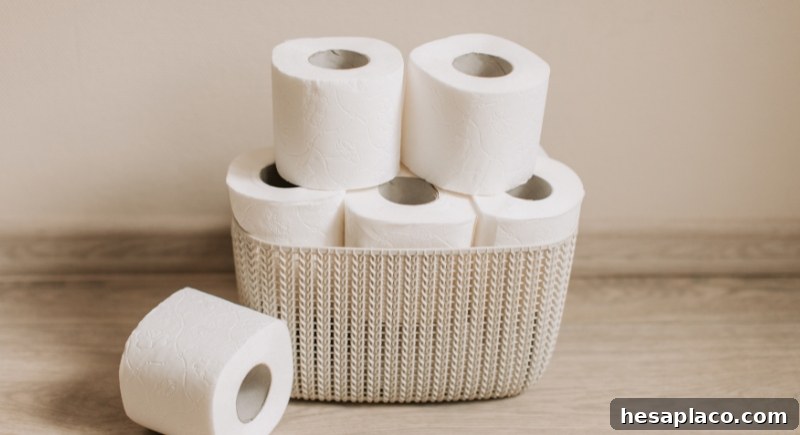
Toilet Paper
Credit: pexels
Few household staples generate as much devotion as toilet paper. Comfort and reliability are paramount—nobody forgets a thin, scratchy roll. Trusted brands maintain a consistent balance of softness and strength, which is why many shoppers willingly pay more to avoid disappointment.
Trash Bags

Credit: Canva
A failed trash bag can turn a small chore into a big mess. Consumers remember leaks and torn seams and are reluctant to risk it again. Name-brand bags typically use thicker materials and reinforced seams that withstand heavy loads, preventing spills and the unpleasant cleanup that follows.
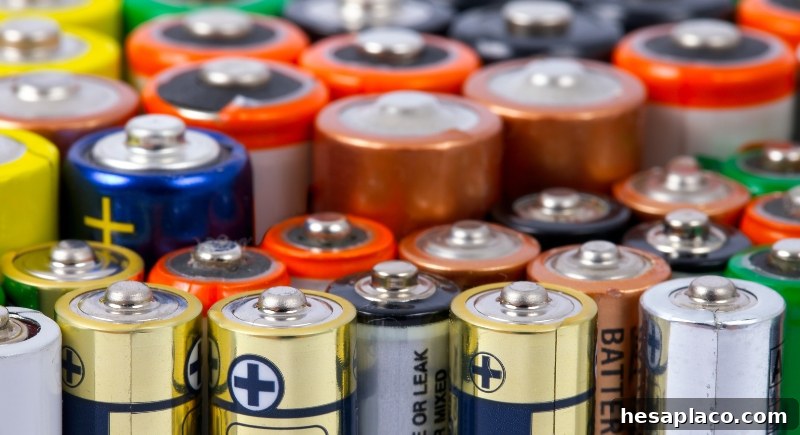
Batteries
Credit: Getty Images
For disposable batteries, the calculus is simple: cheaper up front can mean more replacements later. Established brands like Duracell and Energizer are favored because they typically last longer and are less prone to leakage—important for protecting devices like cameras and remotes and for reducing long-term cost and hassle.
Light Bulbs

Credit: TrueCreatives
Lighting affects mood, visibility, and energy bills. Low-cost bulbs may burn out early or shift color temperature unexpectedly. Trusted brands offer longer lifespans and more consistent light quality, which matters for homes, workspaces, and appliances where reliable illumination is essential.
Paper Towels

Credit: pixelshot
People buy brand-name paper towels because they trust them to absorb messes without falling apart. A sheet that tears during cleanup wastes time and product, so many shoppers favor proven brands for their durability and absorbency even when private-label packs advertise a lower price.
Ketchup

Credit: Getty Images
Food preferences and nostalgia strongly influence ketchup choices. For many consumers, Heinz represents the familiar balance of sweet and tangy flavors they grew up with. Generic alternatives may be acceptable, but they rarely match the specific taste that people associate with family meals and restaurants.
Peanut Butter

Credit: Atlas Studio
Texture and consistency are critical with peanut butter. Brands such as Jif and Skippy are trusted for their smoothness and predictable texture; substitutes can separate or spread unevenly. Consumers who rely on peanut butter for daily sandwiches or baking usually prefer the consistency of familiar brands.
Coffee

Credit: Getty Images
Morning routines leave little room for compromise. Freshness, roast profile, and aroma determine whether a coffee is satisfying. Budget options can taste flat or stale, so loyal customers often choose premium brands or specialty roasters that consistently deliver a cup they enjoy.
Soda

Credit: Canva
Soft drink preferences are often distinct and unwavering. Fans of Coke or Pepsi frequently claim they can tell the difference instantly, and many blind tests support that perception. Generic colas tend to fall short on flavor complexity or carbonation, making them secondary choices for many consumers.
Cheese

Credit: Getty Images
Flavor and meltability matter in cooking. Store-brand shredded cheeses can clump or fail to melt properly, affecting dishes like pizza and macaroni and cheese. Well-known cheese brands prioritize consistency so home cooks and chefs can count on both taste and performance.
Shoes

Credit: Getty Images
Comfort and longevity are critical when it comes to footwear. Cheap shoes often lack proper arch support or durable soles, which can lead to discomfort or the need for early replacement. For many buyers, paying more for a trusted shoe brand is a sensible investment in long-term comfort and health.
Skincare Products

Credit: pexels
Skincare carries personal and visible risks. A poorly formulated product can cause irritation or allergic reactions that take time to heal. Recognized brands often invest heavily in testing and quality control, which builds consumer trust and justifies paying a premium for perceived safety and effectiveness.
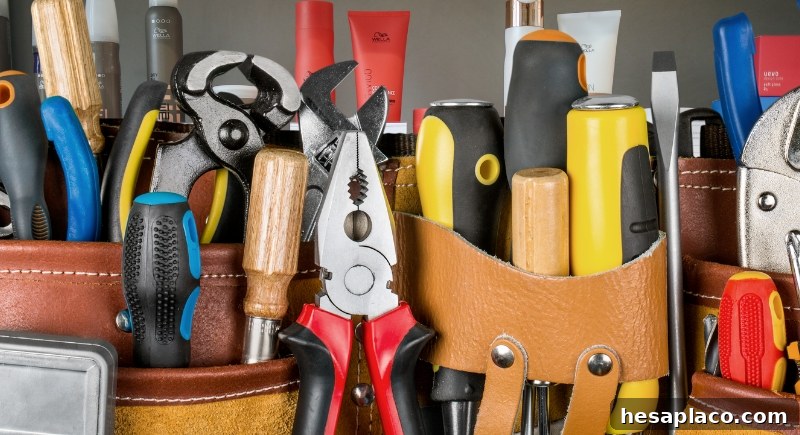
Tools
Credit: DAPA Images
For both professionals and hobbyists, tool reliability matters. A snapped wrench or a drill that quits mid-job demonstrates why investing in reputable brands is common practice. Higher-quality tools often mean fewer replacements and smoother projects.
Cars

Credit: Canva
While cars aren’t “generic” in the usual sense, the same principles of brand trust apply. Buyers gravitate toward manufacturers with proven reliability records and stronger resale values. Many consumers prefer established names to newer or unproven companies because long-term performance and service networks are important considerations.
Medicine

Credit: Canva
Despite the lower cost of generics and evidence that they contain the same active ingredients as brand-name drugs, many patients remain loyal to familiar pharmaceutical brands. Perception and trust play a major role in healthcare decisions—patients often believe brand-name medicines act faster or lead to fewer side effects, and that confidence influences their choices.
In the end, brand loyalty often comes down to minimizing risk and maximizing predictability. For items where performance, safety, or comfort is critical, many consumers choose to spend a little more for the assurance that a trusted brand provides.