When Brian Niccol took the helm at Starbucks in September 2024, investors applauded. The executive who revitalized Taco Bell and stabilized Chipotle was now leading the coffee giant, and Wall Street hoped he could repeat that success. A year later, however, initial optimism has given way to growing skepticism — and the debate centers on the numbers.
The “Back To Starbucks” Playbook
Image via Wikimedia Commons/Phi Delta Theta
One year into Niccol’s tenure, Starbucks’ stock has slipped, customer traffic hasn’t rebounded as quickly as hoped, and investors are starting to question whether the turnaround can happen fast enough. Niccol’s early strategy, dubbed “Back to Starbucks,” aimed to restore the company’s core appeal and simplify operations.
The plan included trimming a bloated menu by roughly 30%, refining the mobile ordering process to shorten wait times, and re-emphasizing the café atmosphere that helped build the brand. Stores reinstated self-serve condiment bars, reintroduced more comfortable seating, and set a four-minute target for drink handoffs. Free refills on brewed coffee and tea returned to encourage repeat visits.
These moves produced some positive signals. Foot traffic showed modest improvements in certain markets, and seasonal favorites such as the Pumpkin Spice Latte helped produce strong sales weeks — notably a record week in September 2025. But while the operational fixes were visible, Wall Street sought clearer evidence of sustainable top-line momentum.
The Problem With Patience
Between 2024 and 2025, Starbucks reported six consecutive quarters of declining sales. In April, the company reported revenue of $8.76 billion, and adjusted earnings per share fell roughly 40% year over year. Global same-store sales declined about 1%, driven primarily by softer traffic. After that earnings report, shares dropped roughly 6%, leaving the stock down near 9% for the year, while the S&P 500 advanced nearly 20%.
The resulting performance gap has frustrated investors. Niccol argues that the company is laying a stronger foundation through improved systems, cleaner operations, and better employee engagement, and that the benefits will come over time. But without clear, near-term financial milestones, the market is left to wonder how long the recovery will take and when costs will translate into revenue gains.
A Complicated Labor Story
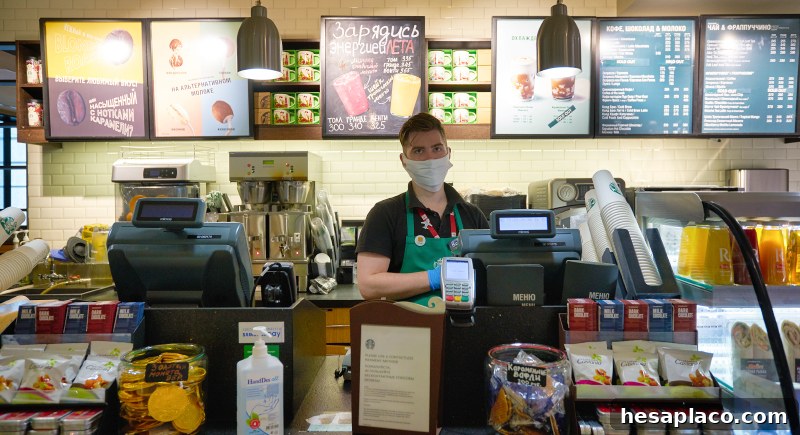
Image via iStockphoto/Teamtime
Niccol’s push to tighten standards included new employee policies such as a standardized dress code and a return-to-office requirement for corporate staff. While intended to strengthen company culture and accountability, those measures sparked protests and intensified union organizing in some regions.
An August survey of 737 baristas found a large majority reporting understaffing, and staffing shortages contributed to strikes at hundreds of locations. In response, Starbucks committed $500 million to increase labor hours and to add assistant managers in every U.S. company-owned store. Investors, however, want evidence that these labor investments will drive higher sales rather than only raising operating expenses.
China presents another significant challenge. As Starbucks’ second-largest market, China contributes roughly 8% of global revenue. Recent quarterly sales there were about $790 million, but competition from local chains such as Luckin Coffee and Cotti Coffee remains intense. Competitors often target price-sensitive customers with aggressive promotions and heavy digital engagement.
Starbucks has responded with localized offers, more iced and sugar-free options, and targeted discounts. Niccol has also explored strategic partnerships or partial sales of the China business to local operators to secure capital and deepen supply-chain and market expertise. Still, growth in China has been measured, with same-store sales rising only modestly year over year.
Analysts Aren’t Writing Him Off
Despite investor impatience, many analysts and branding experts give Niccol credit for a coherent early strategy. On average, external evaluations of his first year cluster around a “B” grade. The common view is that Niccol inherited a massive, complex organization that requires time and careful execution to transform.
Past turnarounds at Taco Bell and Chipotle also unfolded over multiple years rather than overnight. The key difference at Starbucks is investor tolerance: shareholders expect steady global growth and are less willing to wait for a gradual recovery. Several observers note that regaining employees’ trust and stabilizing staffing levels will likely be a prerequisite for restoring customer loyalty. Until those internal dynamics improve and show up in the financials, Wall Street will remain cautious about whether the “Back to Starbucks” plan can produce a measurable, lasting rebound.