
Everyday objects often feel fixed and familiar, as if they were always meant to be exactly what they are today. In truth, many started with very different intentions. Some were byproducts of experiments; others were created to solve industrial problems and only later found more popular uses. Over time, people discovered unexpected applications for these inventions, and those accidental roles evolved into the familiar products we now take for granted.
Coca-Cola
Credit: Africa Images
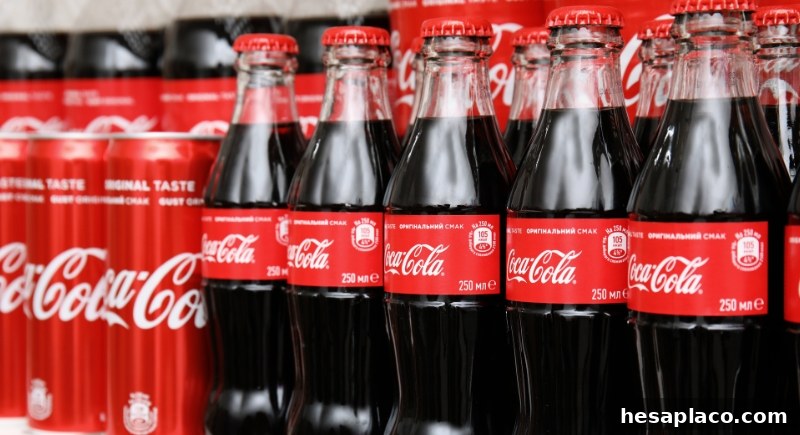
Coca-Cola began in 1886 as a medicinal tonic formulated by pharmacist John Stith Pemberton. Its original recipe included extract from the coca leaf and it was promoted as a remedy for headaches, fatigue, and morphine addiction. Early marketing emphasized its effects as a nerve tonic rather than a simple refreshment. By 1903, the cocaine component had been removed, and growing consumer demand shifted Coca-Cola from pharmacy counters to soda fountains and, eventually, into the global soft drink market.
Bubble Wrap
Credit: Getty Images
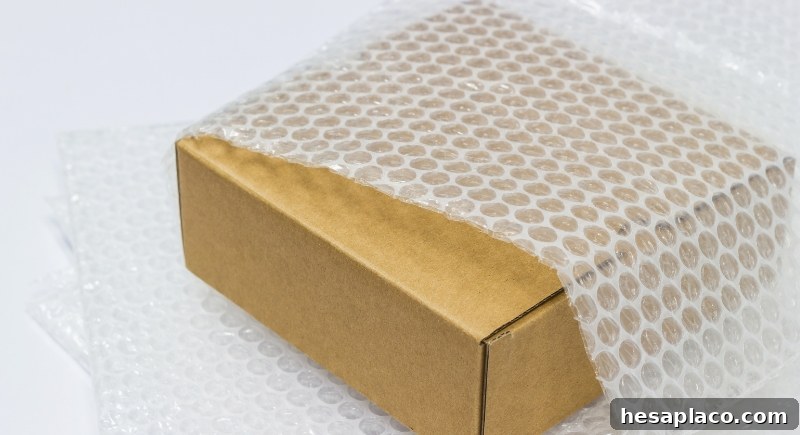
Bubble Wrap was an accident spawned by two inventors, Alfred Fielding and Marc Chavannes, who sealed together two plastic sheets to create textured wallpaper with a modern look. When the wallpaper failed to catch on, they tried repurposing the material as greenhouse insulation without success. The product found its true calling when it was used to cushion IBM computers during shipping. Its protective qualities transformed it into the packaging staple we know today.
Microwave Oven

Credit: pixelshot
The microwave oven was discovered by accident in 1945 when engineer Percy Spencer noticed a chocolate bar melting in his pocket while he worked on radar equipment. He realized the same electromagnetic waves used in radar could agitate water molecules and heat food. Early microwave units were large, expensive, and mainly used in commercial settings, but technical improvements over the following decades made them compact, affordable, and commonplace in home kitchens.
Play-Doh
Credit: Wikimedia Commons
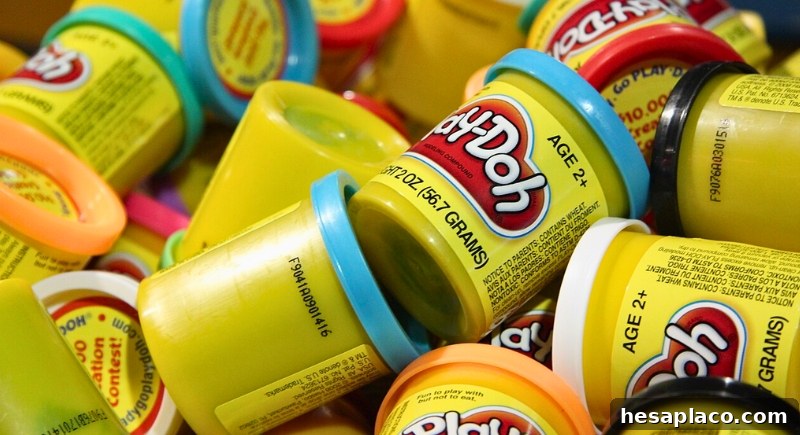
Play-Doh originally started as a cleaning product used to remove coal soot from wallpaper in homes heated by coal furnaces. When cleaner heating systems reduced the need for soot removal, demand for the cleaner declined. The product’s soft, pliable texture, however, proved ideal for children’s play. In 1956 it was relaunched as a non-toxic modeling compound and quickly found a new market as a popular toy.
Post-it Notes

Credit: pexels
Post-it Notes trace back to 1968 when 3M chemist Spencer Silver accidentally developed a low-tack adhesive that stuck lightly and peeled off cleanly. The adhesive had no immediate use until colleague Arthur Fry applied it to paper bookmarks, which stayed in place without damaging pages. That simple idea led to the development of the Post-it Note, a convenient and widely used office supply.
Listerine

Credit: Wikimedia Commons
Listerine was developed in the late 19th century as a surgical antiseptic and was later marketed for several household uses, including as a floor cleaner and for treating infections. Sales were modest until the company repositioned Listerine as a cure for bad breath. That marketing pivot dramatically increased demand and made Listerine a household name.
WD-40

Credit: Facebook
WD-40 was developed during the Cold War to prevent corrosion on nuclear missiles. Its name stands for “Water Displacement, 40th formula,” reflecting the many iterations the inventors tried before achieving success. The formula proved so useful at displacing moisture and preventing rust that it later became widely available to consumers for household lubrication and maintenance tasks.
Frisbee

Credit: Getty Images
The Frisbee’s origins trace back to the Frisbie Pie Company, which sold pies in metal tins in the late 1800s. College students discovered that the tins could glide when tossed, turning them into an impromptu pastime. Producers later developed a lightweight toy version with a modified spelling—Frisbee—which evolved into both a recreational toy and an organized sport by the mid-20th century.
Velcro
Credit: Getty Images
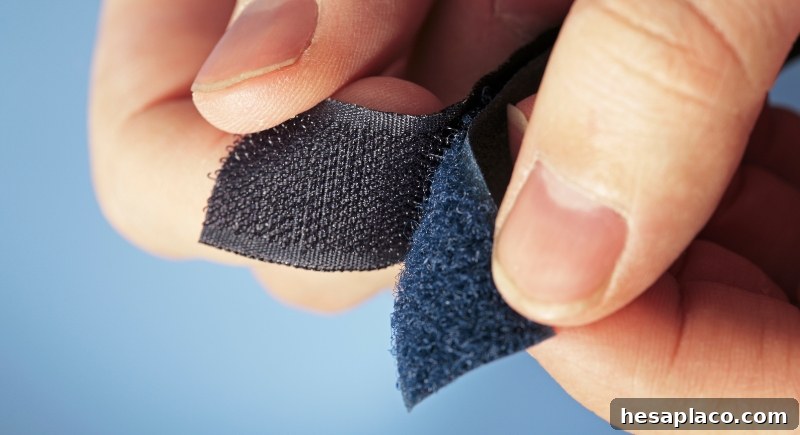
Velcro was inspired by a walk in the Swiss countryside in 1941. Engineer George de Mestral noticed burrs clinging persistently to his clothing and his dog’s fur. A close inspection under a microscope revealed tiny hook-like structures that latched onto loops in fabric. That observation led to the development of the hook-and-loop fastening system, which today is used in clothing, footwear, medical equipment, and even aerospace applications.