A million dollars once sounded like an enormous sum. For today’s biggest corporations, it’s a routine milestone. These global giants generate revenue and profit so rapidly that they can earn seven figures in minutes. To make sense of these staggering numbers, here’s a clearer look at how and why these companies reach $1 million so quickly.
Saudi Aramco

Credit: Wikimedia Commons
As the world’s most profitable company in the oil sector, Saudi Aramco earns roughly $1 million every 4.7 minutes. Its vast oil reserves, efficient extraction and refining processes, and low production costs translate into enormous daily cash flows. Heavy global demand for energy and the company’s dominant position in the market make these figures possible.
Amazon

Credit: Wikimedia Commons
Amazon’s retail operations are massive, but it’s Amazon Web Services (AWS) and advertising that generate the bulk of high-margin profit. With millions of Prime subscribers, a vast e-commerce ecosystem, and significant ad revenue, Amazon reaches $1 million in profit in a matter of minutes. Its range—from fast delivery to cloud infrastructure—keeps multiple revenue streams flowing.
Microsoft

Credit: Wikimedia Commons
Microsoft’s commercial cloud offers recurring, high-margin revenue that drives much of its profitability. With a market valuation that has topped several trillion dollars at times, Microsoft generates billions each quarter through Azure, Office, Teams, and enterprise services. These entrenched software and cloud offerings enable the company to earn $1 million in minutes.
Alphabet (Google)
Credit: Wikipedia
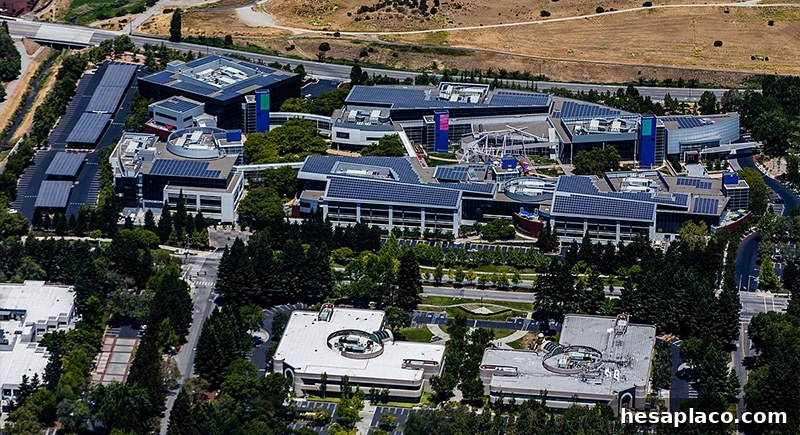
Alphabet, the parent company of Google, earns about $1 million every 17 minutes, largely driven by its dominant advertising business. Search ads, YouTube monetization, and growing cloud services contribute to steady cash flow. Alphabet’s continued investments in AI and other advanced technologies aim to broaden its revenue base.
Meta Platforms (Facebook)

Credit: Wikimedia Commons
Meta earns significant profit from advertising across Facebook, Instagram, and WhatsApp. With billions of users across its platforms, the company generated roughly $29 billion in annual profit in recent periods. Even with slower user growth in some markets, ad monetization, audience targeting, and platform engagement keep revenue strong.
Apple
Credit: Wikimedia Commons
Apple reaches $1 million in under 9 minutes. While iPhone and other hardware sales are the headline drivers, services—such as the App Store, iCloud, Apple Music, and AppleCare—contribute significant recurring revenue. The combination of premium device sales and expanding services margins sustains high profitability.
Samsung Electronics

Credit: Wikimedia Commons
Samsung produces a wide range of consumer electronics, from smartphones and TVs to semiconductor components. That diversification enables the company to net about $1 million every 13 minutes. Its strength in display panels and memory chips, which are used widely across the industry, boosts margins when demand and pricing are favorable.
JPMorgan Chase

Credit: Wikimedia Commons
JPMorgan Chase, the largest U.S. bank, earns about $1 million every 16 minutes. Its broad mix of consumer banking, investment banking, asset management, and trading creates diversified revenue streams. Interest rate fluctuations, strong investment performance, and scale in financial services all support consistent profitability.
Agricultural Bank of China

Credit: Wikimedia Commons
Large state-owned Chinese banks like Agricultural Bank of China generate immense scale through retail deposits, corporate lending, and government-backed projects. Serving hundreds of millions of customers and financing major infrastructure, the bank reaches $1 million in profit roughly every 17 minutes. Its close ties to national economic initiatives support steady demand for loans and financial services.
Bank of America

Credit: Wikimedia Commons
Bank of America reaches the $1 million mark about every 19 minutes. It benefits from a diversified mix that includes retail banking, credit card services, wealth management, and trading. Rising interest rates in recent periods have increased net interest income, while digital channels and automation have improved operational efficiency.
Bank of China

Credit: Wikimedia Commons
As China’s oldest bank, Bank of China plays a crucial role in international trade and foreign exchange services, and earns about $1 million every 19 minutes. The bank’s involvement in cross-border transactions, corporate banking, and infrastructure financing supports sustained profit generation.
Intel
Credit: Wikimedia Commons
Intel, long a leader in semiconductor manufacturing, earns roughly $40,000 per minute. While competition in chip design and fabrication has increased, Intel’s scale, manufacturing capabilities, and investment in next-generation and AI-oriented chips continue to support significant revenue streams.
Verizon Communications

Credit: Wikimedia Commons
Verizon earns about $1 million every 28 minutes by providing mobile services, home internet, and expanding 5G infrastructure. Recurring subscription revenue from millions of customers and growing enterprise services help sustain its profitability as it invests in network upgrades and private 5G solutions.
Berkshire Hathaway

Credit: Wikimedia Commons
Warren Buffett’s Berkshire Hathaway brings in several million dollars each hour—roughly $4.6 million hourly—thanks to a highly diversified portfolio of businesses. Insurance underwriting, railroad operations, utilities, manufacturing, and significant equity holdings (including large positions in public companies) combine to produce large, though sometimes cyclical, profits.
China Construction Bank

Credit: Wikimedia Commons
China Construction Bank, another major state-owned lender, earns about $1 million in profit every 13.7 minutes. Its primary role in financing infrastructure, real estate, and urban development projects gives it a steady pipeline of lending opportunities. Close alignment with national economic priorities helps sustain its scale and long-term earnings power.
These companies demonstrate how scale, market dominance, and diversified revenue streams turn enormous operations into constant profit generators. While individual results can shift with economic cycles, competition, and regulation, the sizeable and recurring earnings of these firms highlight the vast financial power concentrated in a small group of global corporations.