
The first time you meet with a real estate agent or lender, the conversation can feel like it’s full of secret codes. Terms fly around the room—some sound familiar, many don’t—and you’re left wondering what they mean for your finances and your future home.
This guide translates that language into clear, practical explanations so you can follow each step of the process with confidence.
Above Asking

Credit: Getty Images
When buyers submit offers higher than the listed price to outcompete others, that’s called offering above asking. For example, a home listed at $300,000 might receive a $310,000 offer. While a higher price can catch a seller’s eye, sellers also consider contingencies, financing, and closing timelines—so the highest number alone doesn’t always win.
Annual Percentage Rate

Credit: Getty Images
The APR (annual percentage rate) gives a fuller picture of a loan’s true cost by combining the interest rate with most lender fees. An advertised rate of 6.5 percent might translate to a 6.8 percent APR once fees are included, so comparing APRs helps you evaluate offers more accurately.
Appraisal

Credit: Getty Images
An appraiser—typically hired by the lender—estimates a home’s market value by comparing recent sales, location, and condition. If the appraisal comes in below the agreed price, buyers and sellers often need to renegotiate or the buyer must make up the difference in cash.
Assumable Mortgage

Credit: Getty Images
Some loans can be assumed by a new buyer, meaning the buyer takes over the seller’s existing mortgage and its terms. This can be attractive when the existing rate is lower than current market rates, but the buyer usually needs to cover any gap between the sale price and the loan balance.
Concession

Credit: Getty Images
A concession is when the seller agrees to pay certain buyer expenses—often closing costs, repairs, or a home warranty—to facilitate the sale. Concessions are more common when a property has lingered on the market and can help buyers complete the purchase without increasing their cash at closing.
Contingency

Credit: pexels
Contingencies are contract conditions that must be satisfied for a sale to proceed—for example, a satisfactory home inspection, financing approval, or sale of the buyer’s current home. Waiving contingencies can make an offer more competitive but reduces protections for the buyer.
Conventional Mortgage

Credit: Getty Images
A conventional mortgage is not guaranteed by government programs like FHA or VA. These loans typically require stronger credit and larger down payments but often come with fewer property restrictions and different loan limits, making them a common choice for many buyers.
Debt-to-Income Ratio

Credit: Getty Images
Lenders measure monthly debt payments against gross monthly income to calculate your debt-to-income (DTI) ratio. For example, $3,000 in monthly debts on $8,000 in income equals a 37.5 percent DTI. Lower ratios indicate more capacity to take on mortgage payments and typically improve approval chances.
Pocket Listing

Credit: Getty Images
A pocket listing is marketed quietly to a select group of buyers instead of being publicly listed. Sellers may seek privacy or a targeted buyer pool. While this can reduce competition, it also limits exposure and may affect the final sale price.
Option Period

Credit: Canva
In some states—commonly in Texas—buyers may purchase an option period: a short, agreed-upon timeframe after signing the contract to inspect the property and confirm their decision. If they cancel during that window for any reason, they can often recover their earnest money.
iBuyer

Credit: Getty Images
iBuyers are companies that use technology to make fast, often cash, offers on homes. The attraction is speed and convenience, but these offers can be lower than what you might get on the open market. Fees and terms differ from traditional agent listings, so review them carefully.
Natural Hazards Disclosure Report

Credit: Getty Images
In certain areas, sellers must provide a Natural Hazards Disclosure report that identifies risks like flood zones, wildfire exposure, or earthquake hazards. Knowing these issues upfront helps buyers assess insurance needs, potential mitigation costs, and long-term safety.
Land Lease
Credit: iStockphoto
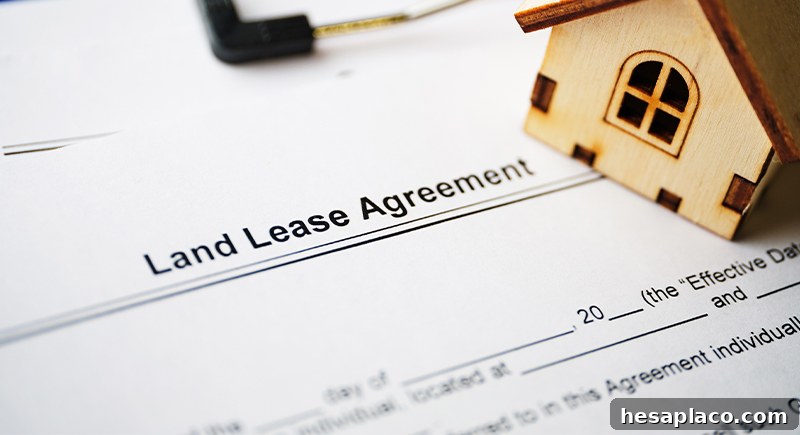
With a land lease, you buy the structure but lease the land from another owner. These leases can last for decades but may include rent increases or restrictions that affect resale value and long-term costs. Understanding the lease terms is essential before committing.
Tenancy in Common

Credit: iStockphoto
Tenancy in common allows two or more people to own shares of a property independently. Shares don’t automatically transfer to co-owners on death; instead, they pass through the deceased owner’s estate, which can complicate future ownership and planning.
Rent‑Back
Credit: Getty Images
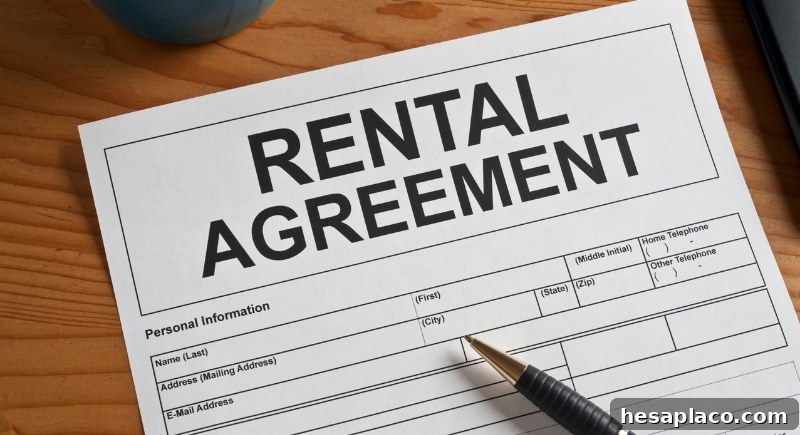
A rent-back agreement lets the seller remain in the home for a short period after closing, paying rent to the buyer. The terms—including duration and daily or monthly rent—are negotiated in advance and can smooth timing issues between closing and moving.
Equity Stripping

Credit: Getty Images
Equity stripping happens when homeowners repeatedly borrow against their property’s value, often to cover expenses or debts. While it can provide short-term cash, excessive borrowing increases the risk of financial strain or foreclosure if payments become unsustainable.
Probate Sale

Credit: Getty Images
When a property owner dies and the estate goes through probate, the sale may be court-supervised. Probate sales often take longer and require additional approvals, so buyers should expect extended timelines and possible court confirmations.
Subject to Inspection

Credit: iStockphoto
Some listings offer limited access—often because tenants remain in place—so buyers submit offers subject to a later inspection. This reserves the buyer’s right to cancel if the interior or condition reveals issues they weren’t aware of, making it a higher-risk approach.
Real‑Estate Owned (REO)

Credit: iStockphoto
REO properties are owned by lenders after a foreclosure auction fails to sell the home. Banks usually sell these “as is,” but often clear title issues first. They can be less unpredictable than some distressed sales, though repairs are commonly needed.
Easement

Credit: Getty Images
An easement grants someone else a legal right to use part of your property—common examples include shared driveways or utility access. Easements can restrict how you use parts of the land, so review them carefully to avoid future disputes or surprises.
Covenants, Conditions, and Restrictions (CC&Rs)

Credit: pix4free
CC&Rs are rules set by developers or homeowners associations that limit how owners can use their property—such as rules about exterior paint colors, fence heights, or pets. Violating CC&Rs can result in fines or legal action, so reading them before purchase is important.
Escrow Holder

Credit: Getty Images
An escrow holder is a neutral third party that manages funds and documents during a transaction, releasing money only when agreed conditions are met. Escrow protects both buyer and seller by ensuring obligations are satisfied before closing.
Preliminary Title Report

Credit: Getty Images
A preliminary title report shows the legal owner of the property and any claims—such as liens, easements, or unpaid taxes. Buyers review it to identify issues before closing so they can be addressed and clear title can be delivered.
Appraisal Contingency

Credit: Canva
An appraisal contingency lets buyers renegotiate or cancel if the appraisal is lower than the contract price. Without this protection, buyers must make up the shortfall from their own funds—an unexpected and potentially costly outcome.
Blind Offer

Credit: Getty Images
A blind offer is submitted without a prior in-person visit to the property—relying on photos, virtual tours, or the agent’s description. This approach is common in fast markets where homes sell quickly, but it carries the risk of undiscovered issues.
Hard Money Loan

Credit: Getty Images
Hard money loans are short-term, high-interest loans typically used by investors who need speed and flexibility. Lenders focus on the property’s value rather than the borrower’s credit history. They can close quickly but carry higher costs and tight repayment deadlines.
Trust Sale

Credit: Canva
When a property is held in a living trust, a trustee may sell it—often after the owner’s death—without probate. Trust sales tend to be more administrative and based on market value rather than personal sentiment, which can streamline certain transactions.
Backup Offer

Credit: Canva
A backup offer sits in line behind a primary accepted offer. If the first deal falls through, the backup offer becomes active without the seller restarting marketing. It’s a strategy buyers use to stay in contention on competitive listings.
Rate Cap

Credit: Getty Images
Rate caps limit how much the interest rate on an adjustable-rate mortgage can increase at each adjustment and over the life of the loan. They provide a safety net against extreme payment spikes by setting a maximum rate ceiling.
Lien

Credit: iStockphoto
A lien is a legal claim against a property—often for unpaid taxes, contractor bills, or other debts. Sellers must clear liens before closing so buyers receive clean title. Reviewing the title report helps buyers avoid inheriting prior obligations.
Balloon Payment
Credit: Getty Images
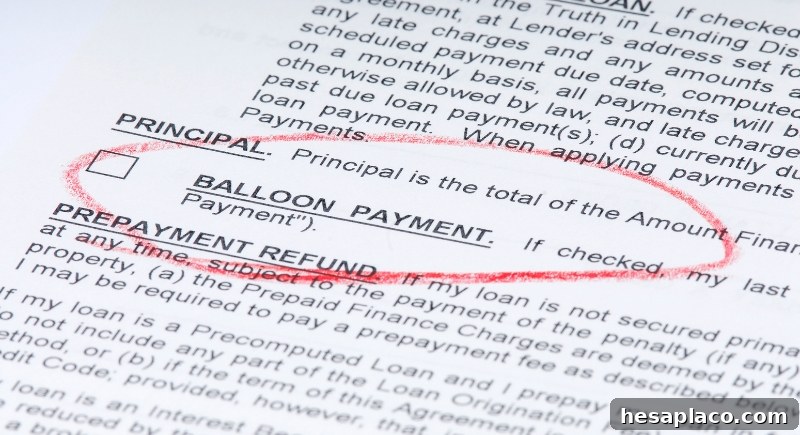
A balloon payment loan requires smaller periodic payments with one large lump-sum payment at the end. Buyers planning to refinance or sell before that final payment should confirm their options, because failing to address the balloon can lead to serious financial difficulty.
Equitable Title

Credit: Getty Images
Equitable title refers to the buyer’s right to obtain full legal ownership once contract conditions are satisfied—often established when a purchase agreement is signed but before the deed transfers at closing. It gives buyers certain protections during that interim period.
Deed Restriction

Credit: Canva
Deed restrictions are limits written into the deed—such as prohibitions on commercial use or restrictions on building height—that remain with the land after sale. Checking for deed restrictions early prevents surprises that could limit how you use the property.
Short Sale

Credit: Canva
A short sale occurs when a lender agrees to let a homeowner sell for less than the mortgage balance. These sales require lender approval and can take months to finalize, but they sometimes present bargains for patient buyers willing to navigate the longer timeline.
Underwriting Conditions

Credit: Getty Images
Even after initial approval, underwriters often issue conditions—documents or verifications they require before final loan approval. Common stipulations include additional pay stubs, updated bank statements, or proof of reserves. Responding quickly helps avoid last-minute delays.
Quitclaim Deed

Credit: Getty Images
A quitclaim deed transfers whatever ownership interest the grantor has without guaranteeing the title is clear. These deeds are common among family transfers or divorce settlements. Outside of those contexts, buyers usually prefer deeds that provide title warranties.
Conditional Use Permit

Credit: Canva
A conditional use permit (CUP) allows property uses not normally permitted under current zoning, but only with specific conditions. Buyers intending to run a business from home or add structures should check whether a CUP is needed or already exists for the property.
Wraparound Mortgage

Credit: Getty Images
A wraparound mortgage places a new loan on top of an existing loan, creating one combined payment. This can help buyers obtain financing when traditional options are limited, but the structure is complex and requires careful coordination to avoid conflicts between lenders.
Lis Pendens

Credit: Canva
A lis pendens is a public notice filed when a lawsuit affects a property, warning potential buyers that ownership could be contested. Most buyers avoid properties with a lis pendens until the legal dispute is resolved.
Tax Lien Sale

Credit: Getty Images
If property taxes go unpaid, a local government may sell a tax lien to investors. If taxes remain unpaid, the lien purchaser can eventually gain ownership, so sellers should stay current on taxes to avoid this risk and buyers should beware properties with outstanding tax liens.
Chain of Title

Credit: Getty Images
The chain of title is the recorded history of ownership transfers for a property. Title companies examine this record to ensure there are no missing links or hidden claims. A clear chain helps avoid disputes and provides confidence that ownership is transferable.
Encroachment

Credit: Getty Images
Encroachment occurs when a neighbor’s structure—like a fence, driveway, or shed—extends onto another person’s property. Surveys identify encroachments so buyers can negotiate resolutions or demand corrections before closing.
Redemption Period

Credit: Canva
In some states, former owners have a redemption period after a foreclosure sale during which they can reclaim the property by paying the debt owed. Buyers of foreclosed homes must understand whether a redemption period applies, because it can reverse a sale even after closing.
Deficiency Judgment

Credit: Canva
If a foreclosure sale yields less than the mortgage balance, lenders in some states can pursue the former owner for the difference via a deficiency judgment. Buyers examining distressed properties often review the mortgage history to understand potential liabilities or complications.
Alienation Clause

Credit: Getty Images
An alienation clause in a mortgage requires the loan to be paid off if the property is sold or transferred. This prevents a new buyer from simply taking over the existing loan without the lender’s approval, and it’s an important detail when considering future resale or transfers.
Special Assessment

Credit: pexels
Condo associations or local governments can levy special assessments to fund major repairs or improvements. Buyers who don’t ask about pending assessments may face unexpected bills after moving in, so checking with the association or municipality is wise.
Underwriter’s Stipulations

Credit: Getty Images
Underwriter stipulations are final documentation or verification requests made after preliminary loan approval. Common examples include recent pay stubs, bank statements, or proof of additional funds. Promptly fulfilling stipulations helps secure full loan approval and avoid delays at closing.
Plat Map

Credit: Getty Images
A plat map is a recorded diagram that shows lot boundaries, easements, and dimensions in a subdivision or development. Reviewing the plat map clarifies exactly what land is included with the property and any rights-of-way that may affect its use.
Variance

Credit: iStockphoto
A variance is official permission to deviate from local zoning rules—such as building closer to a lot line than normally allowed. Buyers planning renovations or additions should check whether a variance exists or if one would be required for their plans.
Defeasible Fee

Credit: Canva
A defeasible fee grants ownership subject to a condition—such as maintaining the property as residential. If the condition is violated, ownership could revert to the original grantor. Understanding such conditions helps buyers avoid ownership surprises that could limit future use or reduce value.