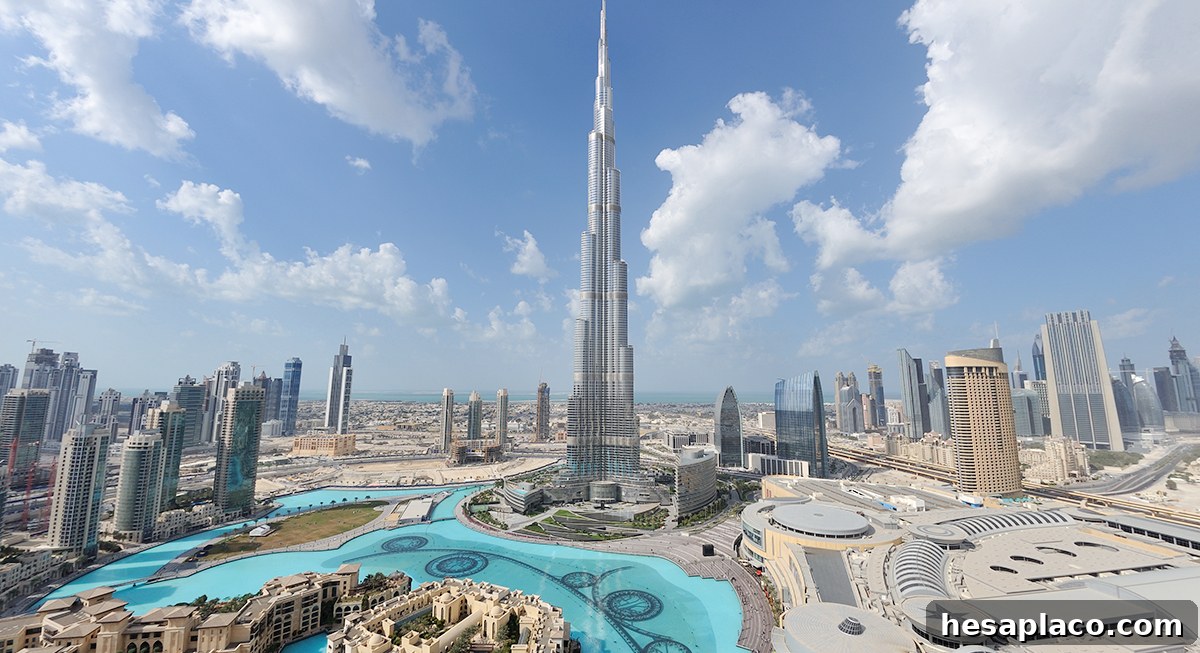
Wealth tends to concentrate in certain cities, drawn by factors beyond tax breaks and scenic views. This year’s rankings spotlight global urban centers that continue to attract the ultra-rich, based on resident wealth and the number of millionaires. From emerging contenders to established financial capitals, these cities reveal where private capital, innovation, and infrastructure combine to create concentrated prosperity.
Monaco
Credit: Getty Images
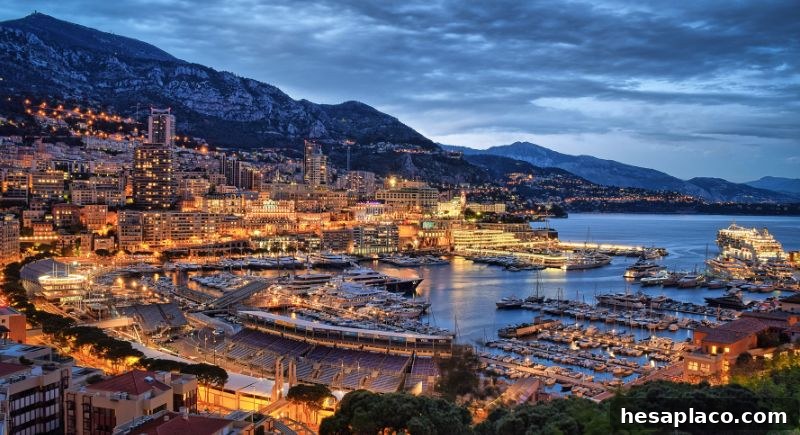
Monaco remains one of the densest concentrations of wealth in the world. About 40% of residents qualify as millionaires, and average wealth sits well into the multimillion-dollar range. With exclusive housing, high-end services, and an annual Formula 1 spectacle that draws global attention, Monaco functions like an elite community where entry effectively requires significant capital.
Dubai
Credit: Getty Images
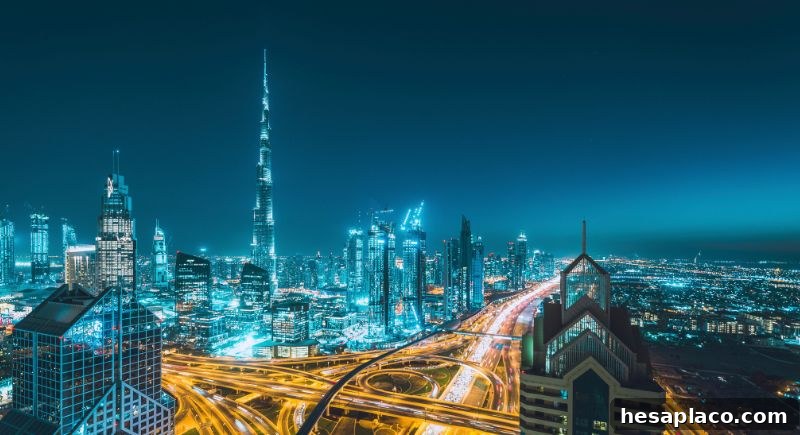
Dubai added thousands of millionaires this year, bringing the total to roughly 72,500. While oil initially underpinned growth, the city’s current wealth drivers include real estate development, the gold and commodities trade, and business-friendly, tax-advantaged zones. A steady flow of international tourists and ambitious investment targets reinforce Dubai’s position as a magnet for global capital.
Hangzhou
Credit: Getty Images
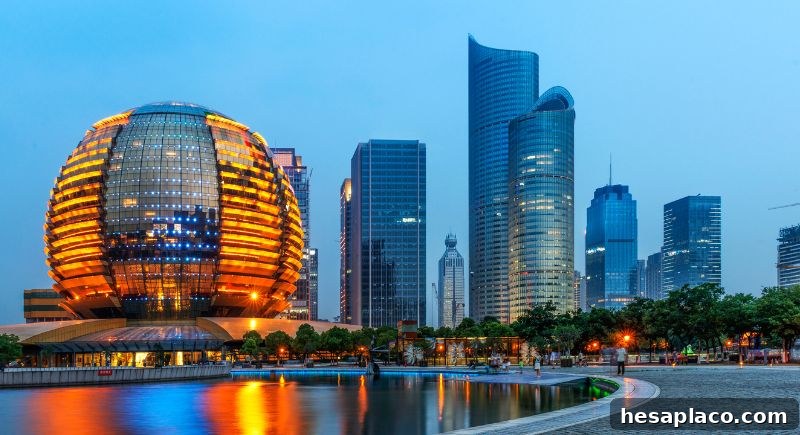
Hangzhou may be less familiar to some international audiences, but it’s a powerhouse for private wealth. Home to major tech firms such as Alibaba, the city counts more than 31,000 millionaires and multiple billionaires. Its rapid private capital formation and tech-led ecosystem have created substantial local prosperity and an increasingly influential role in China’s economic landscape.
Shenzhen
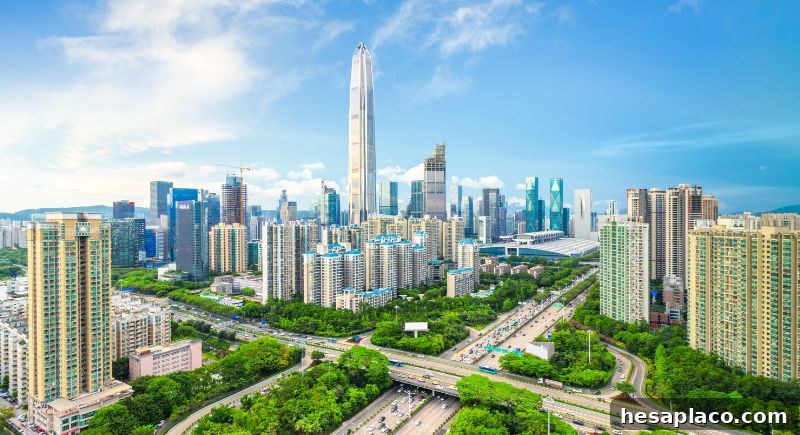
Credit: Getty Images
Once a modest fishing village, Shenzhen has transformed into a major hub of wealth creation. The city has experienced a significant surge in millionaire numbers, fueled by tech giants and startups alike, including household names in hardware and software. Shenzhen’s rapid industrial and technological growth has produced a new generation of high-net-worth individuals.
Shanghai
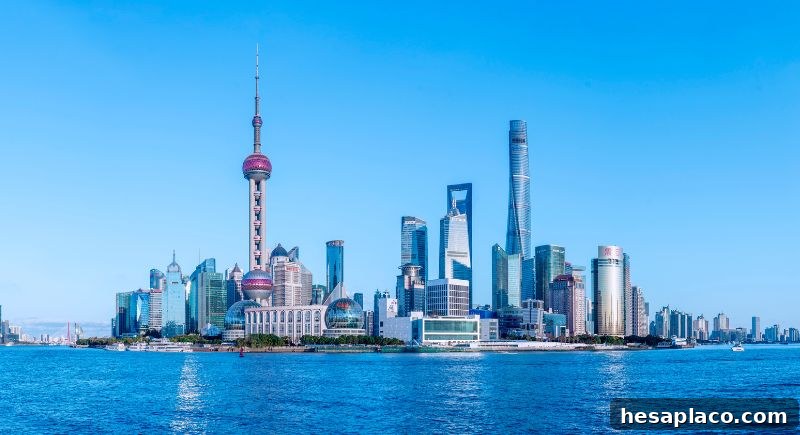
Credit: pixabay
Shanghai hosts one of Asia’s largest concentrations of millionaires. The city’s mix of restored heritage districts and modern financial and tech centers reflects long-standing commercial traditions and consistent investment. This balance of heritage and innovation has woven wealth into the urban fabric in ways that are visible but rarely ostentatious.
Beijing
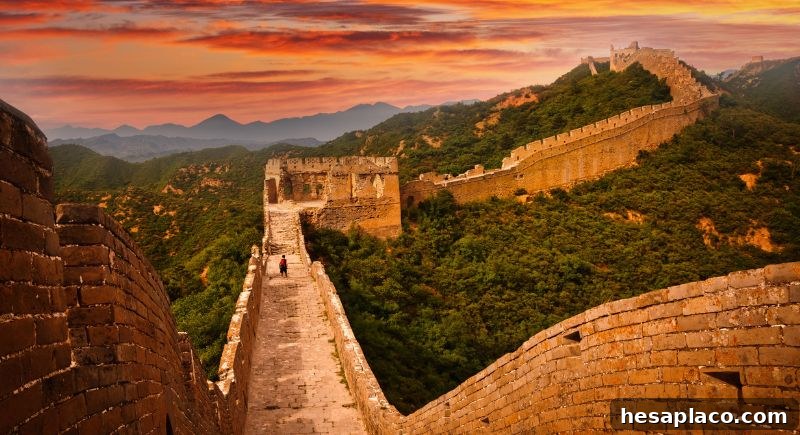
Credit: Getty Images
Beijing’s wealth profile has expanded rapidly. With well over 125,000 millionaires and dozens of billionaires, the city has become an important economic hub in addition to its political role. Major e-commerce companies and a thriving startup scene have helped catalyze private wealth accumulation and sharpen Beijing’s influence in finance and technology.
Hong Kong
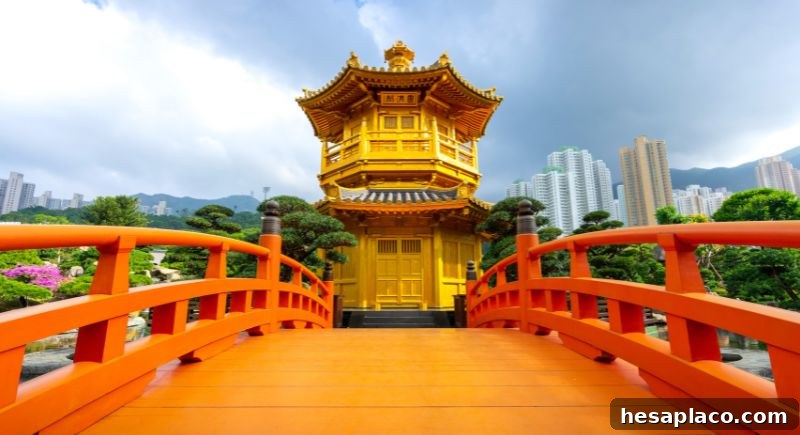
Credit: Getty Images
Despite periodic economic and political headwinds, Hong Kong remains a central node in global finance. Its infrastructure for capital movement, deep financial markets, and international networks help sustain its wealthy population. While growth may ebb and flow, the city’s capacity to attract and mobilize wealth endures.
Sydney
Credit: pexels
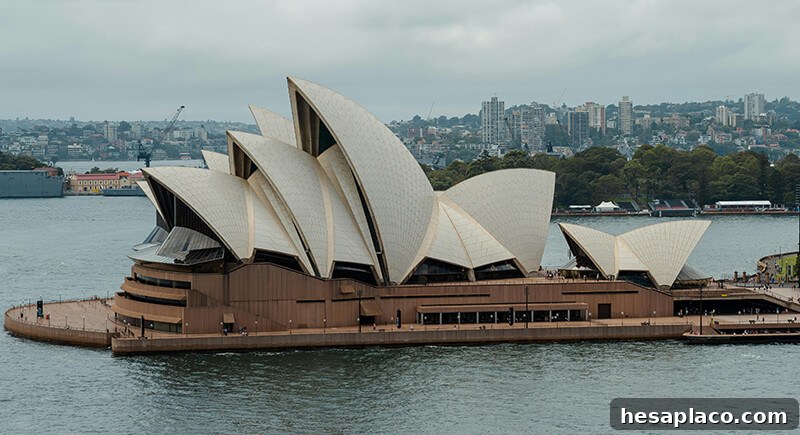
Sydney’s wealthy cohort has expanded significantly in recent years, driven by real estate, finance, and tourism. The city boasts a sizable population of millionaires and a notable number of centimillionaires and billionaires. Affluent suburbs and exclusive precincts have long attracted domestic and international high-net-worth residents, reinforcing Sydney’s reputation as a favored address for wealth.
Paris
Credit: Getty Images
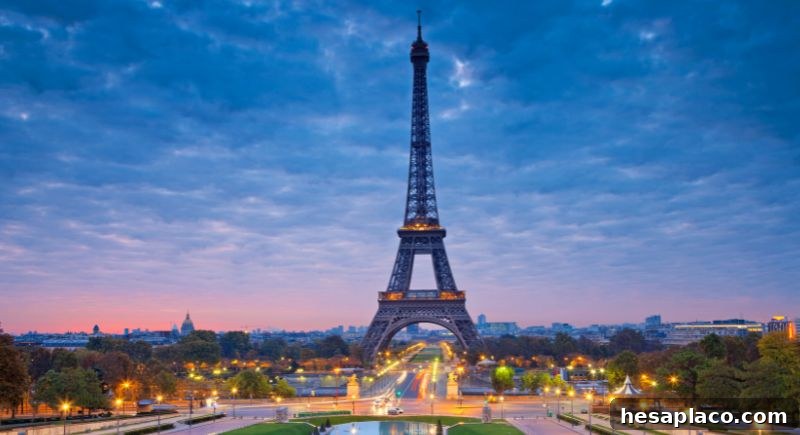
Paris is often associated with luxury and fashion, but its wealthy residents also build fortunes in finance, technology, and international trade. The city’s ecosystem includes luxury conglomerates as well as fintech and asset-management firms, creating diverse pathways to wealth beyond high-end consumer brands and boutiques.
Los Angeles
Credit: pixabay
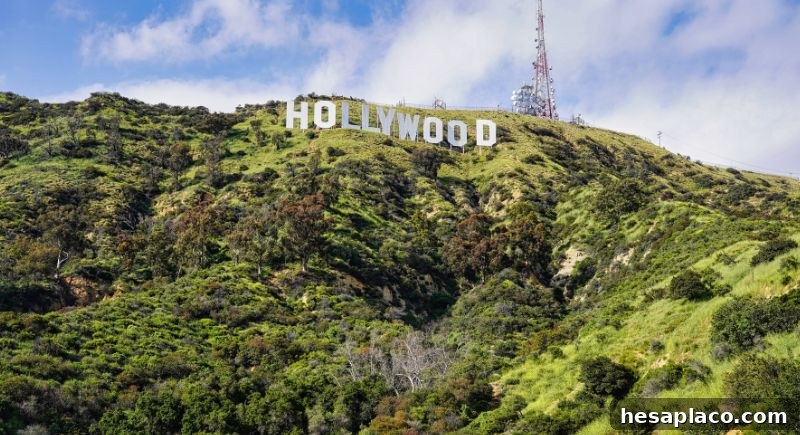
While Hollywood remains an emblem of wealth, Los Angeles’s fortunes now span technology, venture capital, and real estate. The city’s millionaire population continues to grow, reflecting diversified sources of income that include digital media, tech ventures, and traditional entertainment. Wealth in L.A. mixes creativity with capital and often reinvests in the region’s evolving industries.
London
Credit: flickr
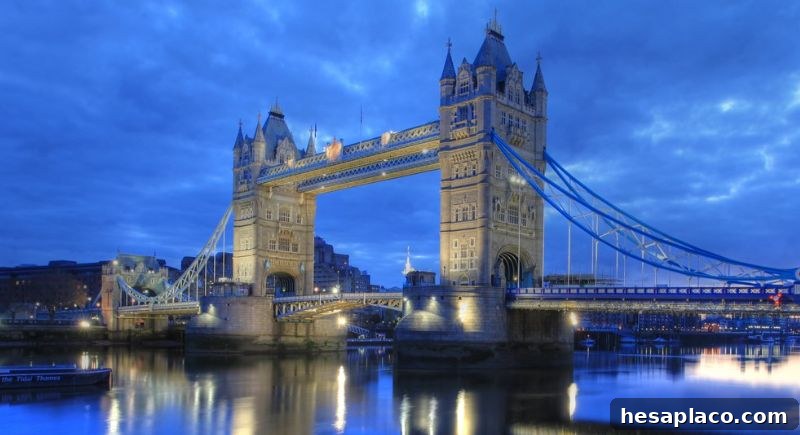
Despite a decline in millionaire numbers over the past decade, London remains a major locus for global wealth. The city’s financial districts, international property market, and professional services continue to draw investors and high-net-worth individuals. London’s deep capital markets and global connections keep it among the world’s top destinations for private wealth.
Singapore
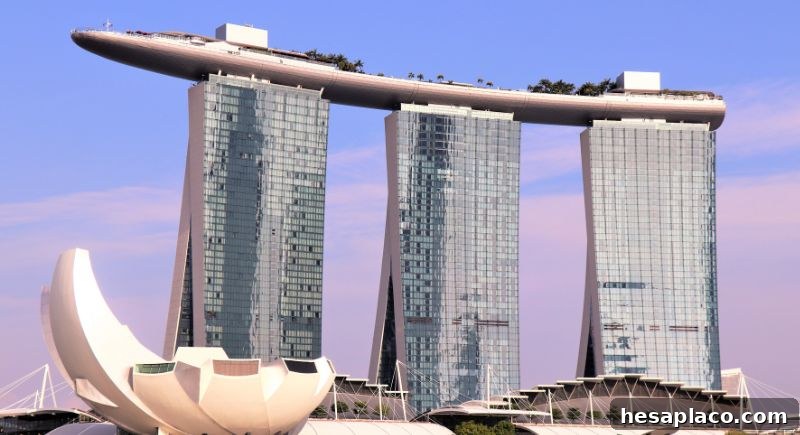
Credit: pexels
Singapore’s pro-business regulatory framework and strong financial services sector have attracted large numbers of high-net-worth residents. Recent migration of millionaires, combined with favorable tax policies and advanced banking infrastructure, has reinforced the city-state’s appeal as a regional and global wealth hub.
Tokyo
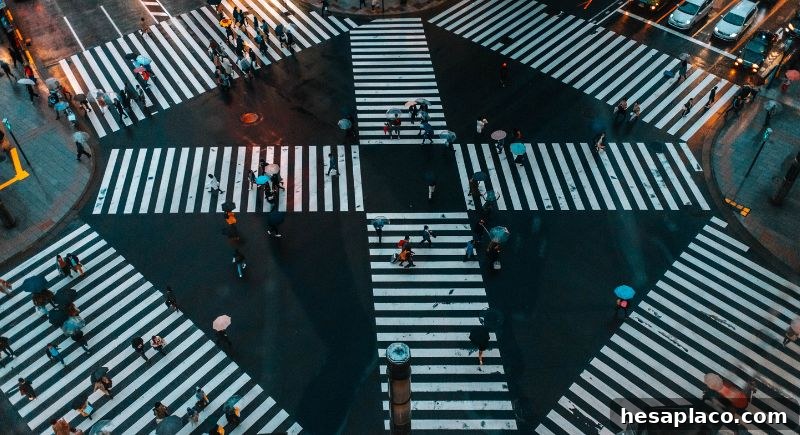
Credit: pexels
Tokyo holds a vast concentration of private wealth without overt display. Its economy is supported by major industrial and technology firms, and the city counts a very large number of millionaires. Tokyo’s financial and corporate stability contributes to steady wealth accumulation and conservative, long-term capital management.
Bay Area
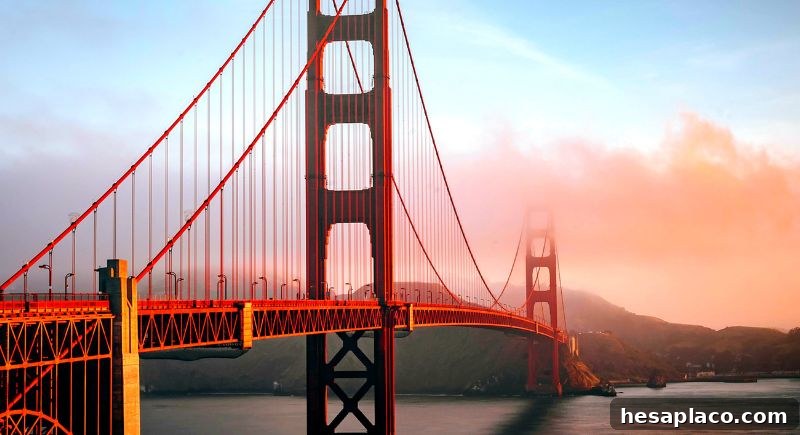
Credit: pexels
The Bay Area remains synonymous with tech-driven wealth creation. With hundreds of thousands of millionaires and dozens of billionaires, the region’s wealth springs from startups, venture capital, and major technology platforms. A culture of entrepreneurship and successful platform-building has produced concentrated high-net-worth populations across Silicon Valley and nearby communities.
New York City
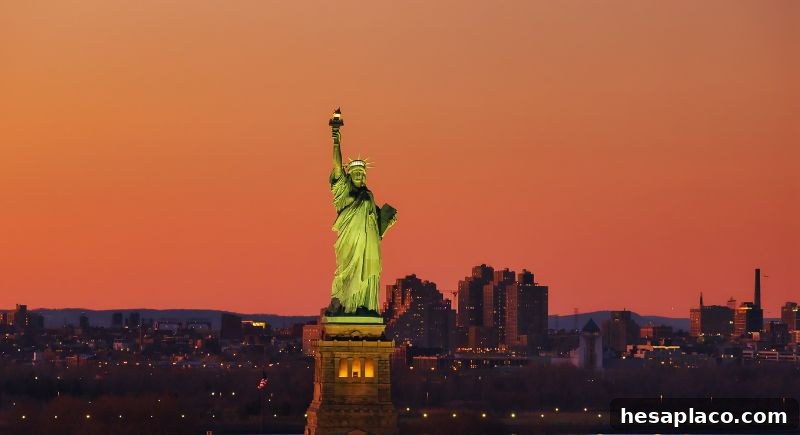
Credit: pexels
New York City leads in resident wealth and the number of millionaires. With hundreds of thousands of high-net-worth residents and trillions in aggregate wealth, the city remains a global financial powerhouse. Wall Street anchors the ecosystem, but finance is joined by fashion, media, and technology as pillars that sustain New York’s dominant position in global private wealth.