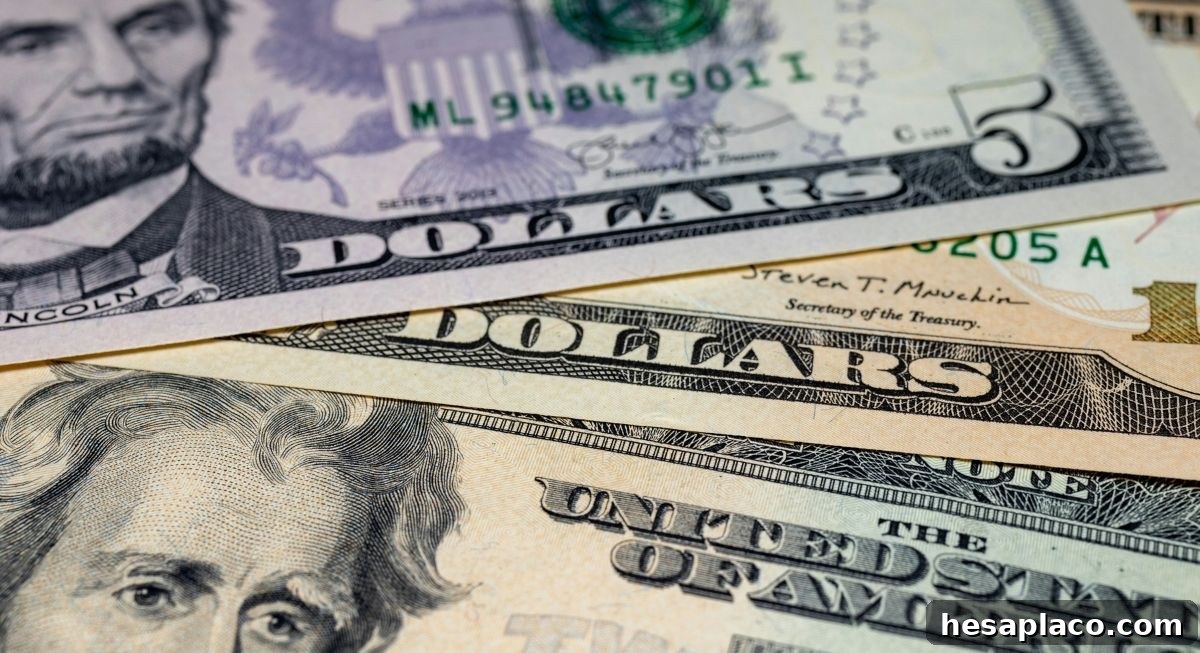
Hand someone a ten-dollar bill and most people will say you handed them ten bucks. It sounds casual, quick, and natural—embedded in everyday speech: gas is four bucks a gallon, burgers go for six bucks, movie tickets cost twelve. That familiar slang has a rougher origin: it traces back to the frontier and to something wild, traded, and skinned.
Trade Before Paper Money
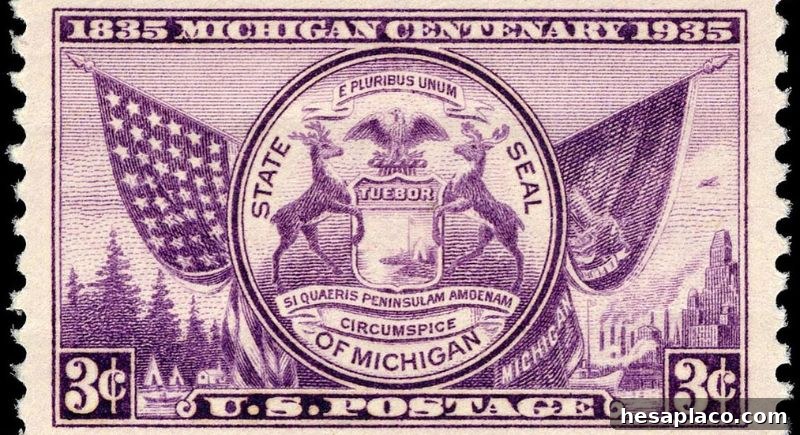
Image via Wikipedia/U.S. Post Office
In colonial North America, deer were an important part of daily life and the local economy. Deer hides—called buckskin—were commonly traded for goods, services, and supplies that people couldn’t produce themselves. Buckskins were not formal currency, but in a world where coins were scarce and paper money didn’t yet exist, they had real value. In many frontier communities, especially in regions that later became states such as Michigan, a buckskin could stand in for a dollar. Not formally, but often enough that people began referring to trade value as “bucks.”
One early written example supports this link. In 1748, Pennsylvania Dutch trader Conrad Weiser recorded a transaction referring to “five bucks’ worth of whiskey,” meaning five deer hides. That entry is among the oldest surviving written references linking “buck” to trade value. Across settlements that relied heavily on barter, buckskins turned up repeatedly as a medium of exchange for everyday transactions.
How the Word Survived the Shift
Image via Unsplash/Dan Dennis
When the United States later formalized its currency system and the dollar became the official unit of value, the habit of saying “buck” persisted. Spoken language often outlasts changes in formal institutions; people had already associated “buck” with spending power, so the term carried forward even as banks and minted coins standardized monetary value.
By the mid-19th century, written usage reflected what people were already saying aloud. An 1856 issue of the Democratic State Journal in California reported someone being robbed of “twenty bucks,” a citation often noted by lexicographers. The Oxford English Dictionary identifies this as an early printed example of “buck” meaning a dollar. From that point, the term spread more widely through newspapers, magazines, and everyday conversation.
Another proposed origin links “buck” to “sawbuck,” a nickname for a ten-dollar bill. The sawbuck theory points to the Roman numeral X on early ten-dollar notes, which resembles the crossed logs of a sawbuck—an old chopping frame—suggesting that “sawbuck” was shortened to “buck.” While that explanation circulated later, it doesn’t displace the older buckskin theory, which appears in texts from the 1700s and aligns with practical frontier trade practices.
Buckskins Meant Business

Image via Unsplash/Anthony
To appreciate why buckskins became a unit of exchange, picture their practical uses: they were durable, versatile, and in demand. Deer hides were fashioned into clothing, footwear, bags, and tools. In an era when trade was physical and coins were rare, high-quality hides represented stored value people could trade or use directly. The worth of a buckskin could vary with thickness and condition, but their usefulness made them a trusted medium for transactions long before banks reached every frontier settlement.
More Than Slang, It’s a Fixture
Over time, “buck” moved beyond literal money talk and into idioms and expressions that shape modern English. “Make a fast buck” describes quick profit; “bang for your buck” refers to good value; “pass the buck” shifted from a dealing token in poker to the act of avoiding responsibility. In 19th-century poker games, a marker—often made of buckhorn—showed whose turn it was to deal. Passing that marker was “passing the buck,” and the phrase gradually came to mean passing along responsibility or blame.
Even in professional finance, “buck” adapts to context. On trading desks, traders sometimes refer to a “buck” in shorthand for a million-dollar trade, so expressions like “half-buck” or “a full buck” can mean hundreds of thousands or a million, depending on the environment. Context determines whether “buck” means a single dollar or a much larger amount.
A Word That Stuck Around
Not every money-related slang endures, but “buck” has proved resilient. It appears in popular culture, music, casual speech, and workplace banter because it’s short, familiar, and friendly where “dollar” can sound formal. Few people ask, “Lend me five dollars” when splitting a bill; they say, “Lend me five bucks.”
Other money nicknames have also entered English: “greenbacks,” coined during the Civil War era when the government printed bills with green ink; “bread” or “dough,” metaphors tied to earning a livelihood; and newer terms like “cheddar” or “clams,” which have less certain origins. Still, none have replaced the simple, centuries-old “buck.”
So the next time someone says they spent twenty bucks on takeout, remember there’s a story behind that word—one that stretches from deer hides and frontier barter to printed newspapers and modern finance. A plain, everyday term carries a small piece of history with it.