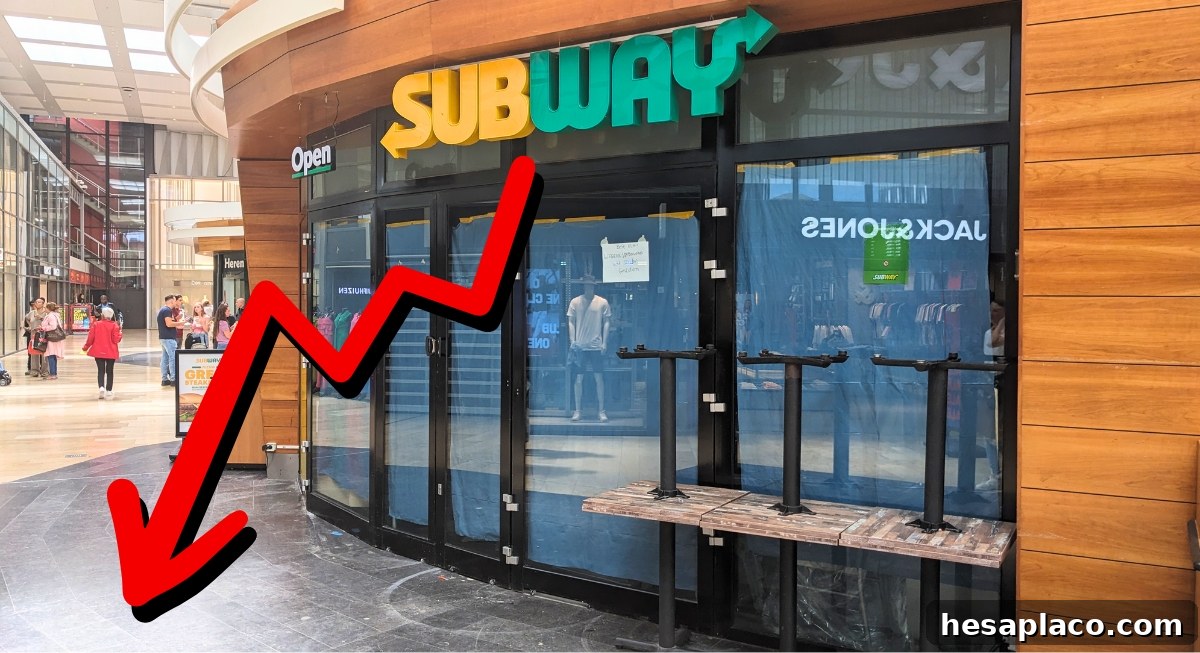
Subway was once the ubiquitous sandwich chain, popping up on nearly every corner, but its momentum faded over the past two decades. A series of strategic missteps, leadership problems, and slow responses to changing consumer preferences contributed to the brand’s decline. Below is a clear, SEO-friendly summary of the major errors that weakened Subway’s position in the market.
Putting Jared Fogle on a Pedestal
Credit: Wikimedia Commons
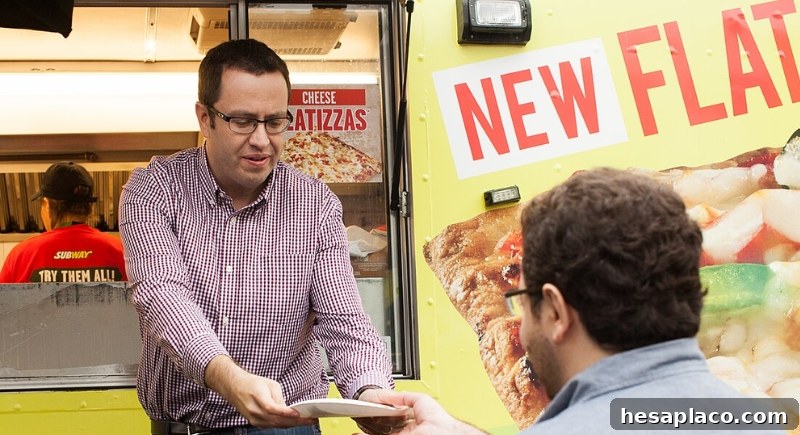
Subway chose Jared Fogle as a high-profile spokesperson because of his dramatic weight-loss story tied to the brand. After his arrest and conviction for serious crimes, Subway’s public response was weak and limited, leaving lasting reputational damage. The brand’s slow or insufficient distancing from the scandal undermined customer trust.
Failure to Act Quickly

Credit: Wikimedia Commons
Reports later suggested Subway had received troubling complaints about Fogle before the scandal became public. The lack of a decisive, transparent response and apparent prior knowledge compounded the brand’s problems, creating a deeper and longer-lasting reputational stain.
Over-Saturating the Market With Locations
Credit: Wikimedia Commons
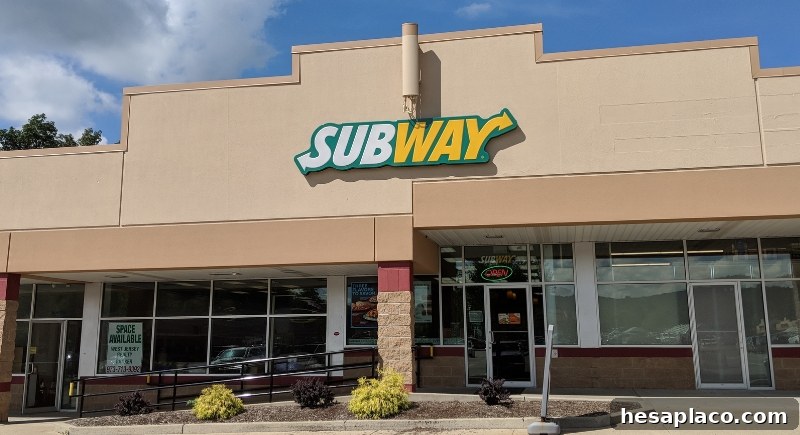
At its peak, Subway had more global outlets than many rivals. Aggressive expansion and franchise rules encouraging nearby openings led to market cannibalization. Instead of increasing profitability, overcrowding reduced margins for franchisees and eroded the perceived value of each location.
Ignoring Menu Innovation
Credit: Wikimedia Commons
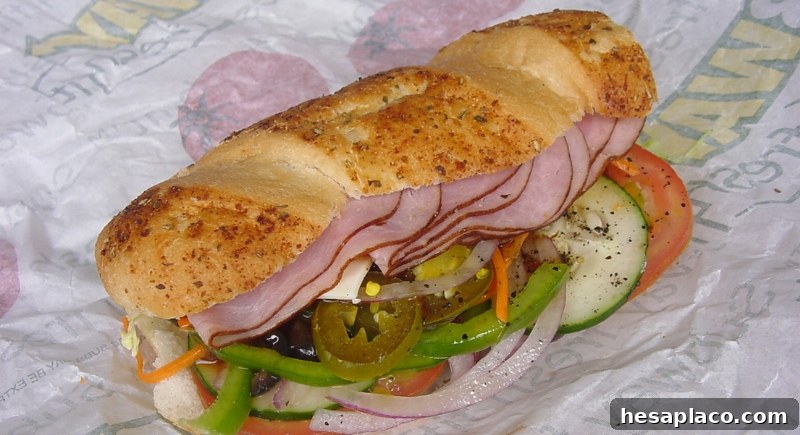
While consumer interest shifted toward fresh, organic, and ethically sourced ingredients, Subway kept many core offerings largely unchanged. That reluctance to innovate contributed to a notable sales decline in 2014 and allowed competitors with fresher-sounding menus to attract customers.
Lagging Behind on Drive-Thrus
Credit: Wikimedia Commons
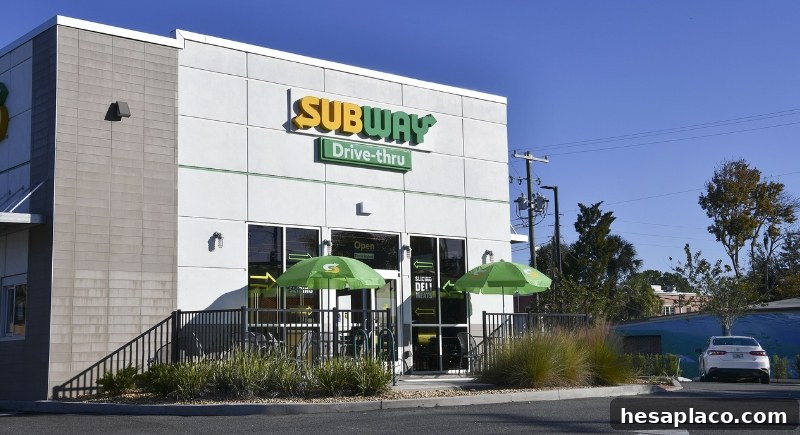
Drive-thru availability was limited across the chain, with a small fraction of U.S. stores offering the convenience customers increasingly expected. As competitors invested in faster, more accessible service models, Subway’s slower adoption of drive-thru and digital ordering options reduced its competitive edge.
Falling Short With the $5 Footlong Fiasco
Credit: Reddit
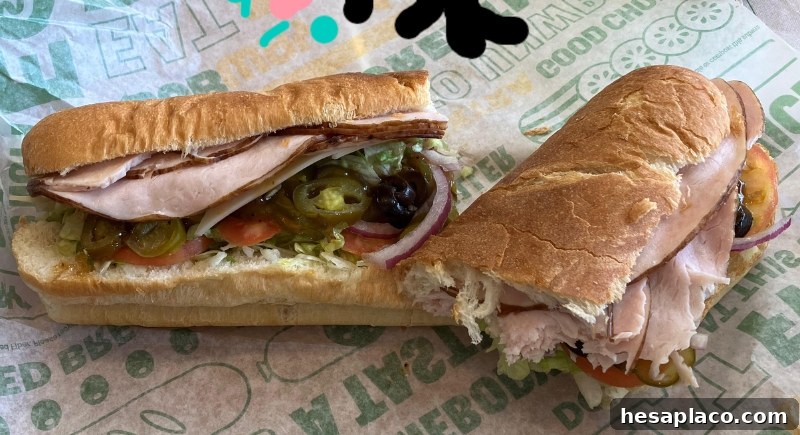
The $5 Footlong was a successful promotion for years but became unsustainable. Price changes and inconsistent promotional enforcement frustrated customers and franchisees alike. Later discounts and limited-time offers failed to restore the clarity and trust the original promotion once provided.
Messy Leadership Transitions
Credit: Wikimedia Commons
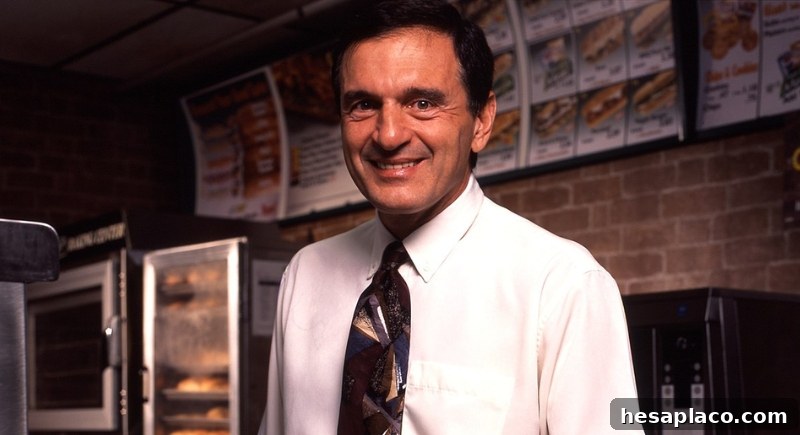
Following the founder’s death, Subway lacked a smooth succession plan. Conflicting visions among key stakeholders created instability at a critical time, and the resulting leadership confusion coincided with a period of store closures and strategic drift.
Falling Behind on Meat Standards

Credit: Getty Images
As competitors adopted antibiotic-free or higher-quality protein options, Subway was slower to upgrade its meat standards. That lag left customers associating the brand with overly processed ingredients rather than the “fresh” image it had promoted for years.
The 11-Inch Footlong Scandal
Credit: Reddit
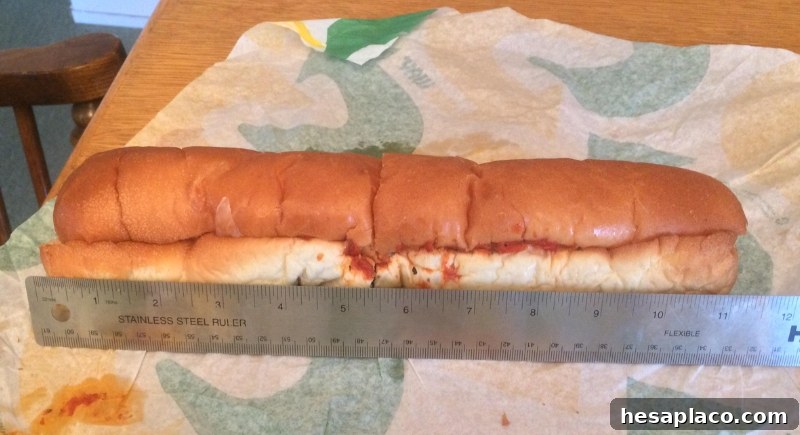
A high-profile lawsuit alleged Footlongs were sometimes shorter than advertised. Even though follow-up coverage suggested most sandwiches met the full length, the controversy stuck in public memory and damaged trust in the brand’s honesty.
Failure to Build Emotional Loyalty
Credit: Wikimedia Commons
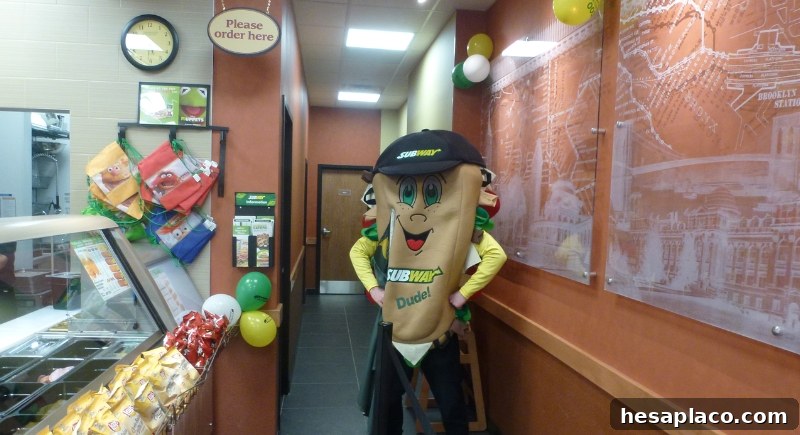
Subway never developed the deep emotional connections with customers that other chains cultivated through nostalgia, community engagement, and family-friendly marketing. Without those bonds, it was easier for customers to switch to newer, trendier competitors.
Disastrous Ad Campaigns

Credit: Getty Images
Several ad campaigns drew criticism for tone-deaf content. Misjudged messages prompted public backlash and awkward apologies, further undermining the company’s brand image and making it harder to reconnect with disaffected customers.
A Loyalty Program that Took Forever
Credit: Wikimedia Commons
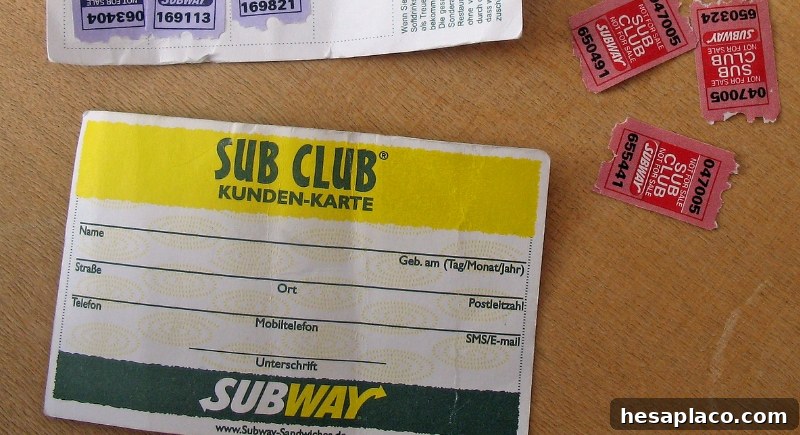
Subway canceled an early rewards card and then took years to roll out a modern loyalty program. By the time a replacement arrived, results were mixed: new customers were attracted, but many longtime patrons remained unimpressed by the benefits.
Misreading the Market’s Budget Shift

Credit: Getty Images
Subway aimed at budget-minded diners but struggled as those consumers either chose higher-quality fast-casual options or made meals at home. The chain failed to sufficiently reposition itself to match evolving expectations for quality and value.
Too Slow to Fix Store Quality
Credit: Wikimedia Commons
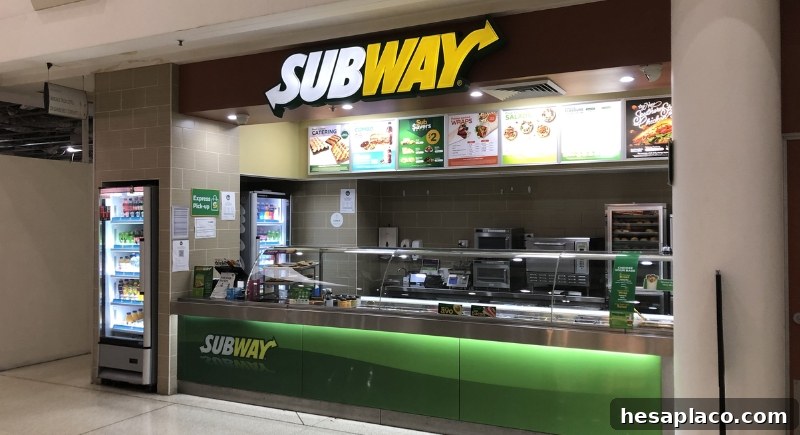
Varying standards across franchise locations led to inconsistent customer experiences. When cleanliness, service, or food preparation quality faltered at individual stores, the broader brand reputation suffered. The lack of consistent oversight contributed to customer attrition.
Tanking Sales Despite High Store Count

Credit: Getty Images
In 2014, Subway experienced one of the steepest sales declines among large fast-food chains despite having a very large number of locations. Overexpansion had been mistaken for strength, and when customer preferences shifted toward more modern, relevant alternatives, Subway’s vast footprint did not prevent declining traffic and store closures.
Overall, Subway’s fall from dominance reflects a combination of reputational crises, strategic errors, and slow adaptation to shifting consumer tastes. Recovering requires decisive leadership, menu innovation, improved operations, and renewed efforts to restore customer trust and emotional loyalty.