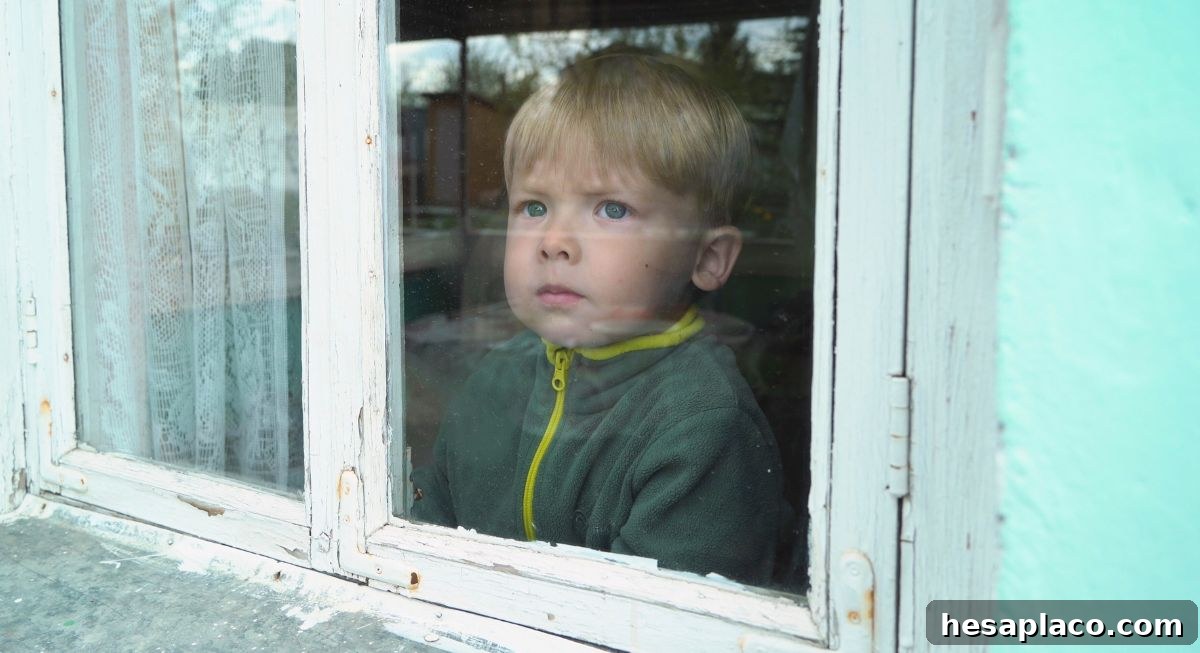
Navigating a childhood shaped by financial constraints often leaves lasting marks that influence behavior and outlook well into adulthood. From creatively repurposing containers to scanning menus for the cheapest options, the 18 signs below illustrate the resourcefulness, resilience, and communal values that can emerge from growing up with less. These habits are not just relics of scarcity; they’re practical strategies and emotional legacies that help people make the most of limited resources.
Cheap on Everything

Credit: freepik
Growing up with limited means often turns shopping into a strategic activity. Brand names take a back seat to generics, and clearance sections are scoured for hidden bargains. Coupons, sales, and loyalty offers become regular tools for stretching a budget. It’s not cheapness for its own sake—it’s a disciplined approach to getting the most value for every dollar spent.
You Eat All the Foods

Credit: flickr
When resources are tight, every meal matters. Leftovers are appreciated and rarely discarded. Growing up in a frugal household teaches respect for food—nothing is wasted, and even small portions are valued. That habit often persists, with people habitually finishing their plates and finding creative ways to repurpose leftovers.
You Are Handy and Fix Things

Credit: flickr
When hiring help isn’t an option, learning to repair and maintain becomes essential. People raised in financially constrained homes often develop strong DIY skills—fixing leaky faucets, stitching clothes, or troubleshooting appliances. These abilities foster independence and a mindset that values solutions over expense.
Saving Condiments From Restaurants

Credit: flickr
A fridge stocked with a variety of condiment packets is a small sign of thriftiness and practicality. Those tiny sauce and seasoning packets from takeout or fast-food meals get saved and reused, giving homemade dishes a boost without added cost. It’s a modest example of stretching resources and avoiding waste.
Hoarding Food
Credit: Wikimedia Commons
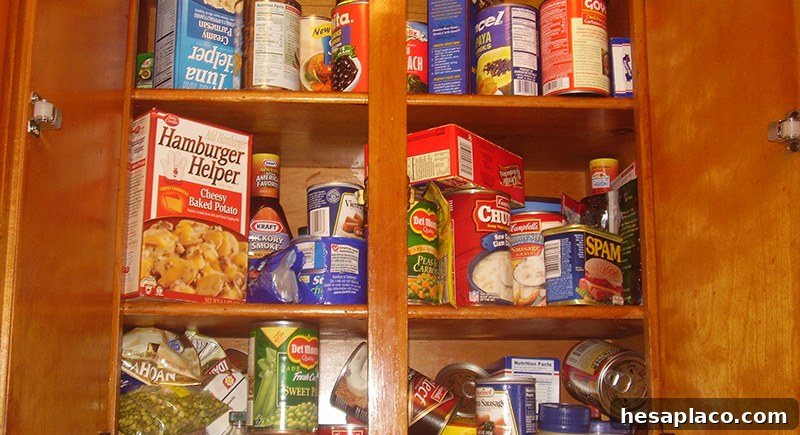
Maintaining a well-stocked pantry feels like security to those who experienced financial instability. Buying extra staples when possible, preserving them carefully, and keeping backups of essentials are common habits. These practices reduce anxiety about future shortages and provide a tangible sense of preparedness.
Saving Old Containers
Credit: flickr
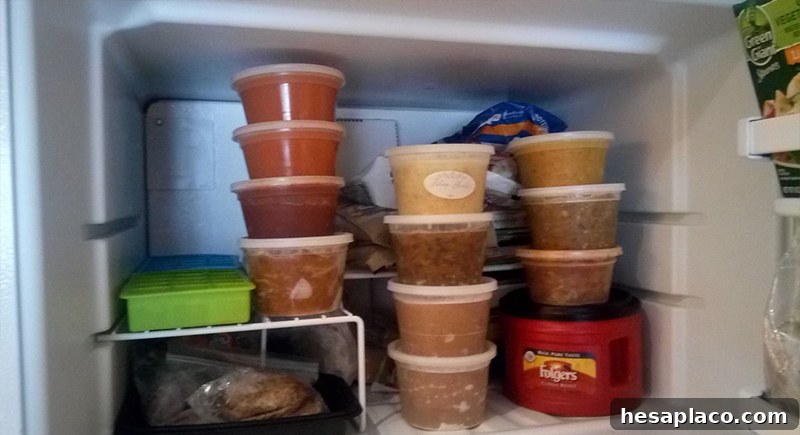
Repurposing jars, tubs, and boxes is a practical way to save money and reduce waste. Containers that would otherwise be tossed become useful organizers or storage for leftovers and small household items. This habit reflects both environmental mindfulness and practical thrift.
Reading Weekly Grocery Circulars

Credit: pexels
Checking weekly ads and grocery flyers is a time-honored method for maximizing savings. Planning meals around sales and using coupons strategically helps families stretch their budgets further. This habit often becomes a routine that pays off in consistent, smaller expenditures rather than occasional costly purchases.
Fixing Dental Issues as Adults

Credit: pexels
Dental care can be expensive, so preventive visits are sometimes postponed. As a result, many people who grew up with limited resources address dental problems later in life when finances allow. Investing in dental health then becomes a priority for comfort and self-confidence.
Using Bread for Hot Dog Buns

Credit: flickr
When specialized items are more expensive, simple substitutions are common. Using regular sliced bread instead of hot dog buns saves money and works perfectly well. It’s a small example of practical decision-making that prioritizes value over tradition.
Guilty About Buying Things You Don’t Need

Credit: iStockphoto
The habit of feeling guilty after making a nonessential purchase is common among those who learned to be frugal early on. Even with more comfortable finances, the instinct to avoid waste and maximize utility lingers. That internal check helps prevent impulsive spending and keeps budgets stable.
Keeping Duplicates of Essentials
Credit: Wikimedia Commons
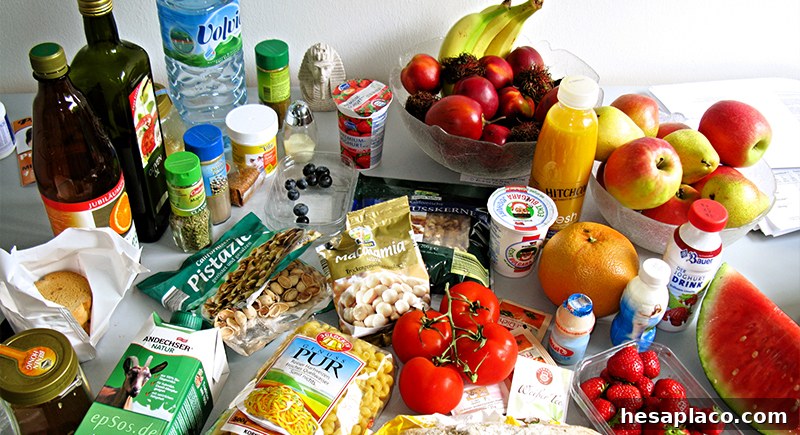
Having backups of important items—extra toiletries, batteries, or pantry staples—can be a comforting habit. This redundancy prevents emergency purchases when stores or funds are unavailable. It’s a practical approach to reducing risk and anxiety about supply shortages.
Wearing Clothes Until They Are Worn Out

Credit: iStockphoto
Stretching the life of clothing is an obvious sign of frugality. Rather than replacing outfits frequently, items are worn until they no longer serve their purpose. This approach minimizes unnecessary spending and emphasizes function over fashion.
Avoiding Debt at All Costs

Credit: pexel
Many people raised with financial uncertainty develop a strong aversion to debt. The fear of not being able to meet payments creates a conservative approach to borrowing. While some use credit strategically, those with a scarcity background often prefer to avoid debt and build savings instead.
You Enjoy Getting Free Samples
Credit: flickr
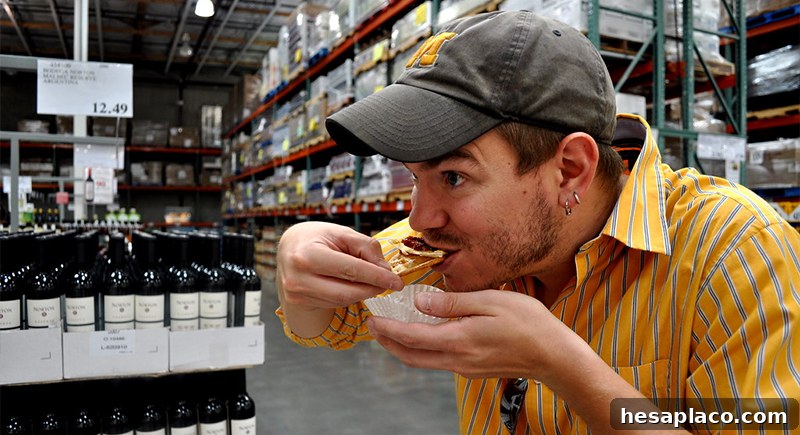
Accepting free samples or small giveaways can feel especially satisfying when every saving counts. It’s a harmless pleasure and a reminder that small benefits add up. This tendency to appreciate even modest freebies often continues as a low-effort way to reduce costs.
You Have Mastered Return Policies

Credit: pexels
Understanding how to return or exchange purchases is a valuable skill when money is tight. Ensuring that every buy meets expectations—and promptly returning what doesn’t—prevents unnecessary losses. This vigilance protects limited funds and encourages smarter consumption.
Avoiding Expenditure

Credit: pexels
Even after financial situations improve, a reluctance to spend can remain. This cautious mindset is a protective mechanism that keeps people prepared for future uncertainties. The discipline of saving and minimizing unnecessary expenses becomes a habitual form of financial security.
You Are Excessively Generous
Credit: pexels
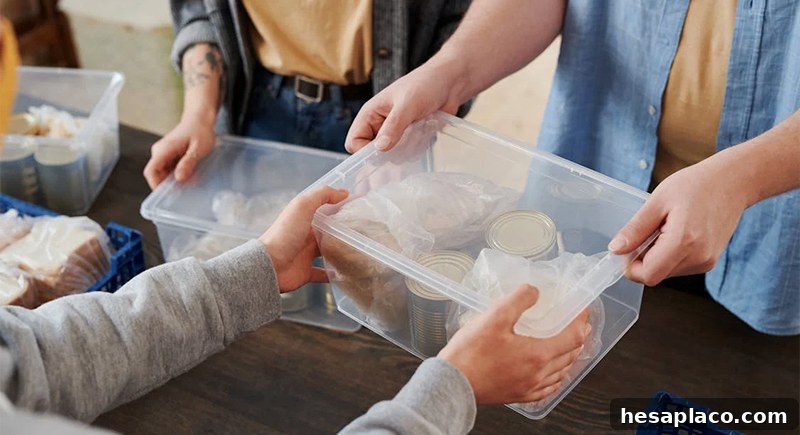
Paradoxically, growing up with little can make people deeply generous. When community and mutual support were essential, sharing became a treasured value. This tendency to give what you can—time, food, or money—stems from empathy and an understanding that collective support helps everyone get by.
You Scan the Menu for the Cheapest Meals

Credit: freepik
When dining out, people who grew up budgeting carefully often instinctively search for the best value. Choosing reasonably priced menu items allows for occasional treats without breaking the bank. These budget-friendly selections can be surprisingly satisfying and demonstrate that enjoyable meals don’t always require high spending.
Taking Three Buses to Save Ten Bucks

Credit: freepik
Choosing a longer, more complex route to save money is a familiar trade-off for those who learned to prioritize cost over convenience. Whether it’s making multiple bus transfers or planning trips around cheaper options, the effort is worth the savings. Over time, this turns into a practical expertise in logistics and public transit.
Waiting for Sales Before Buying Anything

Credit: freepik
Paying full price rarely feels justified to someone who grew up waiting for markdowns and clearance events. Practicing patience until a desired item is discounted helps avoid impulse purchases and keeps spending disciplined. That anticipation—waiting for the sale—becomes a small, earned pleasure.
These behaviors are more than quirks; they are practical responses to financial constraint that often become lifelong habits. While they reflect the toughness of childhood scarcity, they also reveal strengths: ingenuity, careful planning, generosity, and resilience. Those lessons can continue to inform thoughtful decisions and create stability long after circumstances change.