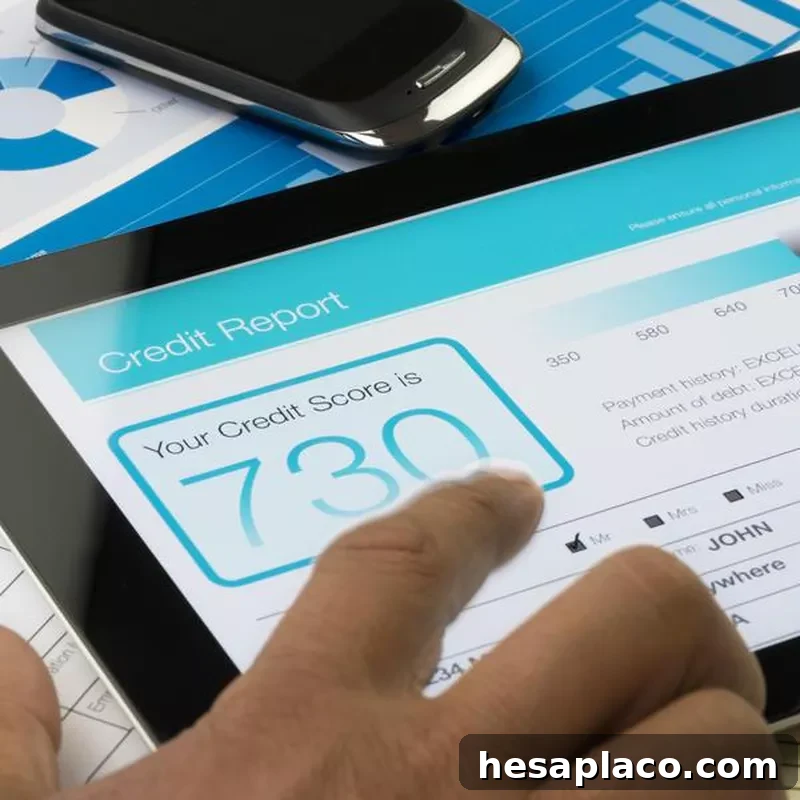
Your credit score is the key number that affects your ability to get a car loan, a mortgage, or a new credit card — and it also determines how much those loans will cost. Generally, the higher your credit score, the lower the interest rate you’ll be offered and the less you will pay to borrow.
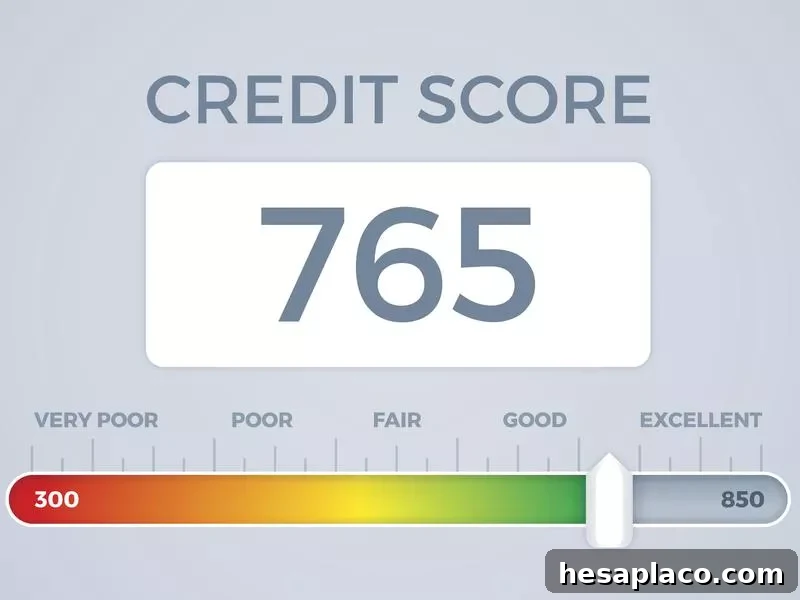
Understanding your credit score involves more than knowing that scores range from roughly 300 to 850 and that higher is better. It also means knowing how to access your score, how to spot and dispute inaccuracies, how to monitor changes, and which practical steps you can take to improve it over time.
Credit Score Basics
Getty Images
What Is a Credit Score?
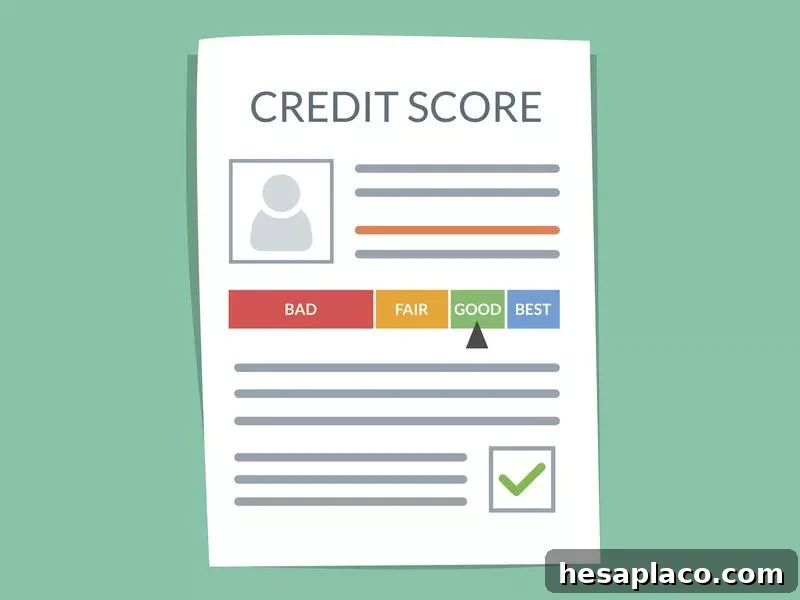
A credit score is a numerical summary designed to predict how reliably you’ll repay borrowed money. The most widely recognized credit score was developed by the Fair Isaac Corporation and is known as a FICO score. Major credit bureaus — Experian, Equifax, and TransUnion — use FICO’s model (or similar scoring models) on data collected from different lenders, so your score can differ between bureaus by as much as 50 points.
Where Can I Find My Credit Score?
Consumers are entitled to a free credit report from each of the three major credit bureaus once every 12 months. In addition, many services and financial institutions offer more frequent score access and credit monitoring, often for free or via paid subscriptions. Regularly checking these reports helps you stay on top of your credit picture.
How Valuable Is a Good Credit Score?
A higher credit score can save you thousands over the life of a loan through lower interest rates. For example, an excellent score that earns a lower mortgage rate can reduce monthly payments and total interest paid significantly compared with a more average score. The same principle applies to auto loans and credit cards: better scores usually mean lower rates. Scores below certain thresholds make borrowing difficult or more expensive — for instance, many lenders are reluctant to approve conventional mortgages for borrowers with scores under about 620.
Check More Than the Score
Knowing the numeric score is useful, but the full report that accompanies it contains the details that determine that number. Credit reports often contain errors — accounts belonging to someone with a similar name, incorrect addresses, wrong Social Security numbers, or inaccurately reported delinquencies. If you find mistakes, report them to the bureau immediately; they are required to investigate and respond, typically within 30 days. One study found errors on a high percentage of consumer credit reports, and many of those errors can meaningfully lower a score.
Your Credit Report as an Identity Theft Defense
Regularly reviewing your credit reports is also one of the best ways to detect identity theft. Many paid identity-theft services simply monitor changes to your credit files; you can accomplish this yourself for free by checking your reports periodically. If you find fraudulent accounts, contact the credit bureaus and the companies where accounts were opened, and consider filing a police report to document the crime.
How Late Payments Affect Your Credit Score
Payment history is the largest single factor in most scoring models, accounting for up to about 35 percent of a FICO score. Late payments — whether 30, 60, or 90 days overdue — can have a substantial negative impact and remain on your credit report for up to seven years. To avoid missed payments, consider setting up autopay through your bank, using payment reminder tools, or choosing credit cards that allow a one-time late payment forgiveness. Building and maintaining a record of on-time payments is the fastest way to improve and protect your score.
The Second Big Factor: Credit Usage
Credit utilization — the percentage of available revolving credit you’re using — typically accounts for around 30 percent of a credit score. Lenders generally prefer to see utilization below 30 percent, and the highest scores often come from utilization below 10 percent. If you consistently use most of your available credit, your score will suffer even if your total debt hasn’t increased.
Practical ways to manage utilization include paying balances more than once a month or making small regular charges and paying them off promptly. Be cautious about consolidating balances to a single card and closing others: that can raise your utilization ratio and hurt your score even if your total debt stays the same.
Don’t Close Your Old Accounts
Length of credit history makes up a meaningful portion of your score. Keeping older accounts open (especially those with no annual fee) preserves available credit and the average age of your accounts, both of which help your score. If you won’t use a card, you can destroy the physical card but keep the account open. To prevent issuers from closing inactive accounts, make a small purchase occasionally and pay it off each month.
How To Get Around The Multiple Inquiry Clause
Hard inquiries for new credit can lower your score, but scoring models typically treat multiple rate-shopping inquiries (for a mortgage, student loan, or auto loan) within a short window as a single inquiry. Try to complete those applications within a 45-day period to minimize impact. Remember that soft inquiries — like checking your own score or pre-approved offers — do not affect your credit score.
Not All Credit Is Created Equal
Installment loans (mortgages, car loans, student loans) generally look better on a credit report than revolving debt like credit cards, because installment payments are predictable and regular. A healthy credit profile often includes a mix of installment and revolving accounts, managed responsibly. If you rarely use credit, consider maintaining at least some low-cost installment debt or a small, manageable loan to demonstrate reliable repayment behavior.
Only You Can Improve Your Credit Score
Getty Images
There are companies that promise quick credit improvements for a fee, but many of these services have limited long-term benefit. Some firms file repeated disputes that temporarily remove negative items while the bureau investigates, but legitimate derogatory information can reappear once the investigation ends. You can dispute inaccuracies yourself for free, and the only reliable long-term strategy is consistent, responsible credit behavior.
Start Small, Start Soon
Improving a credit score takes time. Begin by making every payment on time. Then focus on paying down debt: start with small balances to reduce the number of accounts with outstanding balances, which can help the utilization and account-mix aspects of your score. Next, tackle larger balances, prioritizing the highest interest rates. Avoid repeatedly shifting debt between accounts without reducing overall balances, since that pattern shows up on credit reports.
Milestones
Set realistic monthly debt-reduction goals and watch for warning signs like missed payments or sudden increases in charges. Regularly check one credit report from a different bureau every four months so you review all three over the year — this approach helps you spot errors or fraud early. Finally, remember that paid-off installment loans with a record of on-time payments remain beneficial on your report, so removing old, positive accounts is not necessary and can sometimes be counterproductive.