
Resigning from a job can be stressful and uncertain, whether it’s your first time leaving or you’ve changed roles many times. You may worry about how colleagues will react, feel tempted to vent about longstanding frustrations, or fear disappointing teammates. Some people want to leave quietly and professionally, while others consider burning bridges. Whatever your instincts, handling your departure thoughtfully will benefit your career and relationships long after your last day.
Leaving gracefully protects your reputation, preserves professional references, and makes the transition easier for your employer and coworkers. Below are practical do’s and don’ts to guide a respectful, strategic exit.
Giving Notice

When quitting a job, it is customary to provide your employer with at least 2 weeks notice. Getty Images
Do: Give at Least Two Weeks’ Notice
Two weeks’ notice remains the widely accepted standard when resigning. Providing appropriate notice increases the likelihood of receiving a positive reference and helps maintain good relations with your employer. Giving notice allows your manager time to begin recruiting a replacement, redistribute responsibilities, and plan any necessary training. Leaving on professional terms preserves future opportunities and goodwill.
Don’t: Phone It In During Your Last Two Weeks
Even if your workload tapers as you wrap up projects, avoid a “senioritis” mindset. Continue to show up, complete responsibilities, and remain engaged. Delivering strong performance through your final day reinforces your professional reputation and ensures you leave with solid references.
Resignation Letter
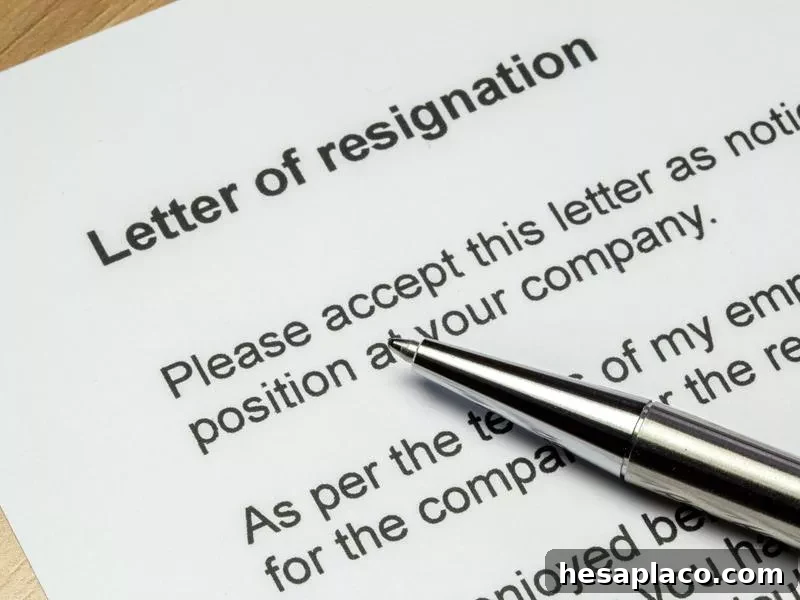
A formal resignation letter can be sent via email. Send the email to your manager and copy the HR department. Getty Images
Do: Provide a Written Resignation
Submit a brief, professional resignation letter—an email is usually fine—that clearly states your intent to resign and your final working day. A written record protects both you and your employer by documenting the timeline and helps HR and payroll process any necessary changes. Treat the letter as a formal business document: concise, factual, and polite.
Don’t: Use the Resignation Letter to Air Grievances
Avoid venting or criticizing in your resignation letter. Save constructive feedback for an exit interview or a private conversation. Keep the letter focused on logistics and a courteous thank-you for the opportunity, even if you plan to share more detailed feedback elsewhere.
Exit Interview

During exit interviews, smart companies ask for constructive feedback that might help them better retain their remaining employees. Getty Images
Do: Prepare for an Exit Interview
If your company conducts exit interviews, approach them thoughtfully. Be ready to explain why you are leaving, what aspects of the role you valued, and where improvements could be made. Offer balanced, constructive feedback—honest but fair. This can help the employer improve retention and demonstrates your professionalism.
Don’t: Unload Hostile Feedback
An exit interview isn’t the time to vent without purpose. Focus on actionable suggestions rather than personal attacks. Delivering feedback calmly and constructively helps protect relationships and maintains your credibility.
Counteroffer

Some companies use counteroffers as a retention tool for top-performing employees. Getty Images
Do: Decide in Advance How You’ll Respond to a Counteroffer
Some employers may present counteroffers—salary increases, bonuses, or new benefits—to persuade you to stay. Before you resign, consider what would make you change your decision and what won’t. If money is the only reason for leaving, a counteroffer might be tempting; if cultural, career-path, or work-life reasons motivate your move, a counteroffer is less likely to resolve those issues. Be prepared to explain your decision clearly and respectfully.
Don’t: Expect a Counteroffer
Don’t assume your employer will counter. While some managers will try to retain valuable employees, many will not, and your decision should not hinge on receiving an offer to stay. Be ready and willing to follow through with your resignation.
Mind Your Workspace

Before leaving on your last day, quietly clear out your desk, delete any personal files from shared folders, and clean up your computer. Getty Images
Do: Leave a Tidy Workspace
Before you depart, clear your desk, organize files, and remove personal items. Clean up shared folders and leave clear notes or documentation for colleagues who will take over your work. Small gestures like an orderly workspace and clear handover notes make the transition smoother and reflect well on your professionalism.
Don’t: Forget to Return Company Property
Return any company-owned equipment—phones, laptops, access cards, or other devices—promptly. Checking these items off your list prevents delays for HR and IT and helps close your exit cleanly.
Transition Time

It’s a good idea to ask your boss what you can do to make your transition easier. Getty Images
Do: Offer to Help With the Transition
Volunteer to train your replacement, prepare handover documentation, and delegate unfinished tasks. Asking your manager what would be most helpful demonstrates commitment to a smooth transition and minimizes disruption for your team.
Don’t: Be Pressured Into Staying Longer Than Agreed
Managers may request that you extend your notice, but you are not obligated to stay beyond the agreed end date—especially if you have accepted another role. If you can provide additional help within the original timeframe, do so; if not, communicate firmly and politely that you must honor your planned start date elsewhere.
Paperwork for the Future

Asking for a recommendation, as a letter or Linkedin notice, can be intimidating – but it’s worthwhile. Getty Images
Do: Request a Written Reference
Ask for a written reference or recommendation from your manager or a senior colleague. Written endorsements are useful to share with future employers and can capture specific achievements that a brief phone call might miss. A formal reference complements verbal checks and strengthens your job search materials.
Don’t: Overlook Final Compensation and Benefits Details
Before you leave, confirm remaining vacation payout, final paycheck timing, health insurance continuation, and retirement account details. Schedule a short meeting with HR to clarify what you’re owed and how benefits will be handled after your departure so there are no surprises.
Exit Strategy

Make a considered decision – then stop second-guessing yourself and enjoy the ride. Getty Images
Do: Be Confident in Your Decision
Make a clear, considered decision before handing in your resignation. Weigh the pros and cons of leaving versus staying so you can commit to your choice without second-guessing. Entering a new role with confidence helps you start strong and reduces stress for both you and your new employer.
Don’t: Badmouth Your Former Employer
Avoid speaking negatively about your previous employer in public or professional settings. Industry networks are often smaller than they seem, and negative comments can damage your reputation more than anyone else’s. Maintain discretion and professionalism—this preserves relationships and future opportunities.
How you leave is as important as why you leave. Following these guidelines will help you exit thoughtfully, protect your professional reputation, and make the transition smoother for everyone involved. A respectful departure pays dividends for your career and keeps doors open for the future.