
Credit scores, the three-digit numbers that typically range from 300 to 850, play a crucial role in your financial life. A score above 750 usually opens doors to loan approvals and the lowest interest rates available. A score below 650 can mean higher interest rates or even difficulty getting credit at all.
No matter where your score stands today, there are reliable steps you can take to improve it. There are no legitimate quick fixes; services promising instant results often charge fees and may use questionable practices. Repairing and raising your credit takes time, discipline, and consistent action. This guide outlines practical, proven strategies to help you rebuild and strengthen your credit profile.
Looking to buy a home? Check out BEX Realty to search real estate listings, find condos and homes for sale, and work with their realtors and concierge service throughout the home buying process.
Read Your Credit Report Carefully
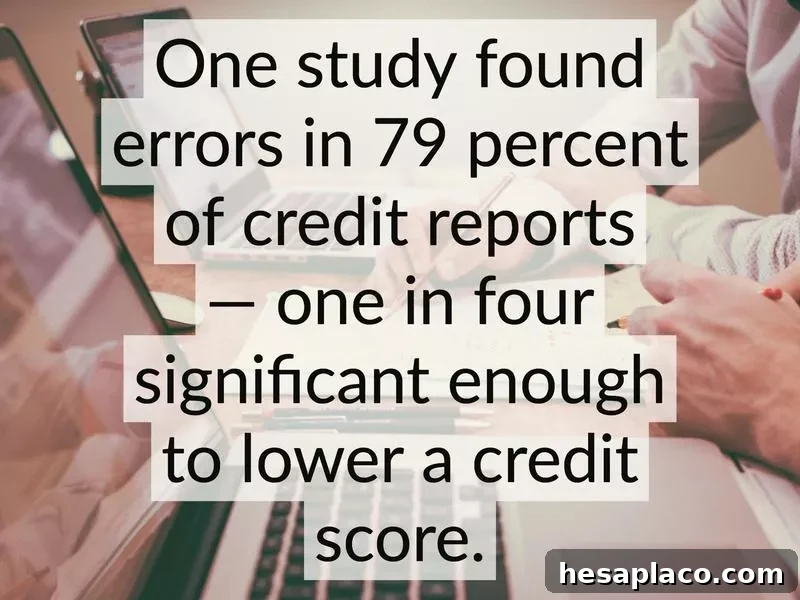
Start by requesting and reviewing your credit reports from the three major credit bureaus. You are entitled to one free report from each bureau annually. Errors on credit reports are common, so inspect yours closely for inaccuracies—accounts you never opened, incorrect addresses, wrong birthdate or Social Security number, or inaccurately reported delinquencies.
If you find an error, file a dispute with the reporting bureau immediately. They must investigate and respond, usually within 30 days. Studies have shown a high incidence of mistakes on credit reports, and many of those errors can significantly lower a consumer’s score. Correcting inaccuracies is a key first step in repairing credit.
Pay Your Bills On Time

Payment history is the most influential factor in most credit scoring models. A consistent record of on-time payments builds trust with lenders, while missed or late payments can cause long-lasting damage to your score. If you anticipate missing a payment, contact the creditor before the due date. Many lenders will offer a one-time courtesy, a revised due date, or other accommodations if you explain the situation.
To avoid accidental late payments, consider setting up automatic payments through your bank. Automatic payments help ensure bills are paid on time, preventing negative marks from appearing on your report that can hold down your score for years.
Understand Credit Utilization

Credit utilization—the percentage of your available credit that you are using—accounts for a large portion of your score. Experts typically recommend keeping utilization below 30 percent; top scores are often associated with utilization under 10 percent. Letting utilization exceed 50 percent can cause a significant drop in your score.
Remember: utilization is a ratio, not total debt. Closing multiple cards and consolidating balances onto a single card can raise your utilization ratio dramatically even if your total debt remains unchanged, which can hurt your score.
A very low utilization rate (close to 1 percent) is usually beneficial, but a 0 percent utilization—no activity at all—can sometimes be less helpful. Regular, small charges paid off promptly show responsible credit use without creating persistent debt.
Use Your Credit Card Like a Debit Card

Keeping your balances low is important, but you don’t need to avoid using your cards entirely. Treat a credit card like a debit card tied to what’s in your checking account: charge purchases you can pay off immediately. This habit helps you earn any card rewards while avoiding interest and keeping utilization low.
By making all purchases on a credit card and paying the full balance before interest accrues, you build positive payment history and maintain a low utilization ratio—both of which support higher credit scores.
Open a New Credit Card Account (If Disciplined)
Opening a new credit card can raise your total available credit, which lowers your utilization ratio as long as your spending doesn’t increase. For disciplined consumers who won’t misuse extra credit, adding a new account can yield a short-term boost to scores. However, opening accounts too frequently or overspending can offset those benefits, so this strategy works best for those committed to responsible use.
Pay Credit Card Bills More Than Once a Month
Making more than one payment each billing cycle can help in two ways: it reduces the risk of late payments and keeps your reported balance—and thus your utilization—lower without carrying interest. Paying weekly or biweekly toward your credit card charges helps keep balances low and demonstrates consistent repayment, which can improve your score over time.
Become an Authorized User on a Trusted Account

If a trusted friend or family member with a strong, long-standing credit record is willing to add you as an authorized user on one of their accounts, it can boost your credit profile. As long as the account remains in good standing, that positive history can appear on your credit reports and help raise your score. This can be an effective shortcut when used responsibly and with someone you trust.
Know All of Your Credit Scores

You don’t have just one credit score. Multiple scores exist across the different bureaus and scoring models (for example, various FICO models) and lenders may use different scores for different types of credit decisions. Review and track the scores and reports from each major bureau to get a complete view of your credit standing and spot any discrepancies or areas for improvement.
Don’t Close Paid-Off Credit Card Accounts

It can be tempting to close a credit card once it’s paid off to avoid future temptation, but closing accounts can hurt your score. Open accounts contribute to your available credit and length of credit history—both factors that benefit your score. Instead of closing the account, consider keeping it open and unused or use it occasionally and pay the balance in full to maintain the account’s positive influence.
Consider a Credit-Builder Loan

Credit-builder loans, commonly offered by credit unions and community banks, are designed to help build or rebuild credit. With these loans, the amount you borrow is held in a savings account or certificate until you make all payments. Payments are reported to the credit bureaus, allowing you to establish a positive payment history. Secured credit cards operate similarly: you provide a deposit that sets your credit line, and consistent on-time payments can lead to conversion to an unsecured card.
Looking to buy a home? Check out BEX Realty to search real estate listings, find condos and homes for sale, and work with their realtors and concierge service throughout the home buying process.