
Financial expert Dave Ramsey, a best-selling author and host of a nationally syndicated personal finance radio show, is blunt about one thing: irregular income is no reason to avoid budgeting. In fact, he argues, unpredictability makes a budget even more essential.
With the growing gig economy, along with more people freelancing and consulting, many now rely on irregular income for part or all of their earnings. We spoke to several financial professionals for practical, budget-focused strategies that help bring predictability to an unpredictable cash flow.
Be Honest: Do You Have the Stomach for an Irregular Income?

It’s perfectly acceptable to decide that an irregular income isn’t for you. Many people are happier with a traditional job that offers steady pay—and some only realize this after taking on irregular work and accumulating debt.
“The gig economy is actually pretty good right now,” said Jonathan Denn of Drumbeat Productivity. “The differentiator is you really do need to be fantastic at what you do. There is a lot of competition out there. If you are easy to deal with, responsive, and care about your clients you will probably do well. If not, it isn’t the correct field for you.”
A New Approach to Budgeting
Determining whether you can live on an irregular income starts with creating a detailed budget, but that budget will likely look different than one for a steady paycheck. Ramsey suggests a prioritized list to guide spending.
“Write down your first spending priority. If you only have enough money to do one thing this month, what would it be? Write that at the top of the page,” Ramsey explains. Then list the next most important items—rent or mortgage, utilities, food, debt payments, savings, giving—continuing until everything is allocated. When you get paid, work down the list. Anything you can’t cover this month gets carried forward to the next month’s list.
An Alternative Approach to Budgeting
Aimee Bennett of Fagan Business Communications recommends zero-based budgeting as an alternative. This method assigns every dollar a job, ensuring fixed monthly obligations—like rent—and variable but recurring costs—like groceries and utilities—are accounted for first. Any remaining funds are deliberately allocated to savings or planned purchases, rather than spent haphazardly.
Save Like a Champ
Natasha Rachel Smith, a personal finance expert at TopCashback, recommends prioritizing savings and suggests freelancers set aside at least 10 percent—and ideally 15 percent—of every payment into an emergency fund. Freelancers must save for taxes, emergencies and income dips. Maintaining a robust savings account is essential to cover unexpected expenses and large tax bills.
Set Up a ‘Three Month’ Account

Jennifer McDermott, a consumer advocate at finder.com, advises building a savings account that holds three months’ worth of living expenses before fully transitioning to self-employment. This differs slightly from the broader recommendation of three to six months for everyone, but for those starting out on irregular paychecks, having a dedicated “three month” reserve provides a safety net. Put new income into savings and only tap that account when you need to restore the three-month balance.
Track Patterns
Amber Berry, a certified money coach who blogs at FeelGoodFinances.com, recommends identifying income patterns. Many people with irregular pay notice predictable high and low months. Tracking those trends lets you plan ahead—setting money aside during strong months or picking up extra work before expected slow periods—so you aren’t caught off guard.
Focus on Spending
Dayne Shuda and his wife have lived on irregular income for years. They concentrate on controlling spending rather than matching expenses to income swings. By keeping monthly expenses steady—even in high-earning months—they build savings to cover leaner times. Consistent spending habits and dedicated “bad month” savings accounts give them stability when income drops.
Cut Up the Credit Card
Smith advises living debt-free as much as possible, especially when starting out. Avoid large loans or unnecessary credit card balances so you don’t increase monthly obligations that could become unmanageable during slow months. If you plan to go solo, pay down existing debt and build an emergency fund before leaving steady employment. Use cash for day-to-day expenses when possible so you don’t rely on credit to bridge income gaps.
Treat Your Business Like a Business
Michel Valbrun, CPA and CEO of Wealth Warriors, recommends freelancers open a business bank account and pay themselves a regular salary from it as a business expense. Separating personal and business finances simplifies money management and tax preparation, and helps protect limited liability. Use accounting software like QuickBooks to track income and expenses, and create separate savings “buckets” for business needs—marketing, administrative costs, education—so funds are less accessible for impulse spending.
Prepare for Tax Time
As a freelancer, you must keep records and set aside money every time you are paid because employers no longer withhold taxes. McDermott suggests setting aside a percentage of each payment into untouchable savings specifically for taxes. A common conservative guideline for your first year is to save roughly 40 percent of earnings for taxes and adjust with the help of a tax professional once you know your actual tax bill.
Ask for Money Up Front

Valbrun urges freelancers to request deposits or full payment up front when appropriate. Having clients pay in advance reduces your out-of-pocket risk and tests whether your offering has market demand. It can also eliminate the need to fund a project entirely from your own savings.
Or Ask for Money in Chunks
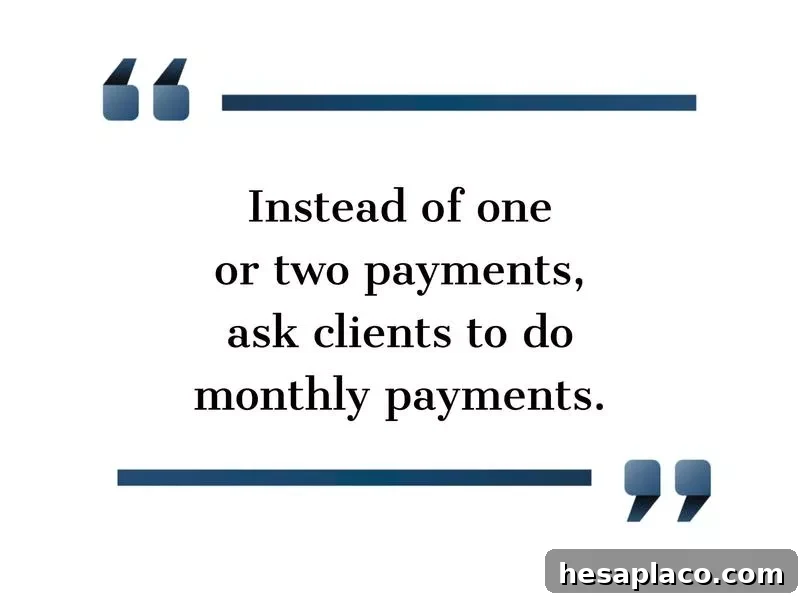
Breaking large invoices into monthly payments or requesting payment by project phases can stabilize cash flow. Shuda often asks clients to accept monthly installments or milestone-based payments, which smooths income and reduces the risk of long gaps between paychecks.
Don’t Quit the Rat Race Entirely

Keep your full-time job while you’re building your business whenever possible, and consider side work that complements your long-term goals. Valbrun suggests choosing supplemental jobs that align with your business—for instance, a financial planner might take a tax-season role—so additional work supports rather than distracts from your main business.
Well Done! Give Yourself a Raise
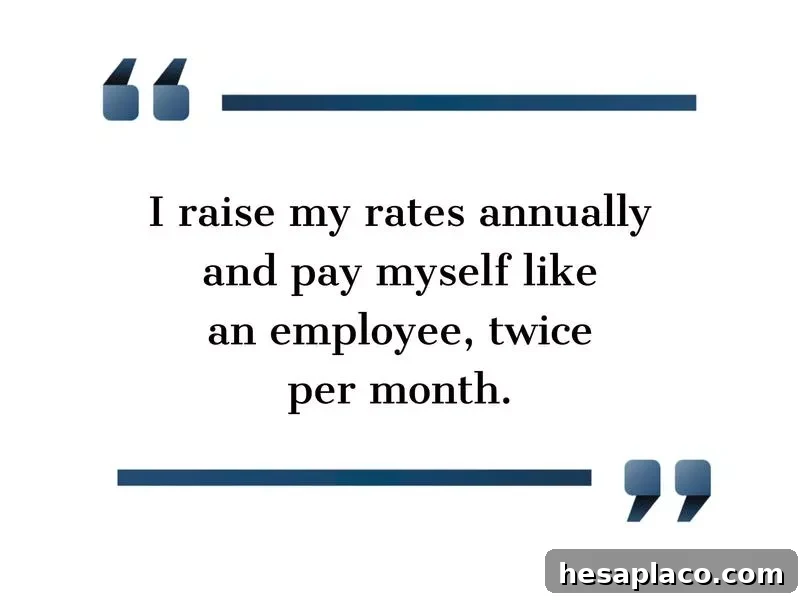
Kayla Sloan, a freelance writer, follows many of these guidelines: she uses a separate business account, pays herself like an employee, and increases her rates annually to keep up with inflation. She pays herself twice a month and sets aside surplus income for lean months, which helps maintain bills when work slows.
Transitioning to irregular income requires discipline, planning and the right systems. Prioritize savings, track patterns, control spending, and treat your freelance work as a business—these steps reduce risk and create a more predictable financial life even when pay is not.