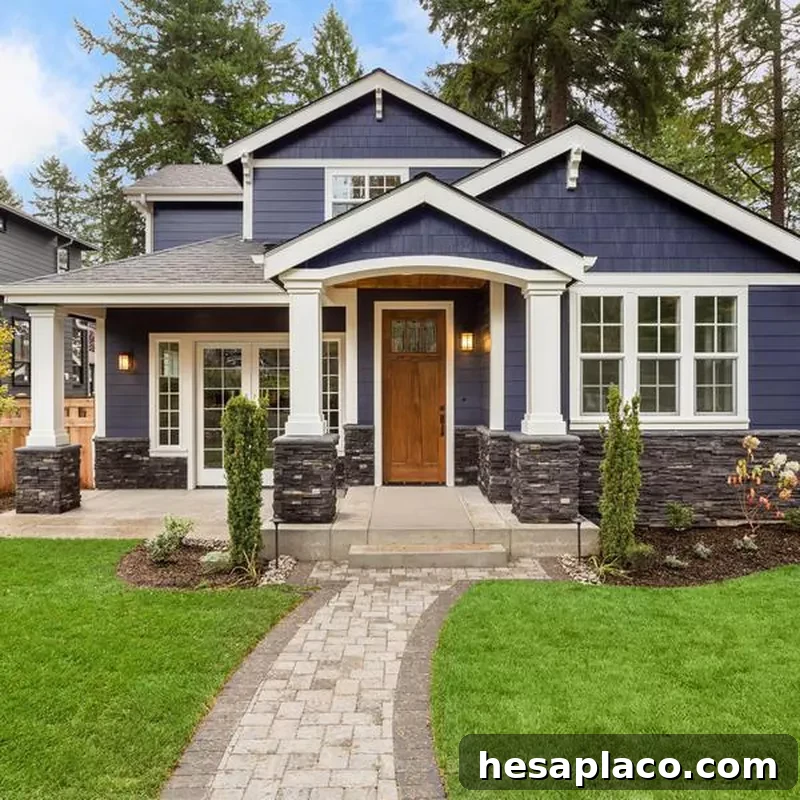
Buying a home is likely the biggest purchase you’ll ever make, but the financial responsibilities continue long after the sale is complete.
Even as sales of existing homes slow, spending on home improvements remains strong. Homeowners in the U.S. are expected to invest nearly $340 billion in residential repairs and renovations this year, an increase from prior years, according to research from Harvard’s Joint Center for Housing Studies.
Before you start any projects, it’s important to distinguish improvements that increase your home’s value from those that may offer little return. Is adding solar panels worth the cost? Do high-end appliances really help sell a house? Whether you’re preparing to sell or simply improving your current home, focus on projects that deliver the best return on investment.
First, Bring in a Pro

With so many renovation options, it’s easy to feel overwhelmed. A real estate agent or an experienced interior designer can help you prioritize updates that will appeal to buyers and offer solid returns. Realtors often provide this guidance at no charge.
Every house is unique, so find a professional who can quickly evaluate what will make the biggest impact. If a property lacks a yard or natural light, extensive landscaping or elaborate upgrades may not pay off. Once you’ve decided on work to be done, hire qualified contractors: a home inspector can recommend reliable crews for specific jobs.
Check Your Levels

When preparing a house for sale, think in terms of levels of improvement. One useful goal is to get the home to a move-in-ready state where buyers can imagine living there without immediate renovations. This broadens the pool of potential buyers and can lead to stronger offers.
Simple cosmetic updates — fresh paint, new flooring, and cleaned or replaced carpets — might bring a home to that level. Depending on the scope, this baseline preparation often ranges from modest cosmetic spending to more substantial updates. In many markets, sellers spend tens of thousands to get a house market-ready, but the exact amount depends on the property and local conditions.
Make a Good First Impression
The entryway shapes buyers’ first impressions, so don’t neglect the exterior. Simple, affordable touches can make a big difference: paint the front door a contrasting, welcoming color; add potted flowers; and upgrade outdoor lighting with attractive fixtures. These relatively low-cost improvements help buyers form a positive initial impression and set the tone for the rest of the visit.
Clear the Clutter

Buyers need to envision themselves living in the space, which is hard when personal photos and clutter dominate the rooms. Decluttering is one of the most commonly recommended improvements: clear countertops, tidy shelves, and organize closets so spaces appear roomy and functional. Neutral, minimal staging helps potential buyers focus on the home’s features rather than its current occupants’ belongings.
If you need guidance, popular organizing methods can help you pare down and arrange belongings for a cleaner presentation.
Hire a Stager
Professional staging can highlight a home’s strengths and minimize weaknesses. Stagers know which furniture pieces to remove, which to keep, and how to arrange items to maximize flow and visual appeal. While staging costs vary by market, an expertly staged home often attracts more offers and can shorten time on market. Ask your agent for staging recommendations with proven results.
Stay on Top of Repairs
Minor defects can immediately turn buyers off. Address common maintenance issues—loose railings, peeling trim, small roof or fascia problems, or leaning retaining walls—before showings begin. Fixing issues proactively is usually more cost-effective than negotiating after an inspection and prevents buyers from worrying that the house has hidden problems.
Freshen up the Paint

A fresh coat of neutral paint can dramatically brighten and modernize rooms at relatively low cost. Neutral tones appeal to the widest range of buyers and create a clean backdrop that helps spaces feel larger and more inviting.
Increase Your Living Space

Adding usable square footage is one of the most effective ways to increase a home’s value. Creative reconfiguration—converting an oversized laundry room into a bedroom, finishing attic or basement space, or reworking underused areas—can turn a three-bedroom into a four-bedroom, often resulting in a substantial price boost. Evaluate whether small conversions or reconfigurations could produce a significant return in your market.
Make Your Home More Energy Efficient

Energy-efficient upgrades appeal to buyers and reduce utility costs. Improvements such as double-pane windows, added insulation, LED lighting, and Energy Star appliances can be attractive selling points. Larger investments, like solar panels, may pay off depending on local incentives and installation costs—get estimates and research available tax credits or rebates before committing.
Revamp Your Kitchen
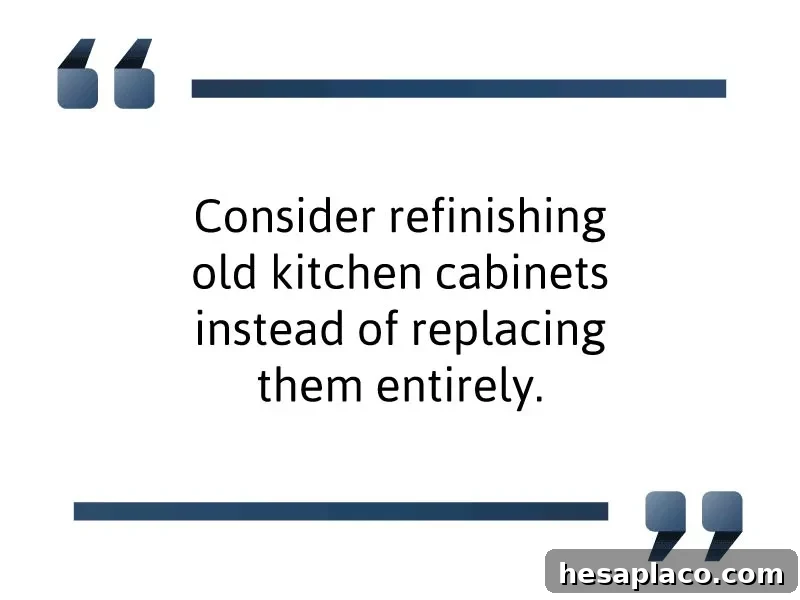
The kitchen often delivers the strongest return on investment because buyers place great importance on this space. Full kitchen remodels can be expensive, so weigh costs against potential sale-price gains. Cost-effective options include painting cabinets, replacing hardware, refinishing surfaces, or sourcing economical cabinetry from big-box retailers. Save major investments for features that really move the needle in your local market.
Don’t Go Overboard on the Bathrooms
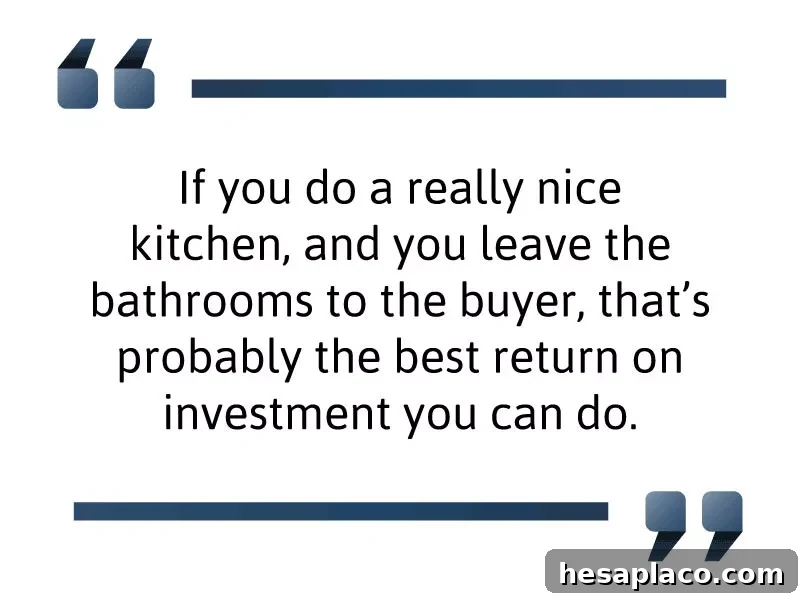
While updating bathrooms can be valuable, extravagant renovations aren’t always necessary. Simple, affordable improvements—new fixtures, modern mirrors, fresh towels, and updated lighting—can freshen bathrooms without huge expense. Investing heavily in bathrooms while neglecting the kitchen is often not the most efficient use of funds.
Make Your House “Smarter”

Smart-home features like programmable thermostats, smart locks, and other connected devices are increasingly affordable and can make a property stand out. These additions can improve energy efficiency and enhance perceived security—benefits that resonate with many buyers. If you install smart devices, ensure your agent knows how to highlight them during marketing efforts.
Get Your Inspection Reports

Arrange inspections before listing to uncover issues that can be fixed in advance and at lower cost. Having inspection reports and completed repairs ready can strengthen your negotiating position and reduce the likelihood of last-minute demands from buyers. Proactive inspections help you control the timeline and costs while presenting the home in the best possible light.
In summary, prioritize improvements that create a strong first impression, increase usable space, address basic repairs, and appeal to buyers’ preferences—especially kitchens, curb appeal, and energy efficiency. Work with experienced professionals to focus your budget on updates that will deliver the greatest return for your market.