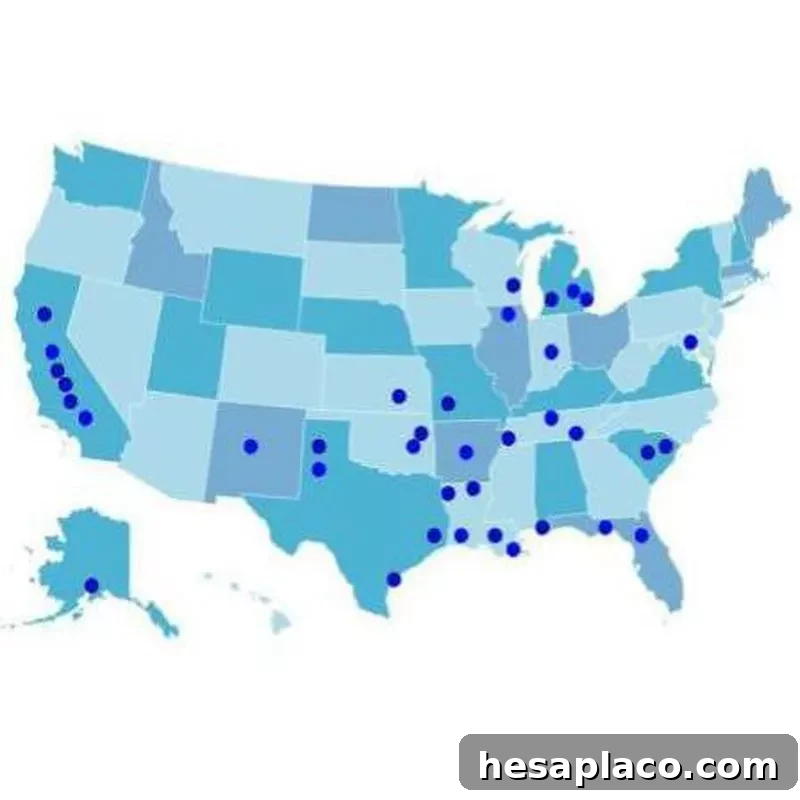
The FBI’s annual report “Crime in the United States” for 2018 offers a detailed look at safety challenges in many of the nation’s largest metropolitan areas.
Overall, reported violent crime fell by 3.3 percent from 2017 to 2018. The U.S. Attorney General’s office credits part of that decline to the Project Safe Neighborhoods program, launched in 2002, which directs federal resources to certain metro areas to help reduce violent crime.
In the FBI report, violent crime covers offenses involving force or the threat of force: murder and nonnegligent manslaughter, rape, robbery, and aggravated assault.
It’s important to note that the FBI data come from law enforcement agencies that voluntarily report their statistics. Not every agency reported every category, so the data may be incomplete in places.
For many of the metro areas on this list, the most serious violence tends to be concentrated in poorer, historically underserved neighborhoods with limited access to resources. The opioid epidemic and other substance abuse problems are closely linked with increases in violent crime, homelessness, and related harms. In 2018 the opioid crisis imposed enormous social and economic costs, and methamphetamine use in parts of the Midwest and South has also contributed directly to violent crime trends. Firearm violence remains a pressing factor in many jurisdictions.
Another consideration is the nature of the crimes: some offenses, such as rape, are significantly underreported, so official figures likely understate their true prevalence. This raises broader questions about where and for whom safety is most at risk across the United States, including disproportionate risks faced by women and by indigenous and marginalized communities.
Below is a comparative summary of the 37 U.S. metropolitan areas (population 200,000 or more) with the highest reported violent crime rates per 100,000 residents in 2018, based on FBI data. Each entry lists basic population and rate figures, followed by context about local drivers and trends.
1. Memphis, Tennessee–Mississippi–Arkansas

The metropolitan area of Memphis experienced a violent crime rate of 1,168.3 per 100,000 inhabitants. Getty Images
Population: 1,343,002
Violent crime rate (per 100,000): 1,142.5
Murder and nonnegligent manslaughter (per 100,000): 17.2
Memphis saw a decline in reported violent crime between 2017 and 2018: fewer murders and fewer reported rapes. The city’s high crime levels are linked to a combination of gun violence, concentrated poverty, drug activity, and persistent neighborhood inequalities. Overall poverty in Memphis is high and child poverty is particularly severe.
2. Anchorage, Alaska

Alaska has been called the “rape capital” of America. In 2017, 391 rapes were reported in the city of Anchorage. Getty Images
Population: 309,917
Violent crime rate (per 100,000): 1,263.6
Murder and nonnegligent manslaughter (per 100,000): 8.4
Anchorage and Alaska more broadly report unusually high rates of sexual violence, and in 2018 reported rapes increased substantially. Contributing factors include high rates of substance abuse, poverty, and limited access to services for vulnerable and indigenous populations.
3. Albuquerque, New Mexico

In Albuquerque, New Mexico’s largest city, murder hit a 20-year high in 2017. Getty Images
Population: 915,468
Violent crime rate (per 100,000): 1,084.7
Murder and nonnegligent manslaughter (per 100,000): 9.5
Albuquerque’s violent crime rates remained relatively steady from 2017 to 2018, with a modest increase in the murder rate. Local authorities have repeatedly sought additional resources to address persistent property and violent crime challenges in the city.
4. Lubbock, Texas
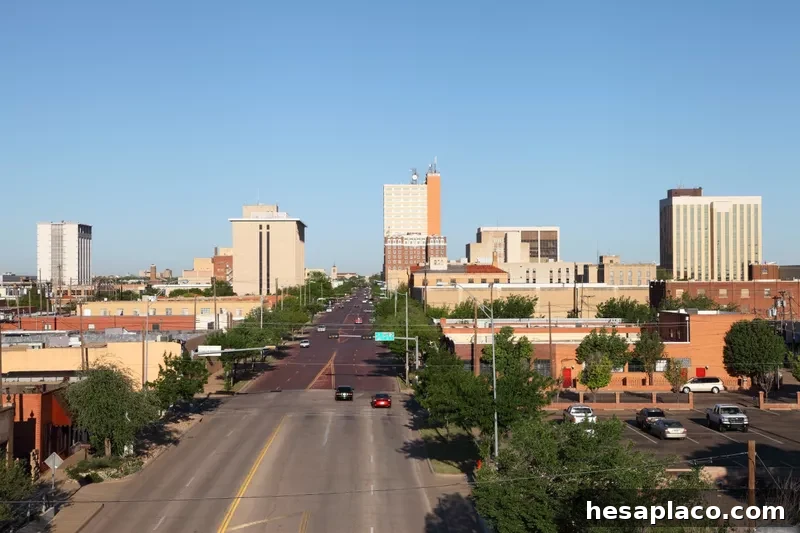
Getty Images
Population: 319,795
Violent crime rate (per 100,000): 829.3
Murder and nonnegligent manslaughter (per 100,000): 4.4
Lubbock reports a high rape rate compared with the national average and faces socioeconomic challenges including elevated poverty. Local leaders have pursued economic development tied to the university and research sectors as part of broader revitalization efforts.
5. Wichita, Kansas

Wichita’s location at the intersection of I-35 and US 54 puts it at the crossroads of two major drug trafficking routes. Getty Images
Population: 638,135
Violent crime rate (per 100,000): 826
Murder and nonnegligent manslaughter (per 100,000): 7.7
Wichita experienced a rise in violent crime and homicides while its population declined slightly. Its position along major transportation corridors contributes to its role as a drug distribution hub, and local poverty levels remain above the national average.
6. Stockton–Lodi, California

Stockton is the 13th largest city in California, with a population of 308,348. Getty Images
Population: 748,303
Violent crime rate (per 100,000): 795.1
Murder and nonnegligent manslaughter (per 100,000): 6.9
Stockton’s violent crime and homicide rates declined from 2017 to 2018. The city has attracted attention for local policy experiments aimed at poverty relief, and nearly a quarter of residents still live below the poverty line.
7. Florence, South Carolina
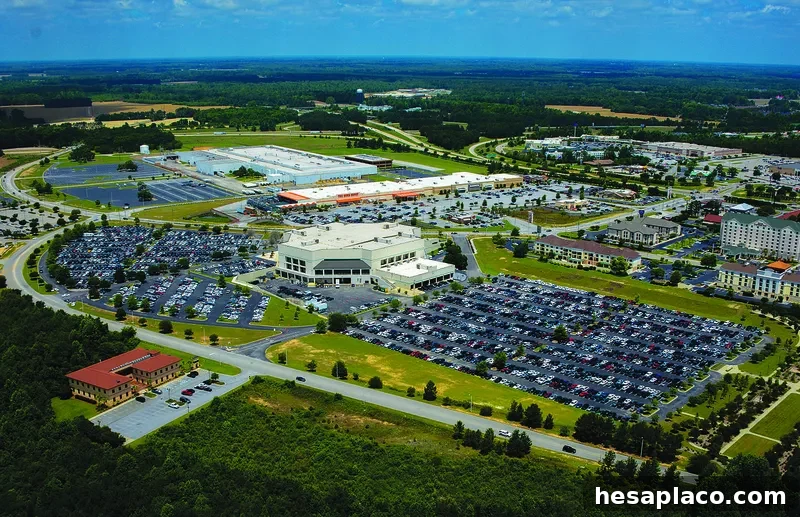
Florence Conventions and Visitors Bureau / Wikimedia Commons
Population: 205,828
Violent crime rate (per 100,000): 748.2
Murder and nonnegligent manslaughter (per 100,000): 16.0
Florence recorded increases in homicide, sexual battery, and aggravated assault statewide while robberies decreased. The metro area contends with a relatively high poverty rate that contributes to concentrated violence in certain neighborhoods.
8. Rockford, Illinois
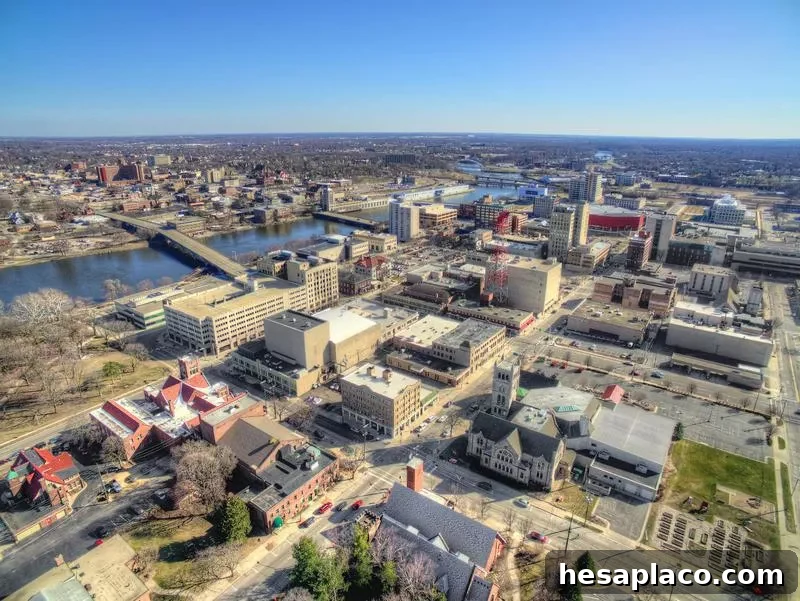
Rockford, Illinois’s poverty rate of 22.7 percent is well above the national average of 12.3 percent. Getty Images
Population: 335,289
Violent crime rate (per 100,000): 742.6
Murder and nonnegligent manslaughter (per 100,000): 10.4
Rockford’s violent crime rate fell from 2017 to 2018, but its murder rate rose. The city’s persistent poverty and economic challenges are factors in elevated violent crime.
9. Little Rock–North Little Rock–Conway, Arkansas

In the Little Rock metro area in 2017, 87 people were murdered and there were 453 reported rapes. Getty Images
Population: 742,751
Violent crime rate (per 100,000): 738.1
Murder and nonnegligent manslaughter (per 100,000): 9.2
Little Rock’s violent crime and homicide rates declined slightly, but Arkansas has experienced a long-term rise in crime across many communities. The city’s poverty rate remains higher than the national average.
10. Monroe, Louisiana

Getty Images
Population: 202,029
Violent crime rate (per 100,000): 724.6
Murder and nonnegligent manslaughter (per 100,000): 5.4
Monroe faces severe economic distress, with a significant share of neighborhoods living in extreme poverty. Louisiana’s high incarceration rates and concentrated disadvantage are part of the broader context for crime in the area.
11. Baltimore–Columbia–Towson, Maryland

In 2017, there were 413 murders and 1,048 rapes reported in the Baltimore metro area. Getty Images
Population: 2,799,376
Violent crime rate (per 100,000): 720.8
Murder and nonnegligent manslaughter (per 100,000): 13.3
Baltimore has long struggled with high levels of violent crime, often linked to entrenched gang activity and neighborhood disadvantage. Reported violent crime and homicide numbers fell in 2018, but the city continues to face significant public safety challenges.
12. Gainesville, Florida
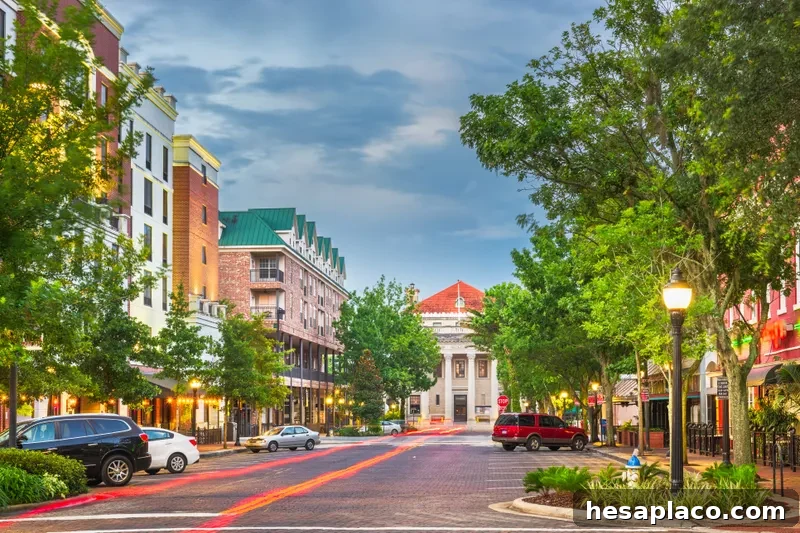
Population: 327,771
Violent crime rate (per 100,000): 713.3
Murder and nonnegligent manslaughter (per 100,000): 5.2
Gainesville, home to a major university, reports a high rate of reported rapes relative to population. The city also faces elevated poverty compared with national averages, with clear disparities across neighborhoods.
13. Corpus Christi, Texas

In 2017, there were 30 murders and 289 reported rapes in Corpus Christi. Getty Images
Population: 430,731
Violent crime rate (per 100,000): 699.3
Murder and nonnegligent manslaughter (per 100,000): 7.4
In prior years Corpus Christi recorded high numbers of reported rapes and aggravated assaults, and these violent crime categories remain central concerns for local law enforcement and community groups.
14. Flint, Michigan
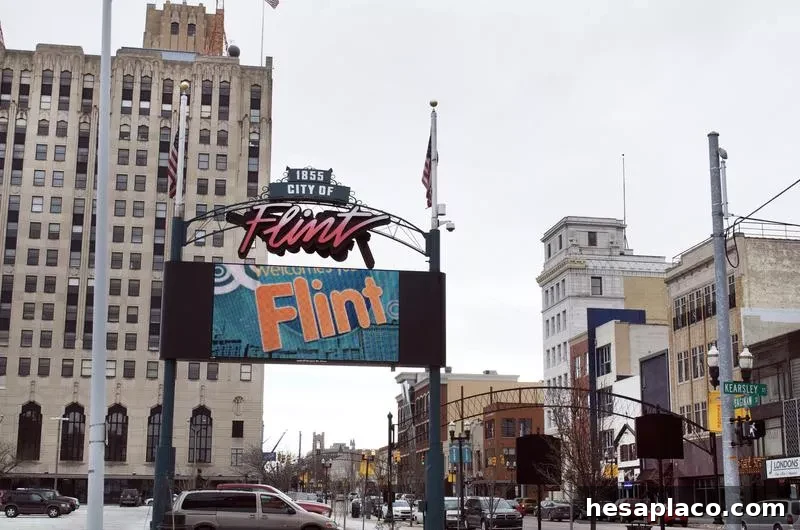
Flint is one of the most dangerous cities for women, too, with a reported rape rate of 72 per 100,000 persons. Getty Images
Population: 405,750
Violent crime rate (per 100,000): 683.2
Murder and nonnegligent manslaughter (per 100,000): 9.4
Flint’s economic decline and public health crises, including a long-running water contamination emergency, have compounded social and safety challenges. The city reports high rates of sexual violence and remains one of the nation’s poorest large cities.
15. Amarillo, Texas
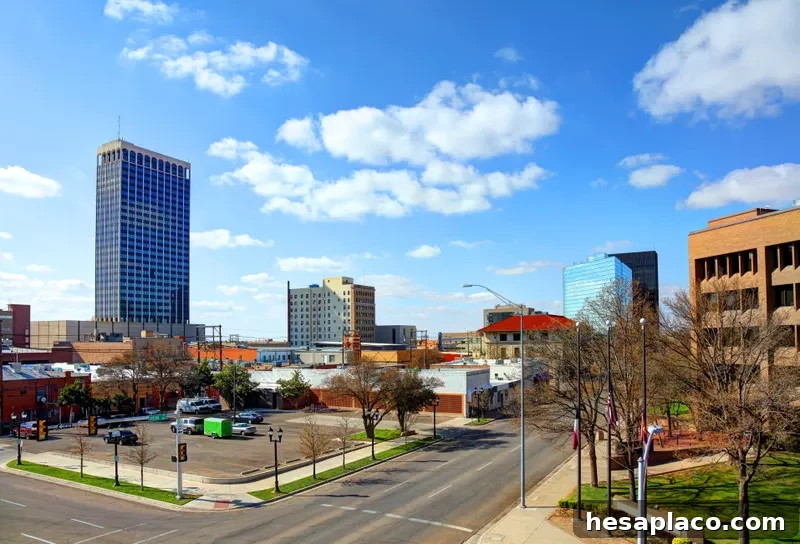
Getty Images
Population: 266,043
Violent crime rate (per 100,000): 660.4
Murder and nonnegligent manslaughter (per 100,000): 4.9
Amarillo, newly appearing among the highest-rate metros, reports an elevated rape rate and notable poverty levels that correlate with higher local crime rates.
16. Indianapolis–Carmel–Anderson, Indiana

There were 164 murders and 923 reported rapes in the Indianapolis metro area in 2017. Getty Images
Population: 2,048,700
Violent crime rate (per 100,000): 641.5
Murder and nonnegligent manslaughter (per 100,000): 9.3
Indianapolis has declared gun violence a public health concern. While overall violent crime declined year over year, the homicide rate increased slightly in 2018.
17. Milwaukee–Waukesha–West Allis, Wisconsin

In 2017, 124 people were murdered and 644 rapes were reported in the Milwaukee metro area. Getty Images
Population: 1,579,729
Violent crime rate (per 100,000): 609.7
Murder and nonnegligent manslaughter (per 100,000): 7.2
Milwaukee reported nearly 100 murders and several hundred rapes in 2018. Median household income is low and poverty rates are high, factors associated with elevated violent crime.
18. Shreveport–Bossier City, Louisiana

In 2017, the metro area experienced a reported 1,792 aggravated assaults and 598 robberies. Getty Images
Population: 397,965
Violent crime rate (per 100,000): 602.8
Murder and nonnegligent manslaughter (per 100,000): 14.3
Shreveport’s violent crime fell slightly in 2018 but homicides and sexual assaults remain serious problems. Louisiana continues to report high incarceration and poverty rates that correlate with local crime levels.
19. Nashville–Davidson–Murfreesboro–Franklin, Tennessee
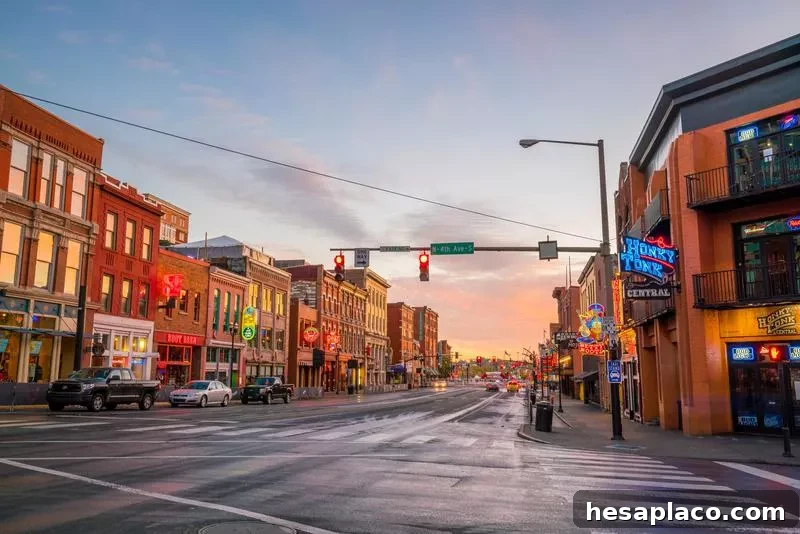
The Nashville metro area experienced a violent crime rate of 624.9 per 100,000 inhabitants. Getty Images
Population: 1,913,148
Violent crime rate (per 100,000): 599.1
Murder and nonnegligent manslaughter (per 100,000): 7.8
Nashville’s violent crime rate fell from the prior year while its murder rate remained steady. The metro area’s poverty rate is near the national average, but disparities persist across neighborhoods.
20. Fresno, California

Among California’s six most populous cities, Fresno has the highest rate of families in poverty. Getty Images
Population: 989,980
Violent crime rate (per 100,000): 595.3
Murder and nonnegligent manslaughter (per 100,000): 5.5
Fresno faces deep poverty and economic challenges that contribute to persistent crime problems; many households rely on public assistance and wages lag behind other regions.
21. Kalamazoo–Portage, Michigan

Getty Images
Population: 265,316
Violent crime rate (per 100,000): 592.5
Murder and nonnegligent manslaughter (per 100,000): 3.8
Kalamazoo reports a relatively high rape rate and elevated poverty, linking economic distress to higher rates of violent crime in parts of the metro area.
22. Bakersfield, California

Bakersfield’s reported rape rate is 34.4 per 100,000 persons. Getty Images
Population: 893,851
Violent crime rate (per 100,000): 591.7
Murder and nonnegligent manslaughter (per 100,000): 11.3
Bakersfield’s violence is driven in part by gang activity, domestic violence, and drug-related crime concentrated in certain neighborhoods of the Central Valley.
23. Modesto, California
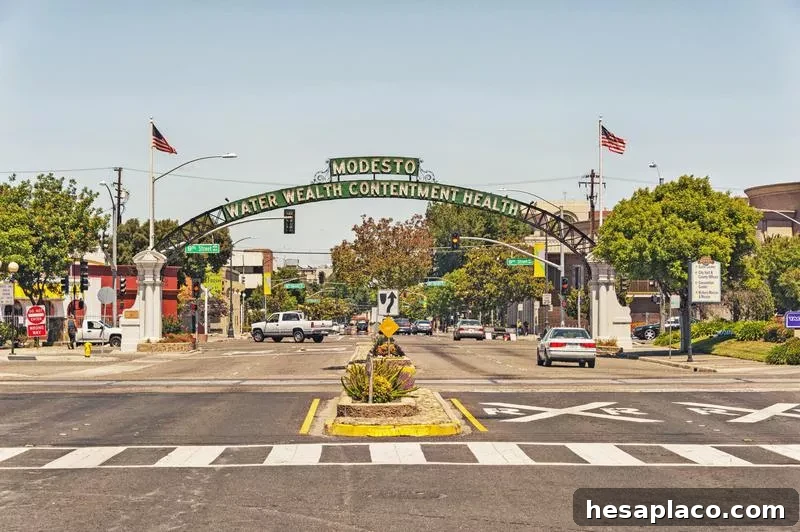
Gang violence is a major issue in California’s Central Valley, which includes the Modesto metropolitan area. Getty Images
Population: 548,464
Violent crime rate (per 100,000): 576.2
Murder and nonnegligent manslaughter (per 100,000): 7.3
Modesto’s violent crime fell slightly from 2017 to 2018 while the murder rate rose; gang violence and economic disparities in the Central Valley significantly influence public safety outcomes.
24. Columbia, South Carolina
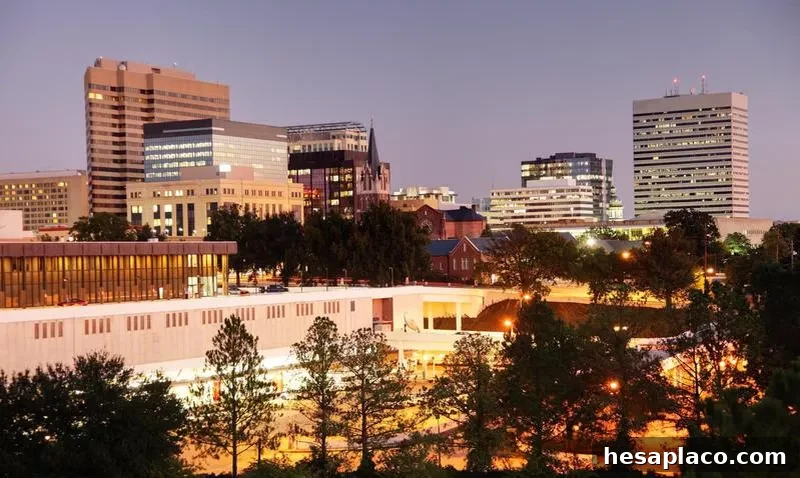
Columbia’s rape rate is 45 reported rapes per 100,000 persons. Getty Images
Population: 833,205
Violent crime rate (per 100,000): 567.9
Murder and nonnegligent manslaughter (per 100,000): 7.3
Columbia’s violent crime is concentrated in economically disadvantaged neighborhoods; the city reports a relatively high poverty rate and significant rates of reported sexual violence.
25. Merced, California

Getty Images
Population: 272,901
Violent crime rate (per 100,000): 567.2
Murder and nonnegligent manslaughter (per 100,000): 3.3
Merced faces high poverty and modest rates of reported sexual violence; local economic conditions and concentrated disadvantage shape crime patterns.
26. Tulsa, Oklahoma

Methamphetamine and opioid use has had a massive impact on Oklahoma. Getty Images
Population: 994,764
Violent crime rate (per 100,000): 564.8
Murder and nonnegligent manslaughter (per 100,000): 7.9
Oklahoma has among the highest incarceration and poverty rates in the nation. Substance abuse and economic hardship contribute to Tulsa’s crime challenges.
27. New Orleans–Metairie, Louisiana
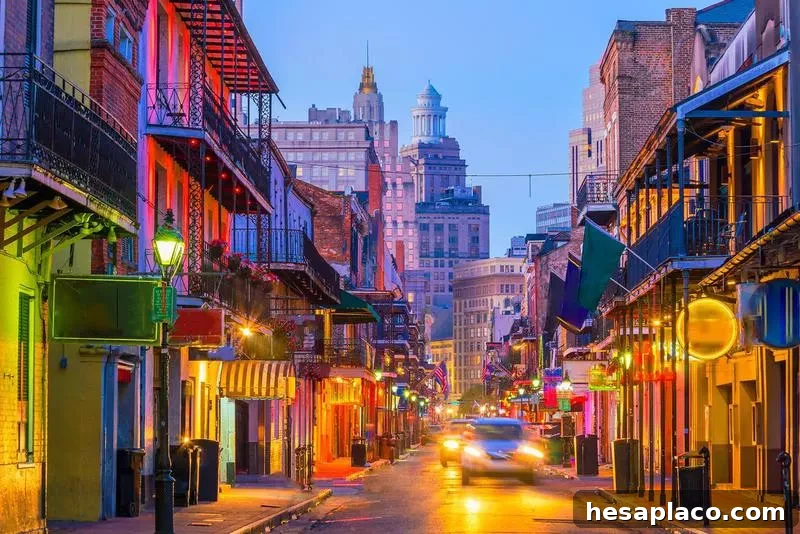
The I-10 corridor runs through New Orleans, making it a stop on a major transit route for trafficking in persons and drugs. Getty Images
Population: 1,275,532
Violent crime rate (per 100,000): 563.8
Murder and nonnegligent manslaughter (per 100,000): 15.5
New Orleans’ violent crime and homicide totals declined in 2018. The city and state report high poverty and sexual violence rates, and the region’s geography places it on major trafficking routes that influence local crime dynamics.
28. Springfield, Missouri
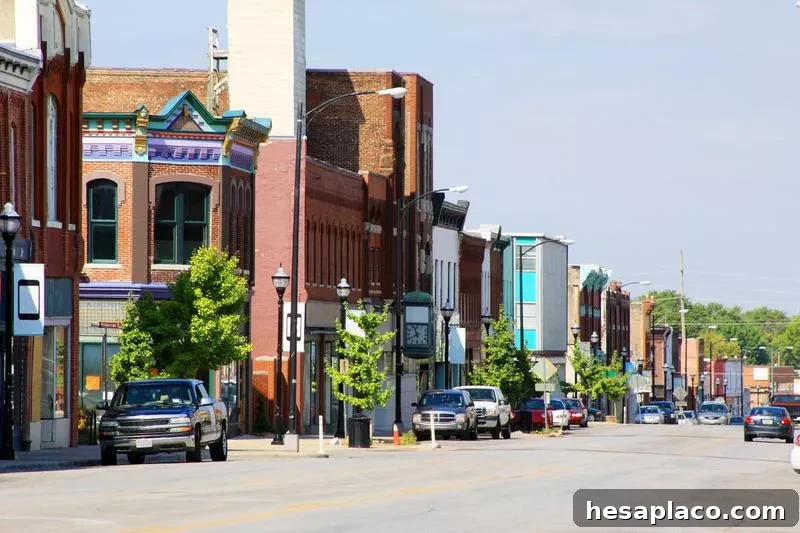
The area has an extremely high rape rate of 93.1 reported rapes per 100,000 persons. Getty Images
Population: 465,708
Violent crime rate (per 100,000): 562.6
Murder and nonnegligent manslaughter (per 100,000): 5.4
Springfield’s location along a major interstate corridor contributes to trafficking-related crime. The metro reports a high rate of reported sexual assaults and elevated local poverty.
29. Tallahassee, Florida
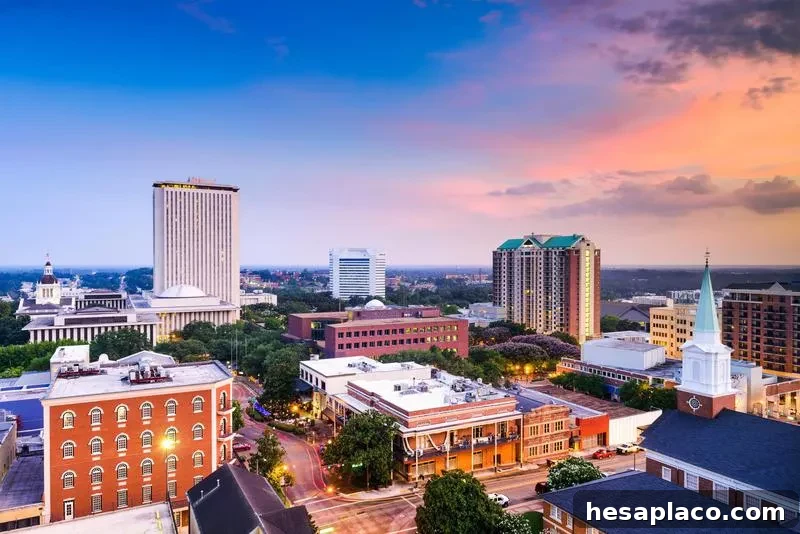
A shooting at a yoga studio in November 2018 again shone a light on gun violence in Florida. Getty Images
Population: 384,355
Violent crime rate (per 100,000): 558.9
Murder and nonnegligent manslaughter (per 100,000): 7.0
Tallahassee reports a particularly high rate of reported rapes and notable firearm-related incidents. As a college town, the metro faces unique public-safety dynamics tied to population turnover and social conditions.
30. Beaumont–Port Arthur, Texas
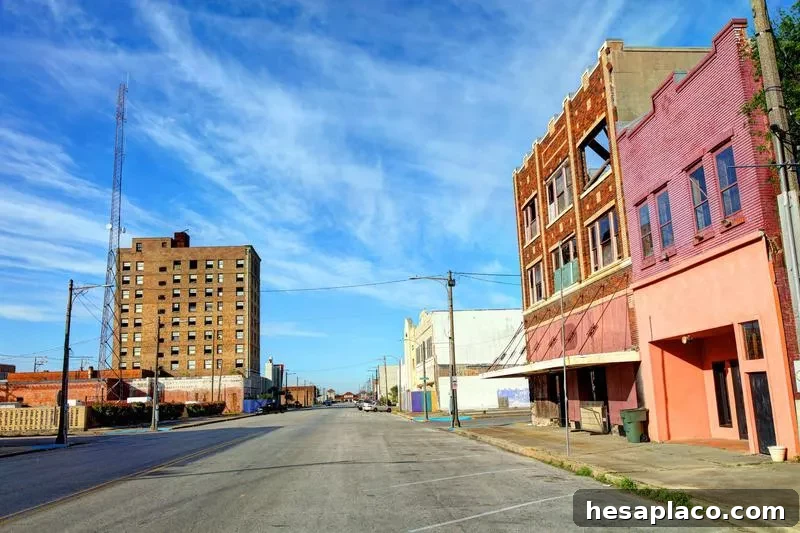
The metro area features a poverty rate of 22.9 percent. Getty Images
Population: 398,704
Violent crime rate (per 100,000): 554
Murder and nonnegligent manslaughter (per 100,000): 7.8
Beaumont and Port Arthur have seen population declines and steady industrial economies historically tied to oil. Poverty and strategic location on transportation corridors are factors in persistent violent crime.
31. Lake Charles, Louisiana

Getty Images
Population: 208,685
Violent crime rate (per 100,000): 547.7
Murder and nonnegligent manslaughter (per 100,000): 5.8
Lake Charles reports high poverty and elevated rates of reported sexual violence; statewide economic indicators in Louisiana amplify local vulnerabilities.
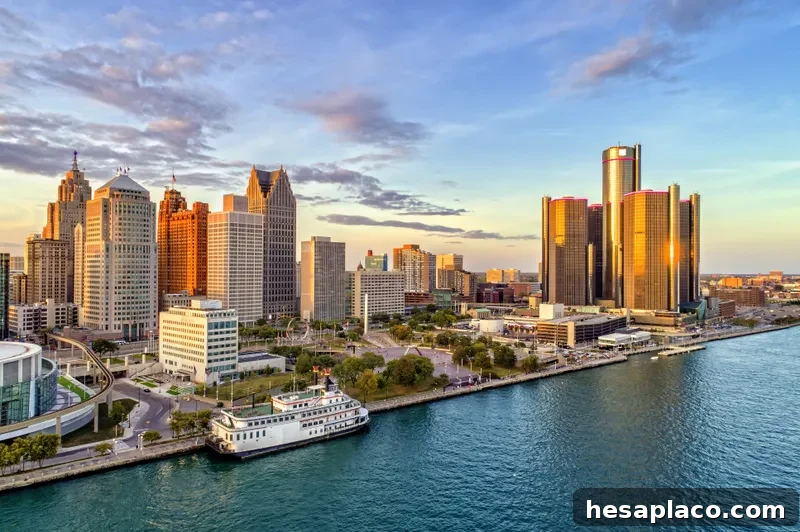
32. Detroit–Warren–Dearborn, Michigan
Getty Images
Population: 4,325,220
Violent crime rate (per 100,000): 535.1
Murder and nonnegligent manslaughter (per 100,000): 8.0
When the larger reporting area including Wayne County is considered, violent crime and murder rates are substantially higher. The broader region faces deep socioeconomic challenges and high rates of violent victimization.
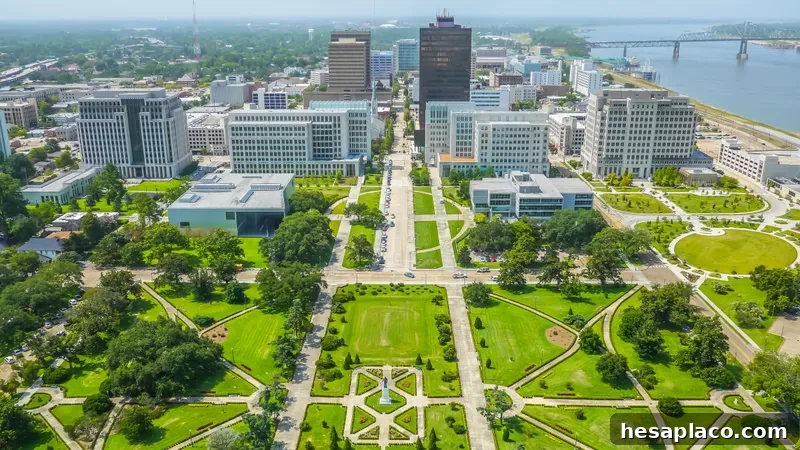
33. Baton Rouge, Louisiana
Getty Images
Population: 852,689
Violent crime rate (per 100,000): 531.5
Murder and nonnegligent manslaughter (per 100,000): 14.9
Baton Rouge reports high robbery and homicide rates and contends with poverty and other structural drivers of violence.
34. Chico, California

Getty Images
Population: 228,880
Violent crime rate (per 100,000): 530.4
Murder and nonnegligent manslaughter (per 100,000): 4.4
Chico reports reported rape and robbery rates that exceed national averages in some categories; local socioeconomic factors contribute to safety concerns.
35. Oklahoma City, Oklahoma

Getty Images
Population: 1,397,950
Violent crime rate (per 100,000): 529.5
Murder and nonnegligent manslaughter (per 100,000): 5.2
Oklahoma City’s reported rape and robbery rates are notable, and state-level incarceration and poverty rates are among the highest in the nation.
36. Mobile, Alabama

Mobile, Alabama is on the I-10 corridor, a major U.S. drug and human trafficking highway. Getty Images
Population: 430,335
Violent crime rate (per 100,000): 526.6
Murder and nonnegligent manslaughter (per 100,000): 8.6
Mobile’s violent crime and murder rates declined from 2017 to 2018 even as its population grew. The city’s location along the I‑10 corridor and high state poverty rates shape local crime patterns.
37. Chattanooga, Tennessee–Georgia

Chattanooga’s poverty rate stands at 22.9 percent, the lowest number the area has seen in the past decade. Getty Images
Population: 560,236
Violent crime rate (per 100,000): 525.5
Murder and nonnegligent manslaughter (per 100,000): 5.2
Chattanooga reported a modest improvement in poverty rates thanks to job growth, but significant pockets of disadvantage remain. Reported sexual violence and other violent crimes continue to affect the most vulnerable neighborhoods.
The FBI data provide a snapshot of reported violent crime across metropolitan areas in 2018 and highlight the persistent links between economic distress, substance abuse, and violent victimization. Because reporting practices vary and some crimes are underreported—particularly sexual assault—these statistics should be viewed as part of a broader context when assessing safety and community needs.