
When you live on a tight budget, it’s easy to assume the extremely wealthy never face financial trouble. Yet these 14 “riches to rags” stories show that losing fortunes can happen at any scale — whether someone once had $10 million or just $10. The takeaway: live within your means, be careful with spending, and always pay your taxes.
Barbara Hutton

Barbara Hutton (right), pictured with former British amateur golfer Robert Sweeney in 1940, was the heiress to the Woolworth fortune. AP Photo
Barbara Hutton, dubbed the original “poor little rich girl,” inherited a vast fortune from the Woolworth family and was once among the wealthiest people in the world. Despite her wealth, Hutton battled serious personal problems including an eating disorder, addiction and a pattern of abusive relationships. Her extravagant lifestyle — famous parties at her Tangier compound and lavish spending — combined with multiple costly divorces eroded her wealth. Of her seven marriages, only her union with Cary Grant did not end with a financial settlement. By the time she died, Hutton was living in a suite at The Beverly Hills Hotel with only a few thousand dollars to her name.
Sammy Davis, Jr.

Sammy Davis Jr. sits atop a piano at the restaurant Pigalie, in London, in 1960. Bob Dear / AP Photo
Sammy Davis Jr. rose to fame with The Rat Pack and earned substantial income across a long career. Still, his high-flying lifestyle left him with substantial unpaid taxes. Reports indicate he earned roughly $50 million over his lifetime, yet owed the IRS millions when he died. To cover the debt, Davis’s personal memorabilia was auctioned and the proceeds went toward the tax bill his wife inherited.
Oscar Wilde

Author and playwright Oscar Wilde lived extravagantly and died penniless. Library of Congress
Playwright and wit Oscar Wilde enjoyed a life of fashion and theatricality, traveling widely and commanding generous lecture fees. But his decision to sue an accuser over his sexuality backfired: Wilde was convicted of “gross indecency” and imprisoned. He lost his home and possessions and spent his final years in a cheap hotel in Paris, dying in debt. His story is a reminder that fame and earnings can evaporate quickly in the face of scandal and legal consequences.
MC Hammer

At the top of his fame, MC Hammer was estimated to be worth $33 million. Amazon
MC Hammer (Stanley Kirk Burrell) reached enormous commercial success with Please Hammer, Don’t Hurt ‘Em and other hits, and at his peak was estimated to be worth about $33 million. However, lavish spending on homes, cars and an oversized entourage, together with declining record sales and failed business ventures, led to bankruptcy. His experience highlights how quickly fortunes can shrink without sustainable financial planning.
Allen Iverson

Then-Philadelphia 76ers guard Allen Iverson reacts during a game in 2004. He made more than 150 million dollars during his time as a star basketball player. Eric Gay / AP Photo
Allen Iverson earned more than $150 million during his NBA career, not counting endorsement deals such as a lucrative contract with Reebok. Yet after retirement he continued living as if high-value contracts were ongoing, indulged in extravagant purchases (including reportedly spending more than $23,000 in a single day) and frequently gave money to friends and family. Personal problems, a taste for jewelry and poor financial choices left him facing foreclosure and wage garnishments.
Elizabeth Holmes

Elizabeth Holmes, founder and former CEO of Theranos, speaks at the Fortune Global Forum in San Francisco in 2018. Holmes was indicted for wire fraud. AP Photo / Jeff Chiu
Elizabeth Holmes founded Theranos and was celebrated as a self-made billionaire as her company’s valuation soared. Her personal net worth was once estimated in the billions. But after investigative reporting and regulatory scrutiny revealed that Theranos’s testing technology was unreliable, the company collapsed. Holmes was later indicted for fraud, and her fall from prominence illustrates how quickly perceived wealth can vanish when a business is built on false promises.
Ed McMahon
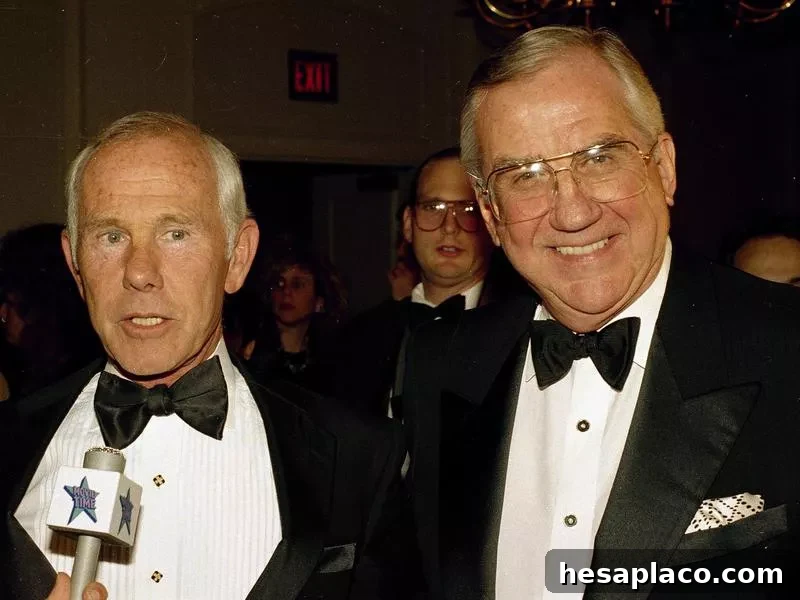
Ed McMahon (right), shown here in 1989, was the sidekick to Johnny Carson on “The Tonight Show” for 30 years. AP Photo
Ed McMahon enjoyed a long career as Johnny Carson’s sidekick on The Tonight Show and earned additional income from acting, writing and endorsement work. Still, a generous nature combined with lavish spending and poor financial decisions left him more than a million dollars in debt. At his death he faced lawsuits and a Beverly Hills home in foreclosure, underlining how a high lifetime income does not guarantee long-term security without prudent money management.
Michael Jackson

Michael Jackson performs during his “Dangerous” tour in Bangkok in 1993. Jeff Widener / AP Photo
Michael Jackson earned enormous sums over a long career, including a multiyear recording deal with Sony, yet he also accumulated substantial debt — estimates at the time of his death ranged from $400 million to $500 million. Purchases such as Neverland Ranch, ongoing legal battles and a spending rate that reportedly exceeded earnings pushed his finances into the red. Jackson’s future earnings from his extensive music catalog, however, eventually helped his estate pay off those debts.
Mike Tyson

Boxer Mike Tyson raises his arms in victory after a fight in Atlantic City in 1988. He was forced to declare bankruptcy for being $23 million in debt. Richard Drew / AP Photo
Mike Tyson earned nearly $400 million across his boxing career and was paid massive sums for single fights, yet extravagant spending and legal troubles led him to declare bankruptcy with debts reported around $23 million. Tyson’s high monthly expenses — reported at roughly $400,000 per month at one point — along with a costly lifestyle that included exotic pets, multiple vehicles and personal challenges such as imprisonment and rehab, drained his resources. In later years he rebuilt his public profile through acting and other ventures.
Nicolas Cage

Nicolas Cage gestures during an Italian television program in 2012. Cage blamed his money manager for his financial problems. Luca Bruno / AP Photo
Nicolas Cage was among Hollywood’s highest-paid actors, reportedly earning tens of millions in certain years. Nonetheless, in 2009 the IRS filed a $6.2 million lien for unpaid taxes. Cage has pointed to mismanagement by his business manager, but his own extravagant purchases — multiple homes including castles, a private island, rare collectibles, exotic pets and luxury cars — also contributed. He has since sold properties and memorabilia to address tax obligations and settle disputes.
Annie Leibovitz

Photographer Annie Leibovitz, shown while on assignment for Vanity Fair magazine in Washington in 2009, claims to have been misled by unscrupulous business managers. Charles Dharapak / AP Photo
Renowned photographer Annie Leibovitz commanded high fees for celebrity work and had lucrative contracts, yet heavy spending and complex real estate finances put her in a precarious position. Large Manhattan mortgages and costly personal expenses led her to borrow against her photographic archive to the tune of millions. Leibovitz has acknowledged poor decisions and alleged mismanagement by advisors; she negotiated with creditors and sold property to stabilize her finances.
Thomas Jefferson

At the time of his death former U.S. president Thomas Jefferson owed $107,000. That’s about $2 million in today’s money. New York Historical Society
Even Founding Father Thomas Jefferson struggled with debt. Like many plantation owners of his era, Jefferson carried ongoing liabilities, but his debts were unusually large. When he died he reportedly owed about $107,000, roughly equivalent to $2 million today, forcing his family to sell many properties. His expenditures on architectural projects, books and imported wine outpaced his income and estate revenues.
Antoine Walker

Antoine Walker goes to the basket in a game against the Detroit Pistons in 2002. Paul Sancya / AP Photo
Antoine Walker signed a contract worth roughly $108 million over his NBA career, but within two years after leaving the Boston Celtics he filed for Chapter 7 bankruptcy. Generosity toward friends and family, excessive spending on cars and luxury items, failed real estate investments and a heavy gambling habit depleted his earnings. Today Walker speaks publicly about his mistakes and educates younger athletes on financial responsibility.
Judy Garland

Actress and singer Judy Garland sings “The Man Who Got Away” in the 1954 film “A Star is Born.” AP Photo
Judy Garland enjoyed a decades-long career on stage and screen, including an iconic role in The Wizard of Oz, but she battled addiction for much of her life. The costs of ongoing medical care, drug dependence and maintaining a glamorous Hollywood lifestyle left her deeply indebted when she died. Garland reportedly relied on support from family late in life, and some promised bequests in her will could not be fulfilled due to her financial obligations.
These stories, across centuries and industries, illustrate that high earnings alone do not guarantee lifelong financial security. Prudent spending, trustworthy advisors, sensible investing and attention to tax obligations are essential no matter how large your bank balance becomes.